Fish don’t bite all day — here’s when they do. If you’ve ever spent hours on the water with barely a nibble, you know that timing is everything in fishing. Many beginners think luck matters most, but experienced anglers know that understanding when to fish makes the biggest difference. From the soft light of dawn to the mysterious quiet of night, every part of the day brings new challenges and opportunities. Add in the changing seasons, shifting weather, and even the pull of the moon, and it can seem complicated. But with the right knowledge, you can turn these factors into your advantage. This guide will help you discover the best time to go fishing—so your next trip ends with a full bucket, not an empty hook.
Best Time Of Day To Go Fishing
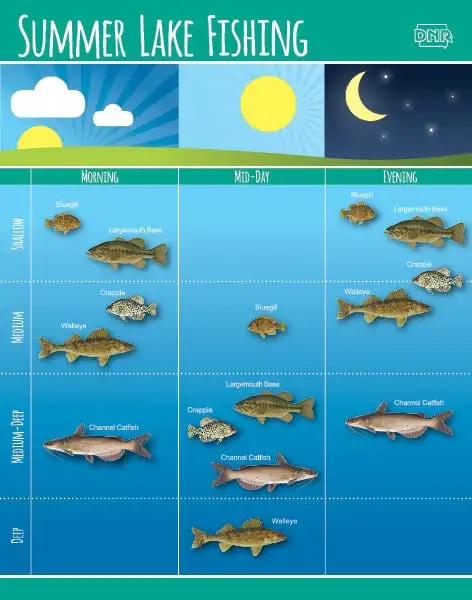
One of the most common questions is: What time is best for fishing? The answer depends on light, temperature, and fish habits. Fish don’t feed constantly; they have active and quiet times. Let’s break down the day into key periods and see what works best.
Early Morning (dawn To 2 Hours After Sunrise)
This is often called the golden hour for fishing. As the sun rises, the water is calm and cool. Fish come closer to the shore to look for food after the safety of night. Insects land on the water, and baitfish are active. Larger fish, like bass and trout, hunt during this time.
Why is dawn fishing so good? Fish can see well in low light, but their prey is less alert. Water temperatures are comfortable, especially in warm months. You’ll notice more surface activity—small splashes and ripples. Use topwater lures or live bait near weeds and structure.
Rivers and lakes both produce well at dawn.
Quick tip: If you only have a few hours, choose the first two hours after sunrise for the best chance of success.
Evening (2 Hours Before Sunset To Dusk)
The other golden hour is just before sunset. As daylight fades, temperatures drop, and fish become active again. The evening is especially good after a hot summer day, when fish rest in deeper water during midday and return to the shallows to feed at dusk.
Many species, such as catfish and walleye, are more likely to bite in the low light of evening. Surface lures, crankbaits, and even flies work well now. The wind often calms down, making casting and spotting fish easier.
Non-obvious insight: Evening fishing can be even better than morning if you’re targeting fish that feed at night or in low light. Watch for insect hatches and increased fish movement.
Night Fishing
Some of the biggest fish are caught after dark. Night fishing is less popular, but it can be very productive, especially for catfish, carp, and some bass. At night, the water is quiet, and there’s less competition from other anglers.
Use baits that make noise or create vibrations so fish can find them. Glow-in-the-dark lures or bait with strong scent can also help. Safety matters at night: bring a good flashlight, wear a life jacket, and stay aware of your surroundings.
Practical example: On a hot summer night, cast near shallow cover for catfish using chicken liver or stink baits. You might be surprised by what you catch when most people are asleep.
Midday Fishing (worst, But Not Hopeless)
Most anglers avoid fishing in the middle of the day. Bright sun, high temperatures, and busy boat traffic all work against you. Fish often move deeper or hide under cover to avoid the heat and light.
But midday fishing isn’t always hopeless. Cloudy or overcast day fishing can keep fish active longer. In cold months, the midday sun can actually help by warming the shallow water. Try fishing in deeper spots, near drop-offs, or under shaded areas like docks and trees.
Common mistake: Many beginners only fish when it’s convenient, which is often midday. For better results, plan your trips for early or late in the day.
Best Season To Go Fishing
Seasons change everything in fishing. Fish behavior, feeding patterns, and even their location in a lake or river will shift with the weather and temperature. Here’s how each season affects your chances.
Spring — Best Overall Season
Spring is famous for the spring spawn. As water warms, many species move to shallow areas to lay eggs. Fish are hungry after a long winter and are easier to catch. This is the best time to target bass, crappie, and sunfish.
Look for fish near the shore, around rocks, and in weedy areas. Early mornings and evenings are still best, but fish will bite more throughout the day compared to other seasons.
Non-obvious insight: During the pre-spawn (just before fish lay eggs), they are aggressive and strike at almost anything. But after spawning, they may rest and become less active for a short period.
Summer — Morning And Evening Only
Summer can be tricky. The water gets warm, especially in shallow areas. Fish become sluggish during the hottest part of the day and move to deeper, cooler water. The best fishing time: morning vs evening becomes even more important now.
Stick to dawn and dusk. If you must fish midday, find shaded spots or deeper holes. Night fishing also becomes popular in summer, especially for catfish and walleye.
Practical tip: On hot days, use slower-moving lures and smaller baits. Fish don’t want to chase fast prey when they’re trying to stay cool.
Fall — Second Best Season
Fall is a great time to fish. As the water cools, fish enter a fall feeding period to prepare for winter. They become active again, especially during warm afternoons. Bass, trout, and pike are common targets in fall.
Try fishing near drop-offs and weed edges. Fish will chase bigger lures now, as they’re stocking up on calories. Both mornings and evenings are good, but don’t ignore midday on sunny fall days.
Non-obvious insight: In lakes with a lot of weeds, fall fishing improves as weeds die back, making it easier to reach fish that were hidden all summer.
Winter — Slowest But Rewarding
Fishing in winter is tough, but possible. Cold water slows fish down, and many species become inactive. However, some anglers have success with ice fishing for perch, walleye, and panfish.
Fish move less and stay close to the bottom. Use small baits, fish slowly, and focus on the warmest part of the day—usually midday. Safety is key: check ice thickness and dress warmly.
Practical tip: In open water, look for spots where the sun warms the water, like shallow bays or near rocks.

Credit: firehattsportfishing.com
Best Weather Conditions For Fishing
Weather has a huge effect on when to fish. Fish respond to changes in light, wind, rain, and even air pressure. Some of the best fishing happens just before or after a weather front.
- Overcast day fishing: Clouds make fish feel safe, so they stay active longer. Light rain can be excellent, as it stirs up insects and cools the surface.
- Wind: Gentle wind creates ripples that hide you from fish and bring food to them. Strong wind, though, can make fishing difficult.
- Bright sun: Fish hide in shade or deep water. Focus on covered or shadowed areas.
- Rain: Light rain is good, but heavy rain can muddy the water and slow fishing.
Non-obvious insight: Sudden weather changes—like a cold front—often shut down the bite. Fish need time to adjust.
Does Barometric Pressure Affect Fishing?
Many experienced anglers pay close attention to barometric pressure. This is the weight of air pressing down on the earth. Fish feel these changes, often through their swim bladder.
- Falling pressure: Just before a storm, pressure drops. Fish sense this and feed more, making it one of the best times to go fishing.
- Low pressure (during storms): Fish can become sluggish and may not bite as much.
- Rising pressure: After a storm, fish become less active and harder to catch.
- Stable pressure: This is a reliable time, but not always the best. Fish will feed, but usually not aggressively.
Scientists are still studying why pressure affects fish, but the link is strong. On days when the pressure is falling, try to get out on the water.
Practical example: Before a summer thunderstorm, fish often bite rapidly for a short period. After the front passes, the bite can stop completely.

Credit: www.wikihow.com
Moon Phases And Fishing
The moon phase also influences fish behavior. Some anglers plan their trips around the moon, believing it affects feeding times.
- Full moon: Fish feed more at night, making daytime fishing slower. Night fishing is often best during this time.
- New moon: Less light at night, so fish feed more during the day.
- Quarter moons: These periods can be steady, but not as intense as full or new moons.
Many fish, especially saltwater species, are more active during the few days around a full or new moon. This is partly due to tides, but even in freshwater, you may notice more bites.
Non-obvious insight: The moon’s effect is stronger when combined with good weather and the right season. Don’t rely on the moon alone—use it as a bonus factor.
If you want to learn more about how moon phases affect fishing, check out the National Weather Service’s guide on tides and moon phases.
Best Time By Target Species Table
Different fish have their own habits and favorite times to feed. Here’s a summary of the best fishing times for popular species.
| Species | Best Time of Day | Best Season | Special Tips |
|---|---|---|---|
| Bass | Dawn, dusk | Spring, fall | Pre-spawn aggressive, target shallow cover |
| Trout | Morning, evening | Spring, fall | Cool water, fly fishing works well |
| Catfish | Night, dusk | Summer | Use strong-smelling baits |
| Walleye | Evening, night | Spring, fall | Fish near structure after sunset |
| Crappie | Morning, dusk | Spring | Look for spawning areas in shallow water |
| Pike | Morning, evening | Fall | Large lures, target weed lines |
For a quick reference, here’s how different times of day stack up for fishing success.
| Time of Day | Fish Activity Level | Best for |
|---|---|---|
| Early Morning | High | Bass, trout, panfish |
| Midday | Low | Deep water species, winter |
| Evening | High | Walleye, catfish, bass |
| Night | Medium to high | Catfish, carp, some bass |
And here’s a seasonal comparison for planning your fishing trips.
| Season | Fish Activity | Best Time of Day |
|---|---|---|
| Spring | Very High | All day (best early/late) |
| Summer | Moderate | Dawn, dusk, night |
| Fall | High | Morning, evening |
| Winter | Low | Midday (warmest part) |
Credit: www.wideopenspaces.com
Frequently Asked Questions
What Is The Best Time Of Day To Go Fishing?
The best time of day is usually early morning (dawn to 2 hours after sunrise) and evening (2 hours before sunset to dusk). Fish are most active during these cooler, low-light periods. Night fishing can also be good, especially for catfish and other nocturnal species.
Is Fishing Better In The Morning Or Evening?
Both times work well, but morning fishing is slightly better in spring and early summer, while evening fishing shines during hot summer days and fall. Check local conditions, as weather and water temperature can affect which is best.
Does The Moon Phase Really Matter For Fishing?
Yes, especially for certain species. Fish feed more actively during full and new moons, often at night. The effect is stronger in saltwater or tidal areas, but freshwater anglers also notice changes. Combine the moon phase with good weather and the right season for best results.
Can You Catch Fish During Midday?
Midday fishing is harder because fish hide from the bright sun. However, on overcast days or in winter, midday can be the most productive time. Fish deeper water, use smaller baits, and look for shade or structure.
What Weather Is Best For Fishing?
Overcast days are best, as fish feel safer and feed longer. Gentle wind helps, while heavy rain or bright sun can slow the bite. Pay attention to changes in barometric pressure—a falling pressure before a storm can trigger a feeding frenzy.
Fishing success depends on more than luck. By understanding the best times—by day, season, weather, and even moon phase—you can turn any trip into a memorable one. Remember, fish follow natural rhythms. If you learn those rhythms, you’ll catch more and bigger fish, while spending less time waiting for a bite.
Next time you wonder, “when to fish? ”—use these tips and make every cast count.
Tony L. Smith is a dedicated fishing expert with over 15 years of hands-on experience in freshwater and saltwater environments. As the founder of FishingStaff, Tony is committed to demystifying fishing gear for beginners and budget-conscious anglers who refuse to compromise on quality. Learn more about Tony & find him on Twitter. Happy reading!