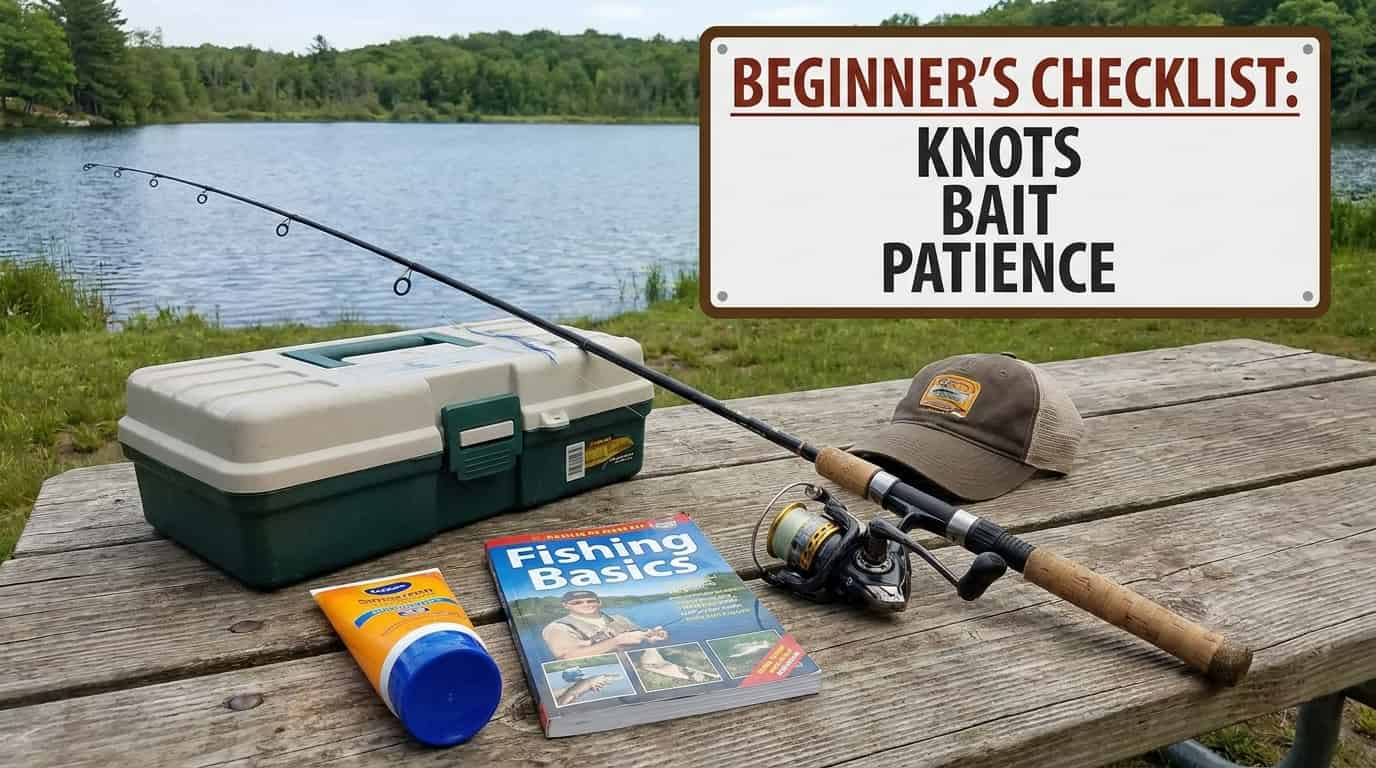
A successful fishing trip begins with good planning. For beginners, it’s easy to forget something important—like hooks, snacks, or even your license. The result? Missed fish and a less enjoyable day. A clear fishing trip checklist makes all the difference. It keeps your mind on the water, not on what you left at home. In this guide, you’ll learn exactly what to bring fishing as a beginner, from gear and tackle to safety and comfort items. You’ll also find advice for trips with kids and a printable checklist call-to-action at the end. Let’s get you ready to fish with confidence.
Fishing Gear Checklist
Fishing gear is the backbone of your trip. Choosing the right equipment helps you cast easily, handle fish safely, and avoid frustration. Here’s what should be on every fishing packing list beginner:
| Item | Purpose | Beginner Tip |
|---|---|---|
| Rod and Reel | Casting and reeling fish | Choose a spinning combo for ease of use |
| Fishing Line | Connects hook to rod | Start with 6-10 lb monofilament |
| Hooks (various sizes) | Catching different fish | Pack sizes 6-10 for most freshwater fish |
| Bobbers (floats) | Keep bait off the bottom | Round plastic bobbers are easy to attach |
| Sinkers (weights) | Help bait sink | Split shot sinkers are simple for beginners |
| Pliers | Remove hooks and cut line | Needle-nose pliers offer best control |
| Tackle Box | Organize gear | Small plastic boxes fit in a backpack |
Non-obvious insight: Many beginners forget extra line. Always pack a spare spool. Snags and tangles happen more than you expect. Also, if you fish near saltwater, rinse your gear after the trip to avoid rust.
If you’re not sure what rod and reel to choose, start with a medium-light spinning rod (about 6 feet long). It works for most freshwater fish and isn’t too heavy for kids or adults. Don’t be afraid to visit a local tackle shop—staff can recommend gear that matches your local fish and water type.
Another tip: consider bringing a small net. It makes landing fish easier, especially if you’re fishing from a steep bank or dock. Nets also help prevent injury to the fish, which is important if you plan to release your catch.
Bait And Tackle Checklist
The right bait can make or break your fishing day. As a beginner, keep it simple. Here’s a checklist to help:
- Live bait: Worms (nightcrawlers) are top choices for freshwater. Buy a small container from a bait shop.
- Artificial lures: Soft plastic grubs, spinners, or small jigs work well for many fish. Bring a variety of colors.
- Bait container: A small, ventilated box keeps live bait fresh.
- Bait knife or scissors: For cutting bait or trimming line.
- Bait towel: Wiping hands after handling bait prevents slippery grips.
| Bait Type | Best For | Extra Tips |
|---|---|---|
| Nightcrawlers | Panfish, bass | Store cool and shaded |
| Soft plastics | Bass, trout | Try bright colors in cloudy water |
| Spinners | Trout, perch | Retrieve slowly for best results |
Beginner mistake: Many new anglers use too much bait. A small piece often works better than a big chunk. Also, match the hook size to your bait for better hooksets.
When choosing lures, focus on two or three types rather than filling your box with everything. For example, a small silver spinner, a pack of soft plastic worms, and a couple of jigs can cover most beginner needs. If you’re unsure what works in your area, ask at the local bait shop or look for signs near fishing spots.
Some lakes even post recommended baits on bulletin boards.
Don’t forget to bring an extra pack of hooks and sinkers. Losing tackle to snags is common, especially when learning. If you plan to fish for catfish or carp, bring corn or dough balls as simple, affordable baits.

Credit: www.amazon.com
Clothing And Personal Items
Comfort is key. The wrong clothes or missing personal items can cut a trip short. Plan ahead with these essentials:
- Weather-appropriate clothing: Dress in layers. Mornings may be chilly, afternoons warm.
- Waterproof jacket: Sudden rain showers are common near water.
- Hat and sunglasses: Protect your face and eyes from the sun and glare.
- Non-slip shoes or boots: Wet rocks and docks can be slippery.
- Sunscreen: Even cloudy days can burn your skin.
- Insect repellent: Mosquitoes love water edges.
Non-obvious insight: Cotton clothes stay wet. Choose quick-dry fabrics for shirts and pants. You’ll be more comfortable if you get splashed or rained on.
A neck gaiter or bandana can add extra sun protection for your neck and face. If you’re fishing in cooler weather, bring gloves with cut-off fingers for warmth without losing dexterity. Always check the weather before you leave—if rain is likely, pack an extra pair of socks.
Dry feet can make the difference between a fun day and a miserable one.
Don’t underestimate sunglasses. Polarized lenses help you see into the water, making it easier to spot fish and hazards. Even cheap polarized sunglasses can make a big difference for your eyes and your fishing results.
Safety Essentials
Fishing is fun, but safety comes first. A few simple items can prevent accidents and keep your trip enjoyable.
- First aid kit: Include bandages, antiseptic, tweezers, and pain relievers.
- Personal flotation device (PFD): Wear one if fishing from a boat or dock, especially if you can’t swim well.
- Emergency whistle: Signals for help if needed.
- Cell phone in a waterproof bag: For emergencies or navigation.
- Hand sanitizer: For cleaning hands after handling fish or bait.
Many beginners overlook small injuries like hooks in fingers or minor scrapes. Fast treatment keeps you fishing instead of heading home early.
| Safety Item | Why It Matters |
|---|---|
| First Aid Kit | Handles cuts, scrapes, insect bites |
| PFD | Prevents drowning in accidents |
| Whistle | Attracts attention if lost |
Pro tip: Always let someone know where you’re fishing and when you expect to return.
If you plan to fish near remote areas, consider bringing a basic map or GPS device. Phone batteries can die quickly outdoors, especially in cold weather. A small flashlight or headlamp is also useful if you stay out until dusk or start before sunrise.
Food And Comfort Items
A hungry or thirsty angler won’t fish well. Pack enough to keep your energy up and your mood positive.
- Water bottles or hydration pack: Bring more than you think you’ll need, especially in hot weather.
- Snacks: Granola bars, fruit, trail mix, or sandwiches are easy to eat on the go.
- Cooler: Keeps drinks and food cold. Also useful for storing caught fish.
- Portable chair or blanket: Sitting on rocks or damp ground gets uncomfortable fast.
- Trash bags: Leave no trace—pack out all your garbage.
Non-obvious insight: Salty snacks can make you thirstier. Choose foods with a balance of carbs and protein for lasting energy.
For longer trips, pack a small thermos with coffee or tea, especially for early mornings or cool days. If you plan to cook your catch, bring a small portable grill or camp stove, but always check local rules about open flames.
Wet wipes or a small towel make cleaning up after meals much easier.
Don’t forget to bring enough drinking water for everyone in your group. Natural water sources may look clean but can carry bacteria. Water purification tablets or a filter can be helpful for longer or remote trips.
Paperwork (license, Permits)
Fishing without the right paperwork can lead to fines or even trip-ending problems. Regulations exist to protect fish and their habitats.
- Fishing license: Most US states require a license for anyone over a certain age, even for catch-and-release.
- Special permits: Some areas need extra permits for certain fish species or parks.
- Printed or digital copies: Keep a copy in your wallet or phone.
Common mistake: Many beginners buy a license but forget to bring proof. Double-check before you leave home.
For up-to-date regulations in your area, visit the official US Fish and Wildlife Service.
If you’re traveling to another state or country, check their rules before you go. Each place may have different requirements, and some offer short-term licenses for visitors. Some fishing spots require you to sign in at a kiosk or register your trip, so read signs carefully when you arrive.

Credit: www.amazon.com
If You’re Going With Kids — Extra Items
Fishing with children is rewarding but requires extra planning. Kids have different needs and shorter attention spans. Add these to your fishing trip checklist:
- Child-size rod and reel: Lighter and easier for small hands.
- Life jacket: Essential around water, even if they can swim.
- Sunscreen and hat: Children’s skin burns quickly.
- Bug spray: Kids are often more sensitive to bites.
- Snacks and drinks: Bring favorites to prevent meltdowns.
- Wipes and hand sanitizer: Kids get dirty fast.
- Simple toys or coloring books: For breaks if the fish aren’t biting.
- Extra set of clothes: Wet or muddy kids are uncomfortable.
Expert tip: Let kids help with simple tasks—casting, netting, or baiting hooks (with supervision). It builds confidence and keeps them engaged.
You can also bring a small bucket for kids to keep their catch or observe little creatures like minnows and frogs. This gives them a fun activity even if the fish aren’t biting. Be patient and keep the trip short if it’s their first time—positive early experiences matter most.
Printable Checklist Cta + Email Opt-in
Preparation is much easier with a ready-to-go fishing packing list beginner. Download a free printable checklist to make sure you never forget an item, whether you’re fishing solo or with kids.
Want the full, customizable checklist in your inbox? Sign up below to get your Beginner Fishing Trip Preparation guide and tips, direct to your email.

Credit: hellscanyon.tours
Frequently Asked Questions
What Is The Most Important Item For A Beginner Fishing Trip?
The rod and reel are the most important. Without them, you can’t fish. Choose a basic spinning combo for easy casting and fewer tangles.
How Much Does A Beginner Fishing Setup Cost?
A basic setup—rod, reel, line, hooks, and bobber—costs $30–$70. Add bait and a license for a total of $50–$100. You don’t need expensive gear to start.
Can I Go Fishing Without A License?
In most places, no. Almost every US state requires a license. Some offer free fishing days or exemptions for children. Always check local rules before your trip.
What Should I Wear On A Fishing Trip?
Wear layered, quick-dry clothes, a hat, sunglasses, and non-slip shoes. Bring a waterproof jacket and sunscreen, even if the forecast looks good.
How Do I Keep Bait Fresh During The Trip?
Keep live bait in a ventilated container out of the sun. Bring an ice pack for worms or minnows on hot days. Artificial lures can stay in your tackle box.
A fishing trip is about more than just catching fish. The right preparation means less stress, more fun, and better memories—especially for beginners. Start with a clear checklist, double-check your gear, and you’ll be ready for a safe, comfortable, and successful day by the water.
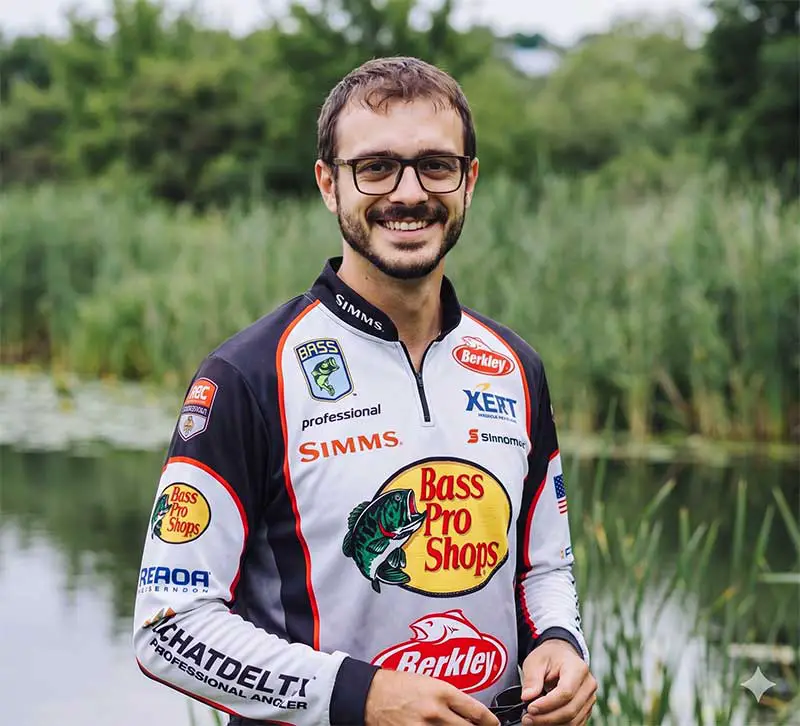
Tony L. Smith is a dedicated fishing expert with over 15 years of hands-on experience in freshwater and saltwater environments. As the founder of FishingStaff, Tony is committed to demystifying fishing gear for beginners and budget-conscious anglers who refuse to compromise on quality. Learn more about Tony & find him on Twitter. Happy reading!