A fishing trip can be a special adventure, but it’s easy to forget something important. Arriving at the water without the right gear can turn excitement into frustration. A well-made fishing trip checklist keeps you organized and helps you catch more fish — and memories — instead of wasting time searching for missing items. Whether you’re a first-timer or planning your first day out with kids, careful preparation is the key to a safe, fun, and successful outing. Let’s walk through what to bring, how to pack for beginners, and a few often-missed items that can make all the difference.
Fishing Gear Checklist
Your main fishing gear is the foundation of your fishing packing list beginner. Missing even one basic tool can cut your trip short or make it much less enjoyable.
1. Rod And Reel
Choose a medium-action rod and a matching spinning reel if you’re new to fishing. This setup works for most types of freshwater fishing. Many beginners buy combo kits that include both rod and reel. Make sure your gear is in working order before you leave home.
2. Fishing Line
Bring extra line in case of tangles or breaks. For most freshwater fishing, 6-12 lb monofilament line is a great start. Check the line on your reel — old or damaged line can cost you fish.
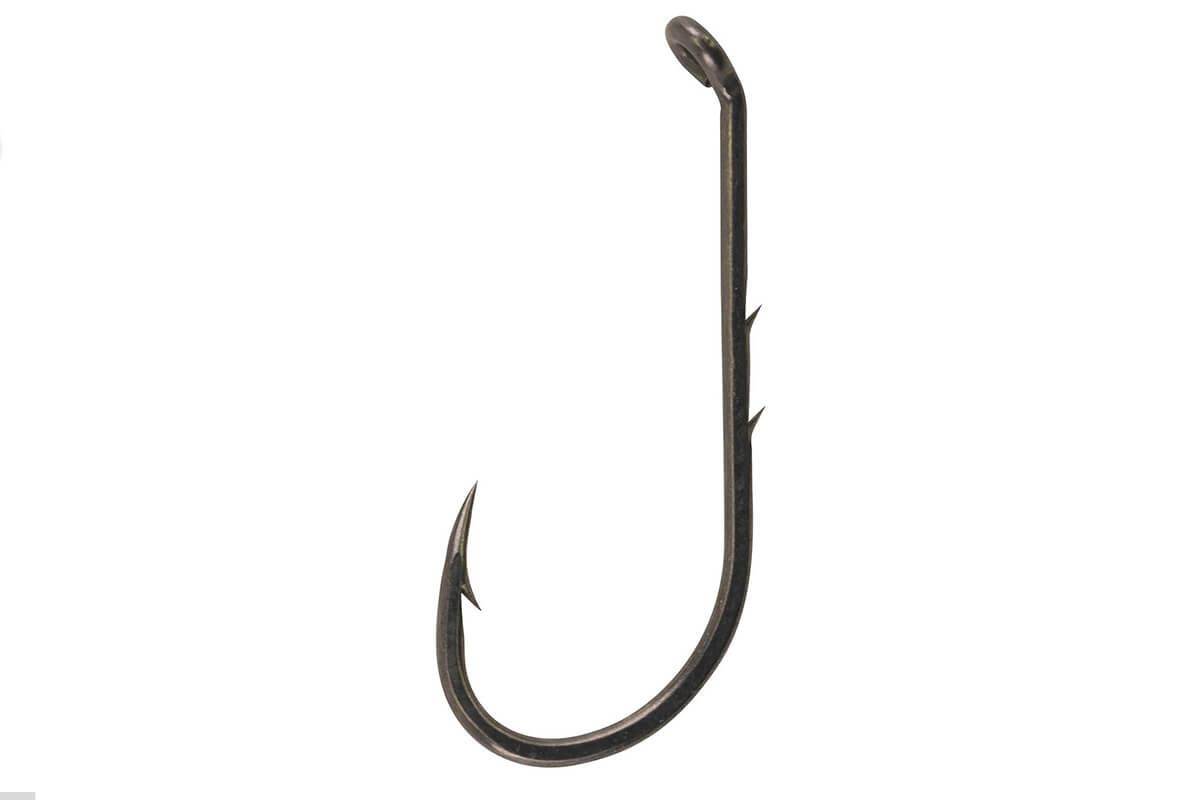
3. Hooks
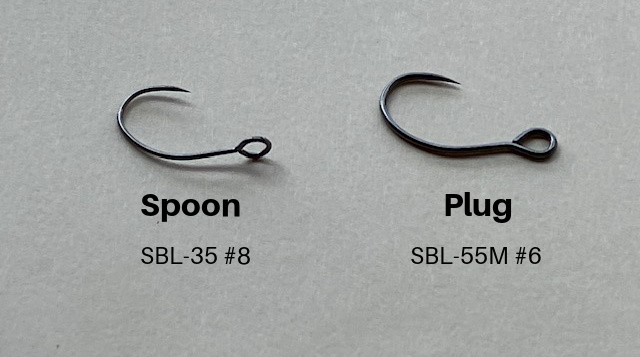
Pack a variety of sizes, like #6, #8, and #10. Smaller hooks are great for panfish; larger for bass or catfish. New anglers often forget that having different hook sizes increases your chances of success.
4. Bobber (float)
These help you see when a fish bites and keep your bait at the right depth. Small round red-and-white bobbers are easy for beginners to use.
5. Sinkers (weights)
Sinkers help your bait reach the right spot in the water. Bring several sizes, as different fishing spots require different weights.
6. Needle-nose Pliers
These are essential for removing hooks from fish and fixing tackle. They also help untangle knots or deal with sharp objects.
7. Line Cutters Or Nail Clippers
You’ll need something to cut fishing line. Special line cutters are great, but nail clippers or small scissors also work.
8. Tackle Box Or Bag
Organize your gear in a sturdy box or soft bag with compartments. This prevents losing small items and makes packing easier.
9. Fishing Net
A simple landing net helps you safely bring fish to shore. Many fish escape at the last moment without a net.
10. Stringer Or Bucket
If you plan to keep fish, bring a stringer (to keep fish alive in the water) or a bucket with water and a lid.
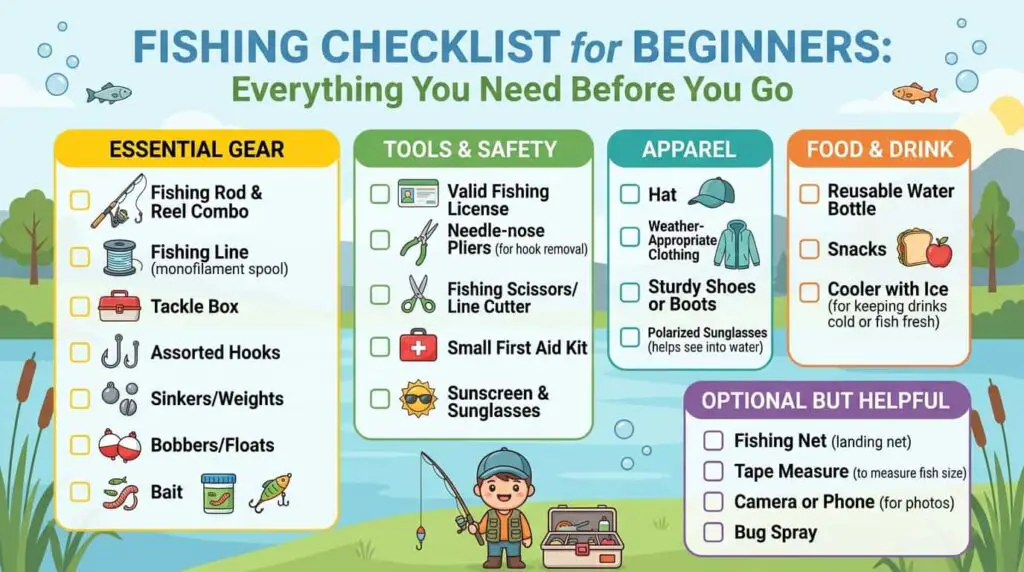
Here’s a quick look at how these items compare in terms of cost, weight, and necessity for beginners:
| Item | Average Cost (USD) | Weight | Essential for Beginners? |
|---|---|---|---|
| Rod & Reel | $40–$80 (combo) | 1–2 lbs | Yes |
| Fishing Line (extra) | $5–$10 | Few oz | Yes |
| Hooks (assortment) | $2–$5 | Few oz | Yes |
| Bobbers | $2–$4 | Few oz | Yes |
| Sinkers | $2–$5 | Few oz | Yes |
| Pliers | $8–$15 | Few oz | Yes |
| Tackle Box | $15–$30 | 1–3 lbs | Yes |
| Net | $10–$25 | 1 lb | No, but recommended |
| Stringer/Bucket | $5–$15 | 1–2 lbs | No, only if keeping fish |
Non-obvious tip: Test your rod, reel, and line at home. Rig your hook and bobber, then practice casting in the yard. This prevents surprises at the water.
Bait And Tackle Checklist
Your bait is what attracts fish, and tackle helps you present it in the best way. Many new anglers overlook this part of beginner fishing trip preparation.
1. Live Bait
Nightcrawlers, worms, or minnows are easy to use and work for many species. Buy bait the day before your trip and keep it cool.
2. Artificial Lures
Bring a small selection: spinners, soft plastics, and small crankbaits. Lures last longer than live bait and can be more fun to use.
3. Bait Container
A small container or bait box keeps live bait fresh and easy to reach.
4. Baiting Needle Or Forceps
Handy for rigging bait, especially for worms or minnows.
5. Extra Hooks And Weights
You’ll lose some tackle, so always pack spares.
If you’re unsure which bait to use, ask a local tackle shop or check online fishing forums. Sometimes, simple bread or corn can catch fish when nothing else works.
Non-obvious tip: Store artificial lures in ziplock bags to stop them from tangling or spilling in your tackle box.
Credit: www.floridasportsman.com
Clothing And Personal Items
Weather can change fast near water. Proper clothing helps keep you comfortable and safe.
1. Hat With Brim
Protects you from sun and glare.
2. Polarized Sunglasses
These cut water glare so you can see fish and protect your eyes from hooks.
3. Layered Clothing
Wear a light shirt and bring a windbreaker or rain jacket. Even in summer, mornings by the water can be chilly.
4. Quick-dry Pants Or Shorts
Cotton stays wet. Choose synthetic materials that dry fast.
5. Non-slip Shoes Or Boots
Wet rocks and docks can be slippery. Good shoes prevent falls.
6. Change Of Clothes
Getting wet is almost a guarantee, especially for beginners. Pack a spare shirt, socks, and underwear.
7. Small Towel Or Cloth
Useful for drying hands or cleaning up.
Here’s how clothing choices compare for comfort and safety:
| Clothing Item | Protects From | Comfort Level | Recommended? |
|---|---|---|---|
| Hat with Brim | Sun | High | Yes |
| Polarized Sunglasses | Glare, Hooks | High | Yes |
| Rain Jacket | Rain, Wind | Medium | Yes |
| Quick-Dry Pants | Water | High | Yes |
| Non-slip Shoes | Slips | High | Yes |
| Change of Clothes | Getting Wet | High | Yes |
Practical tip: Avoid jeans. They get heavy and cold when wet.
Safety Essentials
Even a simple fishing trip has risks. Safety gear is often forgotten but can prevent small problems from becoming big ones.
1. First Aid Kit
Include bandages, antiseptic wipes, tweezers, and pain relievers. Hook injuries and slips are common.
2. Sunscreen
Water reflects sunlight, making sunburns worse. Bring SPF 30 or higher and reapply every 2 hours.
3. Insect Repellent
Mosquitoes and ticks are common near water. Use repellent with DEET or natural oils.
4. Personal Flotation Device (pfd)
If you’re fishing from a boat or dock, wear a life jacket, especially for kids.
5. Emergency Whistle
Can signal for help if you get lost or hurt.
6. Small Flashlight Or Headlamp
If you fish early or late, light helps you see and avoid accidents.
Less obvious advice: Even for shore fishing, a PFD is smart for kids and non-swimmers. Many accidents happen just a few feet from shore.

Credit: gamakatsu.com
Food And Comfort Items
Hunger, thirst, or discomfort can ruin a trip faster than bad weather. Pack simple food and drinks in a small cooler or insulated bag.
1. Water Bottles Or Hydration Pack
Bring more than you think you’ll need. Fishing in the sun dehydrates quickly.
2. Snacks
Granola bars, trail mix, or fruit are easy to eat with one hand.
3. Lunch
Sandwiches or wraps are mess-free and filling.
4. Folding Chair Or Stool
Standing all day is tiring. A small chair adds comfort.
5. Umbrella Or Sunshade
If shade is limited, an umbrella can make the day much more pleasant.
6. Wet Wipes Or Hand Sanitizer
Fish slime and bait can be messy. Keep hands clean for eating.
Non-obvious tip: Freeze a bottle of water the night before and use it as an ice pack. It keeps food cold, then you can drink it as it melts.
Paperwork (license, Permits)
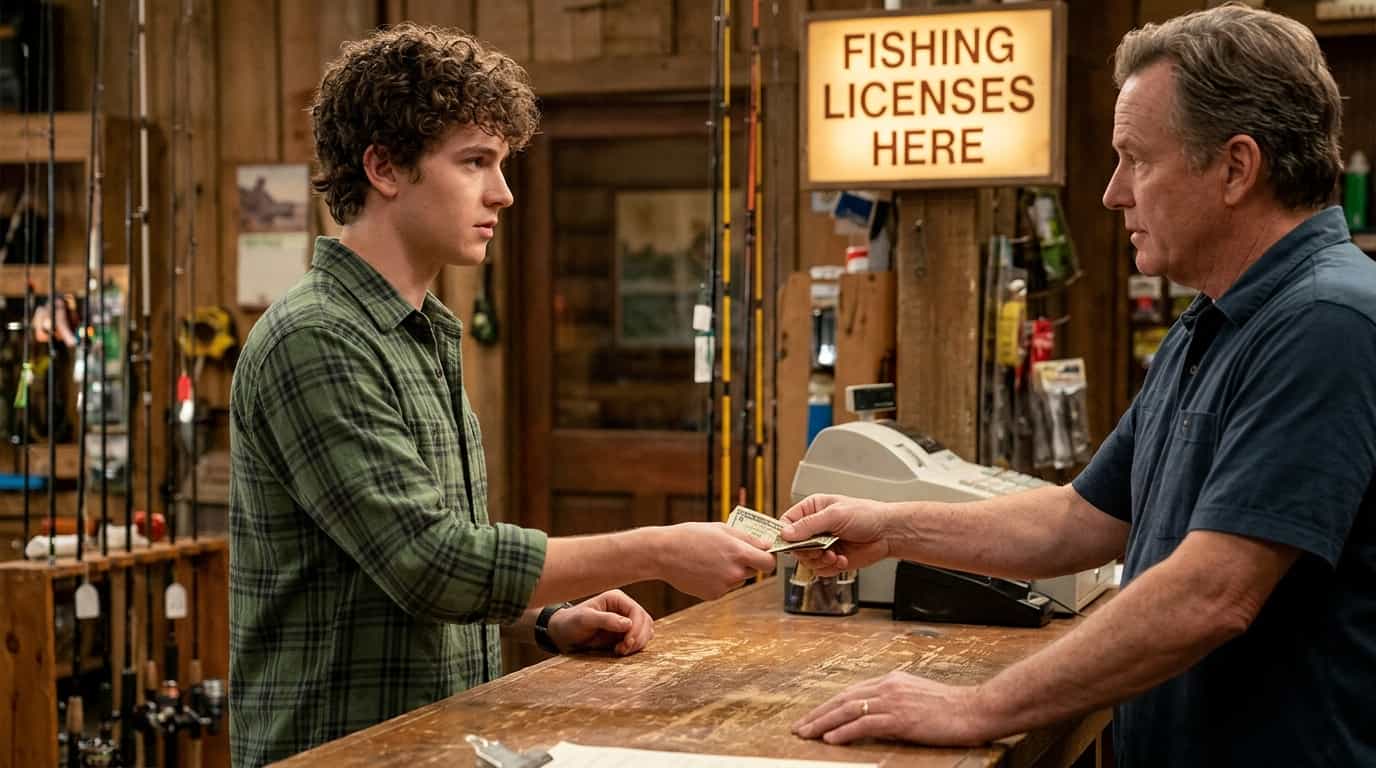
In most places, you need a fishing license to fish legally. Check your local rules before you go.
1. Fishing License
Many states let you buy a day pass online or at tackle shops. Keep a digital or printed copy with you.
2. Special Permits
Some waters require extra permits, like for trout or special lakes.
3. Map Or Access Pass
If you’re fishing in a park or private area, you may need a parking permit or map.
Here’s a quick comparison of fishing license types and their usual rules:
| License Type | Who Needs It? | Where to Get | Average Cost (USD) |
|---|---|---|---|
| Day Pass | Anyone | Online, Tackle Shop | $10–$15 |
| Annual License | Residents, Non-residents | Online, Tackle Shop | $25–$60 |
| Special Permit | For certain fish/species | Online, Park Office | $5–$20 |
Mistake to avoid: Fishing without a license can mean big fines and lost gear. Always check before your trip. For more info, see the U.S. Fish and Wildlife Service.
If You’re Going With Kids — Extra Items
Fishing with children adds fun, but also extra needs. Kids get bored, hungry, or cold quickly.
1. Child-sized Rod And Reel
Lighter and shorter rods are easier for kids to handle.
2. Life Jacket
Non-negotiable for any child near water.
3. Extra Snacks And Drinks
Bring more than you think you’ll need.
4. Sunscreen And Bug Spray
Kids’ skin burns faster. Use kid-safe products.
5. Small Toys Or Activities
Coloring books, cards, or a ball for breaks.
6. Towel And Change Of Clothes
Kids will get wet and dirty.
7. Wipes And Hand Sanitizer
Keeps hands clean for snack time.
Less obvious suggestion: Let kids help pack their gear. They’ll be more excited and learn responsibility.
Download Your Printable Fishing Trip Checklist
Don’t want to forget anything? Get a ready-to-print fishing trip checklist sent straight to your inbox! Sign up below and you’ll always have the perfect what to bring fishing beginners list handy — no more missed items or last-minute stress.
[Download Your Free Fishing Trip Checklist & Subscribe for More Tips!]
Credit: www.finesse-fishing.com
Frequently Asked Questions
What Is The Most Important Item On A Fishing Trip Checklist?
The rod and reel are the most essential. Without them, you can’t fish. But don’t forget a fishing license — it’s required in most places.
What Bait Should Beginners Use?
Worms or nightcrawlers are best for beginners. They are easy to handle and attract many types of fish. Artificial lures also work but may need more practice.
How Do I Keep My Fishing Trip Safe For Kids?
Always use life jackets for kids near water, pack a first aid kit, and apply sunscreen and bug spray often. Stay within sight and teach kids about water safety before the trip.
What Should I Do If I Forget My Fishing License?
If you forget your license, don’t fish until you buy one. Many states allow online purchase even from your phone. It’s better to wait than risk a fine.
How Can I Avoid Sunburn Or Insect Bites While Fishing?
Wear a hat, long sleeves, and polarized sunglasses. Apply sunscreen and use insect repellent with DEET or natural oils. Reapply both every few hours for best protection.
A complete fishing trip checklist makes your trip smoother and more enjoyable. With the right gear, safety items, and preparation, you’ll be ready for anything — from surprise rain to hungry fish or happy kids. Pack smart, check your list twice, and you’ll build fishing memories that last a lifetime.
Tony L. Smith is a dedicated fishing expert with over 15 years of hands-on experience in freshwater and saltwater environments. As the founder of FishingStaff, Tony is committed to demystifying fishing gear for beginners and budget-conscious anglers who refuse to compromise on quality. Learn more about Tony & find him on Twitter. Happy reading!