Fishing is one of the world’s most relaxing and rewarding hobbies. If you’re new to angling, it can look complicated, but you only need to master two or three basic fishing techniques to start catching fish regularly. In this guide, you’ll learn the how to fish basics—clear, simple methods that work in lakes, ponds, rivers, and even saltwater. By the end, you’ll know which technique is best for you, how to match it to your fishing spot, and how to avoid common mistakes that many beginners make.
Technique 1 — Bobber (float) Fishing: Easiest And Most Visual
Bobber fishing—also called float fishing—is one of the top fishing techniques for beginners. It’s simple, easy to set up, and lets you see when a fish bites. Here’s how it works:
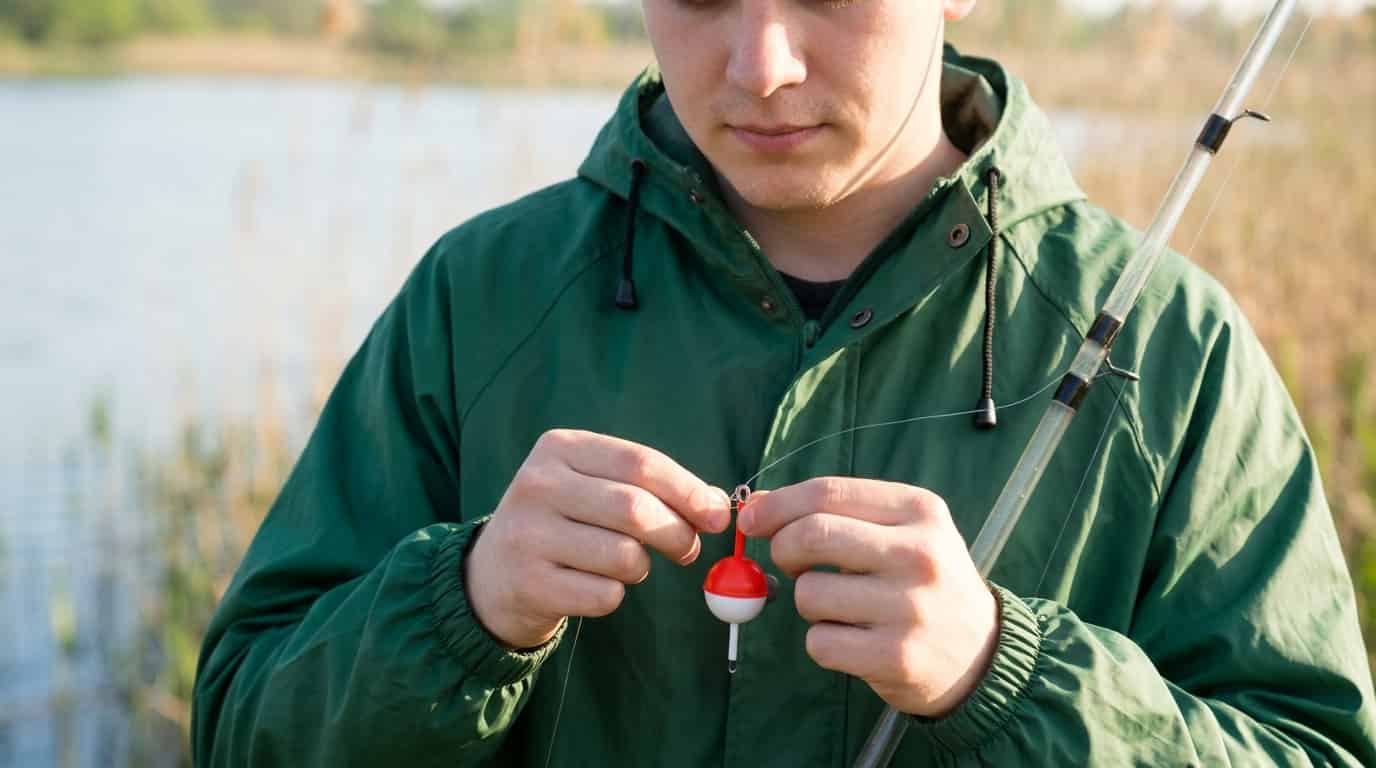
You attach a small floating bobber (often a red-and-white plastic ball) to your fishing line above a hook. Add a weight (called a split shot) below the bobber so your bait sinks. When a fish bites, the bobber moves, dips, or disappears under the water.
This visual signal makes it easy for anyone to react, even if you’re new to fishing.
Step-by-step setup:
- Tie a hook to the end of your line.
- Clip a bobber about 1 to 3 feet above the hook.
- Add a small split shot weight 6–12 inches above the hook.
- Bait the hook with a worm or artificial bait.
- Cast your line and watch the bobber.
Bobber fishing is ideal for panfish like bluegill, sunfish, and perch. It also works for trout and bass in shallow water. The key is adjusting the depth of your bait (by moving the bobber) to where fish are feeding.
Practical tip: Watch for wind. A light breeze can move your bobber and help cover more water, but strong wind may tangle your line or make the bobber hard to see.
Technique 2 — Bottom Fishing: Set It And Wait
Bottom fishing is perfect if you like a relaxed approach. You cast your baited hook to the bottom of a lake or river and wait for fish to find it. This is especially good for catfish, carp, and other bottom-feeding fish.
How it works:
- Attach a heavier sinker (weight) above your hook so the bait stays on the bottom.
- After casting, keep the line tight and watch or feel for bites.
- Use a rod holder or place your rod securely on the ground.
Common mistakes: Beginners often use too little weight, so the bait drifts away, or too much, which can spook fish. Start with a 1/2 to 1-ounce sinker and adjust based on water depth and current.
Example: In many US lakes, anglers catch catfish with this method using chicken liver or nightcrawlers as bait.
Non-obvious insight: If you’re fishing in a rocky area, use a “slip sinker” rig. The line slides through the sinker, so fish don’t feel resistance when they bite—leading to more hookups.
Credit: zorgenondersteuning.com
Technique 3 — Casting And Retrieving Lures
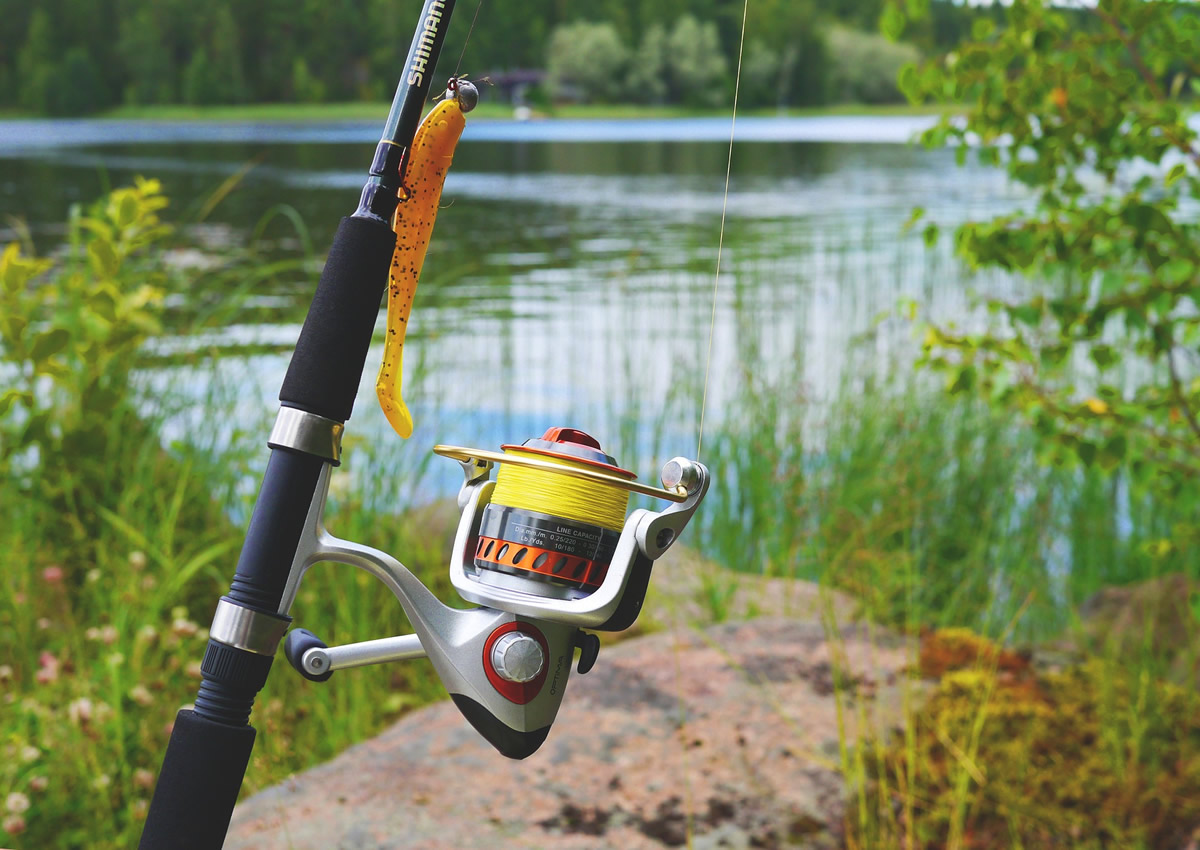
Casting and retrieving is a dynamic way to fish and helps you cover more water. Instead of waiting for fish to come to you, you cast an artificial lure and reel it back in, making it look like a swimming baitfish.
How to do it:
- Attach a lure (spinner, spoon, or soft plastic) to your line.
- Cast out, let the lure sink a bit, and then retrieve it steadily.
- Vary your speed and add pauses or twitches to make the lure move naturally.
This technique catches bass, pike, trout, and even saltwater species. It’s also a great way to stay active while fishing.
Table: Popular Lures for Casting and Retrieving
| Lure Type | Target Fish | Best Water Conditions |
|---|---|---|
| Spinnerbait | Bass, Pike | Muddy or stained water |
| Spoon | Trout, Salmon | Clear water, deep pools |
| Soft Plastic | Bass, Panfish | Weedy or rocky areas |
Non-obvious insight: Changing the speed of your retrieve or pausing the lure can trigger bites from fish that are following but not yet committed.
Technique 4 — Drift Fishing In Rivers
Drift fishing is a classic river technique. Instead of keeping your bait still, you let it move naturally with the current, covering more water and presenting the bait in a lifelike way.
How it’s done:
- Cast upstream or across the current.
- Let your bait drift downstream with the flow, keeping the line just tight enough to feel bites.
- Use enough weight to keep the bait near the bottom but not stuck.
This method works well for trout, salmon, and walleye. It’s also effective for fishing from a boat or shore.
Tips for success:
- Watch your line closely for subtle twitches.
- Stay alert: Bites can be gentle, and you may only feel a small tap.
Example: Many anglers on the famous Salmon River in New York use drift fishing with salmon eggs or artificial worms to catch big fish.
Technique 5 — Jigging
Jigging is an active technique where you repeatedly lift and drop a weighted lure (called a jig) to attract fish. The motion mimics an injured baitfish, which triggers a predator’s instinct to strike.
How to jig:
- Cast your jig and let it sink to the desired depth.
- Quickly lift your rod tip to make the jig jump up, then let it fall again.
- Repeat this motion as you retrieve the lure or keep it vertical below your boat.
Jigging works in both freshwater and saltwater and is especially good for walleye, bass, perch, and even ice fishing.
Table: Jig Types and Target Fish
| Jig Type | Best For | Depth Range |
|---|---|---|
| Lead-head Jig | Bass, Walleye | 5–30 feet |
| Tube Jig | Panfish, Smallmouth Bass | Shallow to mid-depth |
| Vertical Jig | Ice Fishing, Deep Water | 20–100+ feet |
Common mistake: Many beginners jig too fast or too slow. Try different speeds until you find what works—often a slow, gentle lift gets more bites.
Technique 6 — Still Fishing With A Rod Holder
Still fishing means placing your baited line in the water and letting it sit while you wait for a fish to bite. Using a rod holder allows you to relax or even fish with multiple rods (where legal).
How to do it:
- Bait your hook and cast it to a promising spot.
- Place your rod in a holder or secure it on the bank.
- Watch the rod tip for movement, which signals a bite.
Still fishing is popular for carp, catfish, and sometimes trout. It’s a low-effort method, perfect for family outings or relaxing afternoons.
Practical tip: Use a bell or electronic bite alarm for added convenience—you’ll hear a sound when a fish bites, even if you’re not watching.
Non-obvious insight: In busy lakes, try fishing at dawn or dusk when fish are most active and fewer people are around.

Credit: medicinasaopaulo.com
Which Technique Should You Start With?
Choosing the right method depends on your goals, location, and personality. Here’s a quick comparison to help you decide:
| Technique | Best For | Skill Level | Action |
|---|---|---|---|
| Bobber Fishing | Kids, beginners, shallow water | Very easy | Visual, relaxed |
| Bottom Fishing | Catfish, carp, deep water | Easy | Set and wait |
| Casting & Retrieving | Bass, active fish | Moderate | Active, covers water |
| Drift Fishing | Rivers, trout, salmon | Moderate | Some skill needed |
| Jigging | Walleye, deep fish | Moderate | Very active |
| Still Fishing | Relaxation, large fish | Very easy | Set and forget |
For most beginners, bobber fishing is the fastest way to learn fishing techniques and get your first catch. It’s simple, affordable, and teaches you important skills like watching for bites and setting the hook.
If you want a more active style, try casting and retrieving. For a relaxing day, bottom fishing or still fishing is best.
Matching Technique To Location
Not every fishing technique works everywhere. Here’s how to match your method to your spot for better results:
- Lakes and Ponds: Bobber fishing, bottom fishing, still fishing, and casting/retrieving are all effective.
- Rivers and Streams: Drift fishing and jigging are often best because fish face upstream and wait for food to drift by.
- Shore vs. Boat: Bobber and bottom fishing work from shore, while trolling basics (pulling lures behind a moving boat) and vertical jigging are great from a boat.
- Depth Matters: Use bobber fishing in shallow areas (2–8 feet), bottom fishing for deep holes, and jigging for fish holding near the bottom.
Practical example: In a small pond, start with bobber fishing. In a large river, try drift fishing or jigging near deeper pools.
Hidden insight: Pay attention to local advice. Some spots have special rules or seasonal changes that affect which technique works best. Always check local fishing regulations before you go.
If you want to explore more about fishing locations and laws, visit the U.S. Coast Guard Boating site for official information.

Credit: www.dalenematthee.co.za
Frequently Asked Questions
What Is The Easiest Fishing Technique For Beginners?
The easiest technique for most beginners is bobber (float) fishing. It’s simple to set up and lets you see when a fish bites, making it perfect for learning the basics.
How Do I Know Which Fishing Technique To Use?
Choose your technique based on where you are fishing and what fish you want to catch. For lakes, start with bobber or bottom fishing. For rivers, try drift fishing. If you want to be active, try casting and retrieving lures.
What Bait Works Best For These Basic Techniques?
Live bait like worms or minnows works well for most methods. Artificial lures are great for casting and jigging. Match your bait to the fish you want: worms for panfish, cut bait for catfish, and small minnows for trout or bass.
How Long Should I Wait Before Trying A New Spot?
If you don’t get a bite in 20–30 minutes, move to a new spot or try a different depth. Fish often gather in certain areas, so changing location can improve your chances.
What Equipment Do I Need To Start Fishing?
All you need is a basic rod and reel, fishing line (6–10 lb test for most beginners), hooks, small weights, bobbers, and bait. Many stores sell beginner kits with everything included.
Fishing is easy to start and can become a lifelong hobby. Remember, the best way to learn fishing techniques is to get outside and practice. Don’t be afraid to ask local anglers for advice—they often share tips you won’t find online or in books.
With these beginner angling techniques, you’re ready for your first fishing trip. Choose one or two methods, keep things simple, and enjoy your time by the water. The thrill of your first catch is just a cast away!
Tony L. Smith is a dedicated fishing expert with over 15 years of hands-on experience in freshwater and saltwater environments. As the founder of FishingStaff, Tony is committed to demystifying fishing gear for beginners and budget-conscious anglers who refuse to compromise on quality. Learn more about Tony & find him on Twitter. Happy reading!