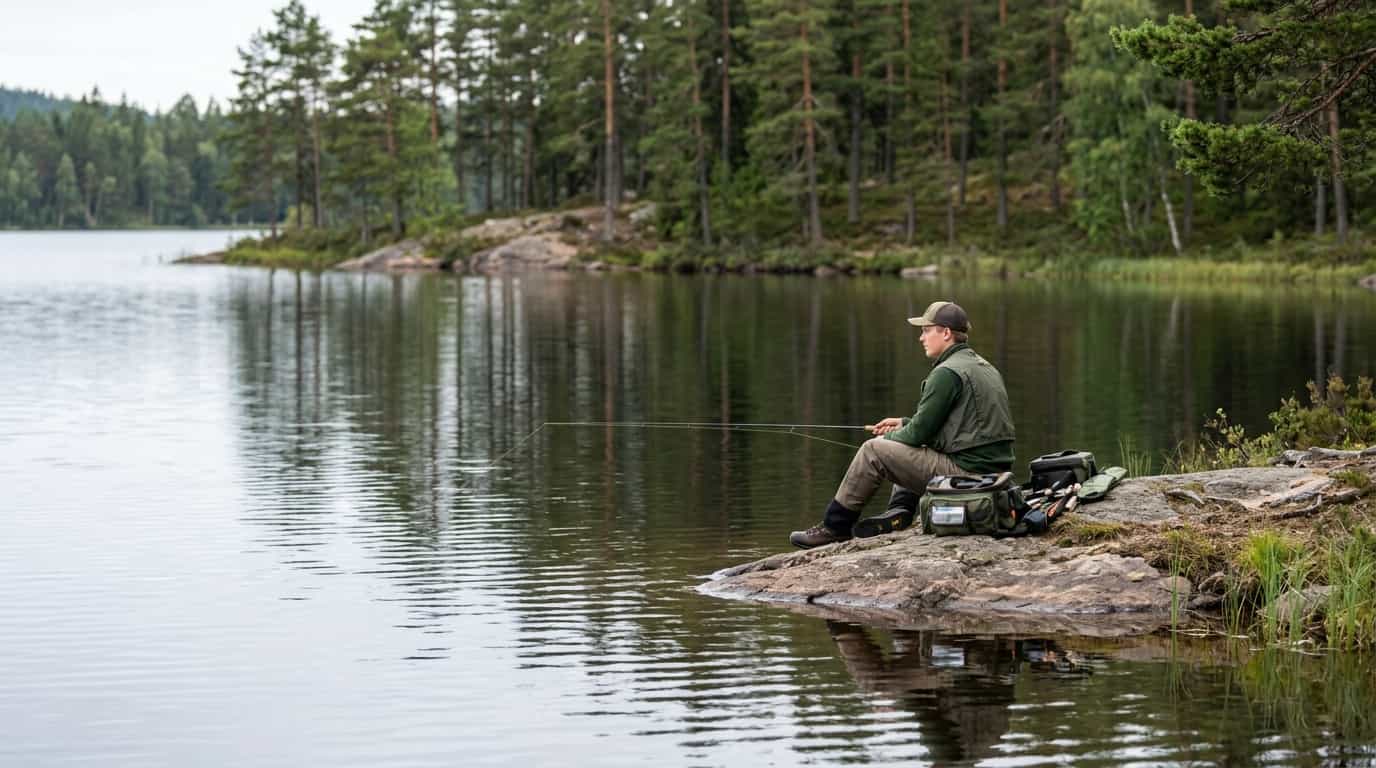
Fishing is more than just catching fish. It’s about respecting nature, other anglers, and the rules that keep the experience enjoyable for everyone. When people ignore fishing etiquette, problems follow: lines tangle, tempers rise, wildlife suffers, and sometimes, fishing spots even close to the public. Whether you fish from the shore, a pier, or a boat, knowing the basics of angling etiquette is as important as learning to cast. If you’re new to fishing, these guidelines will help you avoid mistakes, make friends, and enjoy your time outdoors.
At The Fishing Spot — Space And Courtesy Rules
Arriving at a popular fishing spot can feel overwhelming, especially during busy weekends. One of the most important fishing courtesy rules is to respect other people’s space.
- Maintain crowd spacing: Leave plenty of room between you and other anglers. As a rule, try to keep at least 10–15 feet (3–5 meters) between you and the next person. In crowded areas, watch how others are spaced and follow their lead.
- Observe casting distance: Never cast over someone else’s line or fish directly in front of them. Wait for a clear area before casting. If you’re unsure about your casting range, practice away from crowds.
- Right of way: If someone is already fishing in a spot, don’t squeeze in without asking. It’s polite to say hello and check if it’s okay to fish nearby.
- Noise level: Keep voices low and avoid loud music. Fish can be easily spooked, and so can other anglers.
- Respect private property: Only fish where you have permission. Never cross fences or posted signs to reach a fishing spot.
Here’s a quick comparison of crowd spacing on different waters:
| Fishing Location | Recommended Spacing |
|---|---|
| Pier/Jetty | 6–10 feet |
| Riverbank | 10–20 feet |
| Open Lake Shore | 15–30 feet |
A common mistake beginners make is not watching their backcast, accidentally hooking people or objects behind them. Always check your surroundings before you cast.
On The Water — Boat And Shore Etiquette
Fishing from a boat or kayak adds new challenges. The water is shared, so fishing rules etiquette helps everyone have a better day.
- Boating right of way: Boats moving through narrow channels or past anchored anglers should slow down and pass at a safe distance. Never cut between a person and the shore if they are casting.
- Anchoring: If you plan to stop and fish, anchor far enough from others so your lines won’t cross. If someone is drifting with the current, don’t anchor directly in their path.
- Shoreline courtesy: If you’re fishing from the shore, avoid blocking boat ramps and docks. Give boaters room to launch and land without stepping into their way.
- Sharing hot spots: If you see a group catching a lot of fish, don’t crowd them. Wait your turn, or ask politely if there’s space for one more.
- Helping others: If you see someone struggling with a fish or in trouble, offer help. On the water, a little kindness goes a long way.
Boaters sometimes forget that their engine noise can disturb both fish and people. Use a trolling motor or paddle quietly near fishing spots.
Here’s a look at boating etiquette compared to shore fishing:
| Scenario | Etiquette Tip |
|---|---|
| Passing another boat | Slow down, pass wide, avoid wake |
| Approaching shore anglers | Keep distance, reduce noise |
| Entering a crowded cove | Wait turn, don’t cut lines |
Catch And Release Etiquette
Catch and release is popular, but there’s a right and wrong way to do it. Done wrong, released fish may not survive.
- Handle fish gently: Wet your hands before touching a fish. This protects their slime coat, which is vital for health.
- Use proper gear: Barbless hooks make release easier and less harmful. Use pliers to remove hooks quickly.
- Minimize air exposure: Keep the fish in the water as much as possible. Try not to let it out for more than 10–15 seconds.
- Photographs: If you want a photo, have your camera ready before you lift the fish.
- Revive the fish: Hold the fish in the water, facing into the current, until it swims away on its own.
Anglers often make the mistake of squeezing fish too tightly or dropping them on rocks. These accidents can injure fish, even if they swim away at first.
Keeping Fish — Responsible Harvest Rules
If you decide to keep your catch, follow these fishing manners to ensure a healthy fishery for the future.
- Know the rules: Check local regulations for size limits, bag limits, and open seasons. Ignorance is not an excuse for breaking the law.
- Selective harvest: Only keep what you can use. Release smaller or breeding-size fish so the population stays strong.
- Humane dispatch: Kill fish quickly and cleanly if you plan to keep them. Do not let them suffocate in the sun.
- Storage: Keep your catch cool and clean. Use a cooler with ice, especially in warm weather.
- Respect for others: Don’t show off your catch in a way that bothers people who prefer catch and release.
Compare the two approaches:
| Practice | Main Goal |
|---|---|
| Catch and release | Protect fish populations |
| Responsible harvest | Enjoy eating fish, follow limits |
A surprising fact: Studies show that even small changes in handling can double a fish’s chance of survival after release.

Credit: hellscanyon.tours
Environmental Etiquette (litter, Line Disposal)
Fishing line disposal and trash management are often overlooked, but they’re key parts of fishing rules etiquette.
- Pack out all litter: Bring a bag for your trash, and pick up any you find, even if it’s not yours.
- Dispose of line properly: Old fishing line can strangle birds or get tangled in propellers. Use special recycling bins or take it home for safe disposal.
- Avoid chemical spills: Don’t dump bait, fuel, or cleaning products in the water.
- Leave no trace: Fill any holes you dig, and leave the area better than you found it.
Discarded line is one of the top causes of wildlife injury near fishing spots. Birds, turtles, and fish can all get tangled, sometimes fatally.
For more environmental tips and the science behind them, check resources from the U.S. Fish & Wildlife Service.
Etiquette Around Children And Beginners
Fishing is a great way to connect across generations, but it’s important to show extra patience with those who are new.
- Share your knowledge: Teach kids and beginners about how to behave fishing, not just how to catch fish.
- Give them space: Let them try casting and reeling, even if they make mistakes.
- Model good behavior: Kids copy what they see. Show respect for the environment and other anglers.
- Encourage safety: Make sure children wear life jackets near water and know basic safety rules.
- Celebrate small wins: Every catch is special for a beginner. Help them enjoy the process, not just the result.
Many experienced anglers forget how confusing fishing can be at first. A simple word of encouragement can make someone’s day—and inspire a lifelong hobby.

Credit: www.g3boats.com
Online Fishing Community Etiquette
Today, much of the fishing community lives online. Following fishing rules etiquette on social media, forums, and apps is just as important as on the water.
- Share responsibly: Don’t give away exact locations of sensitive spots. Overexposure can lead to overfishing.
- Respect privacy: Ask permission before posting photos of others or their catch.
- Be helpful, not harsh: Beginners often post basic questions. Answer kindly and avoid sarcasm.
- Report bad behavior: If you see offensive or illegal activity, report it to moderators or site admins.
- Protect the resource: Avoid promoting harmful practices or illegal fishing.
A common mistake is “spot burning”—sharing too much detail about a productive place, which can cause crowding or damage. Instead, talk about techniques, not coordinates.
Frequently Asked Questions
What Should I Do If Someone Is Fishing Too Close To Me?
Stay calm and polite. Often, a friendly reminder about crowd spacing is enough. If the person doesn’t move, consider relocating if possible. Aggressive confrontations rarely help.
How Can I Practice Good Catch And Release Etiquette?
Use barbless hooks, wet your hands before handling fish, and minimize the time the fish is out of the water. Revive the fish gently before release. These steps boost survival rates.
Is It Okay To Fish On Private Property If No One Is Around?
No. Always get permission before fishing on private land. Respect private property signs, even if you don’t see anyone. Trespassing can lead to fines or loss of fishing access.
What Should I Do If I See Someone Littering Or Leaving Fishing Line Behind?
If it’s safe, politely remind them about fishing manners and the importance of keeping the area clean. If not, pick up the litter yourself and report repeat offenses to local authorities.
How Can I Get Involved With The Online Fishing Community Safely?
Join reputable forums, follow guidelines, and interact respectfully. Never share personal or sensitive information. Engage positively, and help others learn about fishing rules etiquette.
Fishing is most rewarding when you respect the water, the fish, and your fellow anglers. Practicing good fishing etiquette helps keep the sport fun, safe, and sustainable for everyone. Whether you’re on a busy pier, in a quiet cove, or posting online, your actions set the tone for others. By following these simple rules and sharing them with newcomers, you help protect both the fishing experience and the natural world for the next generation.

Credit: www.amazon.com
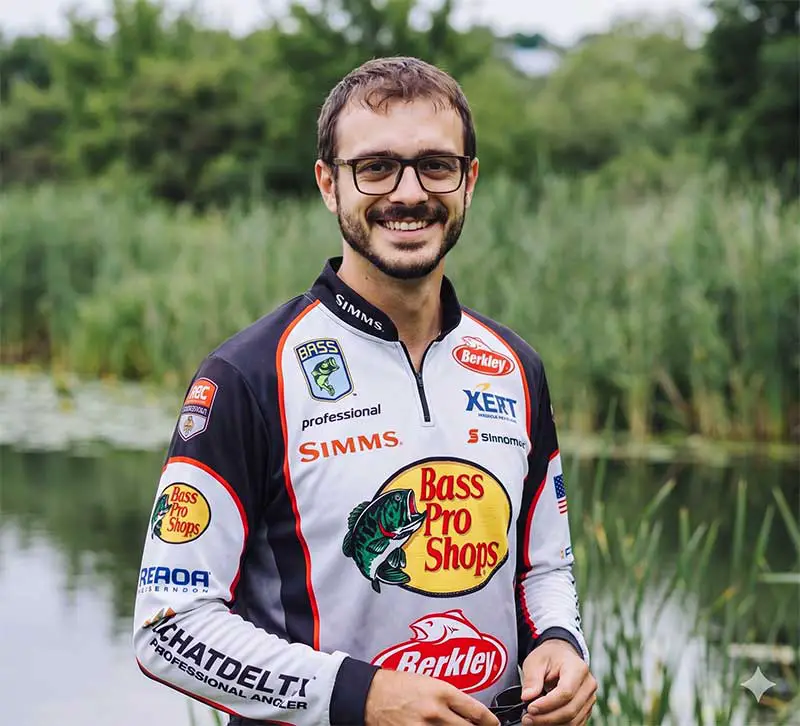
Tony L. Smith is a dedicated fishing expert with over 15 years of hands-on experience in freshwater and saltwater environments. As the founder of FishingStaff, Tony is committed to demystifying fishing gear for beginners and budget-conscious anglers who refuse to compromise on quality. Learn more about Tony & find him on Twitter. Happy reading!