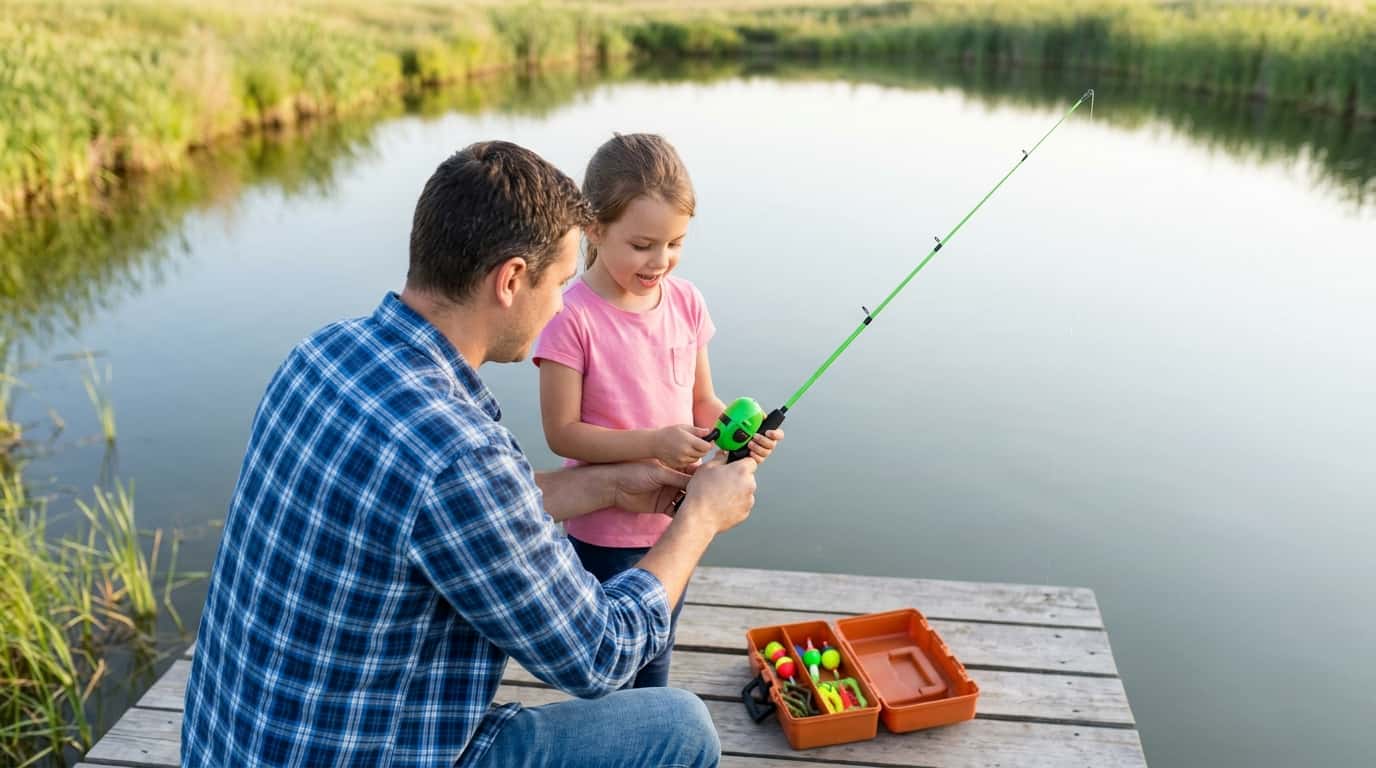
Fishing is one of those rare outdoor activities that brings families together, teaches life lessons, and creates memories that last a lifetime. For kids, fishing is more than just catching a fish—it’s about exploring nature, learning patience, and celebrating small victories.
In a world full of screens and busy schedules, a day at the water’s edge gives children a chance to slow down, feel the sun, and experience the thrill of a tug on their line. This kids fishing guide will help you start your journey, from picking the right gear to choosing the best places for a first fishing trip with kids.
Whether you are a parent, grandparent, or mentor, this guide will make children fishing for beginners simple, safe, and fun.
Best Age To Start Kids Fishing
Many parents wonder when is the best time to introduce their child to fishing. There’s no perfect age, but most experts agree that ages 4 to 6 are ideal for a child’s first fishing experience. At this age, kids have enough coordination to hold a fishing rod, follow simple instructions, and enjoy short periods of focus. Some families start as early as three, using a simple cane pole and lots of hands-on help.
Younger kids (ages 2-3) may enjoy playing with a toy rod or “fishing” with a stick, but real fishing trips often require more patience than toddlers can handle. Once a child is around 5, they start understanding rules, safety, and the excitement of catching their first fish.
The key is to keep early trips short—30 to 60 minutes is plenty for little ones. As children grow older and develop more patience, you can extend outings and try different fishing techniques.
One non-obvious tip: involve your child in planning. Let them help choose the fishing spot or pick out their own kids fishing rod. This makes the experience feel special and builds excitement before you even leave home.
Best Fish To Target With Kids
Choosing the right fish can make or break a child’s first fishing trip. For kids, you want fish that are easy to catch, don’t require fancy gear, and are found in local waters. Here are three top choices:
Bluegill — Perfect For Children
Bluegill are small, colorful panfish that live in ponds, lakes, and slow-moving rivers. They’re famous for biting eagerly on worms or small lures, making them perfect for beginners. Bluegill usually hang out near the shore, so kids don’t need to cast far to catch one. Their size is ideal—big enough to put up a fight, but not so large they scare young anglers.
A hidden benefit: bluegill are usually found in groups. If you catch one, chances are there are more nearby, leading to lots of action and excitement. For most children, catching their first bluegill is a moment they never forget.
Catfish — Easy And Exciting
Catfish are another great option, especially for older kids or those with a bit more patience. They’re found in ponds, lakes, and rivers, and they often bite well in the evening. Catfish are less picky about bait—you can use worms, hot dogs, or special catfish dough.
The excitement comes when a catfish takes the bait. Even smaller catfish pull hard and give kids a real sense of accomplishment. Just remind kids to be careful around catfish spines, which can be sharp. Most catfish are released after catching, but some families enjoy a fresh fish fry at home.
Stocked Trout
Many states stock trout in local ponds and lakes, especially during spring and fall. These fish are raised in hatcheries and released for people to catch. Stocked trout are a fun target for kids because they often bite on simple baits like corn, worms, or small spinners.
One non-obvious tip: visit on “free fishing days” when no license is required. These days are perfect for beginners and families. Check your state wildlife website for dates and locations, as these events are popular and often include special activities for children.
Best Kids Fishing Rods And Gear
Picking the right gear makes kids’ fishing easier and more enjoyable. Kids fishing rods are designed to be lighter, shorter, and easier to use than adult models. For most children under age 8, a spincast rod and reel combo (sometimes called a “push-button” reel) is the best choice. These setups are simple to cast, rarely tangle, and fit small hands.
Here’s a quick comparison of common fishing gear for kids:
| Rod Type | Best For | Pros | Cons |
|---|---|---|---|
| Spincast Combo | Most kids ages 4–10 | Easy to use, fewer tangles | Limited casting distance |
| Cane Pole | Young children, simple fishing | No reel, no tangles, classic feel | Short casting range |
| Spinning Combo | Older kids (8+) | Versatile, casts farther | More complex, easier to tangle |
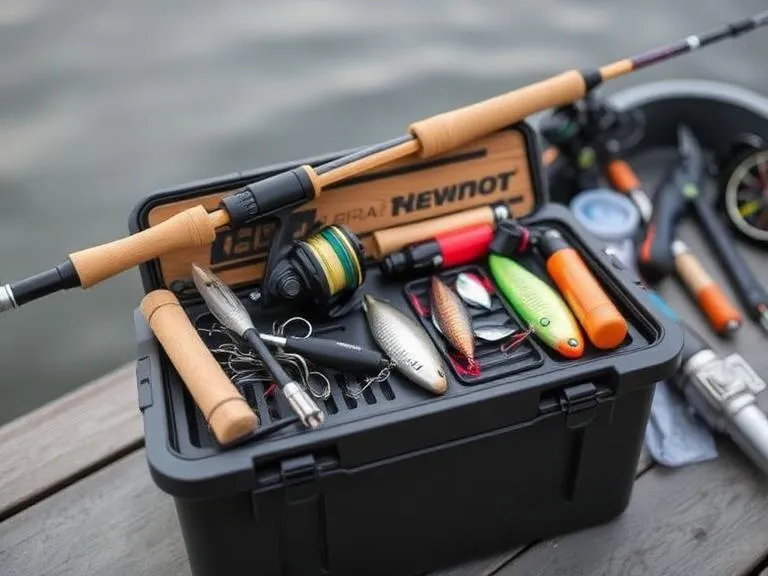
In addition to a rod and reel, you’ll need:
- Small hooks (size 8–12 for bluegill or trout)
- Bobbers (small round floats that show bites)
- Split shot sinkers (tiny weights to help the bait sink)
- Live bait like worms or crickets, or dough baits for trout
- A simple tackle box to keep everything organized
A helpful tip: avoid buying “toy” rods with cartoon characters, as they often break or tangle easily. Choose a quality kids fishing rod from a reputable brand for a much better experience.
How To Set Up A Simple Kids Fishing Rig
A fishing “rig” is the way you set up the hook, weights, and bobber on your line. For children fishing for beginners, the bobber rig is the easiest and most effective.
Here’s how to set it up:
- Tie a small hook (size 8–12) to the end of your line with a simple knot.
- About 12–18 inches above the hook, pinch a small split shot sinker onto the line.
- Attach a small bobber 1–2 feet above the hook. Most bobbers clip on easily.
- Bait the hook with half a worm or a small piece of bait.
This setup works for bluegill, trout, and other small fish. The bobber floats on the surface. When a fish bites, the bobber bobs or sinks—time to gently lift the rod and reel in.
Here’s a visual comparison of two common rigs for kids:
| Rig Name | When to Use | How to Set Up | Fish Targeted |
|---|---|---|---|
| Bobber Rig | Still water, shallow ponds | Hook + sinker + bobber | Bluegill, trout, perch |
| Bottom Rig | Deeper water, catfish | Hook + heavier sinker (no bobber) | Catfish, carp |
A non-obvious tip: use the smallest bobber possible. Large bobbers create more resistance, making it harder for small fish to pull them under. A small bobber increases the chance your child will feel a bite and catch more fish.
Credit: maryheylema.nl
How To Teach A Child To Cast
Learning to cast is the biggest challenge for most young anglers. Start by finding a safe, open area away from people and trees. Use a practice plug or tie on a small weight (no hook) to prevent accidents.
Break the casting lesson into simple steps:
- Hold the rod with the reel facing down and the thumb pressing the button (for spincast reels).
- Point the rod tip behind you at about a 2 o’clock position.
- Swing the rod forward in a smooth motion.
- When the rod tip passes your shoulder, let go of the button to release the line.
Have your child practice casting on grass or sand before trying at the water. Celebrate small successes and keep lessons short—about 5 minutes is enough for beginners. Once they can cast 10–20 feet, they’re ready to try for real fish.
Common mistakes to watch for:
- Letting go of the button too late (the lure lands behind them)
- Letting go too early (the lure flies straight up)
- Swinging the rod too fast or hard
Patience is key. Make it fun by having casting contests or aiming for targets like a hula hoop.
Best Spots To Take Kids Fishing
Location can make all the difference for a first fishing trip with kids. You want a place that’s safe, easy to access, and full of fish. Avoid steep banks or deep water when starting out.
Here are good options for kids:
- Local ponds or small lakes — These often have bluegill, catfish, or stocked trout. Many are managed for family fishing.
- Public fishing piers — Flat, stable, and with railings for safety.
- State parks or recreation areas — Many have special kids’ fishing ponds or programs.
- Urban fishing lakes — Found in or near cities, often regularly stocked.
Check if your state offers “youth fishing ponds” or “family fishing areas. ” These waters are managed to give children a better chance at success. Arrive early in the day or late afternoon, when fish are most active and crowds are smaller.
An insider tip: ask local tackle shops or park rangers for the best family-friendly spots. They often know which lakes are stocked with bluegill kids can catch easily.

Credit: www.amazon.com
Do Kids Need A Fishing License?
Fishing rules vary by state, but in most places children under 16 do not need a fishing license. Some states set the age limit at 12 or 18. Parents, guardians, or adults helping kids usually need a license if they handle the rod or fish themselves.
Many states hold free fishing days when anyone can fish without a license, usually once or twice a year. These events are a great way to try fishing with kids without extra paperwork or cost.
Here’s a quick reference for license rules in popular states:
| State | License Age | Free Fishing Days |
|---|---|---|
| California | 16+ | 2 days/year |
| Texas | 17+ | First Sat. in June |
| Florida | 16+ | First weekend in June |
| New York | 16+ | 3 weekends/year |
Always check your state’s wildlife agency website before you go. For more details, visit the TakeMeFishing.org website, a reliable resource for fishing license kids information.
How To Keep Kids Engaged And Having Fun
Let’s face it: fishing can be slow, and kids have short attention spans. Keeping the experience positive is the most important part of any kids fishing guide. Here’s how:
- Keep trips short — 1 to 2 hours is enough for young children.
- Bring snacks, drinks, and sunscreen to keep everyone comfortable.
- Let kids explore — Collect rocks, watch birds, or skip stones between casts.
- Celebrate every catch — Even small fish are a big deal for beginners.
- Take photos — Capture the moment when your child lands their first fish.
- Let them help — Baiting hooks, releasing fish, or carrying gear makes them feel involved.
A non-obvious tip: don’t focus only on catching fish. Sometimes the most memorable moments are finding a frog, getting muddy, or laughing together. The goal is to build a love of nature and fishing, not just to fill a bucket.
If the fish aren’t biting, try changing spots, switching bait, or playing a simple game. Patience is learned slowly, so be encouraging even when things are slow.
Teaching Catch And Release
Catch and release is an important lesson for kids, teaching respect for nature and good fishing ethics. Here’s a step-by-step way to teach children safe fish handling:
- Wet your hands before touching a fish. Dry hands can remove a fish’s protective slime.
- Use barbless hooks if possible—these make unhooking easier.
- Gently remove the hook using pliers or a hook remover.
- Support the fish under its belly and keep it in the water as much as possible.
- Release the fish head first so it can swim away strongly.
Explain to kids why we release some fish: to protect the resource, let others enjoy fishing, and keep fish populations healthy. Let them watch the fish swim away—a powerful moment for any young angler.
A non-obvious tip: bring a small bucket or shallow tub. Place the fish in water for a few seconds so kids can admire it before release, reducing stress on the fish.
Frequently Asked Questions
What Is The Best Bait For Kids Fishing?
The easiest and most effective bait for kids is usually live worms. They attract bluegill, trout, and even catfish. Small pieces of hot dog, bread, or corn also work well for panfish and stocked trout.
How Do I Help A Child Who Is Afraid To Touch Fish?
Start by letting them use a towel or wet rag to hold the fish gently. Show them how to support the fish’s belly. Many kids overcome their fear after seeing an adult handle fish calmly.
How Do I Know If A Fishing Spot Is Safe For Kids?
Look for flat, grassy banks, railings, and clear water. Avoid fast currents, deep drop-offs, or places with lots of sharp rocks. State parks and public fishing piers are often designed with family safety in mind.
What If My Child Gets Bored While Fishing?
Bring other activities—like coloring books, snacks, or a ball. Let them take breaks to explore, and don’t force them to fish the whole time. The goal is for them to enjoy the outdoors, not just fishing.
Can I Clean And Cook Fish With My Child?
Yes, but start with simple tasks like rinsing the fish or helping to mix batter. Always supervise with knives or hot pans. Cooking and eating a fresh catch is a great way to connect the experience from water to table.
Fishing with kids isn’t just about catching fish—it’s about sharing time, teaching skills, and building a love for the outdoors. With the right approach, gear, and attitude, you can create memories that last a lifetime. Whether your child catches a trophy or just a few bluegill kids will always remember their first fishing adventure with you.
So pack your rods, grab some snacks, and head to the nearest pond—the water is waiting.

Credit: maryheylema.nl
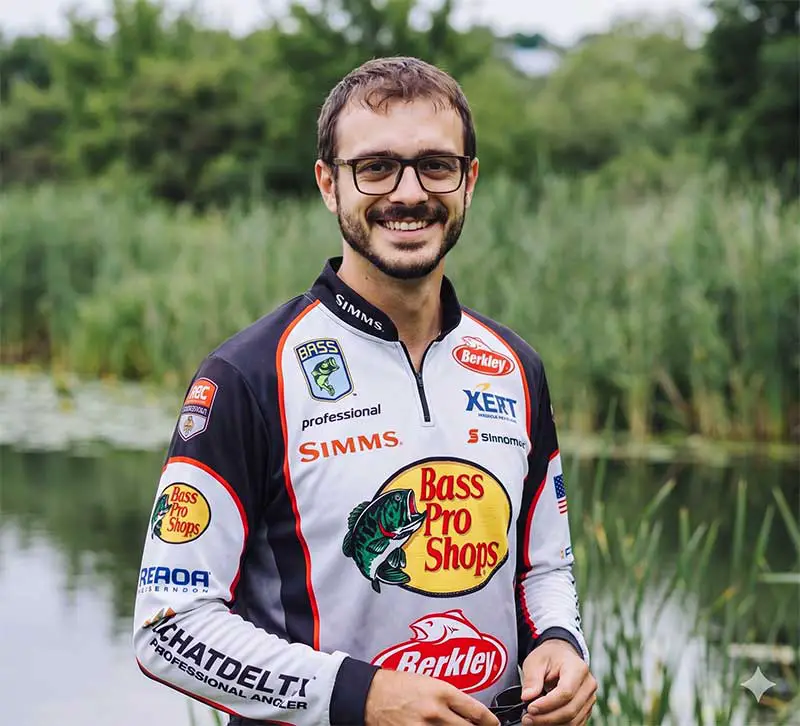
Tony L. Smith is a dedicated fishing expert with over 15 years of hands-on experience in freshwater and saltwater environments. As the founder of FishingStaff, Tony is committed to demystifying fishing gear for beginners and budget-conscious anglers who refuse to compromise on quality. Learn more about Tony & find him on Twitter. Happy reading!