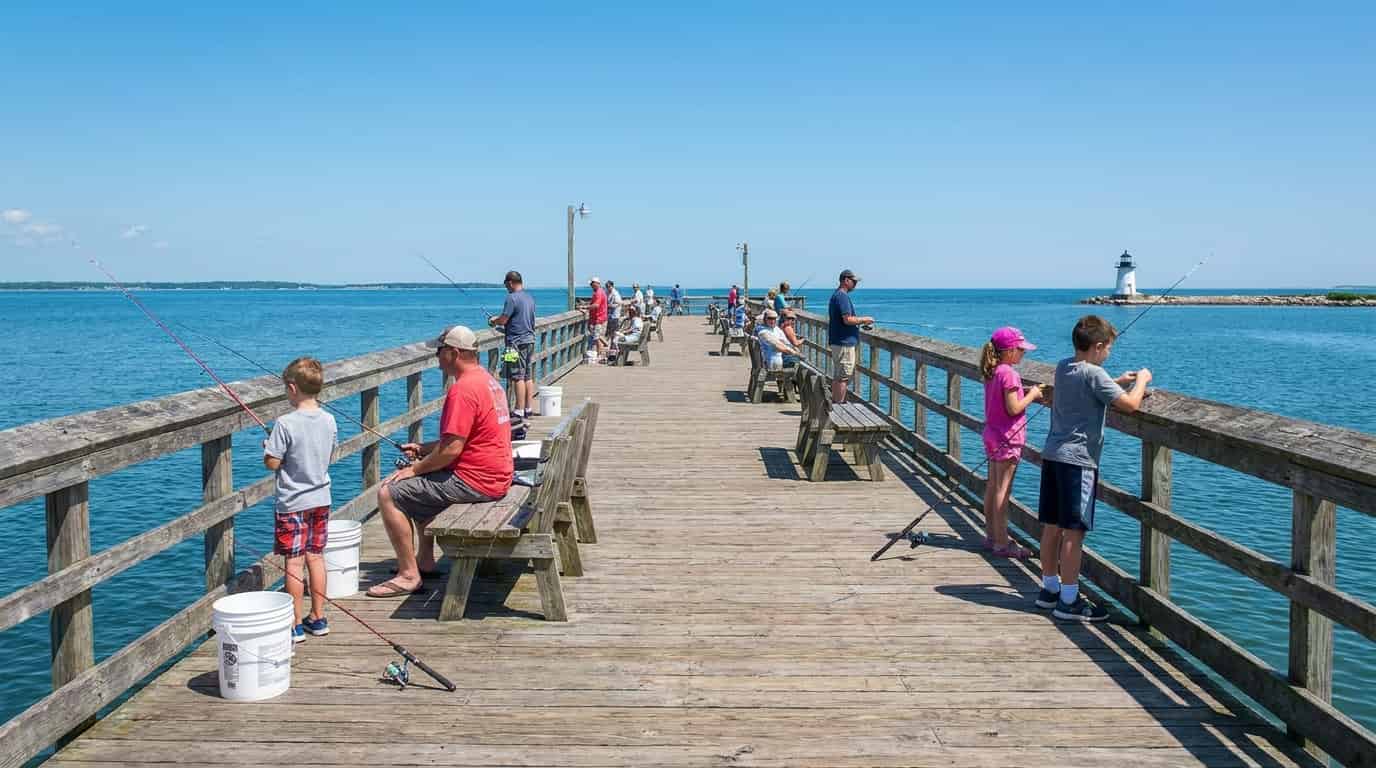
Finding a great place to fish should be easy. But for most beginners, it’s often the hardest part. You might have a fishing rod, a box of hooks, and a free Saturday — yet you have no idea where to start. You search “fishing spots near me beginner” or “where to fish near me beginner” and see hundreds of results. Some are out of date, others are too advanced, and a few just don’t exist. This confusion stops many new anglers before their first cast. The good news? It doesn’t have to be this way. With the right strategies, you can quickly find beginner fishing locations near me that are safe, easy, and full of fish.
Whether you’re a parent hoping to teach your kids, a college student looking for a new hobby, or simply want to relax outdoors, this guide will show you how to find fishing spots nearby that are perfect for beginners. You’ll learn smart ways to locate stocked ponds, city lakes, friendly parks, and even hidden gems, using simple tools and real-life tips. Get ready to discover fishing spots that will build your confidence and make your first trips fun — not frustrating.
Strategy 1 — Check Your State’s Stocking Reports
For new anglers, catching fish quickly builds excitement. One of the easiest ways to do this is by fishing where state agencies stock fish regularly. Most states release stocking reports that list when and where they add fish to local waters. These reports often focus on ponds, lakes, and rivers that are easy to reach and ideal for beginners.
Why do stocking reports matter? Stocked fish are usually hungry and less wary, making them easier to catch. Many of these locations are also designed with families and beginners in mind, with clear banks, nearby parking, and restrooms.
Here’s how to use stocking reports:
- Search “[your state] fish stocking report” online.
- Visit your state’s Department of Natural Resources (DNR) or wildlife agency website.
- Check for recent updates—look for the most current year.
- Find locations near your zip code or city.
For example, the Texas Parks & Wildlife Department and California Department of Fish and Wildlife both have interactive maps and weekly updates. Look for stocked species like rainbow trout, channel catfish, and sometimes panfish. These are easy for beginners to catch.
Pro tip: Stocking schedules often focus on spring and fall, when water temperatures are best for fish survival. Plan your first few trips right after stockings for higher chances of success.
| State | Stocked Species | Stocking Frequency | Beginner-Focused Locations |
|---|---|---|---|
| Ohio | Trout, Catfish | Spring/Fall | City Park Ponds, Reservoirs |
| California | Trout, Bass | Weekly (Spring) | Urban Lakes, County Parks |
| Texas | Catfish, Trout | Monthly | Neighborhood Lakes, Youth Ponds |
Non-obvious insight: Some states publish “Family Friendly” stocking lists — these are locations with extra amenities and simple fishing regulations.
Strategy 2 — Look For City And County Park Ponds
Many cities and counties manage public parks with ponds or small lakes. These places are often overlooked, but they’re some of the best beginner fishing locations near me for several reasons:
- Easy access: Most have paved paths, parking, and restrooms.
- Safe environments: Parks are well-maintained and patrolled.
- Simple regulations: Many allow fishing without a boat or special gear.
- Regular stocking: Some are part of youth fishing programs and receive regular fish.
To find these spots:
- Visit your city or county parks department website.
- Search for “fishing” or “pond” in their list of parks.
- Check Google Maps for green spaces with water features.
- Look for “Kid’s fishing pond” or “urban fishing lake” in your area.
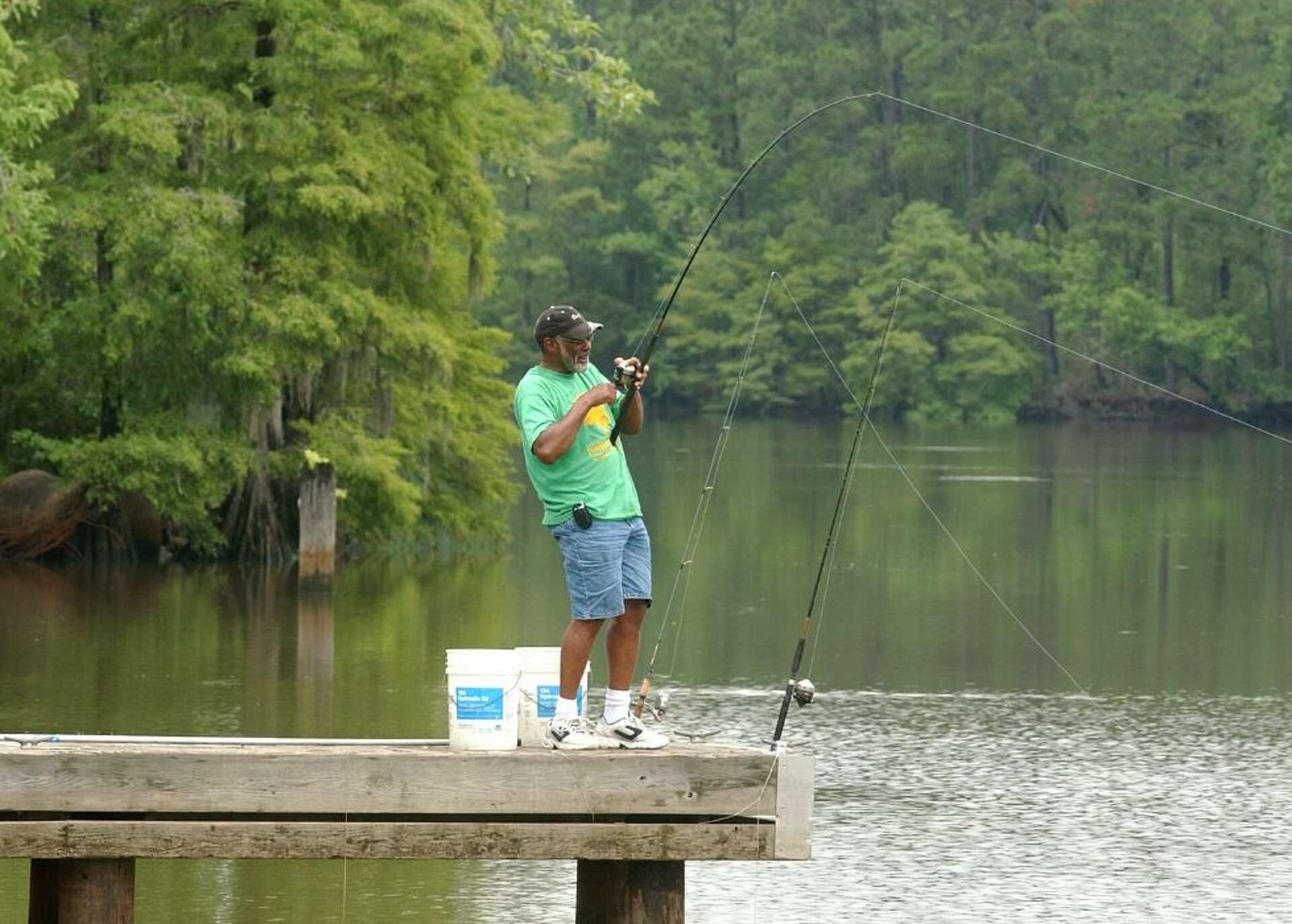
City park ponds are great for catching bluegill, sunfish, catfish, or even small bass. These species are forgiving for beginners and bite throughout the day. Many parks even host free fishing clinics or “Take a Kid Fishing” days.
Non-obvious insight: Some city ponds are “catch and release only.” This means you must return the fish you catch. Check posted signs at the pond or online before keeping fish.
Example: In Denver, Washington Park Lake and City Park Lake are both stocked and have beginner-friendly banks. In Nashville, Shelby Park has two ponds open for public fishing.
Credit: www.beaumontenterprise.com
Strategy 3 — Use The Fishbrain Or Onx Fish App
Technology can make your search much faster. Apps like Fishbrain and OnX Fish are designed to help anglers locate fishing spots, view recent catches, and share tips. These apps use crowdsourced data, which means you get real-time information from other local anglers.
Fishbrain is especially popular. It shows maps of nearby lakes, rivers, and ponds, and you can filter by “beginner-friendly” or “easy access.” Users post photos of their catches, what bait they used, and even water conditions.
OnX Fish offers detailed maps, public land boundaries, and boat launch sites. It helps beginners avoid private property and find legal places to fish.
How to use these apps:
- Download the app and create a free account.
- Enter your location or allow location access.
- Filter results by “easy access,” “shore fishing,” or “family-friendly.”
- Check recent catches and read user reviews.
- Save favorite spots for future trips.
Practical example: A search for “ponds near me” in Fishbrain can reveal dozens of small lakes hidden in local neighborhoods, with notes on the best times to fish.
Pro tip: Look for locations with lots of recent user activity. These spots are more likely to be productive and beginner-friendly.
| App Feature | Fishbrain | OnX Fish |
|---|---|---|
| Recent Catches Map | Yes | No |
| Access Info (Public/Private) | Basic | Detailed |
| Beginner Filters | Yes | Limited |
| Offline Maps | No | Yes |
Non-obvious insight: Apps sometimes show “fishing pressure” (how crowded a spot is). Choose less crowded places for a calmer first experience.
Strategy 4 — Find Public Boat Launches On Google Maps
You don’t need a boat to use a public boat launch. These spots are usually open to everyone and give easy access to the water’s edge. Many have parking lots, piers, and clear shoreline, making them excellent for beginner fishing locations near me.
Here’s how to use Google Maps effectively:
- Open Google Maps and type “public boat launch near me.”
- Look for blue icons or marina symbols along local lakes and rivers.
- Zoom in on the area — check for “public access,” “fishing pier,” or “shoreline trail.”
- Read user reviews and look at posted photos for clues about crowds and cleanliness.
Why are boat launches beginner-friendly?
- They’re managed by local or state agencies, so rules are clear.
- Piers and shorelines are often accessible for kids, seniors, and those with mobility issues.
- They tend to be well-signed, so you know exactly where you can fish.
Pro tip: Arrive early in the morning. Boat launches are less busy before boaters arrive, and fish are often more active.
Common mistake: Not all launches allow fishing from the dock itself. Look for signs about fishing regulations, and avoid blocking boaters.
Example: On the Minnesota DNR Lake Finder, you can search for public access points with fishing piers on thousands of lakes statewide.
Strategy 5 — Join A Local Fishing Facebook Group
Sometimes, the best information comes from real people who fish nearby every week. Local fishing Facebook groups are a gold mine for discovering beginner fishing locations near me and learning what works.
Why join a local group?
- Members share up-to-date reports, photos, and tips.
- You can ask specific questions about gear, bait, or kid-friendly spots.
- Many organize group outings or “meetups” for beginners.
How to find and join:
- Search Facebook for “[your city] fishing group” or “[your county] anglers.”
- Request to join and read the group rules.
- Introduce yourself and mention you’re a beginner.
- Browse past posts — look for “easy access,” “family spot,” or “best ponds for kids.”
Non-obvious insight: Some members may invite you to join them for a morning at their favorite pond or even lend you basic gear to try.
Practical example: In Chicago, groups like “Chicago Urban Anglers” regularly share maps and tips for park ponds and small rivers that are perfect for learning.
Caution: Always meet in public places and avoid sharing your full home address. Focus on building knowledge and connections.
Strategy 6 — Ask At A Local Bait Shop
Sometimes, technology and online research can’t beat local knowledge. Old-school bait and tackle shops are run by anglers who fish every week, often for decades. They know where the fish are biting, and which spots are best for beginners.
How to get the most from a bait shop visit:
- Visit during a quiet time (midday on weekdays).
- Explain you’re new to fishing and looking for beginner-friendly spots.
- Ask which lakes or ponds are being stocked, and what bait works best.
- Buy a small selection of suggested bait or tackle.
Non-obvious insight: Many bait shops keep a “brag board” — a wall of photos showing recent catches from local waters. This can give you instant ideas for where to try.
Pro tip: Building a good relationship with a shop can lead to insider tips, invitations to local tournaments, or even discounts as a regular customer.
Example: In smaller towns, the bait shop might be the only source for up-to-date information about water levels, recent stockings, or which city park ponds are fishing well.

Credit: bassonline.com
Strategy 7 — Check State Wildlife Agency Websites
State wildlife and natural resource agencies are dedicated to making fishing accessible. Their websites are full of resources for finding fishing spots near me beginner:
- Interactive maps showing public waters and access points
- Lists of “Family Friendly” or “Accessible” fishing locations
- Descriptions of species, regulations, and special youth ponds
How to use these resources:
- Search for “[your state] DNR lake finder” or “fishing access map.”
- Explore interactive maps for lakes, rivers, or reservoirs with public access.
- Read about “community fishing programs” or “urban fishing initiatives.”
Non-obvious insight: Some states offer “loaner tackle programs” — you can borrow rods and reels free at select locations.
Example: The Missouri Department of Conservation has an online map with icons for public boat ramps, fishing piers, and stocked ponds. Each entry includes directions, species present, and tips for first-time visitors.
Pro tip: Bookmark your favorite maps on your phone for quick access on future trips.
| State Website Feature | Available Information | Benefit for Beginners |
|---|---|---|
| DNR Lake Finder | Maps, Stocking Reports, Regulations | Easy trip planning |
| Urban Fishing Program | List of City Ponds & Events | Kid-friendly locations |
| Access Info | Pier, Boat Ramp, Parking | Handicap accessible |
External resource: For more details on state fishing programs, visit the U.S. Fish & Wildlife Service.
Strategy 8 — Look For Free Fishing Days In Your State
Fishing licenses can be confusing for beginners. Every state requires a fishing license for most ages, but nearly all offer Free Fishing Days—times when anyone can fish public waters without a license.
Why are free fishing days helpful?
- They remove the cost and paperwork for your first trip.
- Many states host educational events with gear to borrow.
- Parks and agencies often stock extra fish before these days.
How to find free fishing days:
- Search “[your state] free fishing day” online.
- Mark your calendar for the next event.
- Arrive early, as these days can be busy.
Non-obvious insight: Some states offer multiple free days each year, often in early summer or on National Fishing and Boating Week.
Pro tip: Use free fishing days to try different spots. Visit a city park pond in the morning and a stocked lake in the afternoon.
Example: In Michigan, the Free Fishing Weekend in June is a tradition for families. State parks often host clinics with loaner rods and free bait.
Credit: dstqatar.com
What Makes A Spot ‘beginner-friendly’?
Not every fishing spot is good for beginners. Here’s what to look for when choosing your first location:
- Easy access: Look for flat banks, paved paths, and nearby parking.
- Safe environment: Well-lit, maintained, and free of hazards.
- Clear regulations: Posted rules about limits, bait, and licenses.
- Restrooms and amenities: Especially important for families or long visits.
- Active fish populations: Stocked ponds or lakes with panfish, trout, or catfish.
- Low fishing pressure: Less crowded means less competition and a calmer experience.
- Shore fishing allowed: Not all spots allow fishing from the bank or pier.
Non-obvious insight: Avoid large, deep reservoirs or fast rivers on your first trip. Smaller, calm ponds are far less intimidating and have more forgiving fish.
Example: A small city park pond with a fishing pier, restrooms, and regular stocking is ideal. A remote river with no parking or steep banks is not.
Practical tip: Visit the spot before you fish. Walk the shoreline, check for clean, open areas, and note where others are fishing. This helps build confidence and avoids surprises.
Frequently Asked Questions
What Gear Do I Need For My First Fishing Trip?
You only need a basic rod and reel, a small box of hooks, bobbers, and some bait (like worms or corn). Many city park ponds allow simple setups. Ask at a local bait shop for suggestions or check your state’s regulations for legal bait.
Do I Need A Fishing License?
In most states, anyone over 16 needs a fishing license, except on free fishing days. Licenses are easy to buy online, at bait shops, or big stores. Always check your state’s rules—some city ponds allow youth to fish without a license.
Can I Keep The Fish I Catch?
This depends on the spot. Some places are “catch and release only,” while others allow you to keep a certain number of fish. Read posted signs or check the state agency’s website for daily limits and size rules. When in doubt, ask a local angler or bait shop.
How Do I Find Out If A Spot Is Crowded?
Check apps like Fishbrain for “fishing pressure” reports, read recent Google Maps reviews, or visit the spot early in the morning. Local Facebook groups are also a great way to ask about crowds at specific ponds or lakes.
What If I Don’t Catch Anything?
Don’t get discouraged! Even experienced anglers have slow days. Try changing your bait, moving to a different part of the pond, or coming back at a different time. Fishing is about learning and enjoying the outdoors—even if you don’t catch fish every time.
For beginners, the hardest part of fishing isn’t learning to cast or tie a knot — it’s finding the right place to start. By using state stocking reports, city park ponds, fishing apps, and advice from local anglers, you can quickly discover beginner fishing locations near me that make your first experience rewarding. Remember, the best spot is one where you feel safe, comfortable, and have a real chance to catch fish. Don’t be afraid to ask questions, try new places, and enjoy the process. With each trip, you’ll gain more confidence and maybe even a new lifelong hobby. Good luck, and happy fishing!
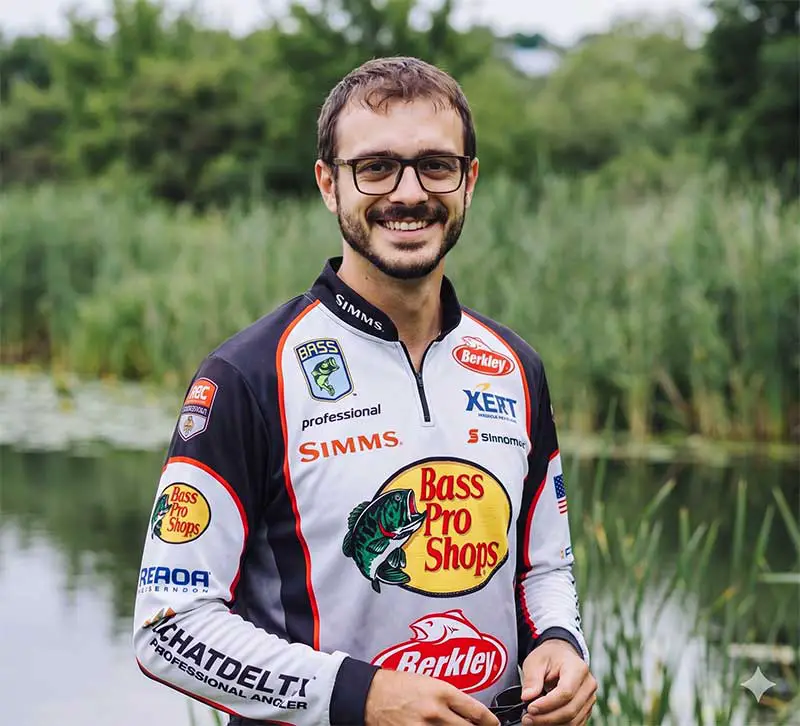
Tony L. Smith is a dedicated fishing expert with over 15 years of hands-on experience in freshwater and saltwater environments. As the founder of FishingStaff, Tony is committed to demystifying fishing gear for beginners and budget-conscious anglers who refuse to compromise on quality. Learn more about Tony & find him on Twitter. Happy reading!