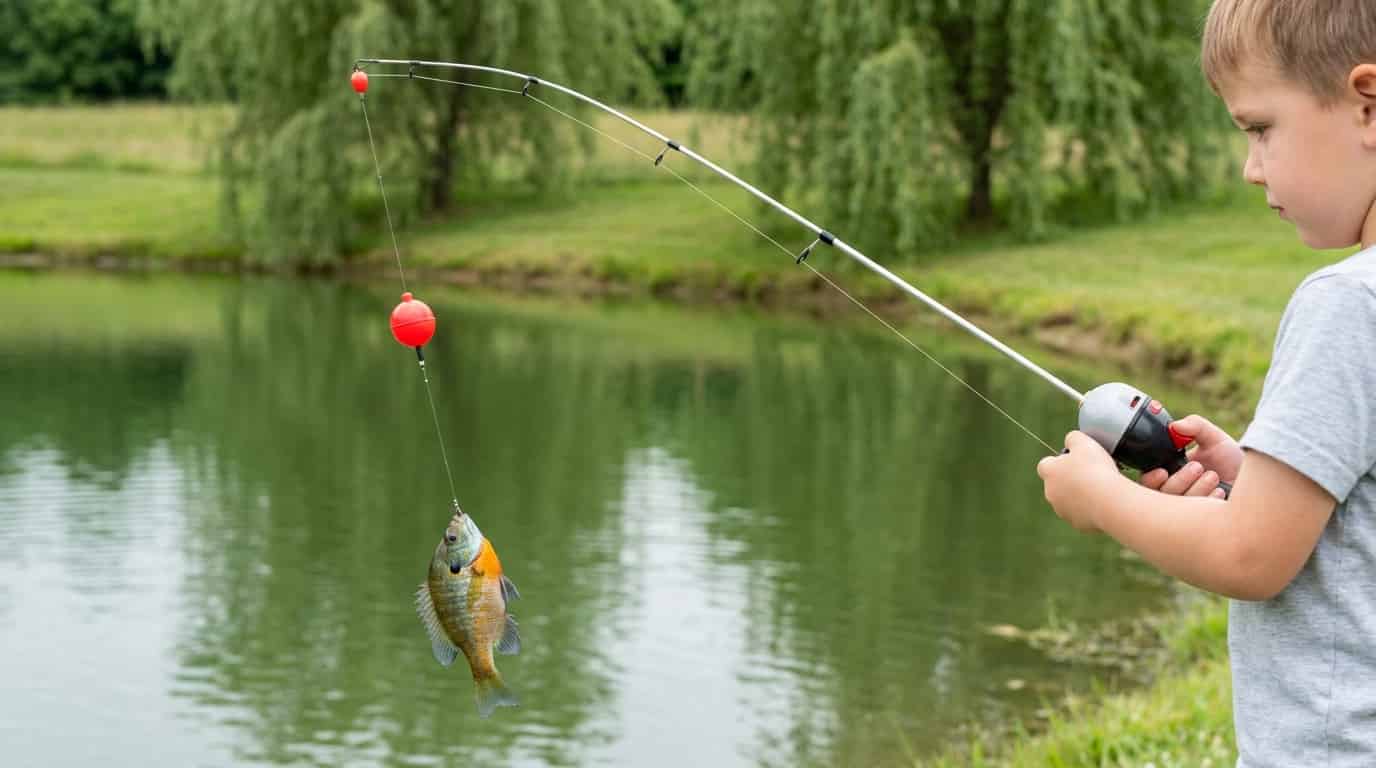
Choosing the right fish to target can make your first fishing trip a real success. For beginners, nothing is more exciting than feeling your first bite and reeling in a lively catch. But not all fish are easy to catch—some are shy, some are strong, and some need special gear. Luckily, there are a handful of species that are perfect for new anglers. These fish are common, bite often, and don’t require fancy equipment or advanced skills. If you want to enjoy fishing from day one, learning about the easiest fish to catch for beginners is a smart place to start.
1 — Bluegill (easiest Of All)
Bluegill are often considered the absolute best fish for beginners to catch. They live in ponds, lakes, and slow-moving rivers across most of the United States. You can find them close to shore, especially near docks, weeds, or sunken logs.
Catching bluegill is simple and fun. All you need is a small hook, a piece of worm bait, and a bobber. Cast your line out and watch the bobber. If it bobs or sinks, set the hook and reel in your catch! Bluegill rarely grow bigger than a hand, but they fight hard for their size.
Why are bluegill so easy? First, they feed aggressively during warm months, especially in the morning or late afternoon. Second, they are not picky eaters. Besides worms, you can use bread, corn, or small artificial lures. Even a simple cane pole works well for bluegill.
For kids or anyone new to fishing, bluegill offer fast action and instant reward.
Non-obvious tip: Look for bluegill “beds” in spring and early summer—shallow, sandy circles where they spawn. These spots can hold dozens of fish.
2 — Yellow Perch
Yellow perch are another simple fish to catch and are especially popular in the northern United States. They gather in schools near the bottom of lakes and rivers, often around weeds, rocks, or drop-offs.
Perch are famous for biting on small worms, minnows, or even soft plastic baits. Use a bobber or let your bait rest on the bottom. When perch are hungry, they can bite one after another, making for a busy day.
One great thing about perch is their size. They are a little bigger than bluegill, and their firm, white meat is delicious. Many anglers like to keep a few for a fish fry.
Beginner insight: Perch often move in groups. If you catch one, there are probably more nearby. Don’t be afraid to stay in the same spot for a while.

Credit: www.youtube.com
3 — Channel Catfish
Channel catfish are classic targets for beginners who want to catch a bigger fish. They live in rivers, lakes, and reservoirs throughout much of the country. Catfish are hardy, tolerate many conditions, and feed mostly on the bottom.
Catching catfish is easy using simple rigs. Attach a sinker to your line, a strong hook, and add worm bait or something smelly like chicken liver or commercial catfish bait. Cast out and let your bait sit on the bottom. Catfish “sniff” out food and will often bite within minutes, especially after dark or on cloudy days.
Channel catfish can grow over 10 pounds, but many are smaller and perfect for beginners. They fight hard, so use a medium rod and a strong line.
Non-obvious tip: Try fishing near inflows where water enters a lake or river. Catfish often gather there to feed.
4 — Common Carp
Carp are sometimes ignored in the US, but they are one of the fish that are easy to catch and can be huge fun. They live in ponds, lakes, and slow rivers, often in muddy or weedy areas.
Carp are not picky. Their favorite baits include corn, bread, dough balls, or even worms. Use a simple bottom rig, cast out, and wait. Carp bites can be gentle—watch for your line to slowly tighten or move.
Carp are strong fighters, sometimes reaching 10, 20, or even 30 pounds. Landing a big carp on light tackle is a thrill for any angler.
Beginner insight: Don’t worry if your bait sits for a while. Carp sometimes take time to find your food, but when they bite, hold on tight!
5 — Crappie
Crappie (both black and white types) are popular panfish and one of the best fish for beginners to catch. They are found in lakes and reservoirs, especially near brush piles, docks, or submerged trees.
Crappie love small jigs, minnows, or worms. You can use a bobber or slowly reel your bait near cover. They often bite best in spring, but you can catch them year-round.
Crappie are social fish and often travel in schools. If you catch one, more are likely nearby. Their flaky white meat is prized for eating.
Non-obvious tip: Early morning or evening are best times, but try fishing deeper during bright daylight.
6 — Stocked Rainbow Trout
Stocked trout are released into lakes and streams by wildlife agencies, making them fish that are easy to catch in many areas. These trout are used to eating pellets, so they are less cautious than wild fish.
Trout like cool, clear water and bite on worms, corn, salmon eggs, or small artificial lures. Use a light line and small hooks. Cast near shore or where fish are jumping.
Trout are most active in spring and fall when water is cool. They are often stocked in city parks and public lakes—check local regulations for open seasons.
Beginner insight: Stocked trout often gather where they were released. Ask local anglers or look for groups of people fishing together for clues.

Credit: www.themeateater.com
7 — White Bass
White bass are fast, lively fish that are perfect for new anglers. They live in large lakes and rivers and often gather in big schools in spring and early summer.
Use small jigs, spinners, or live minnows. Cast out and reel in with quick, jerky movements. When white bass are feeding, you can catch several quickly.
White bass are a little bigger than bluegill and perch. They fight hard and are fun to catch on light tackle.
Non-obvious tip: Look for birds diving on the water. This often means baitfish are near the surface, and white bass are feeding below.
Quick Comparison Table (species, Habitat, Bait, Difficulty)
Here’s a quick look at the key differences between these beginner-friendly fish:
| Species | Common Habitat | Best Bait | Difficulty |
|---|---|---|---|
| Bluegill | Ponds, lakes, slow rivers | Worms, bread, corn | Very Easy |
| Yellow Perch | Lakes, rivers (north US) | Worms, minnows | Very Easy |
| Channel Catfish | Lakes, rivers, reservoirs | Worms, chicken liver | Easy |
| Common Carp | Ponds, lakes, slow rivers | Corn, bread, dough | Easy |
| Crappie | Lakes, reservoirs | Jigs, minnows | Easy |
| Stocked Trout | Stocked ponds, streams | Worms, corn, eggs | Very Easy |
| White Bass | Lakes, rivers | Jigs, minnows | Easy |
What Fish Can You Catch From The Bank?
Fishing from the bank is perfect for beginners. You don’t need a boat, and many fish that are easy to catch can be found close to shore. The trick is to look for places where fish gather—like near weeds, fallen trees, docks, or rock piles.
Here are some top choices for bank fishing:
- Bluegill — Almost always close to shore, especially around weed beds or under overhanging branches.
- Yellow perch — Often found near the edge of lakes or rivers, especially where the water drops off.
- Channel catfish — Look for deeper holes near the bank, especially near inflows or under bridges.
- Common carp — Shallow, muddy areas are good spots. Try early morning or evening.
- Crappie — In spring, crappie move close to the bank to spawn. Look for submerged brush or piers.
- Stocked trout — Many public lakes stock trout near easy access points for anglers.
- White bass — Sometimes come near shore when chasing baitfish in spring and early summer.
Extra tip: Early morning and late afternoon are often the best times for bank fishing. Fish come closer to feed when the sun is lower.
Here’s a quick comparison of which of these species you can target from the bank and what baits work best:
| Species | Bank Fishing Success | Good Bank Baits |
|---|---|---|
| Bluegill | Excellent | Worms, bread |
| Yellow Perch | Good | Worms, minnows |
| Channel Catfish | Very Good | Worms, chicken liver |
| Common Carp | Very Good | Corn, bread |
| Crappie | Good (spring) | Jigs, minnows |
| Stocked Trout | Excellent | Worms, corn |
| White Bass | Good (seasonal) | Jigs, minnows |
Frequently Asked Questions
What Is The Easiest Fish To Catch For Beginners?
For most people, bluegill is the easiest fish to catch. They bite on simple baits, live near shore, and are active during the day. All you need is a basic rod, a small hook, and some worms.
What Is The Best Bait For Catching Simple Fish Like Bluegill And Perch?
Worm bait is the top choice for bluegill, perch, and many panfish. Nightcrawlers, red worms, or even pieces of garden worms work well. For perch, small minnows also attract bites.
Can You Catch Catfish And Carp With The Same Bait?
Yes, both catfish and carp will bite on worms, corn, or bread. Catfish prefer smelly baits like chicken liver, while carp often go for sweet corn or dough balls.
Is Bobber Fishing A Good Method For Beginners?
Absolutely. Bobber fishing is simple and lets you see when a fish bites. It works well for bluegill, perch, crappie, and stocked trout. Use a small bobber and a light line for best results.
Where Can I Find More Fishing Tips For Beginners?
You can find helpful guides and tips for new anglers on the TakeMeFishing.org website. They cover everything from gear basics to fishing locations.
Fishing is a relaxing and rewarding hobby that anyone can enjoy. By starting with these easy-to-catch fish, you can build confidence and have fun on the water. Remember, the most important thing is to enjoy the experience—every fish is a bonus. With a simple rod, some bait, and the right spot, your first catch is just a cast away. Happy fishing!

Credit: thisishomesteady.com
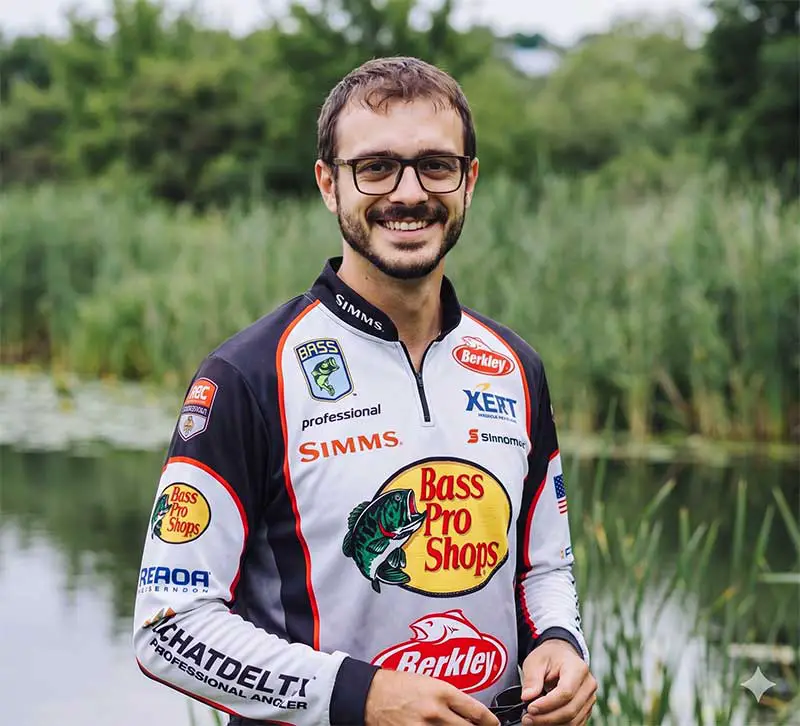
Tony L. Smith is a dedicated fishing expert with over 15 years of hands-on experience in freshwater and saltwater environments. As the founder of FishingStaff, Tony is committed to demystifying fishing gear for beginners and budget-conscious anglers who refuse to compromise on quality. Learn more about Tony & find him on Twitter. Happy reading!