There’s no single ‘type’ of fishing — here’s how to choose yours
Fishing is more than just catching fish. It’s a way to relax, connect with nature, and learn new skills. But if you’re just starting out, you’ll quickly discover there are different types of fishing—and each comes with its own style, gear, and learning curve. Whether you dream of casting a line in a quiet pond or heading out to sea, understanding your options is the first step. In this guide, you’ll discover the most popular fishing styles for beginners, what makes them unique, and how to pick the best one for you.
Freshwater Fishing (easiest To Start)
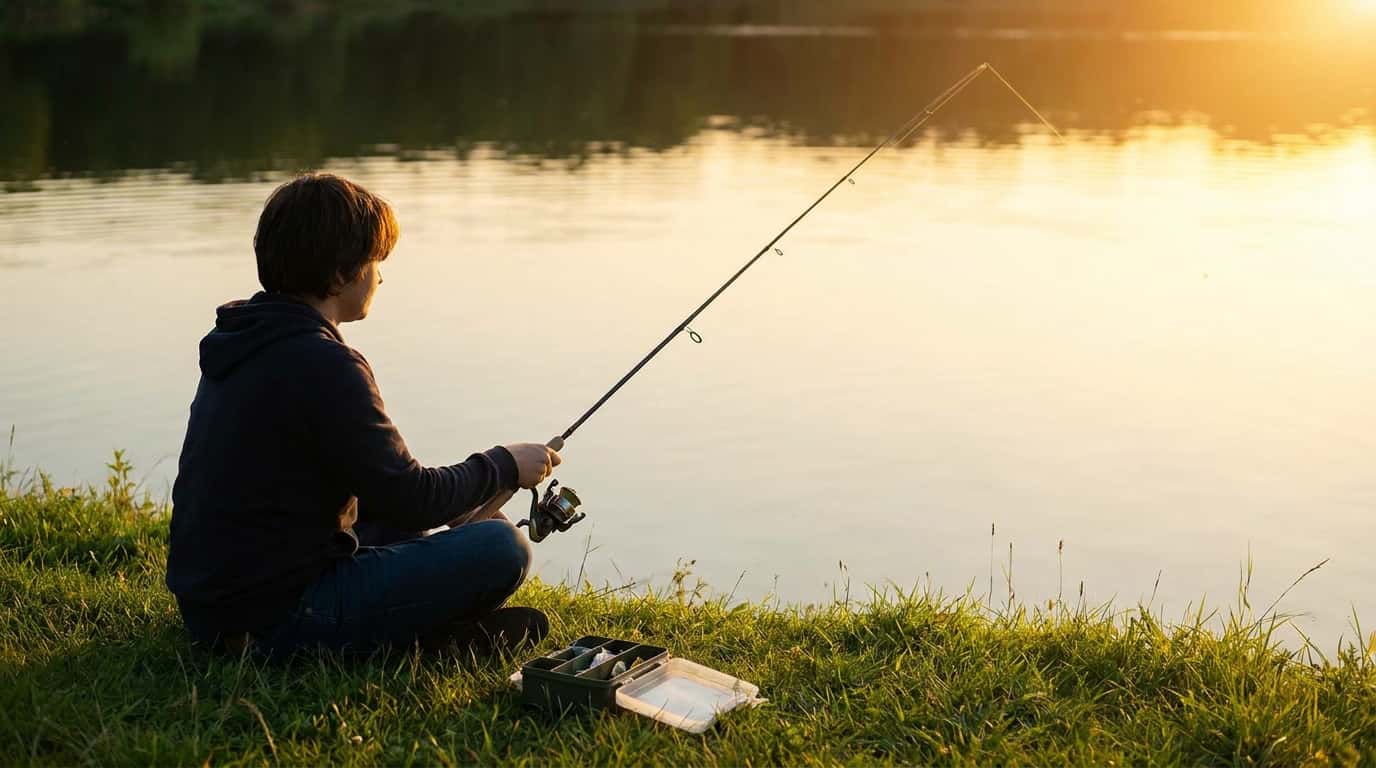
For most beginners, freshwater fishing is the easiest and cheapest way to begin. This type of fishing happens in lakes, rivers, streams, and ponds—places you can often reach by car or even on foot. You don’t need a boat or expensive gear. A simple rod and reel, some bait, and a little patience are enough to catch your first fish.
Typical freshwater fish include bass, trout, bluegill, catfish, and perch. Many local parks and public lands have ponds or small lakes open to fishing. Licenses are usually required, but they’re inexpensive and easy to get.
Why start with freshwater fishing?
- Low cost: Basic gear costs $30–$60.
- Easy access: Many public spots nearby.
- Simple techniques: Casting and reeling are easy to learn.
- Variety: Catch anything from tiny sunfish to big bass.
Beginner tip: Start with a spinning rod and reel combo, which is easy to use and won’t tangle as much as other setups.
Saltwater / Inshore Fishing
If you live near the coast, saltwater fishing opens up a whole new world. Inshore fishing means staying close to shore, usually in bays, estuaries, or near docks and piers. This style targets species like redfish, flounder, sea trout, and snook.
How is saltwater/inshore fishing different?
- Stronger fish: Saltwater species fight harder.
- Gear upgrade: Saltwater can rust regular gear. Use rods and reels made for saltwater.
- Licensing: Most states require a saltwater license, different from freshwater.
Beginner tip: Try fishing from a pier or jetty. You don’t need a boat, and local anglers can give advice.
Common mistake: Don’t use freshwater gear in saltwater! Salt will quickly damage it.
Offshore / Deep Sea Fishing
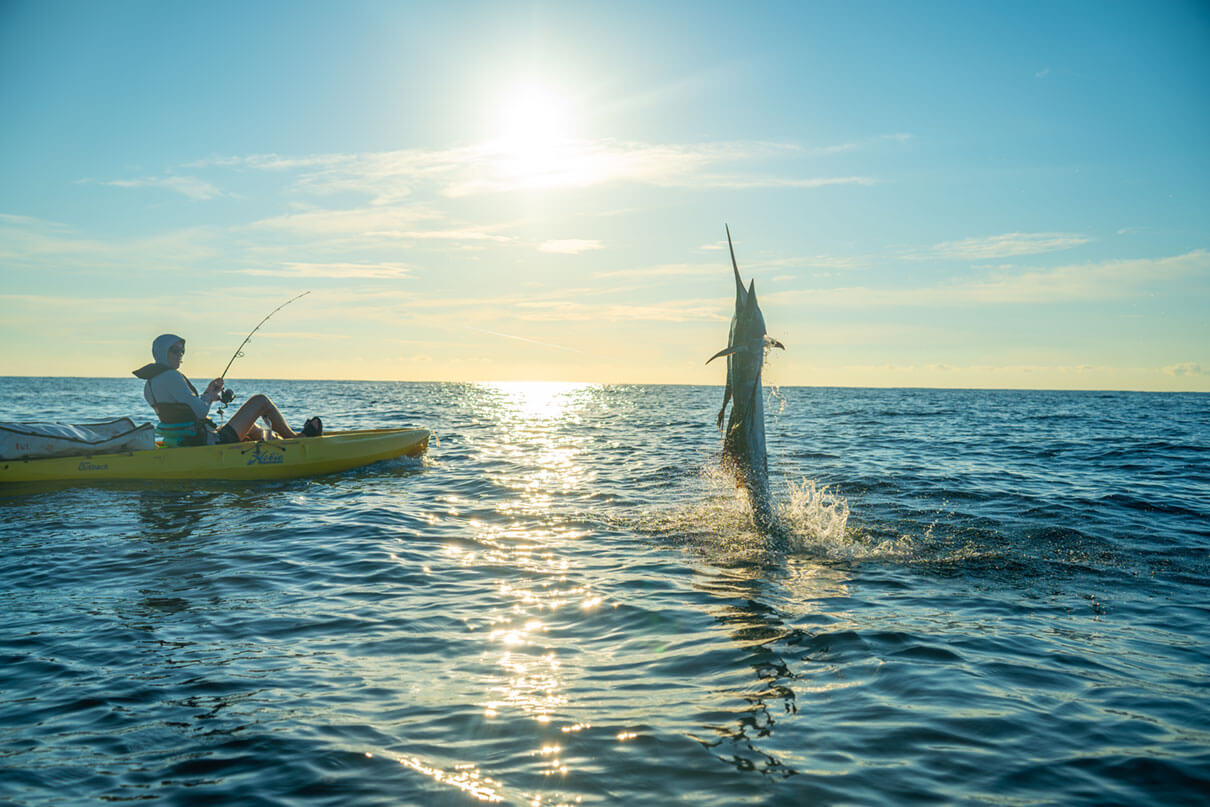
Offshore fishing (also called deep sea fishing) means heading far from shore—usually several miles—to reach deeper waters. This is where you’ll find big, powerful fish like tuna, marlin, sailfish, and mahi-mahi.
What makes offshore fishing unique?
- Boat required: You need a seaworthy boat or join a charter trip.
- Heavy gear: Offshore rods, reels, and lines are much stronger.
- Expensive: Trips and gear can cost hundreds of dollars.
- Teamwork: It’s often done with a group for safety.
Beginner tip: Join a group charter. The crew provides gear, bait, and guidance, so you can focus on the experience.
Did you know? Offshore fishing is where some of the world’s biggest fish are caught—blue marlin can weigh over 1,000 pounds.
Fly Fishing
Fly fishing is a unique style that uses lightweight lures called “flies.” Instead of casting heavy bait, you use the weight of the line to send the fly gently onto the water. This technique is famous for trout fishing in mountain streams, but you can also catch bass and even some saltwater fish with fly gear.
What makes fly fishing special?
- Skill-based: Casting takes practice and patience.
- Beautiful locations: Often done in scenic rivers or lakes.
- Active fishing: You move around, watching for fish and making precise casts.
Beginner tip: Take a short lesson or watch videos to learn basic casting. Don’t expect to master it on your first day—practice matters a lot.
Non-obvious insight: Many beginners think fly fishing is only for trout, but you can target bass, panfish, and even carp in ponds and lakes.

Credit: www.alloutdoor.com
Ice Fishing
If you live in colder climates, ice fishing is an exciting winter adventure. You drill a hole in the ice, drop your line, and wait for fish like walleye, perch, or northern pike to bite.
Key facts about ice fishing:
- Special gear: Short rods, ice augers, and shelters keep you safe and warm.
- Safety first: Always check ice thickness (at least 4 inches for walking).
- Social: Many people fish in groups or set up small tents.
Beginner tip: Go with an experienced friend your first time. Ice safety is no joke, and a guide can help you avoid risks.
Non-obvious insight: Many think ice fishing is just sitting and waiting, but using sonar “flashers” helps you find fish quickly.
Surf Fishing
Surf fishing means casting your line from the beach into the waves. You can catch fish like striped bass, bluefish, pompano, and red drum right from the sand.
What to know about surf fishing:
- Long rods: Rods are usually 9–12 feet to cast far.
- Saltwater gear: Use corrosion-resistant reels.
- Timing matters: Early morning and evening are best.
Beginner tip: Start at a popular beach. Watch how locals rig their bait and where they cast.
Common mistake: Many beginners use too much weight or cast too far—most fish are closer to shore than you think.
Kayak Fishing
Kayak fishing combines paddling with fishing and is growing fast in popularity. Kayaks let you reach quiet spots where boats can’t go. You can fish in lakes, rivers, or the ocean.
Why try kayak fishing?
- Affordable boats: Entry-level fishing kayaks start around $300.
- Stealthy: Kayaks are quiet, so you don’t scare fish.
- Exercise: Paddling is a great workout.
Beginner tip: Practice paddling and balance before fishing from a kayak. Wear a life jacket, and bring only essential gear to avoid tipping.
Non-obvious insight: Not all kayaks are good for fishing. Look for models with rod holders, good stability, and enough storage for tackle and safety gear.
Comparison Table (difficulty, Cost, Gear Needed, Best For)
To help you see the types of angling side-by-side, here’s a comparison:
| Type | Difficulty | Cost (Starter) | Gear Needed | Best For |
|---|---|---|---|---|
| Freshwater | Easy | $40–$80 | Rod, reel, bait | Beginners, families |
| Saltwater/Inshore | Moderate | $70–$200 | Saltwater rod, reel, bait | Coastal anglers |
| Offshore/Deep Sea | Challenging | $300+ | Heavy rod/reel, boat | Adventure seekers |
| Fly Fishing | Moderate | $100–$250 | Fly rod, reel, flies | Nature lovers |
| Ice Fishing | Moderate | $80–$300 | Short rod, auger, shelter | Winter anglers |
| Surf Fishing | Moderate | $90–$250 | Long rod, heavy reel | Beachgoers |
| Kayak Fishing | Moderate | $400–$800 | Kayak, rod, safety gear | Explorers |

Credit: www.exploreressentials.co.uk
Which Type Is Best For You? (quiz-style Guide)
Still wondering, what kind of fishing should I start with? Use this quick guide:
1. Where Do You Live?
- Inland or city: Freshwater fishing is easiest.
- Coastal: Try saltwater/inshore or surf fishing.
- Cold winters: Consider ice fishing.
2. Do You Want To Fish Alone Or With Others?
- With family/kids: Freshwater or pier fishing is safe.
- With friends/adventure: Offshore, kayak, or ice fishing.
3. What’s Your Budget?
- Under $100: Freshwater is best.
- $100–$300: Fly, surf, or ice fishing.
- $300+: Offshore or kayak fishing.
4. How Much Time Do You Want To Invest?
- A couple hours: Local freshwater or pier fishing.
- Half or full day: Offshore, kayak, or surf.
5. Are You Looking For Challenge Or Relaxation?
- Relaxation: Freshwater or pier fishing.
- Challenge: Fly, offshore, or kayak fishing.
Pro tip: Start simple, then try new styles as your skills grow. Many experienced anglers switch between types depending on the season, location, or mood.
More Data: Popular Us Fish Species By Type
Here’s a breakdown of common fish you can catch, depending on the style:
| Fishing Type | Common Fish Species | Best Season |
|---|---|---|
| Freshwater | Bass, trout, catfish, bluegill | Spring–Fall |
| Saltwater/Inshore | Redfish, flounder, sea trout, snook | Year-round (varies by region) |
| Offshore | Tuna, marlin, mahi-mahi, snapper | Summer–Fall |
| Fly Fishing | Trout, bass, panfish, carp | Spring–Early Fall |
| Ice Fishing | Walleye, perch, pike | Winter |
| Surf Fishing | Striped bass, bluefish, pompano | Spring–Fall |
| Kayak Fishing | Bass, redfish, trout (varies) | Year-round |
Credit: kayakanglermag.com
Frequently Asked Questions
What’s The Easiest Type Of Fishing For Beginners?
Freshwater fishing is the easiest for most people. You need simple gear, costs are low, and you can fish almost anywhere. Local lakes and ponds are perfect places to learn basic techniques.
Do I Need A License To Fish?
In the US, you almost always need a fishing license—both for freshwater and saltwater. Rules vary by state. Check your local regulations online or at a sporting goods store before you go.
Can I Use The Same Gear For All Types Of Fishing?
No. Freshwater and saltwater gear are made differently. Saltwater gear resists corrosion, while freshwater gear can rust quickly in salty conditions. Fly fishing, ice fishing, and offshore fishing all need special equipment.
How Do I Learn Proper Fishing Techniques?
Start with videos, books, or a local class. Many parks and tackle shops offer beginner lessons. You can also join online forums or check resources like TakeMeFishing.org for step-by-step guides.
What If I Just Want To Try Fishing Once?
Rent gear at a local pier, join a charter, or ask a friend to show you. Many cities have “loaner” programs for beginners. No need to buy expensive gear if you’re not sure yet.
Fishing gives you the chance to slow down, focus on the present, and enjoy the outdoors. With so many types of angling to explore, the hardest part is often just getting started. Remember, every expert was once a beginner—so pick a style that fits your location, budget, and interest. Over time, you’ll discover what you love most about fishing. Happy casting!
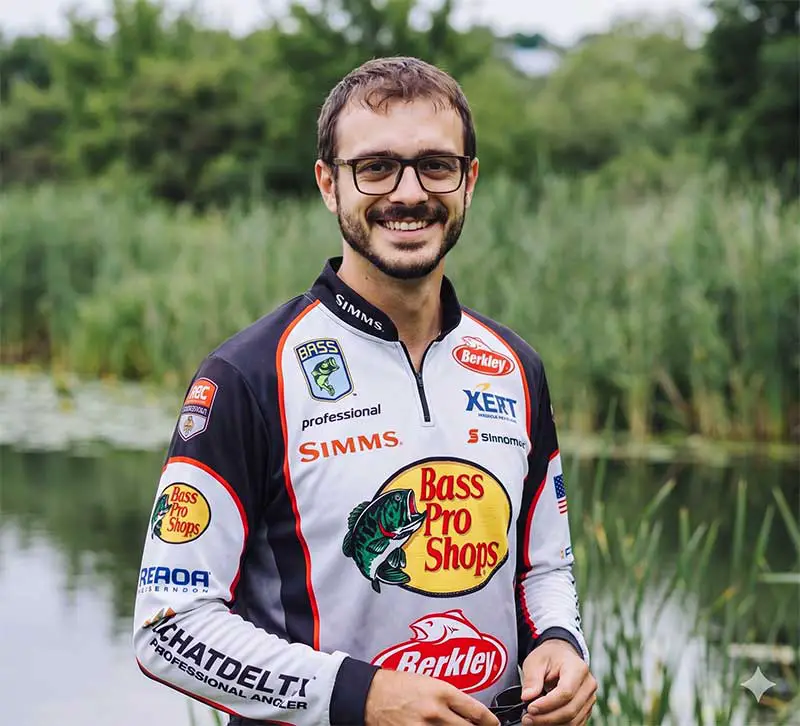
Tony L. Smith is a dedicated fishing expert with over 15 years of hands-on experience in freshwater and saltwater environments. As the founder of FishingStaff, Tony is committed to demystifying fishing gear for beginners and budget-conscious anglers who refuse to compromise on quality. Learn more about Tony & find him on Twitter. Happy reading!