Offshore fishing is an adventure that draws anglers far from the sight of land, into deep blue water where the ocean’s true giants roam. Unlike inshore or freshwater fishing, offshore means battling elements, reading wide-open water, and targeting some of the world’s most powerful fish.
The challenge is greater, but so are the rewards. It’s not just about dropping a line—it’s about understanding the ocean itself, using advanced gear, and adapting to a constantly changing environment. This guide will show you what separates offshore fishing from every other style, and how you can master the art with knowledge, preparation, and respect for the sea.
Understanding Offshore Water — How To Read The Ocean
Every successful offshore angler knows that the ocean is not just water—it’s a living, moving system. Learning to read the ocean is as important as learning to use your tackle. The surface may look calm, but underneath, currents, temperature changes, and hidden structures create highways for fish.
Learning to “read” the ocean is a skill that separates beginners from experienced offshore anglers. Out at sea, there are no shorelines, docks, or trees to guide you. Instead, you must learn to spot subtle signs that point to fish.
The ocean is always moving, with tides, currents, and weather changing conditions hour by hour. Understanding these patterns will help you find fish—and avoid empty water.
Color Changes And Temperature Breaks
One of the most reliable signals for offshore fishing is a change in water color. Color changes often mark the edge between clean blue water and greener, nutrient-rich water. Predatory fish like tuna, mahi-mahi, and wahoo patrol these edges, hunting smaller fish drawn to the boundary.
A classic sign is the “blue water edge. ” Blue water is usually clearer, deeper, and holds more pelagic species. Green or brown water often means more nutrients, but fewer big game fish. Watch for sharp lines where one color meets another—these can be goldmines for action.
Fish will move along these edges, using them almost like a highway. Sometimes, baitfish gather on the green side, while predators wait just inside the blue.
Temperature breaks, or thermoclines, are invisible lines where warm and cold water meet. Modern fish finders can help you detect these breaks. Fish tend to gather around these zones because baitfish concentrate there. If you notice a change from 78°F to 74°F, for example, don’t ignore it—this could be the hotspot for feeding activity.
A temperature break of just 1–2 degrees can mean a dramatic increase in fish activity. Fish may be stacked right on the line, with almost nothing just a few feet away. This is because the break holds plankton, which attracts baitfish, which then attract predators.
Experienced captains will zigzag across these lines, watching for signs of life.
A common mistake is to focus only on the surface. In reality, many productive temperature breaks are several feet below, so keep an eye on your electronics for changes at different depths.
Non-obvious insight: Don’t just look for the most dramatic color or temperature change. Subtle shifts, especially in areas with strong currents or upwellings, can be just as important. Sometimes, a faint green tinge in otherwise blue water signals a hidden food source.
Structure And Wrecks
The open ocean is not empty. Submerged structures—like reefs, oil rigs, or shipwrecks—create shelter for baitfish, which in turn attract bigger predators. These places act as oases in the desert of the deep sea.
Experienced anglers use both public charts and their own logs to locate these features. Fish tend to gather on the up-current side of a wreck or reef, where food naturally drifts toward them. Try drifting your bait just above the structure to avoid snags but stay close enough to tempt lurking fish.
Natural features, such as undersea mountains (called seamounts), sharp drop-offs, or deep channels, also concentrate fish. Sometimes, even floating debris—like a log or bunch of seaweed—can attract an entire ecosystem. These floating objects collect small fish and shrimp, which draw in larger predators.
Always inspect any floating object you find offshore.
Don’t overlook small features; even a single rock pile can hold big fish if the conditions are right.
Practical example: In the Gulf of Mexico, oil rigs serve as massive fish magnets. Anglers know to fish the shadow line of the rig, especially where the current pushes bait against the structure.
Using Gps Waypoints And Charts
Modern offshore fishing relies heavily on GPS waypoints and nautical charts. By marking productive spots with GPS, you can return to them even after drifting miles away. Digital charts also help you spot contour lines, drop-offs, and underwater canyons.
Here’s an example comparison between traditional navigation and modern GPS:
| Navigation Tool | Pros | Cons |
|---|---|---|
| Pilotage (Landmarks & Dead Reckoning) | Simple, no electronics needed | Useless far offshore, prone to error |
| Paper Charts | Reliable, detailed | Slow to use, not dynamic |
| GPS Waypoints | Accurate, easy to repeat locations | Requires electronics, batteries |
A non-obvious tip: Don’t just collect waypoints—organize them. Label each with notes about the conditions, species caught, and time of year. Over time, this builds your own private fishing database.
Extra detail: Many pros use color codes or symbols in their GPS to quickly identify what each waypoint means. For example, a star symbol for big catches, a triangle for structure, or color codes for different species. This can save time and help you spot patterns you might otherwise miss.
Also, consider backing up your waypoints. Electronics can fail, and losing years of fishing data is painful. Some GPS units allow you to export data to a computer or cloud storage.
Essential Offshore Fishing Gear
Having the right gear can mean the difference between landing a trophy or losing it forever. Offshore fishing puts huge stress on equipment, so choose wisely and invest in quality.
Out at sea, the conditions are tough—salt, sun, and powerful fish will test your gear every trip. Unlike inshore or freshwater fishing, offshore tackle must be designed for both strength and reliability. One weak link—a rusty hook or a cheap snap swivel—can cost you the fish of a lifetime.
Rods And Reels
Offshore rods are longer and stronger than those used inshore. For trolling, choose a heavy-action rod rated for at least 30-80 lbs. For bottom fishing, a shorter, stiff rod gives better control.
For big game fish like marlin or tuna, rods may be 5–7 feet long and feature strong, one-piece construction. Stand-up rods are popular for fighting fish while standing, while chair rods are used on big boats for fighting the largest species from a fighting chair.
Reels must have high line capacity and smooth drags. Lever-drag reels are common offshore, as they allow precise control over fighting big fish. For spinning, look for models with sealed bearings and corrosion-resistant materials.
When trolling, conventional reels with high line capacity (400 yards or more) are best. For jigging or bottom fishing, consider high-speed reels that allow you to quickly retrieve line from deep water.
One mistake beginners make: using freshwater gear offshore. Saltwater corrodes quickly, and offshore fish can destroy light tackle in seconds.
Extra insight: After each trip, rinse your rods and reels with fresh water and let them dry completely. Salt left on equipment will attract moisture and cause corrosion, even if you don’t see it right away.
Line And Leaders
Braided lines are popular for their strength and thin diameter. A typical setup might use 50-80 lb braid for main line, with a 10-20 foot fluorocarbon or monofilament leader. Leaders are essential because many offshore species have sharp teeth or rough mouths.
Here’s a quick overview:
| Line Type | Strength | Stretch | Visibility | Best Use |
|---|---|---|---|---|
| Braid | High | Low | Medium | Main line for deep drops, trolling |
| Monofilament | Medium | High | Low | Shock absorber, leader material |
| Fluorocarbon | High | Low | Very low | Leader for clear water |
A common oversight: never ignore the condition of your leader. Check for nicks and frays after every catch or snag.
Practical example: For toothy fish like wahoo or barracuda, use a wire leader to prevent bite-offs. For tuna in clear water, a long fluorocarbon leader is better, as tuna can be line-shy.
When spooling reels, overfilling can cause wind knots and tangles. Leave a small gap between the line and the edge of the spool.
Terminal Tackle
Your terminal tackle (hooks, swivels, sinkers, and lures) must match your target species. Use extra-strong hooks (circle or J hooks) for large fish. Swivels prevent line twist, especially when trolling.
Don’t skimp on quality—cheap terminal tackle can break under pressure. For trolling, use snap swivels for quick lure changes. For bottom fishing, use heavy-duty egg sinkers and circle hooks to reduce gut-hooking fish.
Non-obvious insight: Pre-rig leaders and hook sets before your trip. This saves time and stress when you’re in the middle of a hot bite offshore.
Extra detail: Bring a variety of hook sizes and styles. Some days, fish prefer smaller hooks or lighter leaders. Having options lets you adjust quickly. Always bring spare rigging supplies—a lost snap swivel or broken hook should not end your day.
Another tip: Use glow beads or luminous tape on deep-drop rigs. In deep water, a little extra visibility can attract more bites.
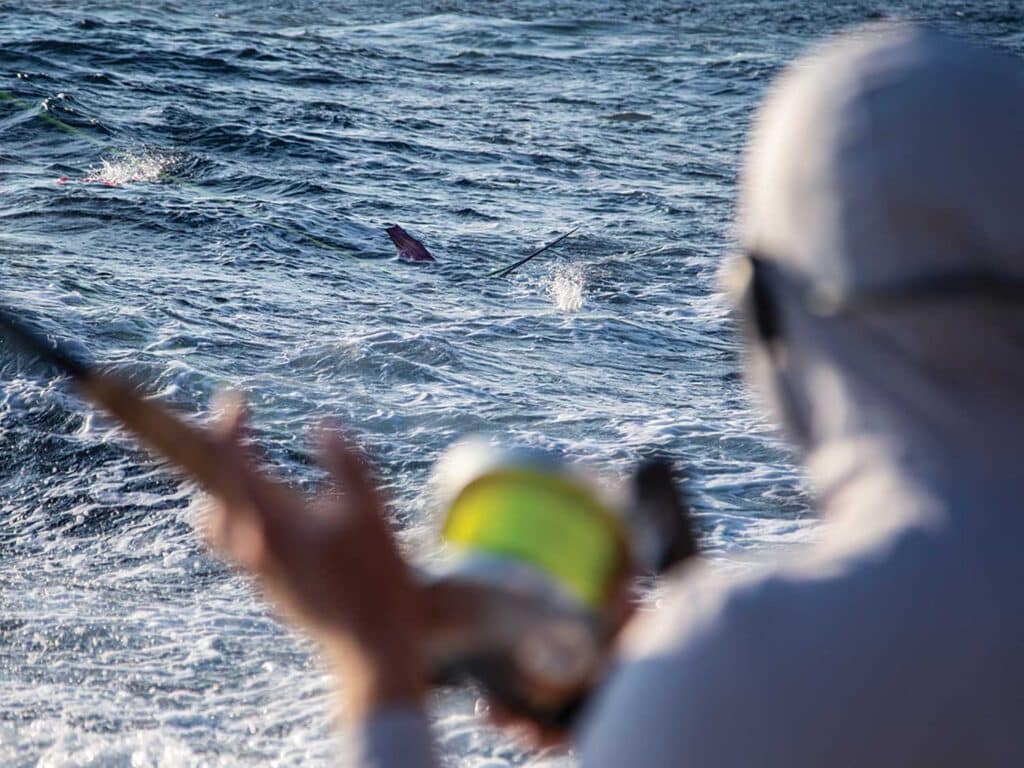
Credit: www.marlinmag.com
Best Offshore Fishing Techniques
Mastering different techniques lets you adapt to any conditions offshore. Each method targets fish in its own way and requires a slightly different approach.
Many successful trips come from being able to switch methods quickly. Some days, trolling is best. Other days, fish are on the bottom or chasing live bait. Knowing each technique helps you respond to changing conditions and stay productive.
Trolling
Trolling involves dragging lures or bait behind a moving boat. This covers a lot of ground and helps you find active fish. Use outriggers to spread lines and avoid tangles.
Speed is key. For tuna or mahi-mahi, try 6-8 knots. For wahoo, increase to 12-15 knots with deep-diving lures. Change up your colors and lure sizes until you find what works.
Trolling tip: Use a zig-zag pattern rather than a straight line. This makes your lures move more naturally and triggers more strikes.
Further detail: Adjust your trolling speed depending on sea conditions and lure type. In rough water, slow down so lures maintain their action. In calm seas, you can speed up. Watch your wake—sometimes, fish will follow directly behind the boat, so running a “shotgun” line far back can be effective.
Non-obvious insight: Add a teaser, such as a bird or daisy chain, to create extra commotion behind the boat. This can bring fish into your spread, increasing your chances of a hookup.
Bottom Fishing
Bottom fishing targets species that live near the ocean floor, like snapper, grouper, and amberjack. Use heavy weights to get your bait down quickly, and a sensitive rod to feel subtle bites.
Anchor up-current of a wreck or reef, drop your bait, and wait. Fresh cut bait often works best. Be ready for sudden, powerful strikes—bottom fish hit hard and dive for cover.
A mistake to avoid: letting your line stay slack. Always keep tension, or you’ll miss bites and risk snags.
Extra tip: Use a two-hook rig for deep drops. This increases your chances of catching multiple fish, and lets you test different baits at once. If fishing very deep (400+ feet), use an electric reel to save your arms and bring fish up quickly.
Non-obvious insight: On some days, fish will only bite right at slack tide or during the first few minutes of an outgoing tide. Track your bites and learn when your spot is most productive.
Live Bait Fishing
Many offshore predators can’t resist a lively baitfish. Rig live bait (like pilchards, mullet, or blue runners) on a circle hook and free-line or slow-troll it near structure or current edges.
Keep your live bait as healthy as possible. Use a well-aerated livewell and handle bait gently. Hook through the nose for trolling, or through the back for free-lining.
A subtle point: Sometimes, using a slightly injured baitfish can trigger more strikes, as predators target the weak.
Further advice: Use the lightest leader you can get away with. Heavy wire or thick mono may scare off cautious fish. If you get short strikes, try dropping down to a smaller hook or lighter leader.
Practical example: For king mackerel, many anglers slow-troll two live baits—one near the surface and one deep. This covers more of the water column and increases your odds.
Jigging
Jigging is a hands-on technique using heavy metal jigs. Drop your jig to the desired depth and use quick, sharp lifts to imitate a fleeing baitfish. This works well for tuna, amberjack, and even grouper.
Vary your speed and rhythm until you find what works. Modern vertical jigs are designed to flutter and flash, drawing attention in deep water.
A beginner’s pitfall: using too light a jig. In deep water, currents can make a 100g jig drift away from the bottom. Heavier jigs (200-300g) often get down faster and stay in the strike zone longer.
Extra detail: Use braided line for jigging. Its thin diameter helps jigs sink faster and gives you more sensitivity to feel hits. Attach a short fluorocarbon leader to avoid spooking fish.
Another tip: Pay attention to the color of your jigs. Bright colors work best in clear water and daylight, while glow jigs excel in deep or low-light conditions.
Top Offshore Target Species And How To Catch Them
Offshore waters hold some of the most exciting species in the world. Each has its own habits, favorite baits, and prime seasons.
- Yellowfin Tuna: Found near temperature breaks and floating debris. Troll with cedar plugs or live bait. They fight hard and dive deep. Look for birds diving or “foamers” (tuna crashing bait on the surface).
- Mahi-Mahi (Dorado): Look for floating weedlines and color changes. Use bright trolling lures or live bait. They jump and run when hooked. Sometimes, one mahi-mahi will follow another to the boat—leave the first hooked fish in the water to keep the school close.
- Wahoo: Fast and toothy, often near current edges. High-speed troll with deep-diving plugs or rigged ballyhoo. Use wire leader to avoid cut-offs.
- Blue Marlin: The ultimate offshore prize. Target deep water with large artificial lures or skipjack tuna as live bait. Use heavy tackle. Watch for bill slashes and acrobatic jumps.
- Sailfish: Prefer warm water and clear color breaks. Slow troll with rigged ballyhoo or pitch live bait when fish are sighted. Jumping sailfish are a thrilling sight—take care to keep the line tight during aerial displays.
- Amberjack: Found around wrecks and reefs. Drop live bait or heavy jigs to the bottom. Expect a tough fight. Amberjack are known as “reef donkeys” because of their stubborn, powerful runs.
- Grouper: Stay close to structure. Use big live or cut bait and stout tackle. They hit hard and try to dive into cover. Be ready to turn their head quickly after the strike.
- Snapper (Red, Mutton, Mangrove): Target reefs and ledges. Use smaller live or cut bait on lighter tackle for a stealthy approach. Snapper often bite best at dawn or dusk.
- King Mackerel: Patrol around bait schools and reefs. Slow-troll live bait or flashy spoons. Use a wire leader to prevent bite-offs.
- Barracuda: Found near reefs and wrecks. Use shiny lures and wire leaders—they have sharp teeth. Barracuda are aggressive and often strike lures right at the boat.
- Sharks (various species): Attracted by scent trails and chumming. Use heavy wire leaders and big cut bait. Catch and release is common—be careful when handling.
- Cobia: Often follow rays or sharks. Sight-cast live eels or jigs when you spot them near the surface. They are curious fish and sometimes swim right up to the boat.
- Swordfish: Deep-water night fishing is best. Use glow-in-the-dark squid rigs and heavy weights to reach 1000+ feet. The bite is often subtle, so watch your rod tip closely.
- Tilefish: Deep drop on muddy bottom. Use electric reels and squid strips at 500-800 feet. Tilefish have delicate, tasty meat and are a prized catch.
- Albacore Tuna: Found in cooler water, often on the move. Troll small feathers or cedar plugs. Albacore travel in schools—if you find one, there are likely more nearby.
A non-obvious insight: Sometimes, rare bycatch like pomfret or escolar can be caught while deep dropping for tilefish or swordfish. These are excellent eating but check local rules before keeping them.
Extra detail: When you catch a fish, note the conditions—water color, depth, temperature, bait, and time of day. This helps you repeat your success and spot patterns over time.
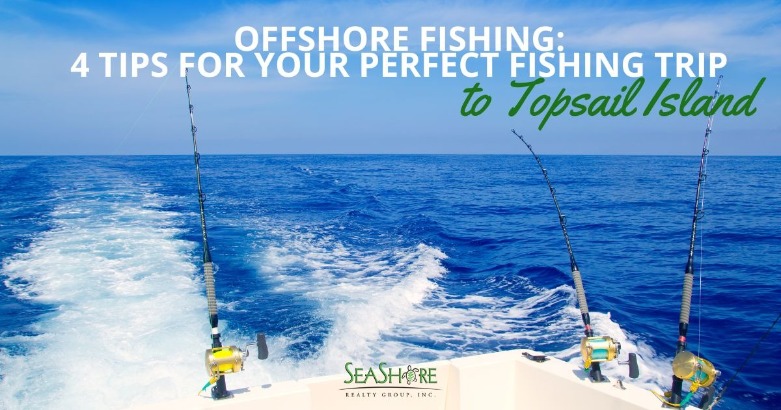
Credit: www.seashorerealtync.com
Safety Tips For Offshore Fishing
The excitement of offshore fishing can make it easy to forget how dangerous the open sea can be. Preparation and caution are non-negotiable.
- Wear life jackets at all times. Even experienced swimmers can get in trouble in rough seas.
- Check all safety gear before leaving the dock: Flares, fire extinguisher, EPIRB (emergency beacon), and first-aid kit.
- Tell someone your plan: Where you’re fishing and when you’ll return.
- Monitor the weather. Storms can move quickly offshore.
- Stay hydrated and use sunscreen. Sun exposure is intense on the open water.
- Know your crew’s abilities. Make sure everyone knows basic safety procedures.
- Keep decks clear of gear to prevent tripping, especially in rough conditions.
- Carry backup navigation tools like a compass and paper chart in case electronics fail.
- Practice man-overboard drills. In an emergency, muscle memory can save lives.
A tip many forget: Always check the bilge pump. A malfunctioning pump can turn a small leak into a disaster.
Extra safety tips:
- Bring extra drinking water and high-energy snacks. Fatigue and dehydration are common offshore.
- Bring seasickness medication, even if you think you don’t need it. Conditions can change, and seasickness can ruin a trip or become dangerous.
- Always have a sharp knife handy to cut tangled lines or free a stuck anchor quickly.
- In hot climates, bring shade (like a bimini top or canopy) to prevent heat exhaustion.
Navigation And Weather Essentials
Good navigation is more than knowing where you are—it’s understanding how the ocean can change around you.
- Use updated electronic charts and GPS. Set waypoints for your route and safe harbors.
- Watch for current changes. Strong currents can quickly carry you miles from your plan.
- Understand weather patterns. Learn to read clouds, wind direction, and barometric pressure.
- Install a reliable VHF radio. Cell phones rarely work far offshore; a VHF can reach the Coast Guard.
- Check sea conditions (wave height, swell, and period) before departure. Even moderate wind can create dangerous waves miles from shore.
- Plan for emergencies: Always have a float plan and backup navigation.
Here’s a quick data table comparing weather sources:
| Weather Source | Coverage | Update Frequency | Reliability |
|---|---|---|---|
| NOAA Marine Forecast | Offshore and coastal | Hourly | High |
| Smartphone Apps | Global | Varies | Medium |
| VHF Radio WX | Coastal/nearshore | Continuous | High |
Two things beginners often miss: Swell period (longer = smoother ride even if waves are tall) and that afternoon storms are common, especially in summer.
Further explanation: Offshore, weather can change rapidly. Clear morning skies can turn into thunderstorms by afternoon, especially in tropical regions. Always have an escape plan and know where the nearest safe harbor is located.
Non-obvious insight: Learn to use radar, if available, to spot rain squalls or other boats in poor visibility. Practicing with radar on calm days helps you stay calm when visibility drops.
Hiring A Charter Vs Going On Your Own
Choosing between a charter boat and your own trip is a major decision.
Charter Advantages:
- Expert crew knows local waters, techniques, and where fish are biting.
- Gear, bait, and safety equipment are supplied.
- Less stress about navigation, weather, and boat handling.
- Great for beginners or those without their own boat.
A professional crew can also help you learn advanced techniques, show you how to rig baits, and explain why certain spots are chosen. Many charters will clean your catch for you, and some even offer to cook it.
Going On Your Own:
- Full control over where and how you fish.
- Learn by doing—build skills and confidence.
- Can be more affordable if you already own gear and split costs with friends.
- Offers privacy and flexibility.
However, first-timers often underestimate the difficulty of handling a boat offshore. Navigation, emergencies, and sudden weather changes are serious risks. Charters are a smart choice for learning local waters and techniques before striking out alone.
Extra detail: If you plan to fish offshore regularly, consider starting with a few charter trips. Watch and ask questions. Many experienced anglers learned the ropes this way. When you do go on your own, start small—try short trips close to shore before venturing further out.
If you go on your own, start with short trips, double-check all gear, and never fish alone.
Offshore Fishing Etiquette And Regulations
Respect for others and the ocean is key to a good offshore experience.
- Give space to other boats. Don’t crowd a good spot—there’s plenty of ocean for everyone.
- Don’t cut across trolling lines of other anglers.
- Release undersized or protected species carefully—use de-hooking tools and venting devices if needed.
- Follow catch limits and size rules. These are in place to protect fish stocks.
- Respect private FADs (fish aggregating devices) and marked research areas.
- Keep noise down. Loud music or yelling can disturb others and sometimes spook fish.
- Dispose of trash properly. Never throw plastic or gear overboard.
Regulations change often. Check local laws before every trip. Some species (like Atlantic bluefin tuna) are tightly regulated and require special permits.
A helpful resource for current rules is the National Marine Fisheries Service.
Extra etiquette tips:
- When releasing fish, do so gently and quickly. Use wet hands or gloves to avoid damaging the fish’s protective slime.
- If another boat arrives at your spot, acknowledge them and communicate. Sometimes, sharing a spot is unavoidable—courtesy goes a long way.
- If you see tangled gear, lost buoys, or drifting nets, report them to local authorities. This helps keep the ocean safe for everyone.
Non-obvious insight: Some regions require you to report catches of certain species (like billfish or sharks) even if you release them. This data helps scientists manage fish stocks.

Credit: www.fathomoffshore.com
Frequently Asked Questions
What Is The Difference Between Offshore And Deep Sea Fishing?
Offshore fishing usually means fishing beyond the sight of land, often several miles out, in waters deeper than 100 feet. Deep sea fishing is a type of offshore fishing that targets the deepest parts of the ocean, often for species like swordfish and tilefish at depths of 500-2000 feet. Both require similar gear and safety precautions, but deep sea fishing uses specialized equipment for extreme depths.
Extra detail: Deep sea fishing often involves overnight trips, electric reels, and heavy rigs to reach the bottom. Offshore fishing can be done in a single day and often targets fish higher in the water column.
What’s The Best Time Of Year For Offshore Fishing?
The best time varies by location and target species. For example, summer and fall are great for tuna and marlin in the Atlantic. Spring brings mahi-mahi and kingfish closer to shore. Local guides and fishing reports provide up-to-date info. Always check seasonal closures and migratory patterns for your area.
Example: In Florida, sailfish peak in winter, while mahi-mahi are best in late spring and early summer. In California, bluefin tuna are most common in summer.
Pro tip: Use local fishing forums or social media groups to track recent catches. Conditions change quickly, and real-time info is valuable.
How Much Does Offshore Fishing Gear Cost?
Starter offshore setups can range from $300-$700 for a rod and reel combo. High-end gear for big marlin or tuna can cost $1,000 or more each. Don’t forget extras like tackle, safety equipment, and electronics. Many anglers start by renting or joining a charter to try out gear before buying.
Extra tip: Look for used gear from reputable dealers or local anglers. Quality saltwater gear is durable and often available secondhand.
How Do I Keep Bait Fresh For Offshore Fishing?
A well-aerated livewell is key for live bait. For dead bait, keep it on ice but not submerged in water—drain melted ice regularly. Use insulated coolers and keep bait out of direct sun. Some anglers salt their bait for extra toughness.
Extra detail: Change out water in the livewell regularly to keep oxygen levels high. Use a dip net rather than your hands to avoid injuring baitfish.
Is Offshore Fishing Dangerous?
Offshore fishing carries risks: weather, waves, equipment failure, and medical emergencies. Preparation is crucial. Always check the forecast, wear life jackets, and carry all required safety gear. Never go alone if you’re inexperienced. Charters are a safer option for learning the ropes.
Non-obvious insight: Even small injuries (like cuts or sunburn) can become serious offshore due to the environment. Bring a full first-aid kit and know how to use it.
—
The thrill of offshore fishing comes from the unknown—the chance to battle wild fish in their domain, far from shore. With the right preparation, gear, and respect for the ocean, you can enjoy the adventure safely and successfully. Whether you choose to hire a charter or go on your own, the ocean is waiting.
When you’re ready, explore our charter and gear guides to help you prepare for your next offshore trip. Tight lines!
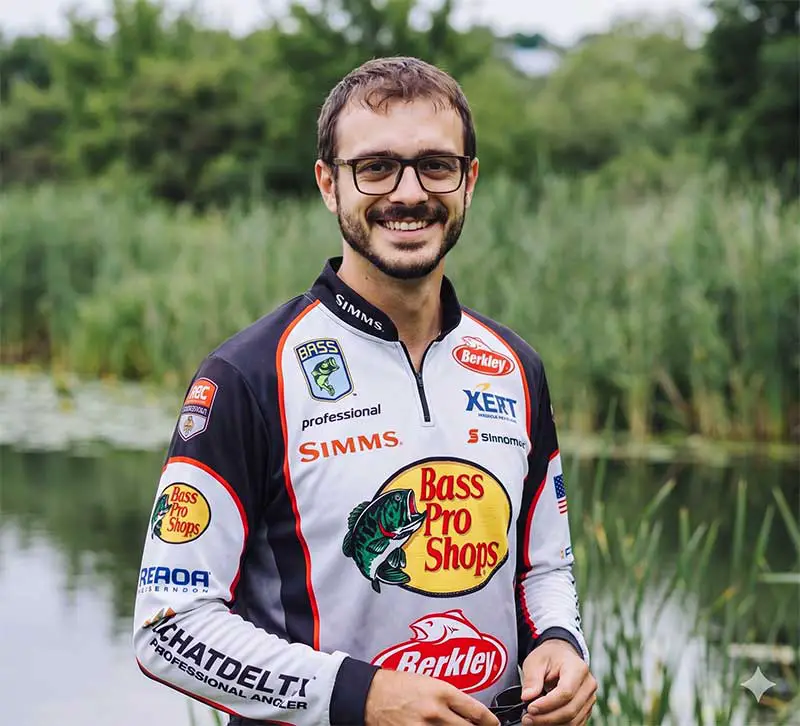
Tony L. Smith is a dedicated fishing expert with over 15 years of hands-on experience in freshwater and saltwater environments. As the founder of FishingStaff, Tony is committed to demystifying fishing gear for beginners and budget-conscious anglers who refuse to compromise on quality. Learn more about Tony & find him on Twitter. Happy reading!