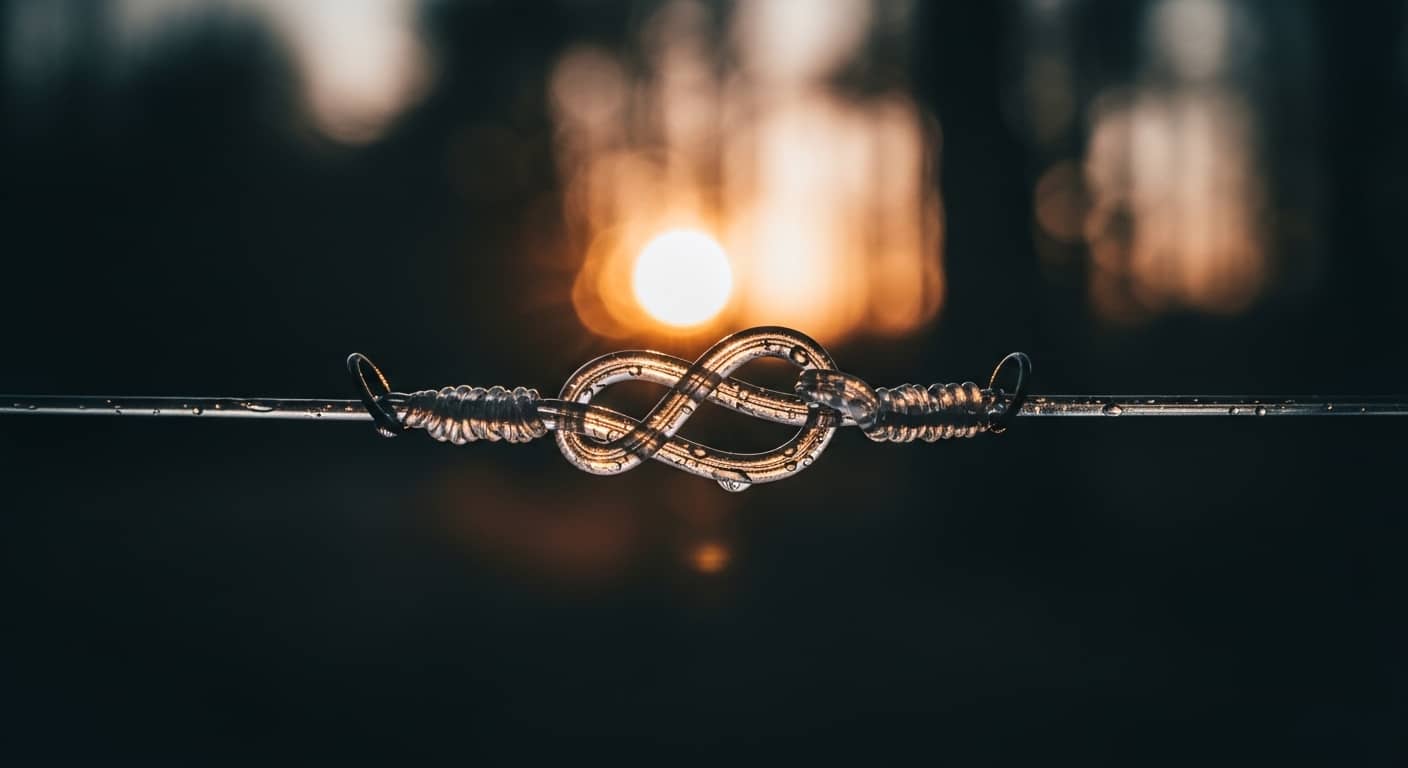
The improved clinch knot is one of the most trusted fishing knots worldwide. Anglers of all levels rely on it to tie hooks, lures, and swivels to their fishing line. Its popularity comes from three main things: it’s easy to learn, fast to tie, and strong enough for most freshwater and saltwater fishing. Many experts consider the improved clinch knot a “must-know” for anyone serious about fishing. In fact, this simple knot can be found in almost every fishing guide and manual. If you want a knot that holds tight and is easy to tie even with cold hands, the improved clinch knot is an excellent choice.
When To Use The Improved Clinch Knot
The improved clinch knot is best for tying terminal tackle (hooks, swivels, snaps) to the end of your line. It works especially well with light to medium-weight lines. If you’re using monofilament or fluorocarbon line, this knot provides a reliable hold.
It’s a go-to knot for:
- Attaching hooks for bait fishing
- Tying on lures for spinning or baitcasting
- Connecting small swivels or snaps
However, it is less suited for very heavy lines or braided line, as slippage can occur. For braid, some anglers prefer the Palomar knot.
Step-by-step Tying Instructions (6 Steps With Images)
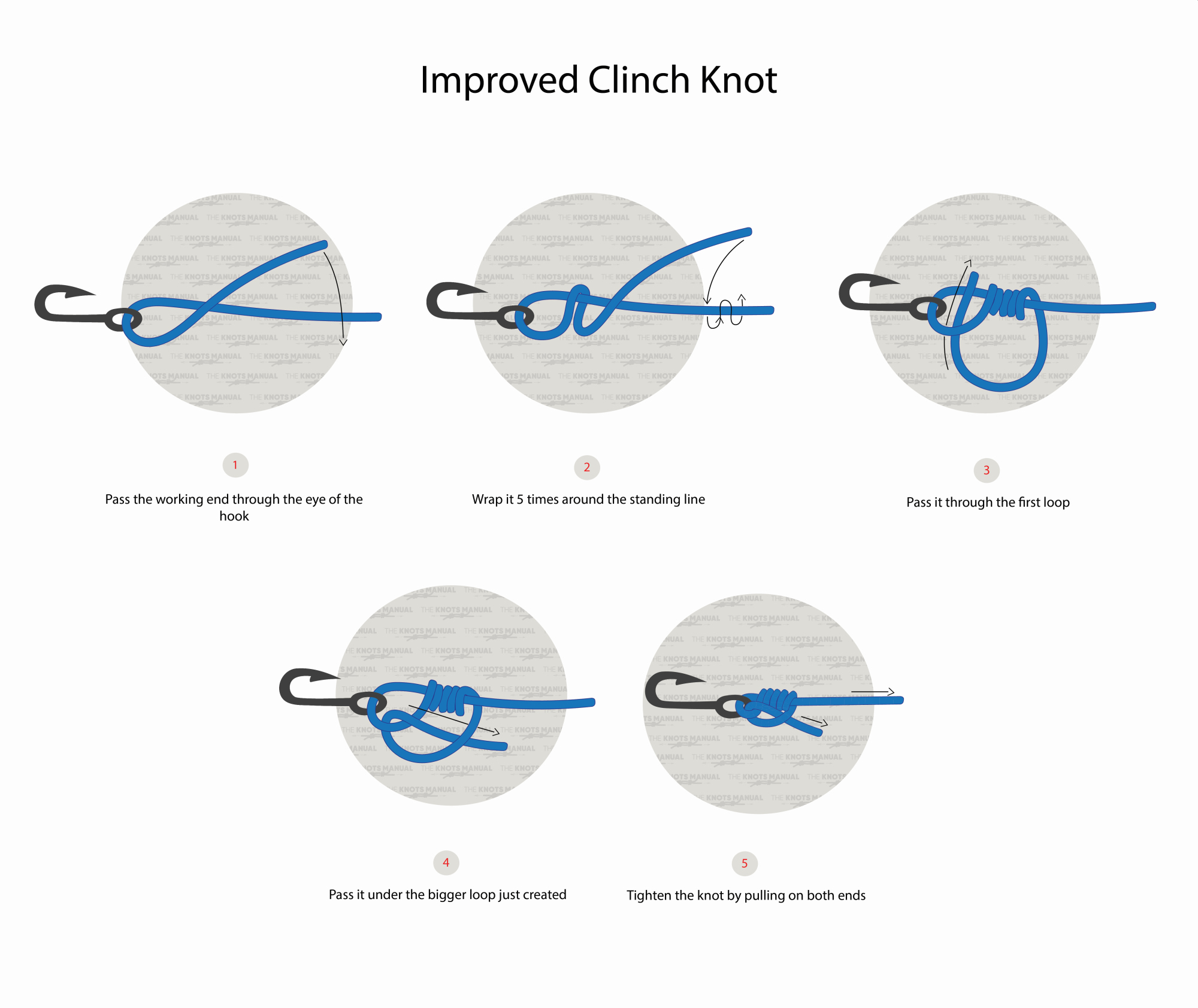
Tying the improved clinch knot is simple, but small mistakes can weaken it. Follow these six steps closely. (Imagine each step as a clear diagram. )
1. Thread The Line
Pass the end of your line through the eye of the hook, lure, or swivel. Leave about 6 inches of tag end.
2. Make The Wraps
Wrap the tag end around the standing line 5 to 7 times. More wraps are better for thin line, fewer for thick.
3. Pass Through The Loop
Take the tag end and pass it through the small loop just above the hook eye.
4. Pass Through The Big Loop
Now, bring the tag end through the large loop you just made.
5. Tighten The Knot
Moisten the knot with water or saliva. Pull the tag end and standing line slowly to tighten. The coils should snug neatly together.
6. Trim The Tag End
Use scissors or clippers to cut off the extra tag end, leaving about 1/8 inch.
Many anglers forget to moisten the knot before tightening. This step reduces friction and prevents the line from weakening.
Credit: grimreaperlures.com
How Many Wraps Should You Use?
The number of wraps depends on your line thickness. For most lines, 5 to 7 wraps are ideal. Here’s a quick guide:
| Line Strength (lb) | Recommended Wraps |
|---|---|
| 2–8 lb | 6–7 wraps |
| 10–20 lb | 5–6 wraps |
| 25+ lb | 4–5 wraps |
Thinner line needs more wraps to prevent slipping. Thick or stiff line works better with fewer wraps, as too many can make the knot bulky and hard to tighten.
Improved Clinch Knot With Monofilament
The improved clinch knot is almost made for monofilament line. Mono is flexible and grips itself well, so this knot holds strong.
Tips for monofilament:
- Use 6–7 wraps for lines below 10 lb.
- Always wet the knot before tightening to prevent heat damage.
- Test the knot by pulling hard on both ends before fishing.
Monofilament tends to “bite” into itself, making the improved clinch knot reliable for most freshwater and light saltwater fishing.

Credit: flyfishcircle.com
Improved Clinch Knot With Fluorocarbon
Fluorocarbon line is stiffer and slicker than monofilament. The improved clinch knot still works, but a few tweaks help.
Best practice:
- Use 7 wraps for lines under 10 lb, 6 wraps for heavier lines.
- Pull slowly and evenly to avoid line burn.
- Some anglers double the line through the hook eye for extra security.
Fluorocarbon’s stiffness can make the knot slip if not tied carefully. Always check that the coils stack neatly and the tag end is trimmed.
Clinch Knot Vs Improved Clinch Knot — What’s The Difference?
The improved clinch knot is a stronger version of the original clinch knot. Here’s how they compare:
| Knot | Key Difference | Strength |
|---|---|---|
| Clinch Knot | Tag end passes once through the first loop | Good, but weaker than improved |
| Improved Clinch Knot | Tag end passes through both the first and big loop | Stronger and more secure |
The extra step in the improved version makes the knot less likely to slip, especially with lighter lines.

Credit: www.wikihow.com
Clinch Knot Vs Palomar Knot — Which Is Stronger?
The Palomar knot is another favorite among anglers, especially for braided lines. But how does it compare with the improved clinch knot?
| Knot | Best Use | Strength (%) |
|---|---|---|
| Improved Clinch | Monofilament, Fluorocarbon | 85–90% |
| Palomar | Braided, Mono, Fluorocarbon | 95–100% |
The Palomar knot often tests stronger, but the improved clinch is easier to tie in tight spots or with small hook eyes. For most situations, either knot will do the job, but if maximum strength is your priority, the Palomar is better.
Common Mistakes
Many beginners make simple errors that weaken the improved clinch knot. Avoid these common mistakes:
- Not wetting the knot before tightening. This can cause friction, which weakens the line.
- Too few wraps for thin lines, leading to slippage.
- Uneven coils that cross over each other, making the knot less secure.
- Pulling too fast when tightening, which creates heat and weakens the knot.
- Not testing the knot after tying. Always give a strong pull before you start fishing.
A non-obvious tip: Always leave a small tag end (at least 1/8 inch). If the tag is cut too short, it may slip through under heavy load.
Frequently Asked Questions
What Is The Improved Clinch Knot Best For?
The improved clinch knot is best for tying hooks, lures, and swivels to monofilament or fluorocarbon lines. It’s strong, simple, and reliable for most freshwater fishing and light saltwater use.
Can I Use The Improved Clinch Knot With Braided Line?
It’s possible, but not ideal. Braided line is very slippery, so the improved clinch knot may slip under heavy pressure. The Palomar knot or Uni knot is better for braid.
How Do I Know If My Knot Is Tied Correctly?
The coils should be neat and stacked, with no overlaps. The knot should tighten smoothly when you pull both ends. Always test the knot by pulling hard before fishing.
Why Did My Knot Slip Or Break?
Common reasons are not enough wraps, not wetting the knot before tightening, or trimming the tag end too close. Also, check your line for nicks or damage before tying.
Is There A Stronger Knot Than The Improved Clinch Knot?
Yes, the Palomar knot is usually stronger, especially for braided line. But for monofilament and fluorocarbon, the improved clinch is strong enough for most fishing situations.
The improved clinch knot remains a classic for good reason. It’s fast to tie, strong, and works with most common fishing lines. By learning the correct steps and avoiding common mistakes, you’ll enjoy fewer lost fish and more time on the water. For more fishing knots, tips, and expert advice, visit the Wikipedia list of fishing knots. With practice, the improved clinch knot will become second nature, making your fishing experience smoother and more successful.

Tony L. Smith is a dedicated fishing expert with over 15 years of hands-on experience in freshwater and saltwater environments. As the founder of FishingStaff, Tony is committed to demystifying fishing gear for beginners and budget-conscious anglers who refuse to compromise on quality. Learn more about Tony & find him on Twitter. Happy reading!