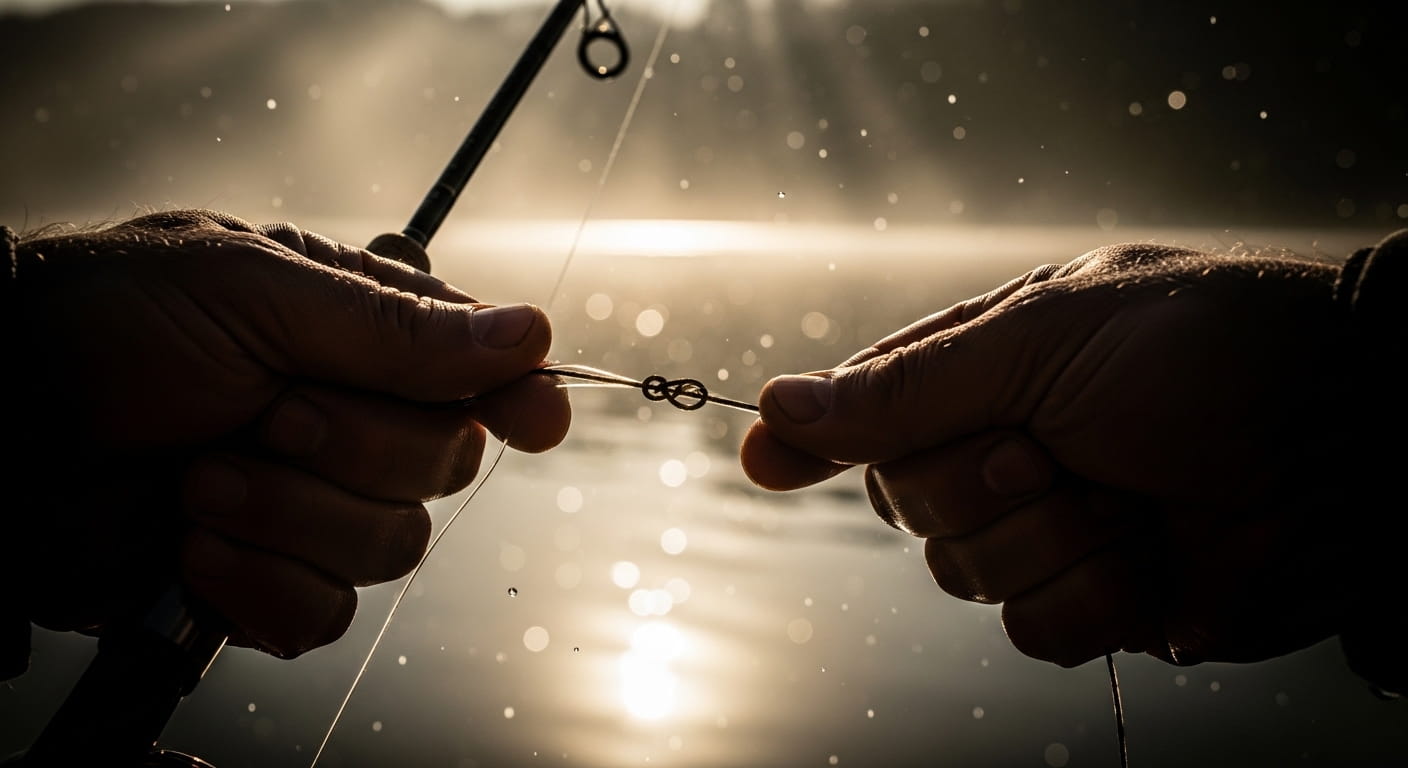
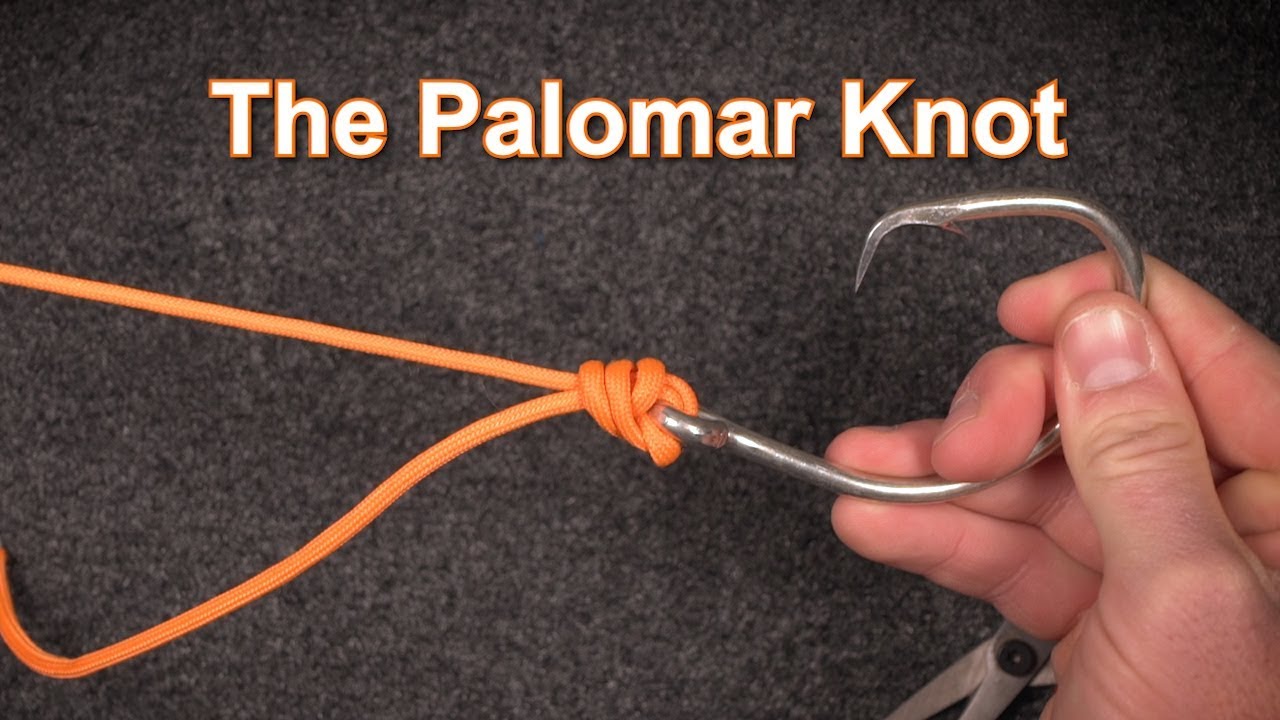
The Palomar knot is often called the most reliable fishing knot for connecting a hook, swivel, or lure to a line. Anglers trust it because of its exceptional strength—it maintains nearly 100% of the original line strength when tied correctly. Unlike many knots that can slip or weaken under pressure, the Palomar holds firm, even with slick braided lines. It’s also quick to tie, simple to remember, and works well with different line types, making it a top choice for both beginners and professionals. If you want a knot that won’t fail when you hook a big fish, the Palomar should be your go-to.
When To Use The Palomar Knot
The Palomar knot shines in several fishing situations. Use it when you need to tie on a hook, a swivel, or a lure. Its strength makes it ideal for targeting larger fish or fishing in heavy cover, where your line could rub against rocks or vegetation.
This knot is also recommended when:
- Using braided line, which is slippery and can cause other knots to slip
- Fishing with fluorocarbon or monofilament lines
- Attaching a drop shot hook for finesse techniques
- You want a knot that’s fast to tie, even in low light or with cold, wet hands
One non-obvious advantage: the Palomar knot’s double line through the hook eye gives extra abrasion resistance, which can save your catch if the eye has sharp edges.
Step-by-step Instructions
Tying the Palomar knot is simple, but accuracy is important. Here’s a clear five-step guide. You can follow these steps even if you’re a beginner.
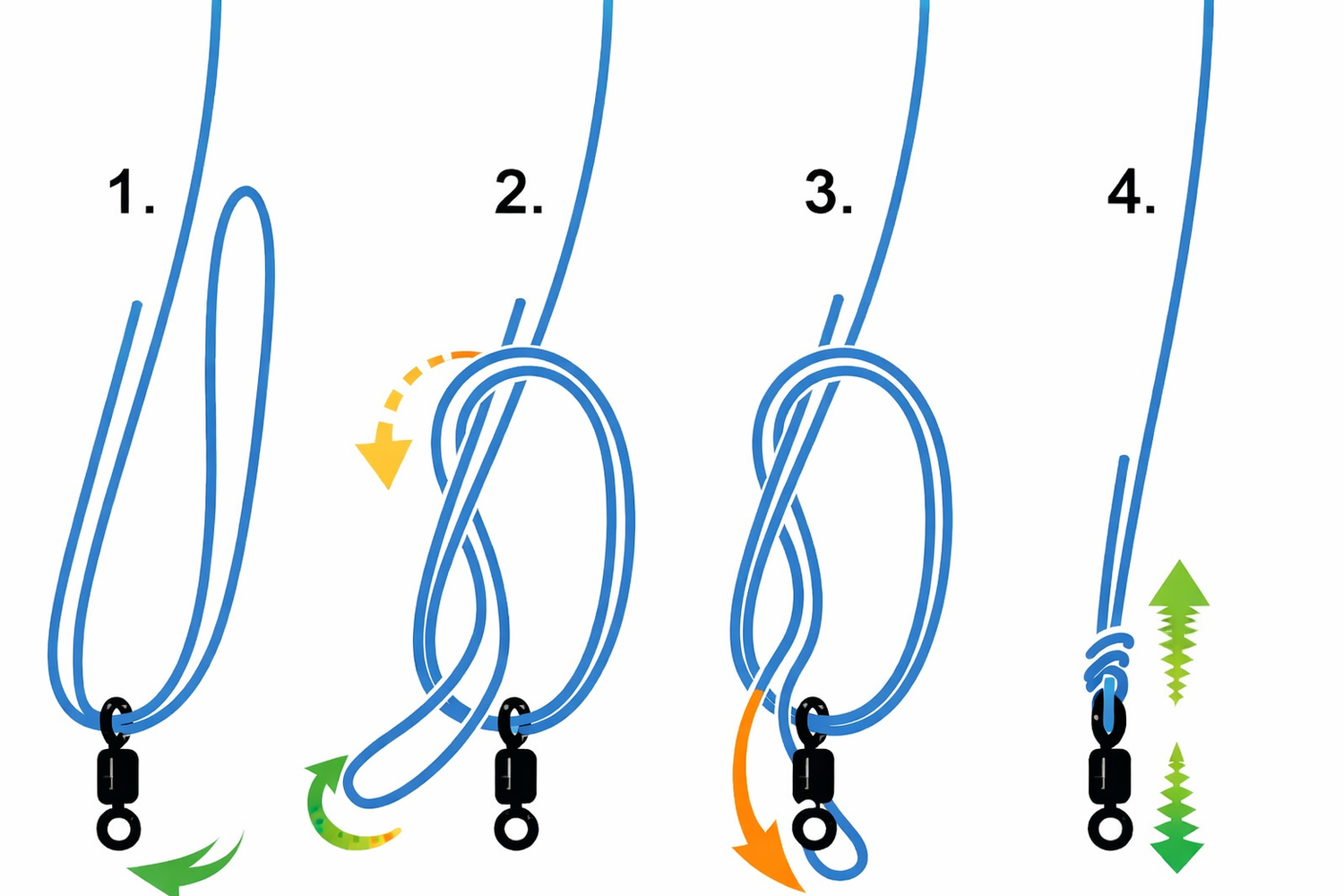
Step 1: Double The Line
Take about 6 inches (15 cm) of your line and double it back to form a loop. Pass this loop through the eye of your hook or lure.
*Image 1: Doubling line and passing through hook eye*
Step 2: Tie An Overhand Knot
With both the tag end and standing part, tie a simple overhand knot (like the first step in tying your shoes), but don’t pull it tight.
*Image 2: Overhand knot tied with doubled line*
Step 3: Pass Hook Through Loop
Take the hook or lure and pass it through the loop you made in Step 2.
*Image 3: Hook being threaded through the loop*
Step 4: Moisten And Tighten
Moisten the knot with water or saliva. This reduces friction and helps the knot tighten smoothly without damaging the line. Pull on both the main line and the tag end to snug the knot down against the eye.
*Image 4: Knot being tightened and seated against the eye*
Step 5: Trim The Tag End
Use scissors or clippers to trim the tag end close to the knot, leaving a small bit for security.
*Image 5: Finished Palomar knot, tag trimmed*
Many beginners miss the importance of moistening the knot. Skipping this step can weaken your line by up to 50%.
Credit: saltyscales.com
Palomar Knot With Braided Line — Tips
Braided line is popular for its strength and sensitivity, but it’s slippery. The Palomar knot is one of the few knots that holds well with braid, but a few adjustments improve performance:
- Double-check the loop: Make sure your doubled line is flat and not twisted when tying the knot.
- Make the loop longer: Use at least 8–10 inches of doubled braid. This helps pass larger lures or hooks through the loop without tangling.
- Pull evenly: When tightening, pull both the main line and tag end together, so the knot seats cleanly.
- Check for slippage: After tying, give a strong pull to test the knot. If it slips, retie with a longer loop.
A hidden tip: Some anglers add a small “stopper knot” with the tag end for extra insurance, but with braid, the standard Palomar is usually enough if tied correctly.
Palomar Knot With Fluorocarbon — Tips
Fluorocarbon line is stiff and prone to “memory” (it keeps the shape of the spool). The Palomar knot works well, but you need a bit of care:
- Moisten well: Fluorocarbon can get damaged from friction, so always moisten generously before pulling tight.
- Tighten slowly: Pull the knot down gently and evenly. If you rush, fluorocarbon can burn or “bite” itself, creating weak spots.
- Inspect the knot: Look for any kinks or twists before trimming. A clean knot will be stronger and last longer.
A pro insight: If your fluorocarbon is very thick (over 20 lb), consider using a slightly larger hook eye so the doubled line passes through easily.

Credit: www.woolyyarn.com
Common Palomar Knot Mistakes
Even simple knots can fail if tied incorrectly. Here are mistakes to avoid:
- Crossed lines in the knot: If your doubled line crosses itself, the knot can cut into itself and fail.
- Not moistening the knot: Dry knots create heat and weaken the line, especially with fluorocarbon and braid.
- Tag end too short: Leave at least 1/8 inch (3 mm) of tag. If you cut too close, the knot can slip under heavy load.
- Twisted loop: Make sure the loop stays flat and untwisted before passing the hook through.
- Not tightening fully: If the knot isn’t snugged tight against the hook eye, it can slip or unravel during a fight.
Many anglers learn the Palomar quickly but get “lazy” and skip steps, leading to lost fish. Practice tying the knot at home until you can do it perfectly every time.
Palomar Knot Strength Vs Clinch Knot
How does the Palomar knot compare to the popular clinch knot? Here’s a quick look:
| Knot | Average Strength | Best Line Types | Ease of Tying |
|---|---|---|---|
| Palomar Knot | 95–100% line strength | Braid, mono, fluorocarbon | Easy |
| Clinch Knot | 75–80% line strength | Mono, light fluorocarbon | Easy |
Palomar knot is stronger, especially with braided and heavier fluorocarbon lines. The clinch knot is easier for very small hooks or ultra-light lines but is more likely to slip with braid.
Another key difference: The clinch knot wraps the line around itself, which can create weak spots if not tied perfectly. The Palomar uses a doubled line through the eye, so the stress is spread out more evenly.
Credit: www.youtube.com
Frequently Asked Questions
What Is The Main Advantage Of The Palomar Knot?
The main advantage is high strength—it keeps almost all of your line’s breaking strength and is very unlikely to slip or fail if tied correctly.
Can The Palomar Knot Be Used For All Fishing Lines?
Yes, it works with monofilament, fluorocarbon, and braided line. It’s especially recommended for braid, where other knots often slip.
Is The Palomar Knot Good For Lures And Swivels?
Absolutely. The Palomar is ideal for tying on lures, swivels, and hooks. Just make sure the hook or lure can fit through the doubled loop during tying.
Why Does My Palomar Knot Keep Slipping?
Slippage usually means the knot was not tightened fully, or the tag end was cut too short. Always moisten, pull tight, and leave a small tag.
How Does The Palomar Knot Compare To Other Knots For Beginners?
The Palomar is one of the easiest strong knots for beginners to learn. It’s simple, quick, and hard to mess up if you follow the steps.
If you’re looking to master more knots or compare their strengths, you can learn about other reliable fishing knots at the List of fishing knots.
Whether you’re chasing trophy fish or just starting, the Palomar knot is a skill that will serve you well on the water. Practice a few times at home, and you’ll tie it fast and confidently every trip.

Tony L. Smith is a dedicated fishing expert with over 15 years of hands-on experience in freshwater and saltwater environments. As the founder of FishingStaff, Tony is committed to demystifying fishing gear for beginners and budget-conscious anglers who refuse to compromise on quality. Learn more about Tony & find him on Twitter. Happy reading!