The Quick Answer — Pound Test By Fish Size
If you’re standing at a tackle shop, wondering “what lb test fishing line should I use?”, here’s a fast rule: match the pound test to the size of fish you expect to catch. For small fish like bluegill or trout, a 4 lb test or 6 lb test line is enough. For bigger fish such as bass or walleye, a 10 lb test works well. Targeting large catfish or pike? Go with 20 lb test or higher. This basic pound test fishing line guide can save you headaches and lost fish. But pound test isn’t just about strength. Line type, reel, rod rating, and even your fishing location all matter. Let’s break down the details so you can make confident choices for every situation.
What Is Pound Test And What Does It Mean?
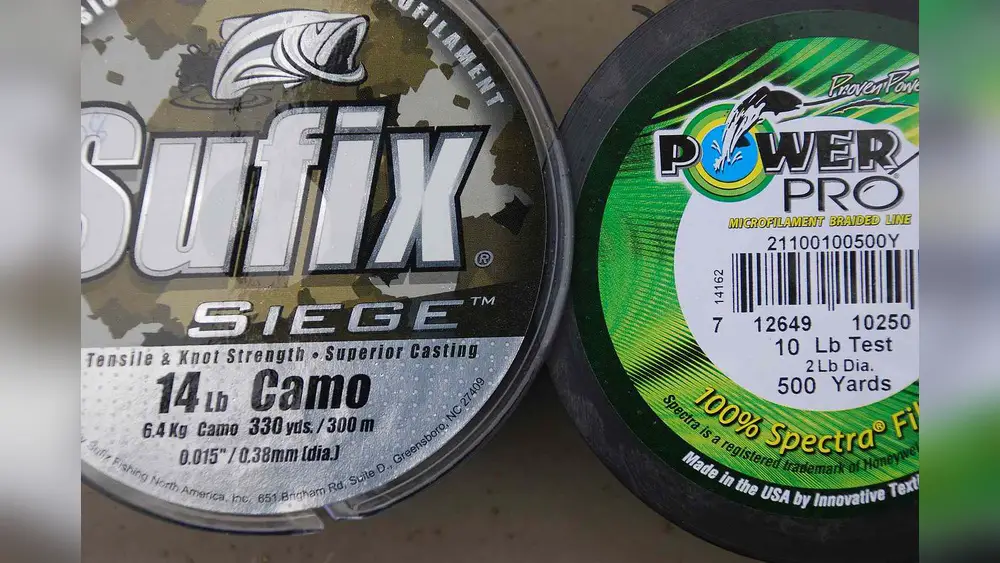
The term pound test describes the strength of your fishing line. It tells you how much weight the line can hold before it breaks. For example, a 10 lb test line can handle up to 10 pounds of force. The number isn’t about the weight of the fish itself—it’s the maximum straight pull the line can take.
You’ll see numbers like 4 lb test, 6 lb test, 10 lb test, and 20 lb test printed on line packaging. These numbers help anglers choose the right fishing line weight for their target species, fishing style, and conditions.
But here’s something many beginners miss: real fish pull much harder than their weight, especially during a fight. Plus, fishing knots, abrasion, and sudden jerks can weaken your line. That’s why experienced anglers often use a line strength higher than the fish’s actual weight.
There are three main types of fishing lines:
- Monofilament: Flexible, easy to use, good for beginners.
- Braided: Strong, thin, less stretch, great for heavy cover or big fish.
- Fluorocarbon: Nearly invisible underwater, tough, good for clear water.
Each line type has its own strength-to-diameter ratio, so a 10 lb test braid is thinner than a 10 lb test mono. Always check the line’s diameter and match it to your reel and rod.
Pound Test By Target Fish Species
Choosing the right fishing line strength depends heavily on what you’re targeting. Let’s look at some common freshwater and saltwater species, the recommended pound test, and the best line type for each.
| Fish Species | Recommended Pound Test | Line Type |
|---|---|---|
| Bluegill / Sunfish | 2–6 lb test | Monofilament |
| Trout (small streams) | 4–6 lb test | Fluorocarbon or Monofilament |
| Bass (largemouth) | 8–15 lb test | Braided or Monofilament |
| Walleye | 8–12 lb test | Monofilament |
| Pike / Muskie | 20–40 lb test | Braided |
| Catfish | 15–30 lb test | Braided or Monofilament |
| Redfish / Snook (saltwater) | 15–25 lb test | Braided |
| Snapper / Grouper (saltwater) | 20–50 lb test | Braided |
Notice how bigger, harder-fighting fish need stronger lines. For species-specific fishing, always check local guides or ask experienced anglers.
Insight: Many beginners only look at fish size but forget about the fish’s habitat. If you’re fishing in heavy cover (logs, weeds), use a stronger line to avoid break-offs. If you’re in clear, open water, you can use lighter line for better lure presentation.
Pound Test For Spinning Reels
Spinning reels are popular for their versatility and ease of use. They handle light to medium lines well. Here’s how to choose fishing line weight for spinning setups:
- 4 lb test – 8 lb test: Great for panfish, trout, and smaller bass. These lighter lines cast farther and offer better sensitivity.
- 10 lb test – 12 lb test: Ideal for bigger bass, walleye, or moderate saltwater species.
- 15 lb test and above: Use only if your spinning reel is rated for heavy lines. Most spinning reels perform best with lines under 12 lb test.
| Line Type | Recommended Pound Test | Best Use |
|---|---|---|
| Monofilament | 4–12 lb test | General freshwater |
| Fluorocarbon | 6–10 lb test | Clear water, finesse |
| Braided | 10–20 lb test | Heavy cover, saltwater |
Common mistake: Overfilling a spinning reel with heavy line can cause tangles and poor casting. Always check your reel’s recommended line range.
Pound Test For Baitcasting Reels
Baitcasting reels are designed for heavier lines and bigger fish. They handle thick lines better and are perfect for bass, pike, and saltwater species.
- 10 lb test – 20 lb test: The sweet spot for most freshwater baitcasting setups.
- 20 lb test – 50 lb test: For targeting trophy fish or fishing in dense cover.
Baitcasters perform best with braided or heavy monofilament. You can use a lighter fluorocarbon leader for stealth if needed.
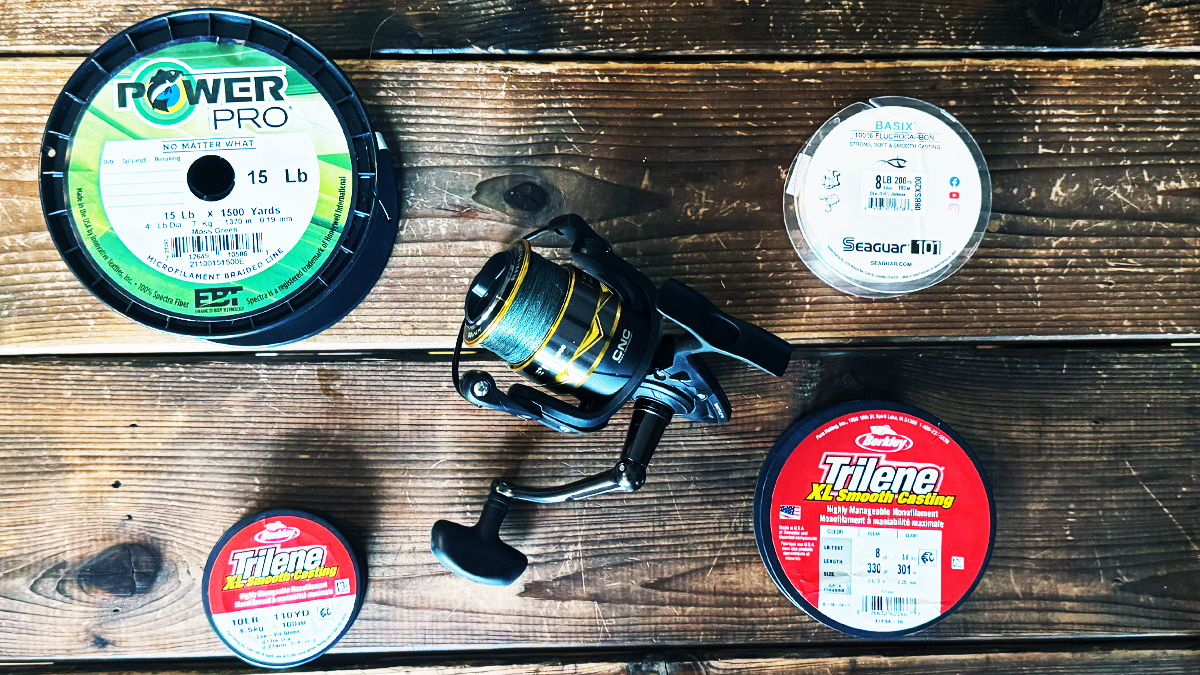
Non-obvious tip: If you use a drag setting lower than the line strength, you reduce the chance of breaking your line during sudden runs. For example, with a 20 lb test line, set your drag at 15 lbs to allow some give.
Credit: www.wired2fish.com
Pound Test For Surf Fishing
Surf fishing means casting from the shore into ocean waves. You need strong lines to handle saltwater species, rough water, and long casts.
- 15 lb test – 25 lb test: Good for smaller surf species like whiting or croaker.
- 30 lb test – 50 lb test: Needed for stripers, redfish, or sharks.
| Surf Species | Pound Test Range | Line Type |
|---|---|---|
| Whiting / Croaker | 15–20 lb test | Monofilament |
| Striped Bass | 20–30 lb test | Braided |
| Redfish | 25–40 lb test | Braided |
| Sharks | 40–50 lb test | Braided |
Extra insight: Surf fishing often means long casts. Thinner braid lets you fit more line on your spool, giving you better casting distance and more room for big fish to run.
Pound Test For Kids And Beginners
For young anglers or those just starting, simpler is better. Choose monofilament line in 4 lb test – 8 lb test range. This covers most small freshwater species and keeps tangles to a minimum.
- 4 lb test: Perfect for bluegill, perch, and small trout.
- 6 lb test: More forgiving for larger trout or small bass.
- 8 lb test: Handles bigger fish, still easy to manage.
Beginner mistake: Using heavy line because it “won’t break.” Heavy line makes casting harder, reduces bites, and can frustrate kids. Light line teaches good technique and improves catch rates.

Credit: www.youtube.com
Does The Rod Rating Matter?
Absolutely. Your rod has a line rating printed near the handle. This tells you the range of pound test it’s designed for. Using line outside this range can damage your rod or reduce performance.
For example, a rod rated for 6–12 lb test is best with lines in that range. Too heavy, and the rod won’t bend properly; too light, and you risk breaking the line during hooksets.
Rod rating also helps you set the right drag setting. If your rod is rated for 10 lb line, set your reel drag to about 8 lbs. This lets the rod absorb shocks and protects your line.
Overlooked detail: Many anglers ignore rod rating and just use the strongest line possible. This leads to lost fish, broken gear, and poor casting. Always match line strength to your rod for the best results.
Frequently Asked Questions
What Is The Best Pound Test Fishing Line For Bass?
For largemouth bass, use 10–15 lb test on baitcasting reels, and 8–12 lb test on spinning reels. If fishing in heavy cover, go up to 20 lb test braided line.
Can I Use A Higher Pound Test Than My Rod Rating?
It’s not recommended. Using a line stronger than your rod’s rating can damage the rod and hurt casting distance. Always stay within the rod rating for safety and performance.
What Lb Test Fishing Line Should I Use For Trout?
For trout in streams or lakes, 4 lb test to 6 lb test is ideal. Use fluorocarbon if the water is clear and fish are shy. For larger trout, go up to 8 lb test.
How Does Fishing Line Weight Affect Casting?
Heavier lines are thicker and reduce casting distance, especially on spinning reels. Lighter lines cast farther and are more sensitive, but can break more easily. Match your fishing line weight to your gear and fish size.
Is Braided Line Always Better?
Braided line is stronger and thinner, but it’s more visible in the water and doesn’t stretch. Use braided for heavy cover or big fish, but choose monofilament or fluorocarbon for finesse, clear water, or when fish are cautious. Learn more about line choices at TackleTour.
Whether you’re planning a trip for trout, bass, or saltwater giants, picking the right pound test fishing line makes a huge difference. Use the pound test fishing line guide above, consider your rod rating, and always match your setup to the fish and conditions. With the right line, you’ll catch more fish—and enjoy more time on the water.
Credit: kastking.com

Tony L. Smith is a dedicated fishing expert with over 15 years of hands-on experience in freshwater and saltwater environments. As the founder of FishingStaff, Tony is committed to demystifying fishing gear for beginners and budget-conscious anglers who refuse to compromise on quality. Learn more about Tony & find him on Twitter. Happy reading!