The blood knot is a classic fishing knot used by anglers to join two fishing lines. It’s especially popular among fly fishers for connecting tippet and leader materials. This knot creates a strong, slim connection that slides easily through rod guides. Fly anglers love the blood knot because it keeps their rigs neat and preserves line strength. It works best with lines of similar diameter and pound test. If you’re learning how to tie a blood knot, knowing the steps and common mistakes will make your fishing trips smoother.
When To Use The Blood Knot
The blood knot is ideal for joining lines of similar diameter and pound test. Anglers use it when they need a reliable connection that won’t snag or weaken the line. Typical situations include:
- Connecting fly fishing tippet to a leader
- Joining two monofilament lines
- Repairing broken lines
- Building custom leaders
It’s less suitable for lines with very different thicknesses or braided lines. For those, other knots may perform better.
Step-by-step Tying Instructions (with Images)
Learning the blood knot step by step makes the process easier. Here’s how to tie a blood knot for fishing line:
- Overlap the lines: Place the ends of the two lines next to each other, overlapping by 6–8 inches.
- Make 5 wraps: Take one tag end and wrap it around the other line 5 times. Pass this tag end back through the middle, between the two lines.
- Repeat wraps: Take the second tag end and wrap it around the other line 5 times as well. Pass this end back through the middle, in the opposite direction.
- Tighten: Moisten the knot and pull both standing lines in opposite directions. The wraps will tighten and slide together.
- Trim: Cut off the tag ends close to the knot for a clean finish.
Here’s a visual guide:

For easy comparison, see how the blood knot works with different line types:
| Line Type | Blood Knot Suitability |
|---|---|
| Monofilament | Excellent |
| Fluorocarbon | Good |
| Braided | Poor |
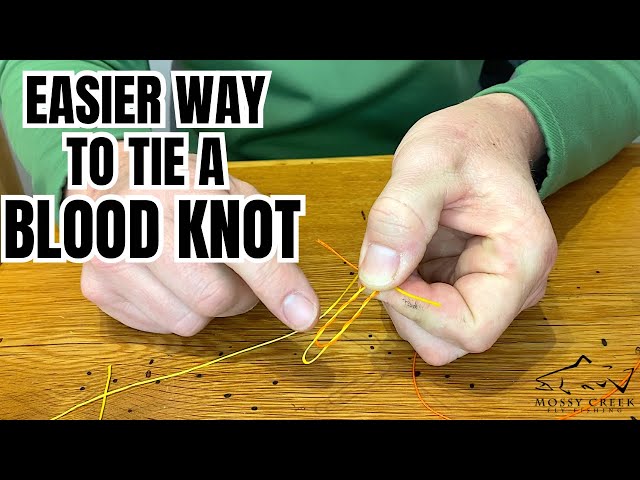
Credit: www.youtube.com
Blood Knot Tips For Success
Getting the blood knot right involves more than just following steps:
- Use similar diameter lines for best results. If lines differ too much, the knot may slip.
- Moisten the knot before tightening. This reduces friction and prevents line damage.
- Keep wraps neat and tight. Loose coils can weaken the knot.
- Trim tags closely but avoid cutting into the main line.
Many beginners forget to moisten the knot, which can cause breakage under tension. Another tip is to practice with thicker cord before trying thin fishing line.
Blood Knot For Fly Fishing Tippet
Fly fishers often tie a blood knot when attaching new tippet sections to their leader. The knot keeps the line strong and slim, which is crucial when casting delicate flies.
Let’s compare blood knot performance with different tippet sizes:
| Tippet Size | Blood Knot Strength |
|---|---|
| 3X to 4X | Very Strong |
| 4X to 5X | Strong |
| 5X to 6X | Moderate |
| 6X to 7X | Weaker |
The blood knot shines when lines are within one size of each other. For very thin tippet, consider other knots.
Blood Knot Vs Double Uni Knot — Which Is Better?
Both knots are used to join fishing lines, but they differ in shape and ease of tying. The double uni knot is easier for beginners and works well for braided lines. The blood knot is slimmer and less bulky, making it better for fly fishing.
Here’s a quick comparison:
| Feature | Blood Knot | Double Uni Knot |
|---|---|---|
| Strength | High | High |
| Ease of Tying | Moderate | Easy |
| Best for | Monofilament | Braided/Mono |
| Slimness | Very Slim | Moderate |
For fly fishing, the blood knot is preferred due to its slim profile. If you’re joining braided lines, the double uni knot is a better choice.
Blood Knot Vs Surgeon’s Knot
The surgeon’s knot is faster and easier to tie, especially when working with very thin tippet or in low light. However, the blood knot offers a neater finish and slightly higher strength when lines are of similar diameter.
Surgeon’s knot pros:
- Simple to tie
- Good for lines of different thickness
Blood knot pros:
- More streamlined
- Stronger with similar lines
If you need speed, use the surgeon’s knot. For the best appearance and strength, stick with the blood knot.
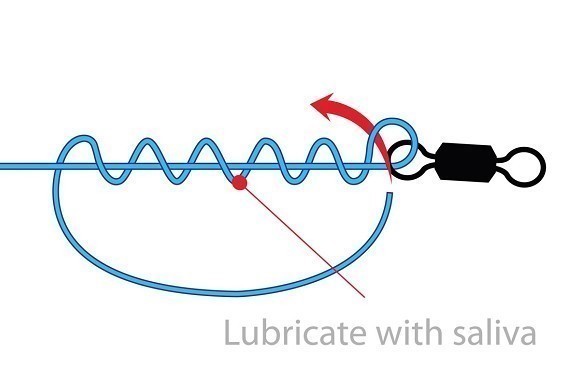
Credit: www.carpology.net
Common Mistakes
Many anglers make these errors when tying the blood knot:
- Uneven wraps: If you wrap one side more than the other, the knot can slip.
- Lines not overlapped enough: Too little overlap means weak knots.
- Not moistening the knot: Dry knots can burn and weaken the line.
- Using lines of very different diameter: The knot loses strength and can fail.
A less obvious mistake is pulling tag ends instead of the main lines when tightening. Always pull the main lines for best results.
Frequently Asked Questions
How Many Wraps Should I Use For A Blood Knot?
Most anglers use 5 wraps each side for standard line. If you use very thin tippet, you may need 6–7 wraps.
Can I Tie A Blood Knot With Braided Lines?
The blood knot is not ideal for braided lines. Try a double uni knot or another knot designed for braid.
Is The Blood Knot Good For Joining Lines Of Different Diameter?
It works best with lines of similar diameter. For lines with big differences, use a surgeon’s knot or double uni knot.
Does The Blood Knot Weaken My Fishing Line?
If tied properly and moistened, the blood knot keeps about 90% of line strength. Poor technique can reduce strength.
How Does The Blood Knot Compare To Other Joining Knots?
The blood knot is slim, strong, and perfect for fly fishing tippet. It’s more difficult than some knots but offers a neat finish.
For more details on fishing knots, visit the Wikipedia Knot List.
Learning how to tie a blood knot opens up new possibilities in fishing. It’s a skill that rewards careful practice. With the steps and tips above, you can join lines confidently and keep your rigs performing at their best. Fly fishers trust the blood knot for its strength and slim shape.
Avoid common mistakes, use the right wraps, and your knot will hold strong.

Credit: news.orvis.com
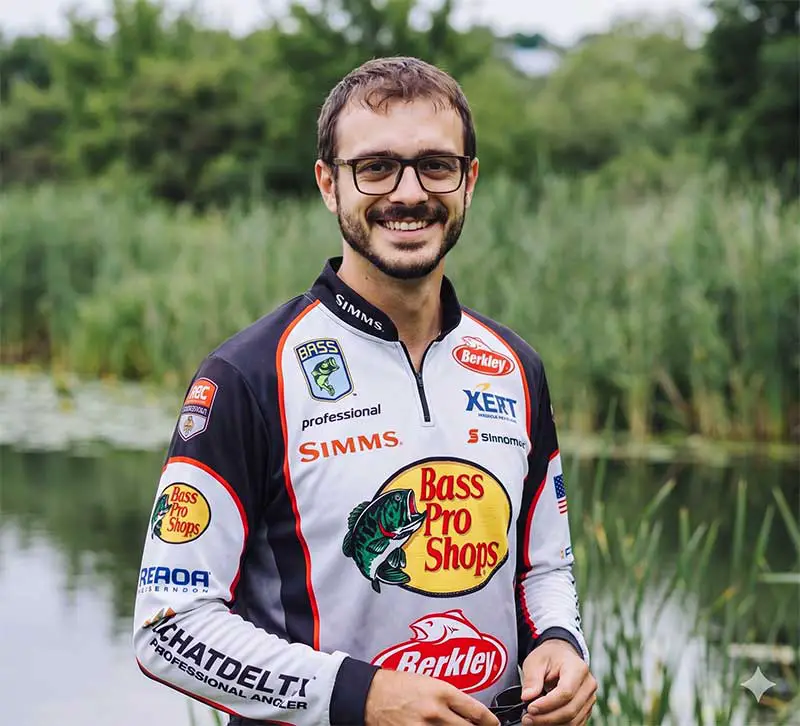
Tony L. Smith is a dedicated fishing expert with over 15 years of hands-on experience in freshwater and saltwater environments. As the founder of FishingStaff, Tony is committed to demystifying fishing gear for beginners and budget-conscious anglers who refuse to compromise on quality. Learn more about Tony & find him on Twitter. Happy reading!