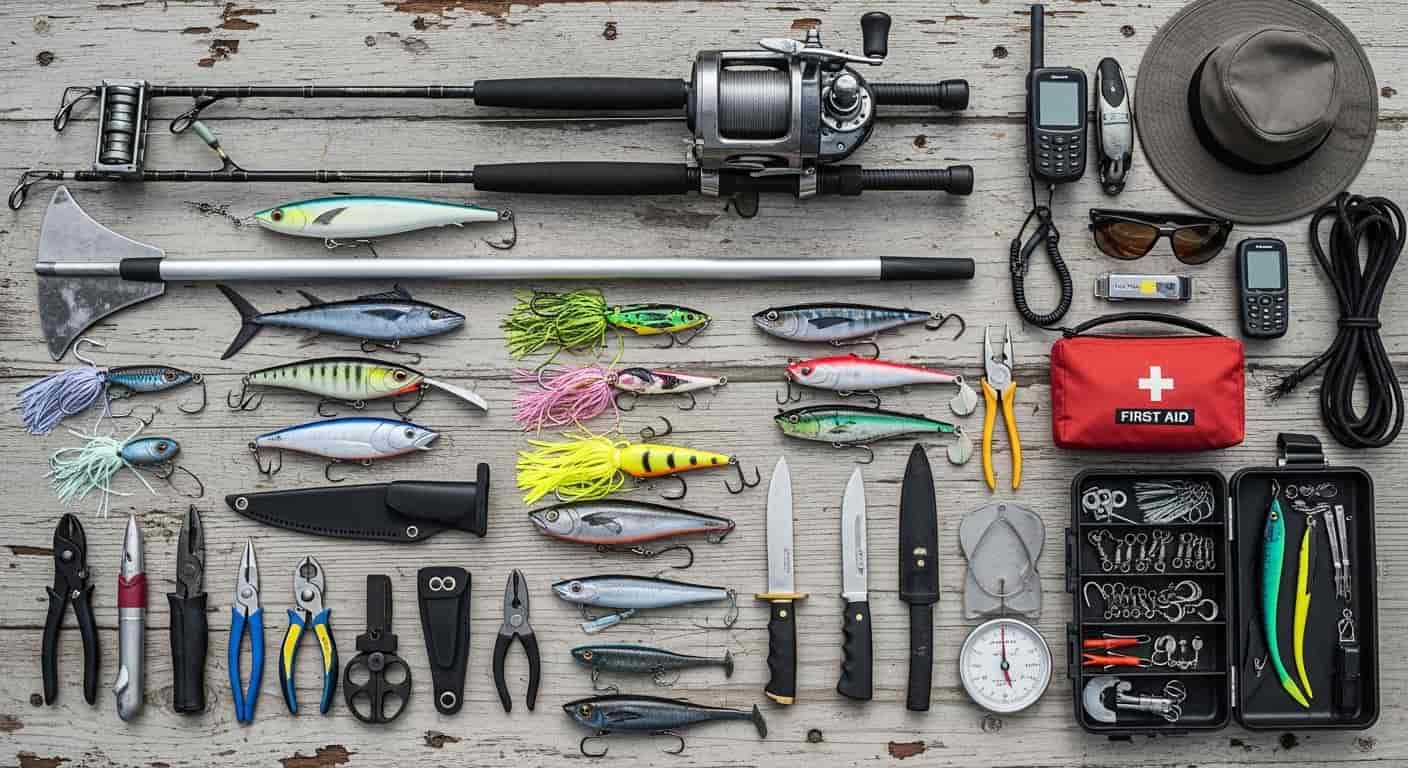
Offshore fishing isn’t just about catching bigger fish—it’s about surviving tougher conditions. When you leave the calm waters of bays and rivers for the open ocean, your gear faces much greater stress. Offshore fish are stronger, fight harder, and often have sharp teeth or rough mouths. Saltwater, strong currents, and high waves can also damage tackle quickly. That’s why every piece of offshore fishing tackle—from hooks to leaders—must be heavier, more durable, and more reliable than what you use inshore. If your tackle fails, you lose not just the fish, but possibly hundreds of dollars in gear. Choosing the right tackle matters, and understanding each component is key to safe, successful bluewater fishing.
Hooks For Offshore Fishing
Hooks are the most basic part of your offshore tackle, but they aren’t all the same. Offshore species like tuna, marlin, kingfish, and snapper require hooks that can handle intense pressure and resist corrosion. Most anglers rely on high-carbon or stainless steel hooks from brands like Mustad or Owner.
Circle Hooks Vs J-hooks
Circle hooks and J-hooks are two main types used offshore. Circle hooks are designed so the point turns into the fish’s mouth when you reel in, usually hooking the corner of the jaw. This reduces deep hooking, which is better for catch-and-release and keeps fish alive longer. Many tournaments and conservation groups require circle hooks, especially for species like marlin.
J-hooks are traditional, with a straight shank and a sharp bend. They’re popular for species that grab bait aggressively. J-hooks can hook fish anywhere in the mouth, sometimes deep, which can harm the fish. J-hooks are better for fast, aggressive strikes, like trolling for wahoo or kingfish.
| Feature | Circle Hook | J-Hook |
|---|---|---|
| Hooking rate | High (jaw) | High (anywhere) |
| Best for | Live bait, catch & release | Fast strikes, trolling |
| Conservation | Preferred | Less preferred |
| Common sizes | 5/0–10/0 | 3/0–9/0 |
Hook Size By Species
Choosing the right hook size is crucial for your offshore tackle list. Too small, and you risk breaking off; too big, and fish may ignore your bait.
- Tuna & Mahi-mahi: 5/0–7/0 circle hooks
- Marlin & Sailfish: 8/0–10/0 circle hooks or J-hooks
- Kingfish: 4/0–6/0 J-hooks
- Snapper & Grouper: 6/0–8/0 circle hooks
- Shark: 10/0–14/0 heavy-duty hooks
Each species has a preferred hook style and size, so always check local guides or tournament rules before heading out.
Swivels And Snaps
Swivels and snaps are small but important parts of offshore terminal tackle. They prevent line twist and make changing rigs easier, saving time and frustration.
Crane swivels are simple and reliable, perfect for most offshore rigs. They’re affordable but can seize up under heavy saltwater use. Ball-bearing swivels spin smoothly even under heavy loads, making them ideal for trolling and big-game fishing. They cost more but prevent line damage and lost fish.
A snap swivel combines a swivel with a clip, letting you change lures or rigs quickly. This is useful when chasing fast-moving fish or switching between trolling and bottom fishing.
| Swivel Type | Strength (lb) | Common Use | Cost |
|---|---|---|---|
| Crane Swivel | 80–250 | General rigs | Low |
| Ball-Bearing Swivel | 100–400 | Trolling, big game | High |
| Snap Swivel | 80–150 | Quick lure change | Medium |
A non-obvious tip: avoid cheap swivels. Low-quality metal can corrode or snap under pressure, costing you a trophy fish. Always rinse and dry swivels after use, even stainless ones.
Leaders And Wire
Leaders are the first line of defense between your hook and the main fishing line. Offshore fish often have sharp teeth or rough jaws, so leaders must be tough.
Most anglers use fluorocarbon leader for its invisibility underwater and high abrasion resistance. Typical strengths range from 40 lb for mahi-mahi up to 130 lb for tuna or marlin. Fluorocarbon is expensive, but its stealth can make a big difference in clear water.
For toothy species like kingfish or wahoo, use wire leader (often stainless steel). Wire prevents bite-offs but is more visible, so use shorter pieces or combine with fluorocarbon for balance.
A beginner mistake is forgetting to match leader strength to main line. If your leader is weaker, fish will break it; if it’s much stronger, knots can slip or break.
Weights And Sinkers
Weights help your bait reach the right depth, especially in deep water or strong currents. Offshore fishing uses heavier sinkers than inshore because fish swim deeper, and currents are stronger.
Egg sinkers are oval-shaped and slide on the line. They’re perfect for bottom rigs because they minimize snagging. Trolling weights are streamlined and attach to leaders, helping lures reach deep while trolling at speed.
| Weight Type | Typical Size (oz) | Use |
|---|---|---|
| Egg Sinker | 2–16 | Bottom fishing |
| Trolling Weight | 4–48 | Trolling deep |
| Bank Sinkers | 4–32 | Heavy currents |
Don’t forget: heavier weights are needed when drifting over reefs or fishing deep wrecks. Always bring extra—losing sinkers to snags is common offshore.
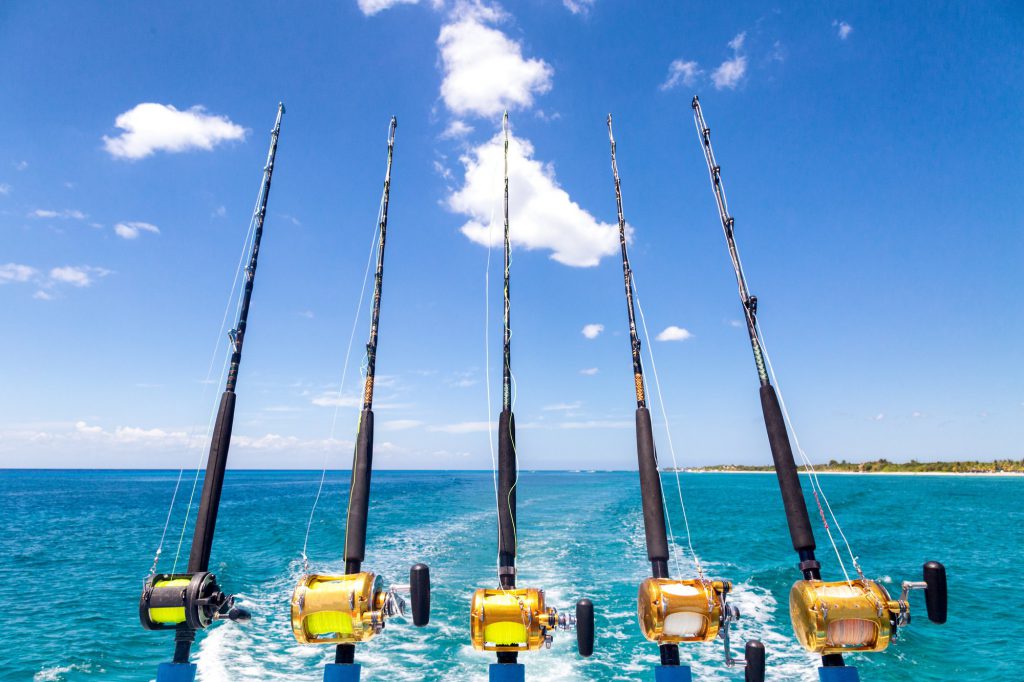
Credit: wavedancercharters.com
Rigs For Offshore Fishing
Rigs are combinations of hooks, leaders, weights, and swivels. Offshore fishing uses special rigs to target big fish and handle tough conditions.
Knocker Rig
The knocker rig places the sinker directly above the hook, letting bait move freely. It’s perfect for bottom fishing snapper and grouper. This rig is simple but effective, as fish can pick up bait without feeling resistance.
Carolina Rig Offshore
The Carolina rig uses a sliding egg sinker above a swivel, then a leader and hook. This keeps bait off the bottom and reduces snags. Offshore, the Carolina rig is great for drifting over reefs or wrecks and catching species like cobia or amberjack.
Balloon Rig
A balloon rig suspends live bait near the surface using a balloon. This is ideal for targeting tuna, kingfish, or sailfish. The balloon pops when a fish strikes, alerting the angler and allowing for a direct fight.
A non-obvious insight: always check rig knots after a big fish. Offshore action can stretch or weaken knots, causing sudden failures later.
Terminal Tackle Checklist
Before heading offshore, make sure you have all essential terminal tackle. Here’s an offshore tackle list:
- Hooks: Circle, J-hook, various sizes
- Swivels: Crane, ball-bearing, snap
- Leaders: Fluorocarbon, wire
- Weights: Egg sinker, trolling weight, bank sinker
- Rigs: Knocker, Carolina, balloon
- Snap swivel: For quick changes
- Crimping tool: For heavy leaders/wire
- Heavy-duty pliers: For rigging and removing hooks
- Replacement balloons: For balloon rigs
- Extra knots and rigging materials: Like sleeves, rubber bands
Missing even one item can ruin your trip, especially if conditions change or fish aren’t biting.
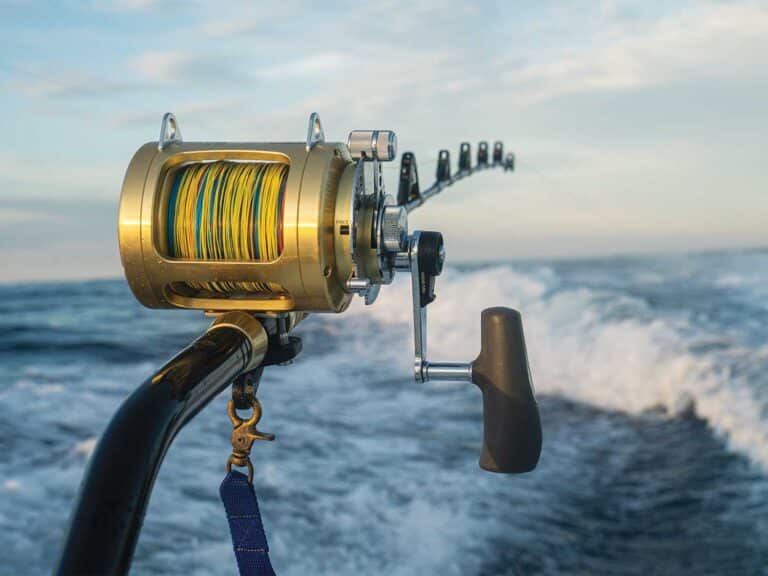
Credit: twkf.gov.tr
Best Tackle Brands For Offshore
Quality matters more offshore than anywhere else. Poor gear can break, corrode, or fail under stress. Here are trusted brands for bluewater fishing tackle:
- Mustad: Known for strong, sharp hooks and durable swivels
- Owner: Excellent hooks for big game; reliable terminal tackle
- Shimano: High-end reels and rods, plus terminal tackle
- Spro: Top-rated ball-bearing swivels and snaps
- Seaguar: Industry leader in fluorocarbon leader
- American Fishing Wire: Best for wire leader and crimping gear
Don’t settle for cheap brands. Investing in quality saves money long-term and increases your chances of landing trophy fish. For more on tackle brands, check Wikipedia’s fishing tackle page.
Frequently Asked Questions
What Is The Difference Between Offshore And Inshore Tackle?
Offshore tackle is heavier, more durable, and designed for bigger fish and rougher conditions. Inshore tackle is lighter and meant for smaller fish in calmer waters.
Do I Need Wire Leader For All Offshore Species?
No. Wire leader is best for toothy fish like kingfish or wahoo. For other species, fluorocarbon leader is better since it’s less visible and still strong.
How Do I Choose The Right Hook Size For Deep Sea Fishing?
Match hook size to the target species. For example, use 5/0–7/0 for tuna, 8/0–10/0 for marlin, and 6/0–8/0 for snapper. Always check local regulations and guides.
What’s The Best Way To Prevent Line Twist Offshore?
Use ball-bearing swivels for trolling and heavy rigs. Rinse swivels after each trip to keep them spinning smoothly.
How Often Should I Replace Terminal Tackle?
Replace terminal tackle after every trip if you notice corrosion, damage, or stretched components. Offshore fishing is tough on gear, so inspect everything carefully.
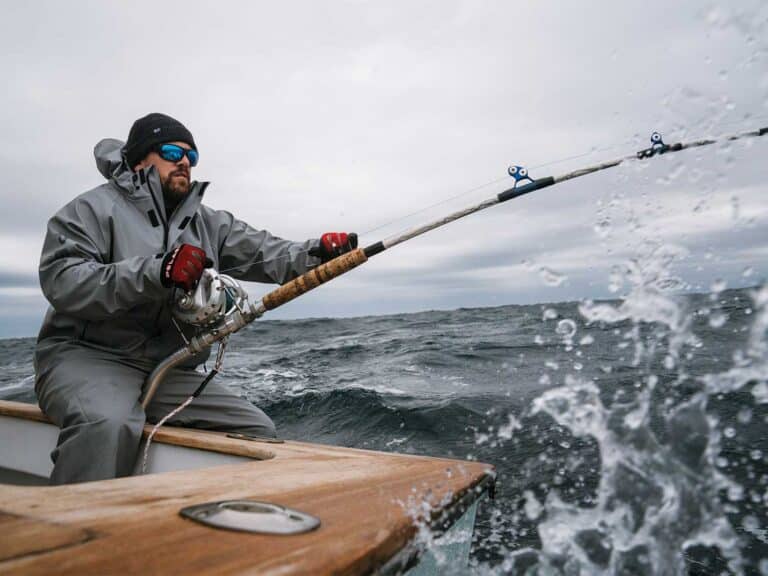
Credit: www.marlinmag.com
Verdict
Offshore fishing is challenging and demands strong, reliable tackle. Every part of your setup—from hooks to weights—must be chosen carefully to match the fish, water depth, and local conditions. Using the right offshore fishing tackle not only helps you land big fish but also keeps you safe in rough seas. Beginners often miss the importance of quality swivels and matching leader strength to main line, but these details can make or break your trip. Invest in trusted brands, check your gear often, and always bring backup tackle. With careful planning and the right equipment, you’ll be ready for any bluewater adventure.
Tony L. Smith is a dedicated fishing expert with over 15 years of hands-on experience in freshwater and saltwater environments. As the founder of FishingStaff, Tony is committed to demystifying fishing gear for beginners and budget-conscious anglers who refuse to compromise on quality. Learn more about Tony & find him on Twitter. Happy reading!