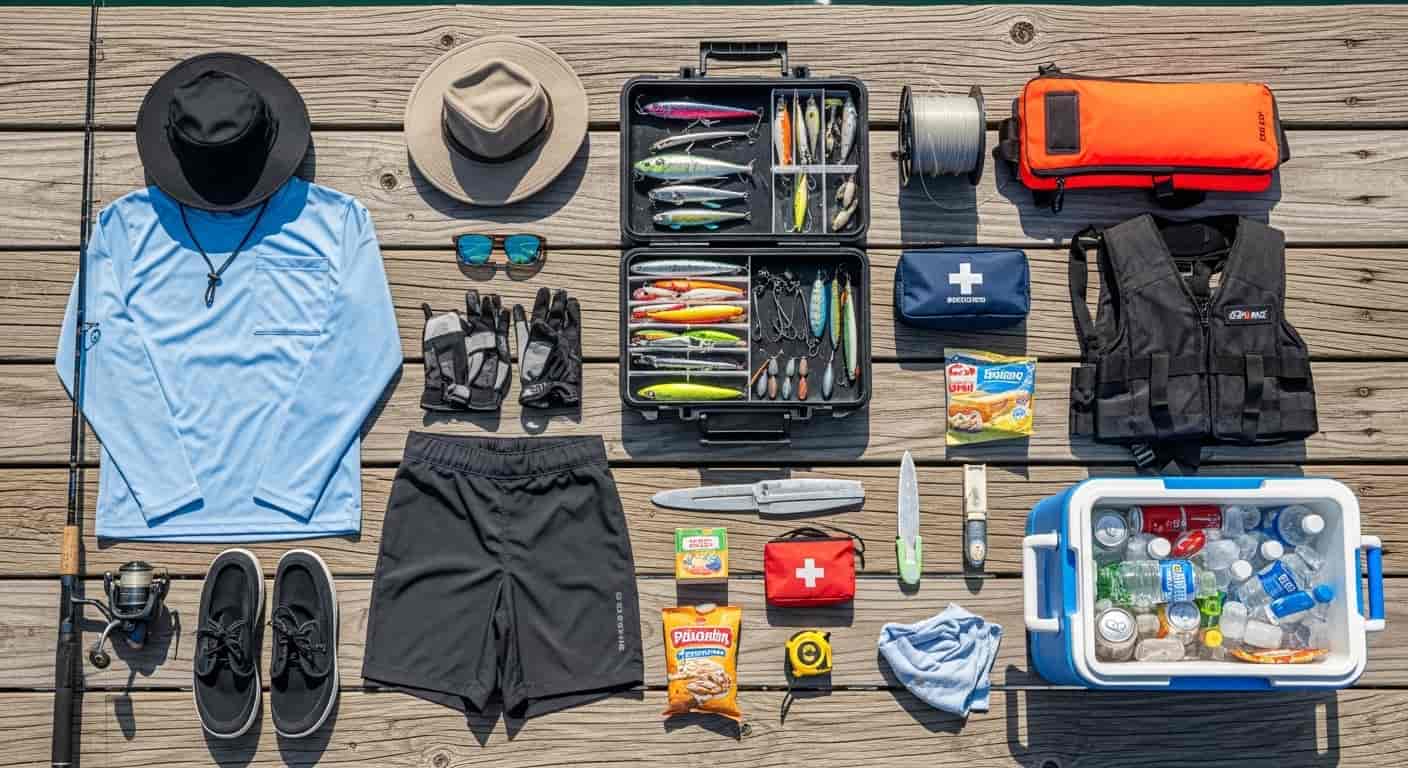
Heading out for deep sea fishing is exciting, but you need the right gear for a safe, comfortable trip. Many first-timers think the charter will provide everything, but that’s not true. Most charters supply rods, reels, bait, tackle, and sometimes a cooler for your catch. However, you must bring your own clothing, sun protection, food, personal items, and sometimes, special equipment. Not planning ahead can lead to discomfort, seasickness, or even missing the chance to catch your dream fish. This guide explains exactly what to bring deep sea fishing, so you can focus on the adventure.
Clothing And Sun Protection
Being on the water means strong sun, wind, and sometimes unexpected rain. You need to dress smart for comfort and safety.
What To Wear Deep Sea Fishing
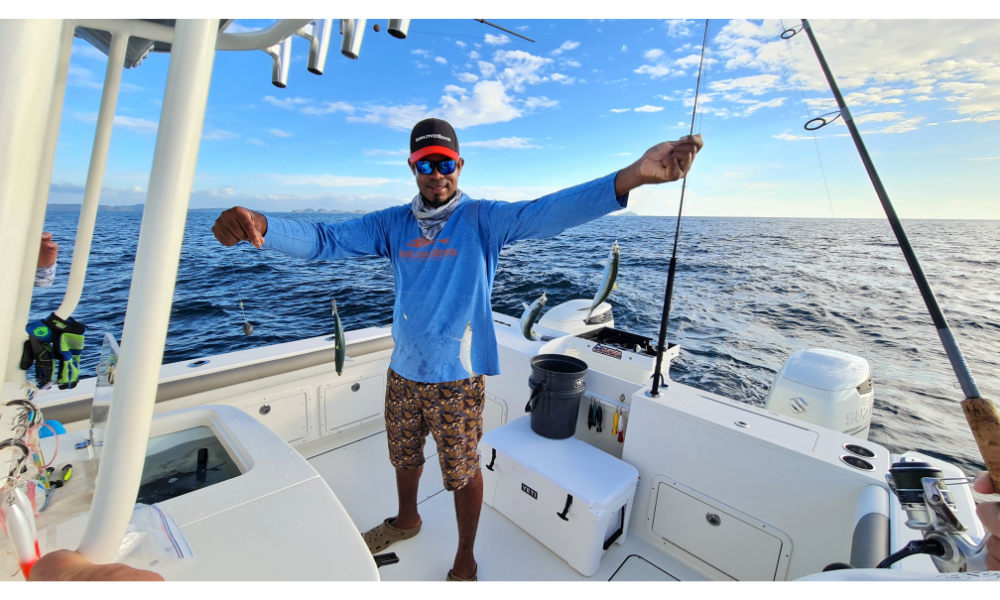
Start with layers. Early mornings can be chilly, but the sun heats up fast. Wear a moisture-wicking shirt as your base. Add a light jacket or hoodie for warmth. For bottoms, choose quick-dry pants or shorts. Avoid jeans—they get heavy and uncomfortable when wet.
Footwear is crucial. Wear non-slip shoes or deck sandals. Flip-flops are dangerous because they slide and don’t protect your feet.
Sun Protection Essentials
The sun is much stronger at sea. Even cloudy days can cause burns.
- Sunscreen: Bring SPF 30+ and reapply every two hours. Choose a water-resistant type.
- Polarized sunglasses: They protect your eyes and help you spot fish under the water.
- Hat: Wide-brimmed hats shield your face, neck, and ears.
- Neck gaiter or buff: Protects your neck and can also cover your nose and cheeks.
- Light gloves: Prevent sunburn and blisters when handling fish.
Most beginners overlook the need for a change of clothes. If you get wet or dirty, you’ll appreciate clean, dry clothing for the ride home.
Comparison: Basic Vs. Complete Sun Protection
| Item | Basic Packing | Complete Packing |
|---|---|---|
| Sunscreen | SPF 15 lotion | SPF 30+ water-resistant |
| Sunglasses | Regular sunglasses | Polarized fishing sunglasses |
| Hat | Baseball cap | Wide-brimmed hat |
| Neck Gaiter | None | UV neck gaiter |
Seasickness Prevention
Seasickness can ruin your trip. Even experienced anglers sometimes feel queasy, especially on rough days.
Medication And Remedies
Bring seasickness medication like Dramamine or Bonine. Take it at least 1 hour before boarding—most people miss this timing and end up sick.
If you prefer natural remedies, ginger candies or wristbands (acupressure bands) can help.
Eat a light breakfast. Avoid greasy foods before your trip.
Practical Tips
- Stay on deck and look at the horizon.
- Avoid reading or staring at your phone.
- Drink water, not alcohol.
Many charters don’t carry seasickness meds, so always add it to your deep sea fishing packing list.
Comparison: Seasickness Options
| Type | How to Use | Effectiveness |
|---|---|---|
| Medication (Dramamine) | Take 1 hour before trip | High |
| Ginger Candy | Eat before and during | Medium |
| Acupressure Wristband | Wear during trip | Low–Medium |
Credit: fishpanamatoday.com
Food And Hydration
Charters rarely provide meals. They may supply water or soft drinks, but you’re responsible for your own snacks and hydration.
What To Pack For Offshore Fishing
Bring plenty of water—at least 1 liter per person for half-day trips, and 2 liters for full-day.
Pack high-energy snacks like granola bars, nuts, fruit, or sandwiches. Avoid foods that spoil easily.
A small cooler is useful for keeping food and drinks cold. Make sure it’s soft-sided and compact; large coolers are often not allowed.
If you plan to keep your catch, check if the charter provides ice. If not, bring your own.
Hidden Insights
- Avoid glass bottles—they can break and cause injury.
- Use reusable bottles for water to reduce waste.
Most beginners forget to pack enough water, especially on hot days.
Personal Gear And Electronics
There are a few personal items to add to your deep sea fishing checklist.
Essential Personal Items
- Valid ID: Needed for fishing licenses or verifying age.
- Cash for tip: Most captains and crew rely on tips. Bring small bills.
- Camera or smartphone: For photos of your catch. Keep devices in a waterproof case.
- Charged power bank: Boats often lack outlets.
- Small backpack: To keep everything organized.
- Lip balm with SPF: Protects against wind and sun.
Optional Extras
- Notebook: Record catches and conditions.
- Fishing log app: If you like digital records.

Credit: fishingbooker.com
What Not To Bring On A Charter Boat
Some items are banned or just impractical.
Avoid These Mistakes
- Bananas: Many captains believe bananas are bad luck!
- Glass containers: Dangerous if dropped.
- Large coolers: Space is limited.
- Heavy luggage: Only bring what you can carry easily.
- Illegal drugs or alcohol: Strictly prohibited.
- Spearguns: Not allowed on most charters.
- Pets: Most boats don’t permit animals.
Respecting these rules keeps the trip safe and enjoyable for everyone.
If You’re Bringing Your Own Gear
Some anglers want to use their own rods, reels, or tackle. This is fine, but check with your charter first.
What To Pack For Offshore Fishing Gear
- Rod and reel: Choose one rated for saltwater and the target species.
- Tackle box: Include extra hooks, lures, and weights.
- Line cutters: Saltwater can dull blades fast.
- Fishing gloves: Protects your hands.
- Leader line: For bigger fish.
Data Table: Charter Gear Vs. Personal Gear
| Gear Type | Charter Provided | Personal Gear Benefit |
|---|---|---|
| Rod & Reel | Standard, basic | Custom fit, familiarity |
| Tackle | Basic lures, hooks | Specialized for target fish |
| Gloves | Sometimes | Better protection, comfort |
| Cooler | For fish only | Food/drinks, versatility |
If you’re unsure what to pack, ask your captain about gear requirements.
What To Bring For Kids
Taking kids deep sea fishing is a great way to build memories, but kids need extra care.
Kids’ Packing List
- Child-sized life jacket: Some charters have these, but it’s safer to bring your own.
- Snacks and drinks: Kids get hungry faster.
- Sunscreen: Reapply often—kids burn easily.
- Hat and sunglasses: Protect sensitive eyes and skin.
- Seasickness medication: Dosage must fit their age.
- Entertainment: Small toys or coloring books for downtime.
Extra Tips
- Dress kids in layers and bring a spare change of clothes.
- Show them how to use the bathroom on board.
- Make sure they understand boat safety rules.
Most parents forget to bring enough snacks or entertainment, leading to bored or cranky kids.
The Tip — Don’t Forget Cash
Tipping the crew is expected and part of fishing culture. It’s usually 15–20% of your trip cost. Crew members often work hard to help you catch fish, clean your catch, and keep the boat safe.
Bring cash for tip—credit cards or Venmo are rarely accepted. Small bills are best.
Not tipping is seen as disrespectful and may reduce your chances of being invited back.
Credit: captmikecharters.com
Frequently Asked Questions
What Is The Best Clothing For Deep Sea Fishing?
Wear layers, including a moisture-wicking shirt and a light jacket. Use quick-dry pants, non-slip shoes, and a wide-brimmed hat. Always bring extra clothes in case you get wet.
How Do I Prevent Seasickness?
Take seasickness medication one hour before the trip. Eat a light breakfast, stay hydrated, and look at the horizon. Ginger candies and acupressure wristbands can also help.
Can I Bring My Own Fishing Gear?
Yes, but check with your charter. Bring a saltwater-rated rod, reel, tackle box, gloves, and leader line. Make sure your gear fits the target species.
What Should I Pack For My Kids?
Bring a child-sized life jacket, snacks, drinks, sunscreen, hat, sunglasses, seasickness medication, and entertainment. Dress them in layers and bring spare clothes.
How Much Should I Tip The Crew?
Tip 15–20% of your charter cost in cash. Small bills are best. Tipping is expected and appreciated.
Ready To Fish? Printable Deep Sea Fishing Packing List
Before your trip, print or save this deep sea fishing checklist:
- Layers: Moisture-wicking shirt, jacket, quick-dry pants, non-slip shoes
- Sun protection: Sunscreen, polarized sunglasses, hat, neck gaiter, gloves
- Seasickness medication
- Water and snacks (no glass bottles)
- Small cooler (if allowed)
- Valid ID
- Cash for tip
- Camera or smartphone (waterproof case)
- Power bank
- Lip balm with SPF
- Backpack
- Change of clothes
- Fishing gear (if bringing your own)
- Child-sized life jacket and kid items
Planning what to pack for offshore fishing makes your adventure safer, more comfortable, and more fun. For more tips, visit the National Park Service Fishing Guide. With the right gear, you’ll be ready for a great day at sea.
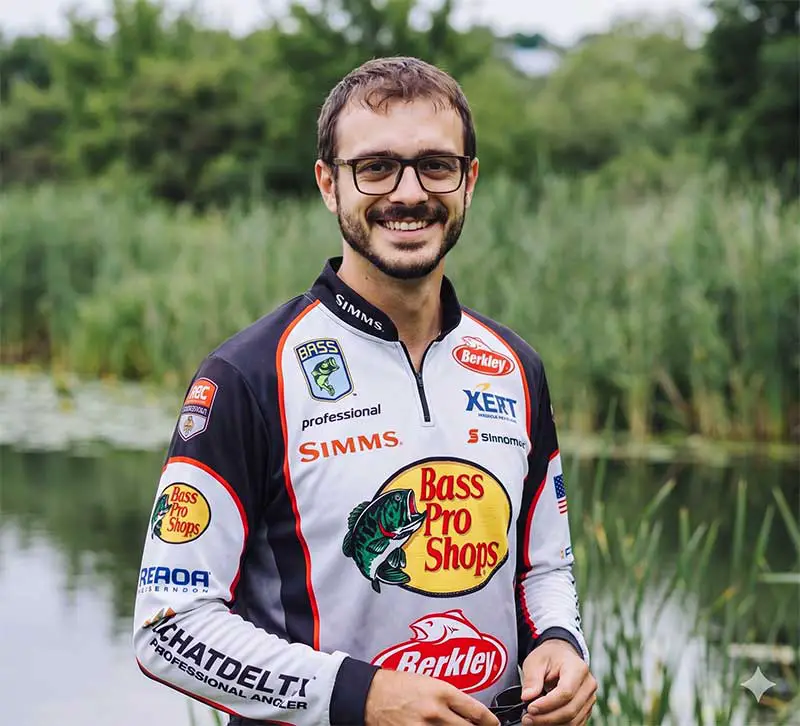
Tony L. Smith is a dedicated fishing expert with over 15 years of hands-on experience in freshwater and saltwater environments. As the founder of FishingStaff, Tony is committed to demystifying fishing gear for beginners and budget-conscious anglers who refuse to compromise on quality. Learn more about Tony & find him on Twitter. Happy reading!