If you’re new to fishing, choosing your first fishing line can feel overwhelming. There are many types, colors, and strengths. But here’s a simple truth: monofilament is the one line type every beginner should start with. It’s easy to use, affordable, and forgiving. In this guide, you’ll learn why monofilament is the best fishing line for beginners, what pound test to choose, and when to consider upgrading to other types. You’ll also get product picks, practical advice, and clear answers to common questions—all in plain English.
Why Monofilament Is Best For Beginners
Monofilament (often called “mono”) is a single strand of nylon. It’s widely used by anglers, especially those who are just starting. But why is it so popular with beginners?
First, monofilament is forgiving. If you make a mistake—like tugging too hard or tying a fishing knot wrong—mono stretches and absorbs the shock. This means fewer snapped lines and lost fish. For someone learning how to cast and handle a rod, this flexibility is a big help.
Second, monofilament is easy to handle. It’s soft and smooth, so it’s simple to tie knots and spool onto your reel. This makes it the easiest fishing line to use for most people.
Third, mono is affordable. A beginner doesn’t need to spend much to get a good starter fishing line. You can buy enough to fill your reel for just a few dollars, unlike more expensive lines.
Fourth, it’s clear and nearly invisible underwater. Fish can’t easily see it, especially if you choose clear mono. This matters when you’re targeting fish that are shy or cautious.
Finally, mono works well for spin fishing, which is the most common style for beginners. It casts easily, doesn’t tangle as much, and lets you learn the basics without worrying about line problems.
Here’s a quick comparison of the main fishing line types and how they suit beginners:
| Line Type | Forgiveness | Ease of Use | Cost | Visibility |
|---|---|---|---|---|
| Monofilament | High | Easy | Low | Low |
| Fluorocarbon | Medium | Moderate | Medium | Very Low |
| Braid | Low | Hard | High | Medium |
Many beginners overlook how forgiving mono is. The stretch can help protect both the fish and your gear. Also, mono’s softness means fewer tangles and easier knot tying—a common frustration for first-timers.
What Pound Test Should A Beginner Use?
Choosing the right pound test is important. Pound test is the strength rating of your fishing line. It tells you how much weight the line can handle before breaking. For most beginner fishing situations, a 6–10 lb test is ideal.
Why? This range covers most freshwater fish, like bass, trout, bluegill, and perch. It’s strong enough to handle a good-sized fish, but not so thick that it hurts your castability or makes knots difficult.
Here’s how pound test compares for beginners:
| Pound Test | Target Fish | Recommended Use |
|---|---|---|
| 4–6 lb | Small fish (trout, panfish) | Light tackle, clear water |
| 8–10 lb | Bass, walleye, catfish | General freshwater |
| 12+ lb | Pike, carp, saltwater fish | Heavy cover, larger fish |
Beginners often make the mistake of choosing a line that’s too heavy. Thick line reduces casting distance and can scare fish. If you’re fishing in normal freshwater lakes or rivers, stick with 6–10 lb test.
Also, remember that the reel and rod you use will list a recommended line strength. Check that before buying.

Credit: www.latitudesoutfitting.com
Best Monofilament Fishing Line For Beginners (product Picks)
Not all monofilament lines are the same. Some are softer, some are stronger, and some have better casting. Here are three top picks for starter fishing line:
1. Berkley Trilene Xl
This is one of the most popular monofilament lines in the US. It’s known for smooth casting, good strength, and low memory (meaning it doesn’t coil up easily). Many beginners love it because it’s reliable and easy to handle.
2. Stren Original
Stren is another trusted brand. Their Original mono is affordable, comes in clear and hi-vis colors, and is very forgiving. It’s a good choice for anyone starting out with spin fishing.
3. Spiderwire Ez Mono
This line is soft, easy to tie, and works well for light tackle. Beginners will appreciate its castability and the fact it doesn’t tangle much.
All three are available in 6–10 lb test, perfect for most beginner needs. Each brand has a good reputation, so you can’t go wrong with any of them.
It’s worth noting that buying a reputable brand matters. Cheap, off-brand lines can be inconsistent and may break more easily. Spending a few dollars extra is worth it for peace of mind.
When To Upgrade To Fluorocarbon
Fluorocarbon line is another option you’ll hear about as you gain experience. It’s similar to monofilament but has some differences.
Fluorocarbon is nearly invisible underwater, so it’s great for clear water and shy fish. It sinks faster than mono, making it good for certain bait types. It’s also more resistant to abrasion, so it’s a smart choice if you fish around rocks or sharp objects.
However, fluorocarbon is stiffer and less forgiving. Knots can slip if you don’t tie them perfectly. For beginners, this can mean more lost fish and frustration.
Upgrade to fluorocarbon when:
- You’re fishing for picky fish in clear water
- You need your bait to sink quickly
- You want better abrasion resistance
But don’t rush. Many anglers use mono for years before switching. Practice with mono first, then try fluorocarbon when you feel confident.

Credit: www.youtube.com
When To Upgrade To Braid
Braided line is strong and thin. It can handle big fish and tough conditions. Braid is popular for heavy cover, saltwater fishing, or when you need to cast long distances.
However, braid is not forgiving. It doesn’t stretch, so mistakes can lead to snapped lines or broken rods. Knots are harder to tie, and braid can cut into your fingers or reel if mishandled.
Upgrade to braid when:
- You’re targeting big fish in thick weeds or heavy cover
- You need extra strength and sensitivity
- You’re comfortable tying advanced knots
Beginners often try braid too soon. The lack of stretch means you need good technique. For most, mono is a better starter fishing line. Once you have more experience, braid can be a great tool.
How Much Line Do I Need For My Reel?
Every reel has a capacity—how much line it can hold. This depends on the reel size and the pound test of your line. Too much line can cause tangles, too little means you lose casting distance.
Most spinning reels for beginners hold 100–150 yards of 6–10 lb test mono. Check your reel’s side for numbers like “8 lb/120 yd.” This means it holds 120 yards of 8 lb mono.
Here’s a simple example:
| Reel Size | Line Capacity (Mono) | Best Pound Test |
|---|---|---|
| 1000 | 110 yd / 6 lb | 4–8 lb |
| 2500 | 140 yd / 8 lb | 6–10 lb |
| 4000 | 200 yd / 10 lb | 8–12 lb |
To fill your reel:
- Buy a spool with enough line for your reel’s capacity.
- Leave about 1/8 inch of space at the top of the spool after winding.
- Don’t overfill—too much line causes tangles.
A common mistake is to overfill or use the wrong pound test. Always check your reel’s label and match the line strength and amount.

Credit: fishingbooker.com
How To Know When To Change Your Line
Fishing line doesn’t last forever. Sun, water, and use can weaken it. Changing your line regularly helps prevent break-offs and lost fish.
Signs you need to change your line:
- Abrasion: If you see nicks, rough spots, or fraying
- Memory: If the line coils tightly and won’t straighten
- Discoloration: If clear mono turns cloudy or yellow
- Weakness: If the line breaks easily when you pull it
Most anglers change their monofilament every 3–6 months if they fish often. If you only fish a few times a year, once a season is enough.
A non-obvious tip: Always check the first few feet of your line—the part that touches rocks, fish, and hooks. This section gets damaged fastest. Cut off the first few feet and retie your hook regularly.
Frequently Asked Questions
What Fishing Line For Beginners Is Easiest To Use?
Monofilament is the easiest fishing line for beginners. It’s soft, stretches to absorb mistakes, and is simple to tie knots with. For most people, mono in 6–10 lb test is perfect.
Should I Use Clear Or Colored Monofilament?
Clear mono is best for most freshwater fishing. It’s less visible to fish and works in nearly any water. Colored lines (like hi-vis yellow) are helpful if you want to see your line above water, but they can be more visible to fish.
Can I Use Monofilament For Saltwater Fishing?
Yes, but you should use heavier test (12–20 lb) and change your line more often. Saltwater is tough on line. For beginners, mono is still a good choice for smaller saltwater fish.
How Do I Spool Monofilament Onto My Reel?
Attach the line to your reel with an arbor knot. Hold the spool so the line comes off in the same direction as your reel turns. Wind slowly, filling the reel until there’s about 1/8 inch left at the rim. Avoid overfilling.
What’s The Best Fishing Line For Beginners Who Want To Fish For Bass?
For bass, 8–10 lb monofilament is ideal. It’s strong enough for most bass and easy to cast. Brands like Berkley Trilene XL and Stren Original are top picks.
Ready To Start Fishing?
Choosing the right starter fishing line is the first step in enjoying fishing. Monofilament is the best fishing line for beginners because it’s easy, affordable, and forgiving. Start with 6–10 lb test for most freshwater fish. As you gain experience, you can try fluorocarbon or braid for special situations. Remember to check your reel’s capacity and change your line regularly for the best results.
If you want more beginner tips and fishing basics, check out Fishing on Wikipedia for in-depth info. Get your line, head to the water, and enjoy the adventure. Every cast is a chance to learn and have fun.
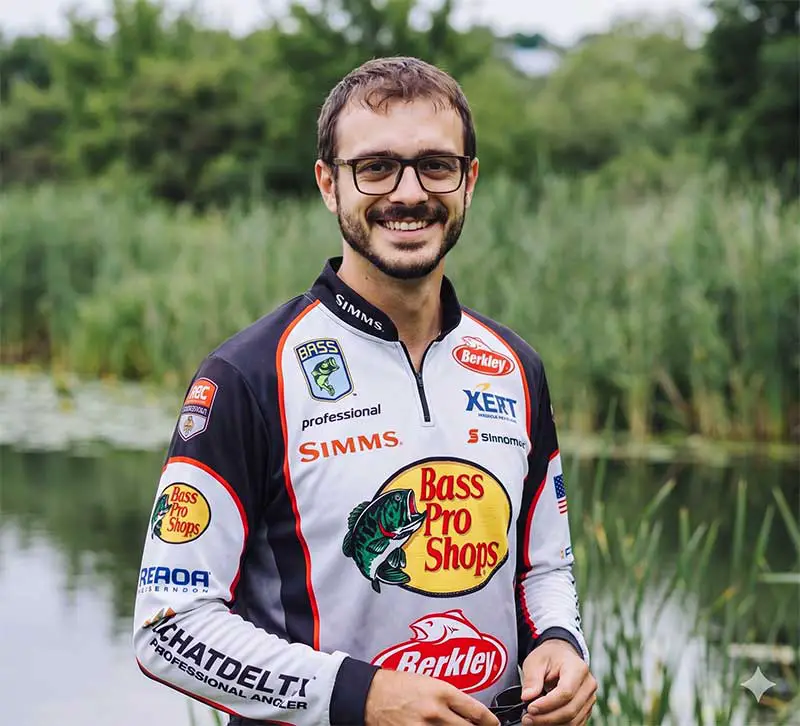
Tony L. Smith is a dedicated fishing expert with over 15 years of hands-on experience in freshwater and saltwater environments. As the founder of FishingStaff, Tony is committed to demystifying fishing gear for beginners and budget-conscious anglers who refuse to compromise on quality. Learn more about Tony & find him on Twitter. Happy reading!