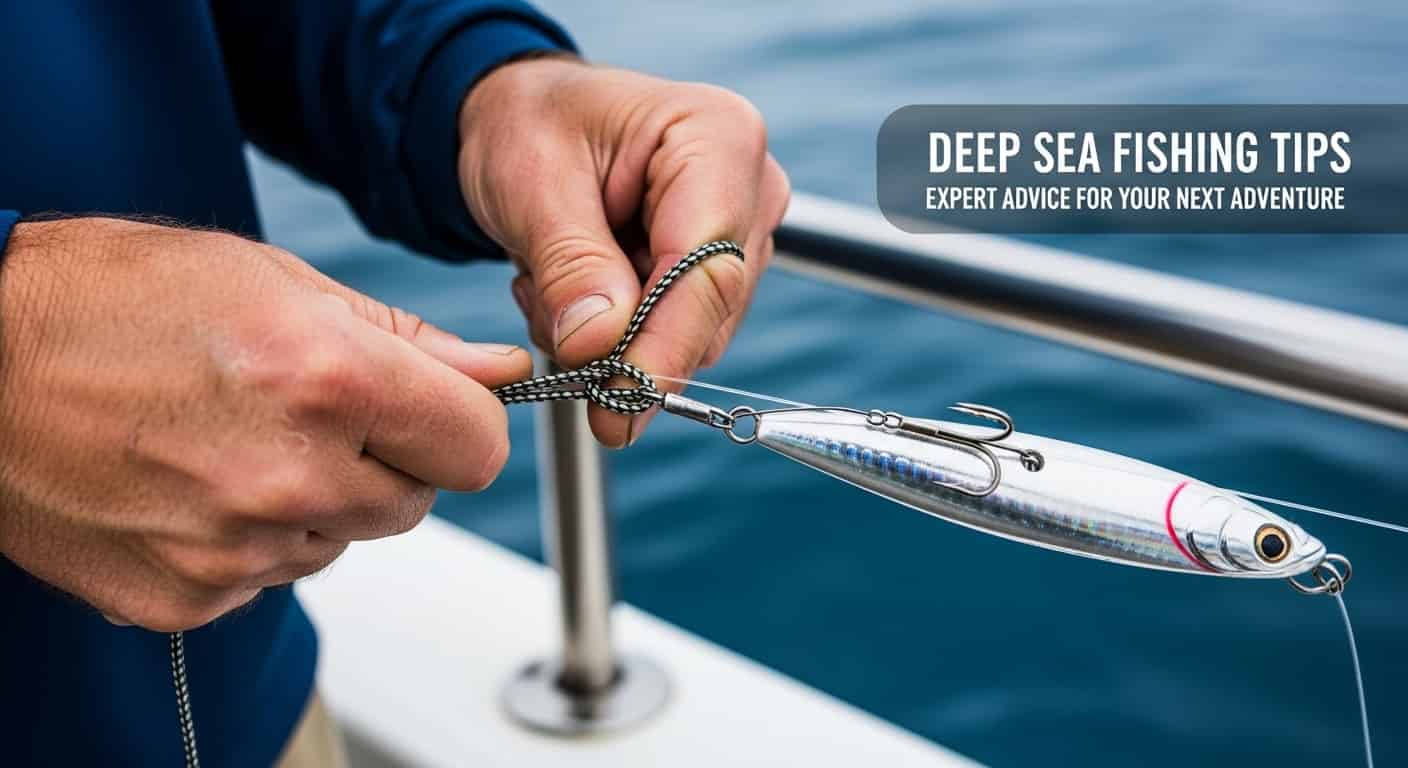
For many anglers, deep sea fishing is the ultimate adventure. The difference between an average offshore trip and an epic one can come down to just a few smart decisions. If you’ve ever returned to the dock with empty coolers, you know how frustrating it feels. But with the right approach, you can turn your day around and land the catch of a lifetime. Whether you’re a beginner or want to improve your skills, these deep sea fishing tips will help you catch more fish, stay safe, and enjoy your time offshore. Let’s dive in.
Preparation Tips (before You Leave The Dock)
Success starts long before your boat leaves the dock. Good preparation can make the difference between a wasted day and a productive one.
1. Check The Weather And Sea Conditions
Always check the marine forecast a day before your trip. Sudden storms or strong winds make offshore fishing dangerous and uncomfortable. If the forecast shows rough seas, consider rescheduling or changing locations. Apps like Windy and NOAA Marine Forecast are helpful.
2. Know The Target Species
Research which fish are biting in your area and season. Offshore species like yellowfin tuna, mahi-mahi, and snapper have different behaviors and feeding times. Knowing their habits helps you plan your approach and bait.
3. Inspect Your Gear
Make sure your rods, reels, and lines are in top shape. Check for frayed lines, loose guides, or corroded parts. Bring extra hooks, leaders, and lures. Beginners often forget to check drag settings — a drag that’s too tight or loose can cost you a big fish.
4. Pack Essentials And Backup Supplies
Bring sunscreen, hats, sunglasses, and plenty of water. Offshore fishing takes hours, and dehydration can sneak up on you. It’s smart to pack extra food, first-aid kits, and spare batteries for electronics.
5. Plan Your Route And Fuel Needs
Plot your fishing spots on a GPS and check distances carefully. Deep sea trips use more fuel than inshore trips. Always carry extra fuel — running out offshore is dangerous and expensive.
6. Get Permits And Licenses
Double-check your fishing permits and licenses. Some areas require additional tags for certain species. It’s costly (and embarrassing) to get fined for missing paperwork.
Non-obvious insight: Many beginners skip a logbook. Keeping notes about weather, bait, and catch results from each trip can reveal patterns over time and improve your future outings.
On The Water — Finding Fish Tips
Once you’re offshore, locating fish is a skill that separates pros from amateurs. The ocean is vast, so you need smart strategies.
Using Technology To Your Advantage
Modern boats have fish finders, GPS, and radar. Use your fish finder to spot bait balls, temperature changes, and structure. Fish often gather around underwater hills, wrecks, and reefs. Don’t just rely on the screen — combine tech with observation.
Reading The Water
Look for floating debris, weed lines, and birds diving. These signs often mean baitfish are nearby and big predators are hunting. Spotting a flock of birds working the surface can indicate tuna or mahi-mahi below.
Pay Attention To Currents And Temperature Breaks
Offshore fish love areas where water temperatures change suddenly, known as “temperature breaks. ” These spots concentrate baitfish and attract predators. Use your electronics to find these breaks, and fish nearby.
Follow The Seasonal Migration
Many offshore species move with the seasons. For example, sailfish follow warm currents, while grouper stay near reefs. Research migration patterns before your trip.
Don’t Stay Too Long In Unproductive Spots
If you don’t get bites after 30–45 minutes, move to another spot. Pros rarely waste hours hoping for a bite in a dead zone. Cover more ground, and you increase your chances.
Non-obvious insight: Offshore fishing often means chasing fish that move fast. Keep your gear ready and be prepared to change location quickly when you spot action.
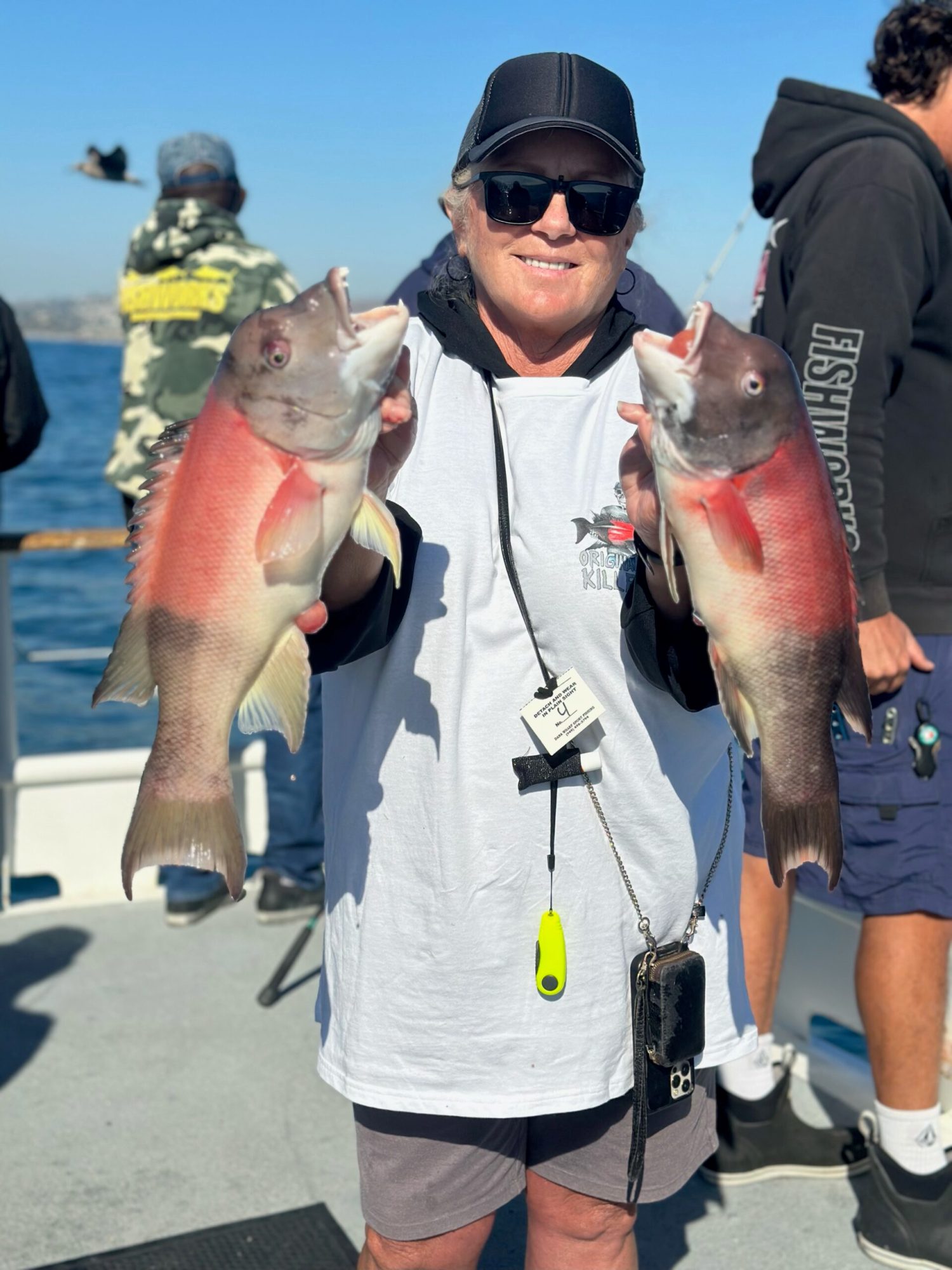
Credit: danawharf.com
Tackle And Bait Tips
Choosing the right tackle and bait is critical for deep sea fishing. The wrong setup can mean lost fish, broken lines, or wasted effort.
Matching Tackle To Species
Use heavy-duty rods and reels for big offshore fish. A typical setup is a 30–50 lb class rod paired with a strong spinning or conventional reel. For smaller species, lighter gear works, but don’t go too light — offshore fish fight hard.
Here’s a quick comparison of tackle by target species:
| Species | Rod Class | Line Strength | Reel Type |
|---|---|---|---|
| Yellowfin Tuna | 50–80 lb | 80–120 lb | Conventional |
| Mahi-Mahi | 20–30 lb | 30–50 lb | Spinning/Conventional |
| Red Snapper | 15–20 lb | 20–30 lb | Spinning |
| Sailfish | 20–30 lb | 40–60 lb | Conventional |
Bait Presentation
Fish offshore are picky. How you present your bait matters. Use fresh or live bait whenever possible. For tuna, sardines or squid work well. For snapper, use cut bait or small live fish.
If trolling, keep your trolling spread balanced. This means running several lures or baits at different distances and depths behind the boat. Make sure baits swim naturally — check for spinning or tangled lines.
Circle Hook Set
Circle hooks are popular offshore because they reduce deep hooking and make catch-and-release easier. Do not “jerk” the rod to set the hook; instead, let the fish take the bait, then steadily apply pressure. The hook slides into the corner of the mouth.
Live Bait Offshore
Live bait is powerful. Keep baitfish healthy by using a well-aerated livewell. Change water regularly and avoid overcrowding. Healthy bait swims naturally and attracts predators.
Leader And Terminal Tackle
Use fluorocarbon leaders for clarity and abrasion resistance. Length and thickness depend on species — heavier for tuna, lighter for snapper. Check your knots and swivels; a weak connection is often where fish break off.
Beginner mistake: Using the wrong hook size or shape. Match hook size to your bait and target fish, not just what you have in your tackle box.
Technique Tips (trolling, Bottom Fishing, Live Bait)
How you fish offshore can change your results. The right technique increases your catch rate and reduces mistakes.
Trolling
Trolling is the most common offshore method. It means dragging lures or bait behind the moving boat. Use a mix of surface and deep-running lures for different species. Adjust speed based on target — mahi-mahi like faster trolling, while wahoo prefer slower speeds.
Here’s a comparison of trolling speeds for popular species:
| Species | Trolling Speed (knots) | Best Bait/Lure |
|---|---|---|
| Mahi-Mahi | 6–8 | Skirted Lures, Ballyhoo |
| Wahoo | 8–12 | Hard Plugs, Bullet Lures |
| Tuna | 5–7 | Feathers, Squid Chains |
| Sailfish | 4–6 | Live Bait, Strip Baits |
A trolling spread uses multiple rods. Place baits at different distances and sides to cover more water. Keep lines clear of tangles and watch for strikes.
Bottom Fishing
Bottom fishing targets species near reefs or wrecks. Drop bait to the bottom and wait for a bite. Use weights to keep your bait down and avoid drifting. Grouper and snapper are classic bottom fish.
Tip: Use braided line for better sensitivity. It helps you feel small bites and reduces stretch.
Live Bait Techniques
Fishing with live bait offshore is very effective. Hook the bait lightly through the nose or back so it swims naturally. Use light drag to prevent the bait from breaking off, but strong enough to control a big fish.
Non-obvious insight: The best offshore anglers adjust their techniques based on conditions. If trolling isn’t working, switch to live bait or bottom fishing. Don’t stick to one method all day.
Fighting And Landing Tips
Hooking a fish offshore is just the start. Landing it takes skill and patience.
Adjusting Drag And Rod Angle
Set your drag correctly before the fight. Too tight, and you’ll break off; too loose, and the fish escapes. Aim for a drag setting that’s about 1/3 of your line strength. For example, with 60 lb line, set drag to 20 lbs.
Fighting Fish Offshore
Keep your rod tip up and let the rod do the work. Don’t reel against the drag — wait for the fish to slow, then reel in. Use a “pump and reel” technique: raise the rod, then lower and reel.
Teamwork Matters
Big fish need teamwork. One person fights the fish, another clears lines, and a third handles the gaff or net. Good communication prevents tangles and lost fish.
Landing The Fish
Use a gaff for large fish, or a net for smaller ones. Aim for the head or shoulders, not the tail. Once aboard, secure the fish quickly to avoid injury.
Handling For Catch-and-release
If you plan to release, minimize handling. Use wet hands or gloves, and remove the hook gently. Never keep the fish out of water for more than 30 seconds.
Beginner mistake: Trying to lift big fish with the rod alone. Always use a gaff or net — rods can snap under heavy weight.
Safety Tips
Offshore fishing comes with risks. Safety should always come first, no matter your skill level.
1. Wear Life Jackets
Everyone on board should have a properly fitted life jacket. Even strong swimmers can struggle in rough seas.
2. Carry Communication Devices
Have a VHF radio, satellite phone, and backup batteries. Cell phones may not work far offshore.
3. Know Emergency Procedures
Everyone should know what to do in case of man overboard, fire, or other emergencies. Review procedures before leaving the dock.
4. First-aid Kit And Training
Carry a full first-aid kit and know how to use it. Offshore accidents can be serious, and help may be hours away.
5. Monitor Weather Continuously
Conditions offshore change fast. Check weather updates regularly and be ready to head in early if storms approach.
6. Avoid Alcohol Until Trip Ends
Alcohol impairs judgment and reaction time. Save drinks for after you’re safely back at the dock.
Essential Safety Gear Comparison
| Item | Purpose | Recommended? |
|---|---|---|
| Life Jacket | Floatation | Yes |
| EPIRB | Emergency Location | Yes |
| VHF Radio | Communication | Yes |
| Flares | Signaling | Yes |
| Cell Phone | Backup Communication | Optional |
Non-obvious insight: Offshore fishing can cause seasickness even in experienced anglers. Bring motion sickness medicine and take it before symptoms start.

Credit: anycreek.com
Charter Boat Etiquette Tips
If you’re fishing on a charter boat, following proper etiquette makes the trip better for everyone. A smooth day depends on respect and teamwork.
1. Listen To The Captain And Crew
They know the boat, the area, and the best fishing methods. Trust their advice and follow instructions.
2. Arrive Early And Prepared
Be on time and bring what you need — but avoid overpacking. Space is limited, and heavy bags slow down the trip.
3. Respect Shared Gear And Space
Don’t grab someone else’s rod without asking. Clean up after yourself, and keep the deck clear of clutter.
4. Tip The Crew
It’s standard to tip 15–20% of the trip cost if you’re happy with the service. Crew members work hard to ensure your safety and fun.
5. Communicate Your Goals
Tell the captain if you want to target specific species or prefer catch-and-release. This helps them plan the trip to suit your needs.
6. Handle Fish Respectfully
Follow local laws and boat rules about keeping or releasing fish. Don’t waste catches or ignore limits.
Beginner mistake: Not asking questions. Crew members are there to help — if you’re unsure about something, speak up.
Frequently Asked Questions
What Is The Best Bait For Deep Sea Fishing?
The best bait depends on your target species. Live bait like sardines, squid, or small fish is ideal for tuna and mahi-mahi. For bottom fish like grouper and snapper, use cut bait or squid. Fresh bait is always better than frozen.
How Do You Set Up A Trolling Spread?
A trolling spread means running multiple lines at different distances and depths behind the boat. Use a mix of lures and baits. Place some close to the boat and others farther back. Adjust lure types and colors based on water clarity and target fish.
What’s The Safest Way To Fight Big Offshore Fish?
Set your drag properly and use the “pump and reel” method. Keep the rod tip up, and don’t rush. Teamwork is important — have someone ready to help clear lines or gaff the fish. Always wear gloves to avoid line cuts.
How Can Beginners Catch More Fish Offshore?
Start by researching local species and using fresh or live bait. Use fish finders to locate structure and baitfish. Try different techniques: trolling, bottom fishing, and live bait. If you don’t get bites, move to a new spot. Log your results to learn from each trip.
What Safety Gear Is Mandatory For Offshore Fishing?
Mandatory gear includes life jackets, VHF radio, flares, and a first-aid kit. An EPIRB (emergency beacon) is highly recommended. Check local laws for additional requirements.
Deep sea fishing can turn into your best memory or your biggest headache. Preparation, smart tactics, and respect for safety make all the difference. If you want to learn more about offshore fishing gear, tackle choices, and advanced tips, visit the comprehensive guide at Salt Water Sportsman.
With these offshore fishing tips for beginners, you’re ready to hit the water, catch more fish, and stay safe. Remember, the ocean rewards those who prepare well and stay flexible. Tight lines!

Credit: fishingbooker.com
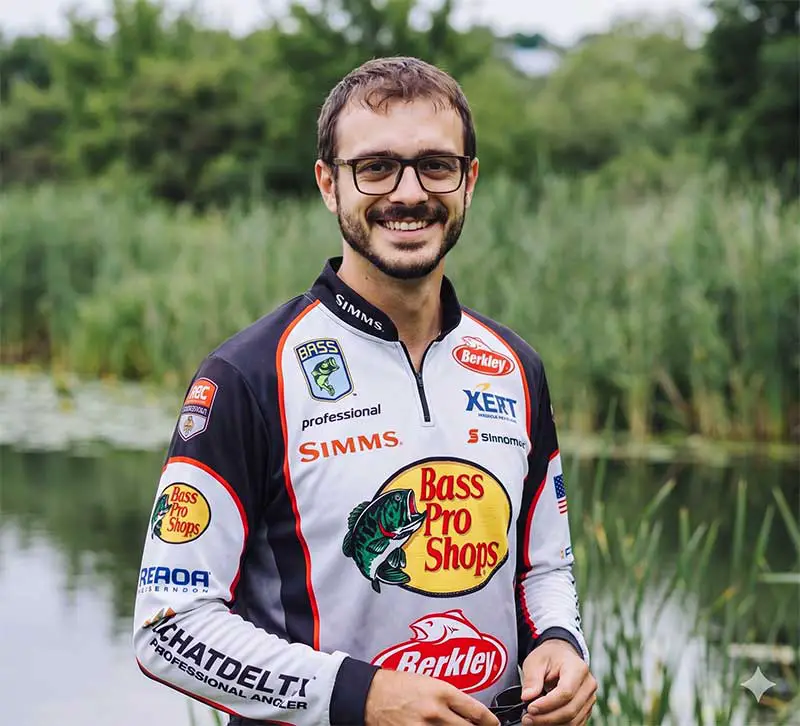
Tony L. Smith is a dedicated fishing expert with over 15 years of hands-on experience in freshwater and saltwater environments. As the founder of FishingStaff, Tony is committed to demystifying fishing gear for beginners and budget-conscious anglers who refuse to compromise on quality. Learn more about Tony & find him on Twitter. Happy reading!