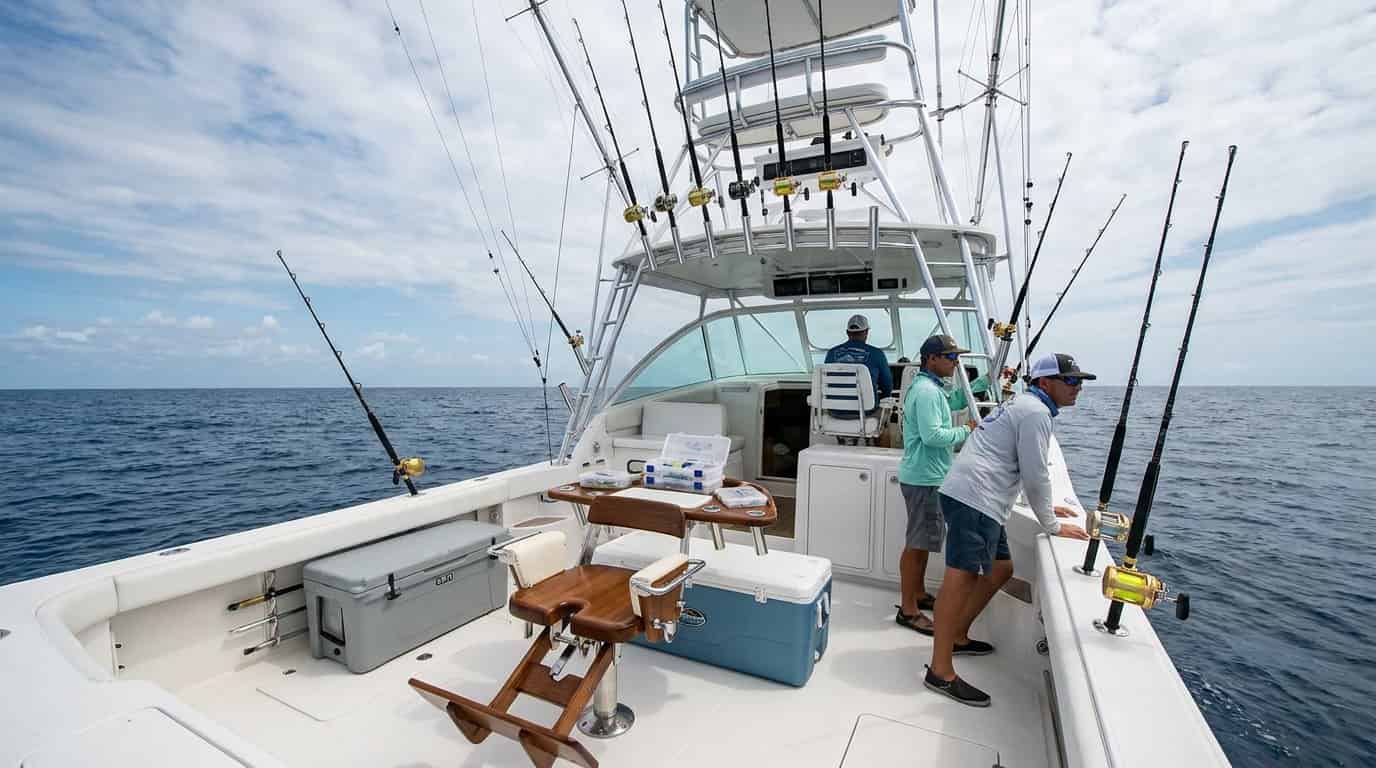
What really separates an offshore fishing boat from something built for inshore waters? The answer goes far beyond size or engine power. An offshore-ready boat is a floating command center—equipped for safety, navigation, efficient fishing, and survival if things go wrong. It’s not just about catching bigger fish; it’s about preparing for unpredictable conditions, longer distances from help, and the unique demands of deep-sea fishing. If you want to transform your vessel for offshore action, you need more than just a few rod holders and a cooler. Let’s break down the essentials—from critical safety gear to specialized offshore boat rigging—so you can fish with confidence and come home safe.
Safety Equipment (non-negotiable)
When you’re miles from land, safety equipment isn’t optional—it’s your first line of defense. Offshore waters can change quickly. Sudden storms, equipment failures, or medical emergencies all require fast, reliable responses. Equipping your boat with the right gear can save lives.
Vhf Radio, Epirb, Life Jackets, Flares
A VHF radio is your primary tool for communication. Unlike a cell phone, a VHF works when you’re out of cell range and lets you contact the Coast Guard and nearby vessels instantly. Fixed-mount units offer more power and range than handheld models, but having a backup handheld is smart.
EPIRB (Emergency Position Indicating Radio Beacon) is essential for offshore. If your boat sinks or you lose power, an EPIRB sends a distress signal and GPS location to rescue authorities. Choose a Category 1 (automatic) model for the highest safety.
You need enough life jackets for every person on board—offshore-rated, brightly colored, and equipped with a whistle and light. Store them where they’re easy to grab in an emergency.
Flares are required by law and can be seen from miles away. Offshore kits should include aerial, smoke, and handheld flares. Check expiration dates before every trip.
Don’t forget a life raft for extended trips. In case you must abandon ship, a life raft keeps everyone together, sheltered, and visible to rescuers.
Navigation Electronics
Good navigation gear isn’t just about finding fish—it’s about getting home safely. Offshore, you rely on electronics to avoid hazards, track weather, and monitor your position at all times.
Gps / Chartplotter
A GPS/chartplotter is the heart of your navigation system. Modern models display detailed maps, your route, and waypoints. They’re vital for marking fishing spots, tracking drifts, and ensuring you don’t get lost in bad weather. Many units now offer touchscreen control, split-screen views, and integration with other electronics.
Fish Finder / Sonar
A fish finder or sonar helps you see what’s below your boat. Offshore, you need a model with deep-water capabilities (1,000+ feet), high-resolution imaging, and CHIRP sonar for better target separation. This makes it easier to find bait balls, structure, and the fish you’re after.
Radar
Radar is critical for offshore. It lets you spot other boats, ships, land, and weather at night or in fog. Look for a unit with at least 24-mile range and adjustable gain to filter out clutter. Radar can also help you avoid sudden squalls and navigate safely back to port.
Here’s a quick comparison of the main offshore navigation electronics:
| Device | Main Function | Recommended Range/Depth | Key Feature |
|---|---|---|---|
| GPS/Chartplotter | Navigation & mapping | Global | Waypoint marking |
| Fish Finder/Sonar | Depth & fish locating | 1,000+ ft | CHIRP technology |
| Radar | Collision avoidance | 24+ miles | Weather detection |

Credit: www.youtube.com
Trolling Equipment
Trolling is a proven offshore technique, but you’ll need specialized gear to do it right. The goal is to present multiple baits at different depths and distances without tangling lines.
Outriggers
Outriggers are long poles that extend lines away from the boat. They allow you to troll more lines and cover a wider area. Outriggers reduce tangles and keep your spread organized, especially when targeting fast-moving species like tuna, wahoo, or mahi-mahi. Choose telescoping aluminum or fiberglass models for strength and ease of storage.
Rod Holders And Gunnel Mounts
Rod holders are a must for keeping rods organized and ready. Offshore boats often have a mix of flush-mount holders in the gunnels and adjustable holders on rails or the transom. The gunnel mounts are especially useful for trolling and bottom fishing. Stainless steel is the preferred material for durability and corrosion resistance.
Here’s how different rod holder setups compare:
| Type | Best Use | Mount Location | Material |
|---|---|---|---|
| Flush-mount | Trolling | Gunnel | Stainless steel |
| Adjustable | Multiple angles | Rails/transom | Anodized aluminum |
| Vertical racks | Rod storage | Console/T-top | Plastic/aluminum |
Live Well Setup For Offshore
A live well keeps baitfish healthy for long periods—a game-changer for offshore trips. Offshore live wells must be larger (at least 30 gallons), round to prevent bait injury, and have strong, oxygen-rich water flow. High-capacity pumps (1,100 GPH or more) are vital for keeping water fresh and cool, especially in hot climates.
Tip: Install a backup pump and keep a dip net handy. Offshore, losing your live bait can ruin a trip, so redundancy matters.

Credit: www.youtube.com
Fighting Chair Vs Stand-up Gimbal Belt
Hooking a big tuna or marlin requires the right setup for battle. A fighting chair anchors you to the boat and gives maximum leverage for long fights. It’s the top choice for targeting the biggest pelagic species, but takes up space and is expensive.
A stand-up gimbal belt is lighter, less costly, and lets you move around the boat. Many anglers prefer stand-up gear for versatility and sport—even with large fish—especially on smaller boats or center consoles. Both options require matching harnesses and quality rod holders.
Here’s a side-by-side look:
| Option | Best For | Mobility | Cost |
|---|---|---|---|
| Fighting Chair | Giant pelagics | Stationary | High |
| Stand-up Gimbal Belt | Versatility | High | Medium |
Cooler And Fish Storage
Keeping your catch fresh is critical when fishing offshore. Large, insulated coolers are standard. Look for models that hold ice for 3–5 days and can double as extra seating. Some boats have built-in fish boxes with drains and macerator pumps for easy cleaning.
For serious trips, consider a deck-mounted fish bag—they save space and handle oversized catches. Use plenty of ice, layer fish with saltwater slush, and keep the lid closed as much as possible. Remember, fish spoil quickly in the sun.

Credit: www.floridasportsman.com
Anchor System For Offshore
Anchoring offshore is different than inshore. You’re dealing with deeper water, stronger currents, and rougher bottom. An offshore anchor system should include:
- A plow or Danforth anchor (20–35 lbs for most center consoles)
- At least 300 feet of high-strength anchor line (nylon or rope/chain combo)
- A heavy-duty stainless steel or galvanized chain leader (10–20 feet)
- A windlass (electric anchor winch) for boats over 25 feet
The right anchor keeps you safely in position over wrecks, reefs, or structure—key for bottom fishing. Always carry a backup anchor in case the main one is lost or fouled.
Budget Breakdown For Offshore Boat Rigging
Setting up an offshore fishing boat isn’t cheap, but knowing where the money goes helps you plan. Here’s an average budget for a center console offshore rigging:
- VHF radio: $150–$500
- EPIRB: $400–$900
- Life jackets, flares, and raft: $300–$2,500
- GPS/chartplotter: $700–$3,000
- Fish finder/sonar: $600–$2,500
- Radar: $1,200–$5,000
- Outriggers: $500–$2,000
- Rod holders: $200–$800
- Live well upgrade: $400–$1,200
- Fighting chair/gimbal belt: $200–$3,000
- Cooler/fish storage: $200–$1,000
- Anchor system: $400–$2,000
Don’t forget installation costs—professional wiring and mounting are essential for safety and reliability. It’s better to invest in fewer, higher-quality items than to cut corners on critical systems.
Frequently Asked Questions
What’s The Minimum Safety Equipment For Offshore Fishing?
You must have a VHF radio, EPIRB, enough offshore-rated life jackets for all on board, up-to-date flares, and a life raft for extended trips. These are non-negotiable for offshore safety.
How Do I Set Up A Live Well For Offshore Fishing?
Use a large, round live well (at least 30 gallons) with a high-capacity pump (1,100 GPH or more). Make sure the system circulates fresh water and is easy to clean. A backup pump is smart for long trips.
What’s Better For Offshore Fishing: A Fighting Chair Or A Stand-up Belt?
For giant fish like marlin, a fighting chair gives more leverage and comfort during long battles. For most center console setups and smaller boats, a stand-up gimbal belt is more practical and affordable. Many anglers use both, depending on the trip.
Can I Use Inshore Electronics Offshore?
Inshore units often lack the range and power needed offshore. You’ll want a GPS/chartplotter with detailed bluewater maps, a sonar with deep-water capability, and a radar with at least a 24-mile range for safety.
Where Can I Find More Detailed Guides On Offshore Boat Rigging?
Check expert resources such as Salt Water Sportsman for in-depth articles and tutorials about offshore boat rigging.
Setting up your offshore fishing boat is a serious investment, but it’s also the key to safe, successful trips. Prioritize safety gear, reliable electronics, and quality fishing setups—cutting corners is never worth the risk when you’re miles from shore. With the right preparation and equipment, you’ll be ready to tackle big water, find the fish, and bring home stories worth telling.
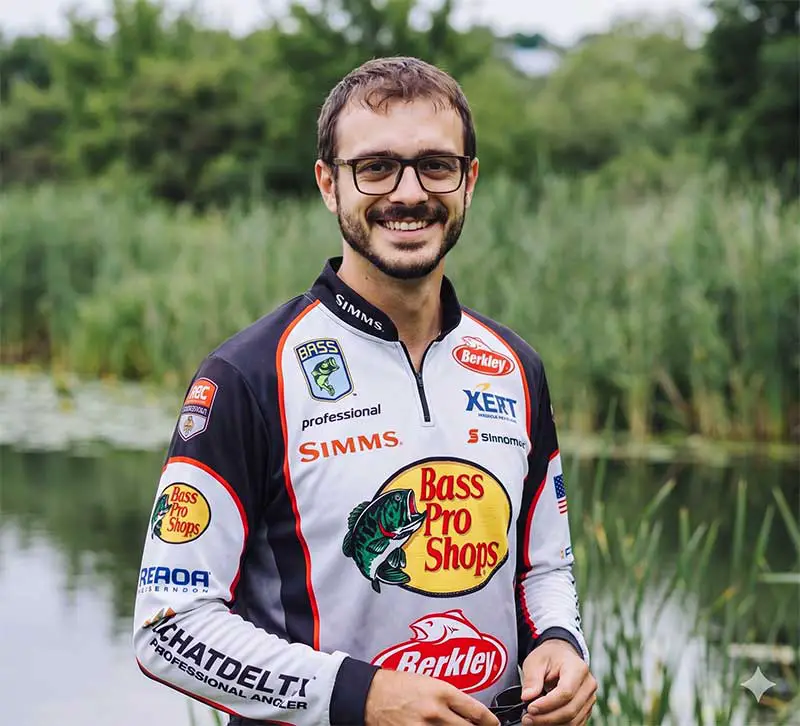
Tony L. Smith is a dedicated fishing expert with over 15 years of hands-on experience in freshwater and saltwater environments. As the founder of FishingStaff, Tony is committed to demystifying fishing gear for beginners and budget-conscious anglers who refuse to compromise on quality. Learn more about Tony & find him on Twitter. Happy reading!