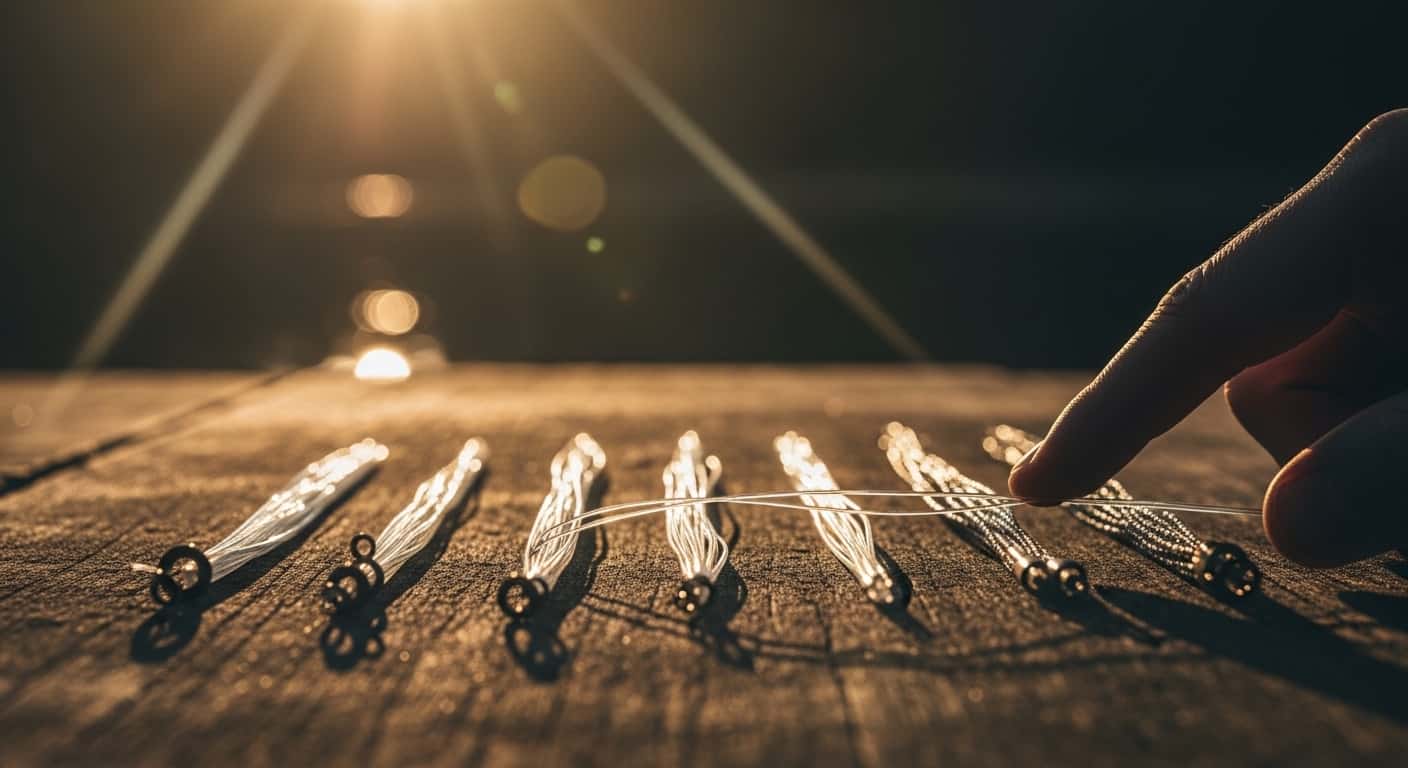
Choosing the right fishing line is one of the most important gear decisions you’ll make as an angler. The line connects you directly to the fish, so it impacts everything—casting, sensitivity, strength, and even how many fish you land. Many beginners overlook the role of fishing line, but it’s just as crucial as picking the right rod or reel.
In this guide, you’ll discover the types of fishing line, their strengths and weaknesses, and how to pick the best one for your fishing style.
The Three Main Types Of Fishing Line
If you walk into any tackle shop or browse online, you’ll see three main types: monofilament, braided, and fluorocarbon fishing lines. Each has unique features and is designed for specific situations.
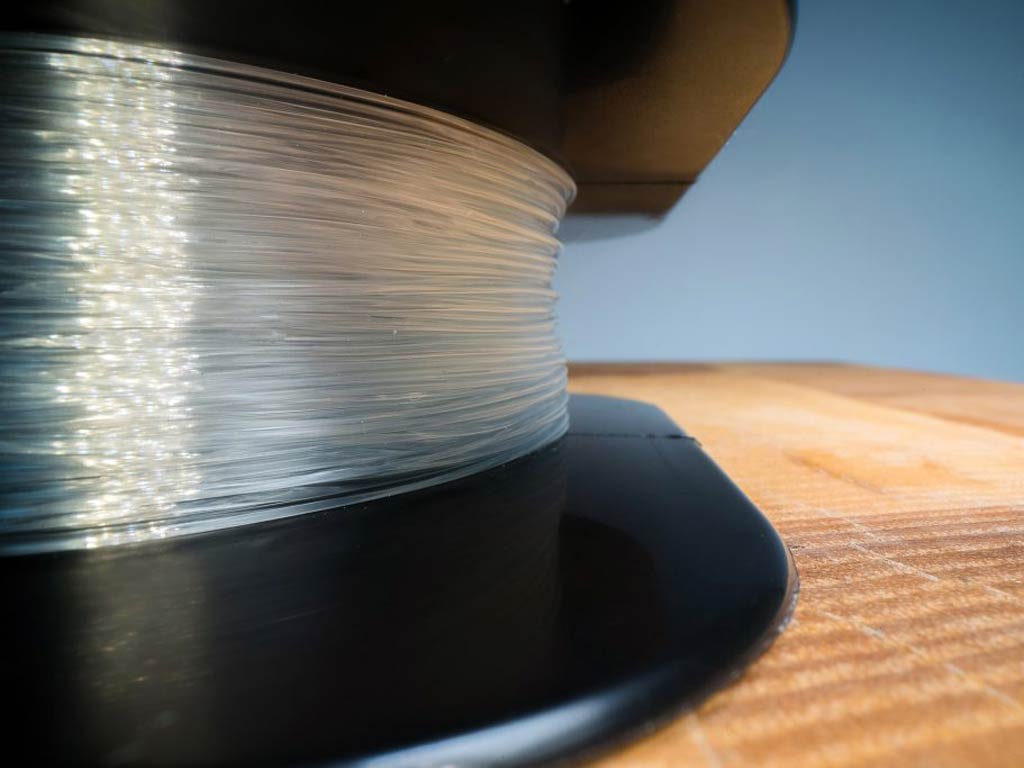
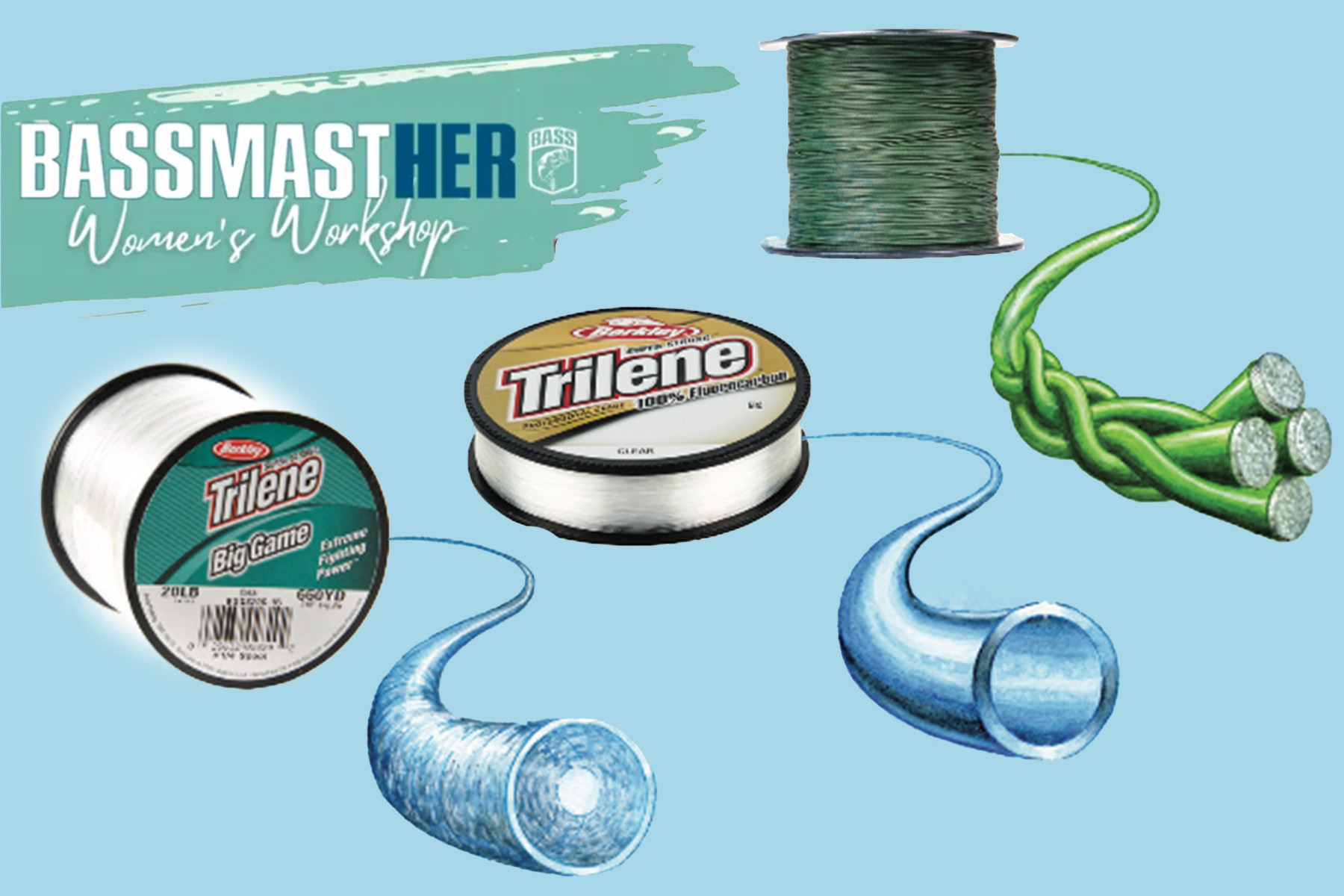
- Monofilament: Made from a single strand of nylon. Flexible, easy to handle, and popular with beginners.
- Braided: Composed of several synthetic fibers woven together. Known for strength and thin diameter.
- Fluorocarbon: Made from a single strand of polyvinylidene fluoride. Invisible underwater and resistant to abrasion.
Understanding these types is key to matching your line to your target species, water conditions, and fishing technique.
Monofilament Fishing Line
Monofilament is the classic fishing line. It’s been around since the 1950s and is still widely used today. Most anglers start with mono because it’s affordable, easy to tie, and forgiving.
Pros And Cons
Monofilament offers several advantages:
- Low cost: It’s cheaper than braid or fluoro.
- Stretch: Mono stretches under pressure, which helps absorb sudden pulls from fish.
- Easy handling: Soft and flexible, making it easy to spool and cast.
- Knot strength: Ties reliable knots, even for beginners.
However, there are some drawbacks:
- Memory: Mono can retain coils, which leads to tangles and loops.
- Lower sensitivity: The stretch makes it harder to feel light bites.
- Lower strength-to-diameter: Thicker than braid for the same strength.
- UV degradation: Sunlight weakens mono over time.
Best Uses For Mono
Monofilament shines in several situations:
- Beginner setups: It’s forgiving and easy to use.
- Topwater fishing: The stretch and buoyancy help keep lures on the surface.
- Live bait rigs: The flexibility is gentle on bait.
- Fishing around cover: The stretch prevents break-offs when fish run into weeds or wood.
For example, mono is often used for bass fishing with topwater lures or for trout in streams. If you’re starting out or fishing in clear lakes, mono is a solid choice.
Credit: fishingbooker.com
Braided Fishing Line
Braided line is made by weaving together synthetic fibers like Spectra or Dyneema. It’s famous for its strength and thin diameter. Braided line has been popular since the 1990s and is now a staple for serious anglers.
Pros And Cons
Braided line offers these advantages:
- High strength: Can hold heavy fish with a thin line.
- Thin diameter: More line fits on your reel, and it cuts through water easily.
- No stretch: Offers direct contact and sensitivity.
- Durability: Doesn’t degrade in sunlight and lasts longer.
The cons include:
- Visible underwater: Fish can see braid easily, especially in clear water.
- Poor abrasion resistance: Can fray when rubbing against rocks or wood.
- Difficult knots: Slippery fibers require special knots.
- Higher cost: More expensive than mono.
Best Uses For Braid
Braided line is ideal for:
- Heavy cover fishing: Pulling fish out of thick weeds or grass.
- Deep water: Thin diameter lets lures sink quickly.
- Saltwater fishing: Handles big fish and strong currents.
- Long casts: The slick surface helps cast farther.
Bass anglers often use braid for frogging or flipping jigs in dense vegetation. Saltwater anglers rely on braid for chasing species like redfish or tarpon. If you need maximum strength and sensitivity, braid is the way to go.
Fluorocarbon Fishing Line
Fluorocarbon line is a newer technology, made from polyvinylidene fluoride. It’s designed to be almost invisible underwater and is known for its stiffness and abrasion resistance.
Pros And Cons
Fluorocarbon has several strengths:
- Invisibility: Nearly invisible, even in clear water.
- Abrasion resistance: Tough against rocks, wood, and debris.
- Low stretch: More sensitive than mono, but less than braid.
- Sinks fast: Denser than water, so lures drop quickly.
Fluoro’s weaknesses include:
- Stiffness: Harder to handle, especially in cold weather.
- Higher cost: More expensive per spool than mono.
- Difficult knots: Can slip unless tied correctly.
- Memory: Tends to coil and tangle if not managed well.
Best Uses For Fluoro
Fluorocarbon is best in these scenarios:
- Clear water fishing: When fish are spooky, fluoro is almost invisible.
- Leader material: Used as a leader with braid or mono for added stealth.
- Drop shot rigs: The sinking property helps finesse lures perform.
- Fishing rocky areas: The abrasion resistance prevents line breaks.
For example, trout anglers love fluoro for its invisibility. Bass fishers use it for finesse techniques like wacky rigging. In saltwater, fluoro leaders are standard for species with sharp teeth or rough mouths.
Credit: www.bassmaster.com
Full Comparison Table
To help you choose, here’s a comparison of the three main fishing line types:
| Line Type | Strength | Diameter | Visibility | Stretch | Abrasion Resistance | Cost | Durability |
|---|---|---|---|---|---|---|---|
| Monofilament | Good | Thick | Medium | High | Medium | Low | Medium |
| Braided | Excellent | Thin | High | None | Low | High | High |
| Fluorocarbon | Good | Medium | Low | Low | High | High | High |
Which Line Type Is Best For Beginners?
If you’re new to fishing, monofilament is the safest choice. It’s affordable, easy to tie, and forgiving when you make mistakes. Mono’s stretch helps prevent line breaks if you set the hook too hard or fight a fish roughly. It also works well for most freshwater species.
But here’s a tip many beginners miss: Start with mono, but try a braided main line with a monofilament leader once you gain confidence. This setup gives you strength, sensitivity, and easy knot tying. Many modern reels handle braid well, but you need to learn special knots like the Palomar or Double Uni.
A common mistake is choosing braid for your first fishing trip. Braid can tangle easily, and knots can slip if tied incorrectly. For most beginners, mono will make learning easier and more enjoyable.
Which Line Should You Use For Bass / Trout / Saltwater?
Different fish and environments call for different lines. Here’s how to match your line to your target species:
Bass
- Monofilament: Great for topwater lures and spinnerbaits.
- Braided: Ideal for fishing heavy cover like lily pads or thick grass.
- Fluorocarbon: Best for finesse techniques or clear water.
Most bass anglers use 15-20 lb braid for heavy cover, and 8-12 lb fluoro for finesse rigs. Mono is common for beginners or for surface lures.
Trout
- Monofilament: Popular for small streams or lakes. Use 2-6 lb test.
- Fluorocarbon: Perfect for clear water or spooky trout. Use 2-6 lb test.
- Braided: Not common due to visibility, but can be paired with a long fluoro leader.
Trout are sensitive to line visibility. Fluoro is the top choice in clear rivers. Mono works well for general trout fishing, especially with live bait.
Saltwater
- Braided: Handles big fish and strong currents. Use 30-65 lb test for inshore and offshore.
- Fluorocarbon: Used for leader material, especially for sharp-toothed fish.
- Monofilament: Still used for surf fishing or trolling.
Saltwater anglers often use braid as the main line and add a fluoro leader for stealth and abrasion resistance. Mono is less common, but works for surfcasting or trolling.
Here’s a practical comparison for these situations:
| Species | Preferred Line | Strength Range | Key Reason |
|---|---|---|---|
| Bass | Braided / Fluoro | 15-20 lb (braid), 8-12 lb (fluoro) | Heavy cover / finesse |
| Trout | Mono / Fluoro | 2-6 lb | Low visibility |
| Saltwater | Braided / Fluoro | 30-65 lb (braid), 20-40 lb (fluoro leader) | Strength / abrasion resistance |
Frequently Asked Questions
What Is Fishing Line “test”?
Fishing line test means the maximum weight the line can handle before breaking. For example, a 10 lb test line can support up to 10 pounds. Always match your line test to the fish size and fishing method.
How Often Should I Replace My Fishing Line?
Replace monofilament every 6-12 months, especially if exposed to sunlight. Braided and fluorocarbon last longer, but check for frays, nicks, or memory. If in doubt, re-spool—fresh line prevents lost fish.
Can I Use Braided Line For All Fishing?
Braided line works for many situations, but it’s not ideal everywhere. In clear water, fish may see braid easily. Pair braid with a fluorocarbon leader for stealth. Also, some reels (especially older ones) don’t handle braid well.
What Is A Leader And Why Use It?
A leader is a short piece of line tied between your main line and hook. Most anglers use a fluorocarbon leader for invisibility and abrasion resistance. Leaders help prevent line breaks and make your setup less visible to fish.
Does Line Color Matter?
Yes, line color affects visibility. Clear mono and fluoro are best for spooky fish. Green blends in with vegetation, while yellow is easy to see above water (good for detecting bites). For saltwater or deep fishing, color fades quickly, so focus more on strength and abrasion resistance.
Fishing line is a complex topic, but matching your line to your fishing style, water conditions, and target species will help you catch more fish and enjoy the sport. For more detailed guidance on picking the right fishing line, check out this line buyer’s guide. Try different types and keep notes on your results—over time, you’ll find what works best for your favorite fishing spots.
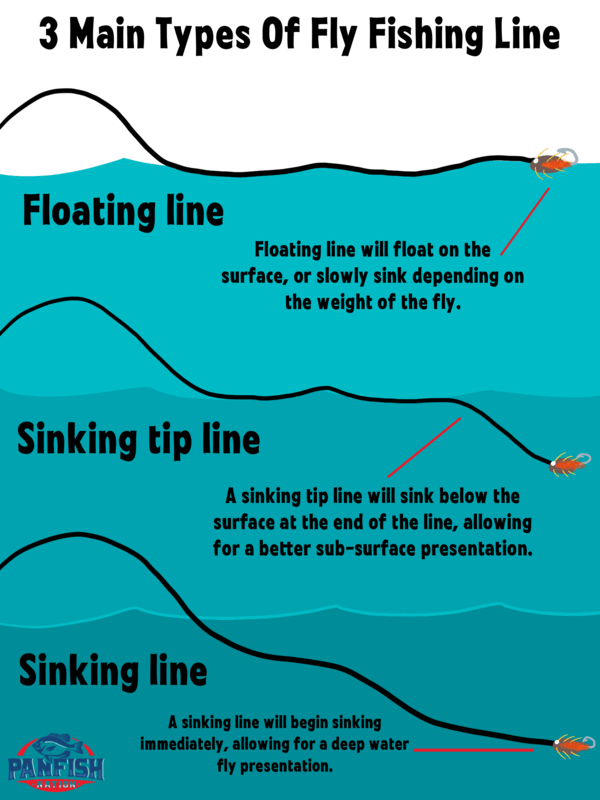
Credit: panfishnation.com
Tony L. Smith is a dedicated fishing expert with over 15 years of hands-on experience in freshwater and saltwater environments. As the founder of FishingStaff, Tony is committed to demystifying fishing gear for beginners and budget-conscious anglers who refuse to compromise on quality. Learn more about Tony & find him on Twitter. Happy reading!