
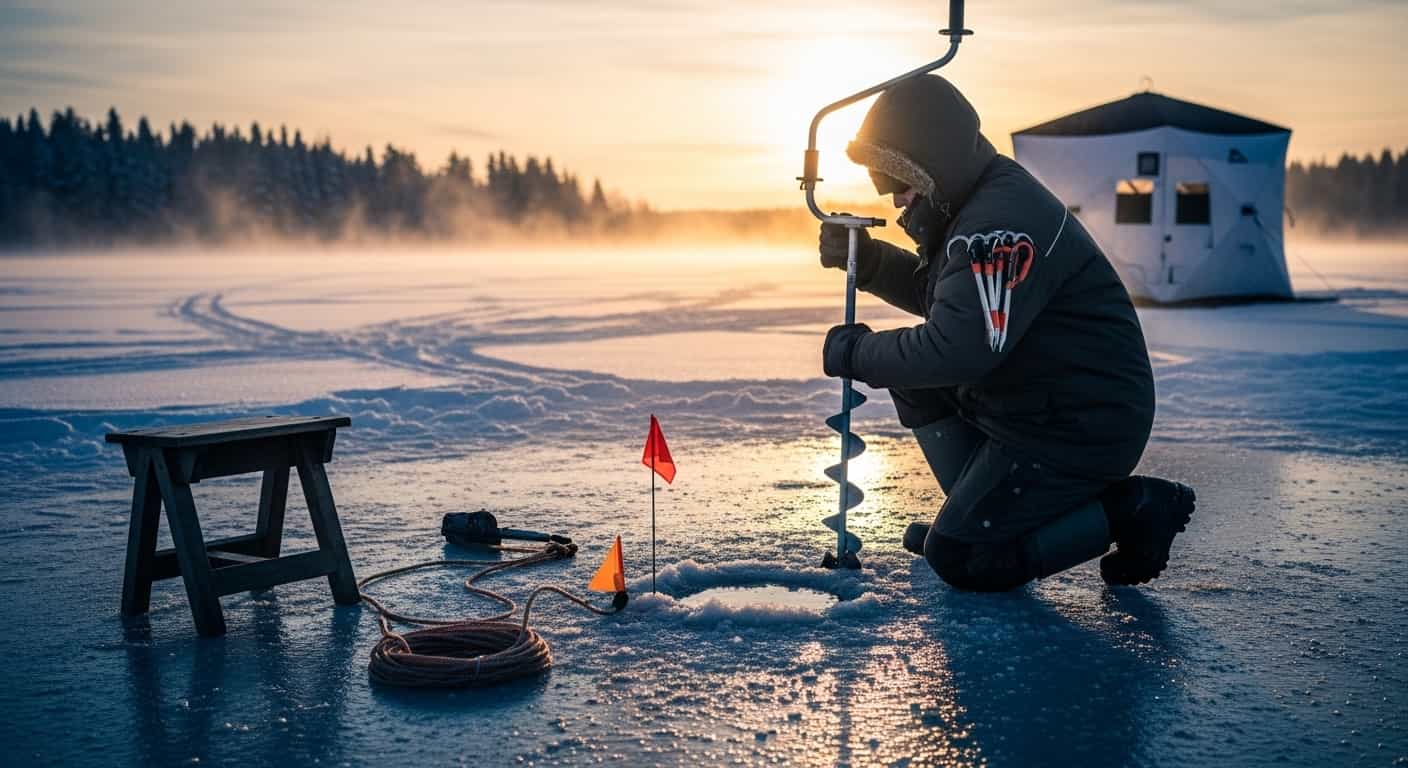
Ice fishing is fun — but it comes with real risks. Every winter, thousands head out to frozen lakes with hopes of catching fish beneath the ice. The peaceful quiet, the thrill of the catch, and the beauty of snow-covered landscapes make it a unique experience. But under the surface, dangers like thin ice, freezing water, and unpredictable weather can turn a good day bad in seconds. Understanding ice fishing safety tips is not just for beginners; even experienced anglers can make mistakes. With the right planning and attention, you can enjoy your trip and come home safe.
Before You Go (planning & Preparation Tips)
Smart preparation is your best defense against accidents. Consider these steps before heading out:
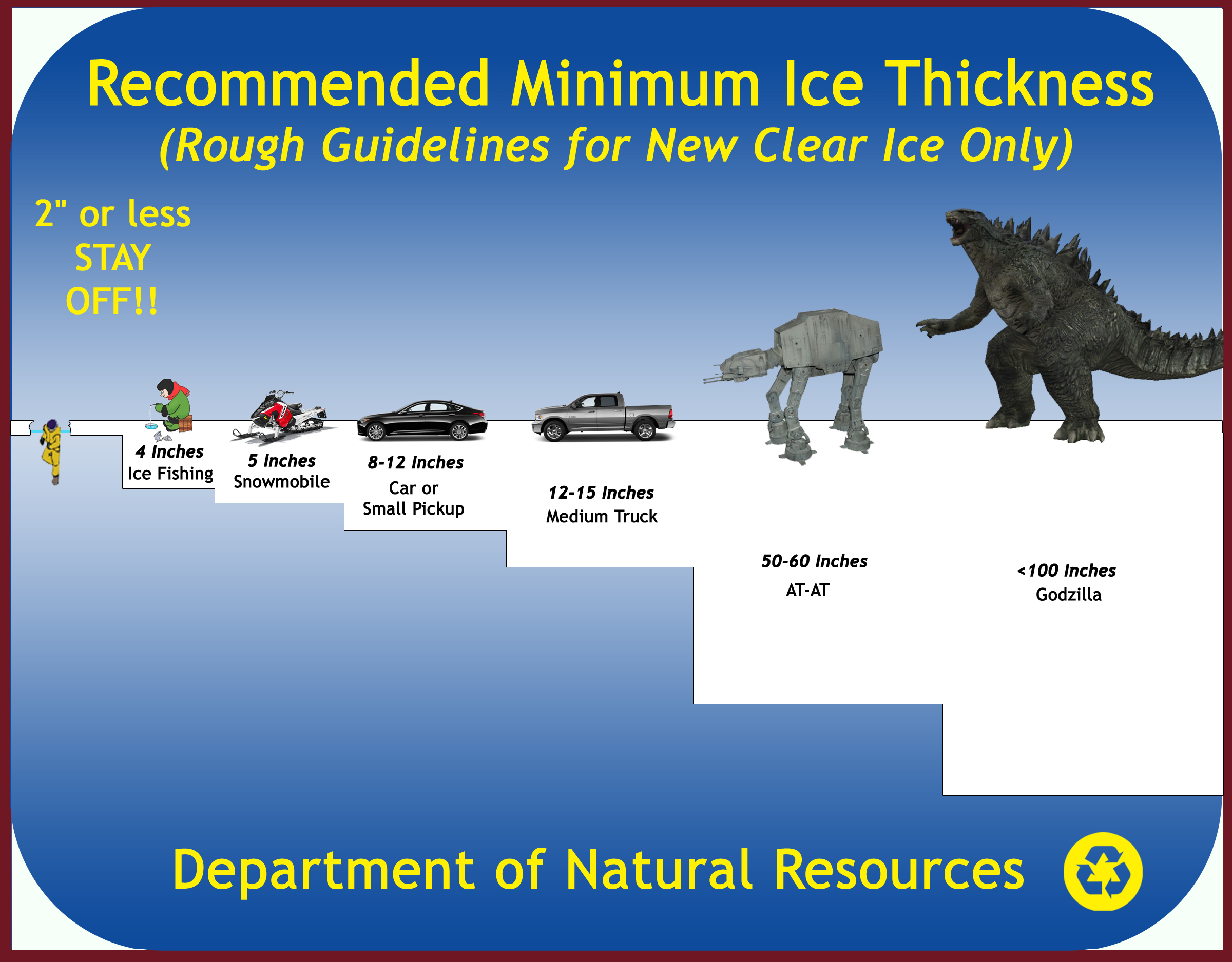
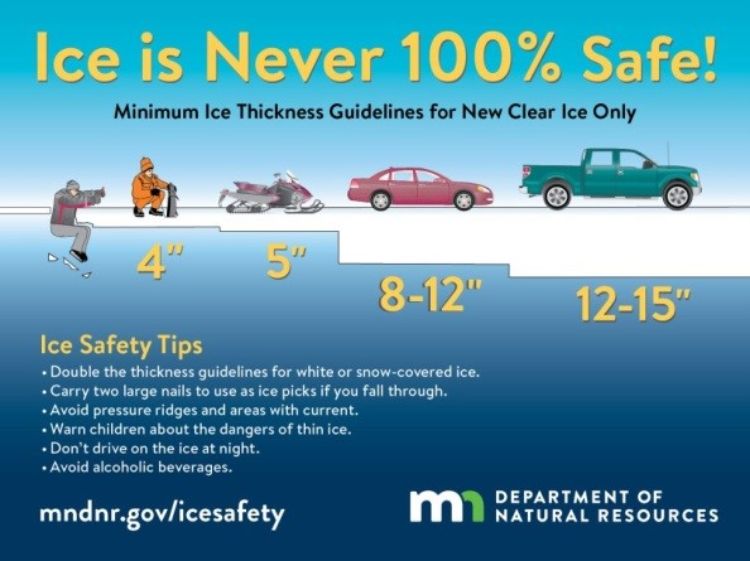
- Check ice conditions: Never assume ice is safe. Local authorities or bait shops often post updates. Look for at least 4 inches (10 cm) of clear, solid ice for walking and 5-7 inches (13-18 cm) for snowmobiles.
- Monitor weather: Sudden temperature changes can weaken ice. Avoid going out after warm spells, rain, or heavy snow.
- Tell someone your plans: Always let a friend or family member know where you’re going and when you’ll return.
- Go with a buddy: Fishing alone is dangerous. A partner can call for help or assist if you fall in.
- Know the area: Study lake maps for currents, springs, or inlets that can cause thin ice. Never fish in unfamiliar spots without local advice.
- Pack essentials: Bring a first aid kit, dry clothes, snacks, and a thermos of hot drink.
A common mistake is trusting old ice. Ice thickness can change day to day. Also, snow on top can hide weak spots and insulate ice, making it weaker than it looks.
On The Ice (active Safety Rules)
Once you’re on the ice, keep these rules in mind:
- Test the ice every few steps: Use a spud bar or auger to check thickness as you go. Ice can vary, even on the same lake.
- Spread out: If fishing in a group, stay at least 10 feet (3 meters) apart. Too much weight in one spot can crack the ice.
- Watch for warning signs: Cracks, slush, or water on the ice mean danger. Move to thicker ice immediately.
- Avoid alcohol: Alcohol slows reaction time and affects judgment. It also increases risk of hypothermia.
- Mark your hole: Place a branch or flag near your fishing hole so others don’t step in by accident.
- Keep your phone handy: Store it in a waterproof bag and keep it in a chest pocket, not in your sled or at the bottom of a bag.
Here’s a quick comparison of safe and unsafe ice thickness:
| Ice Thickness | Safe For | Unsafe For |
|---|---|---|
| 2 inches (5 cm) | Nothing | Walking, vehicles |
| 4 inches (10 cm) | Walking | Snowmobiles, cars |
| 7 inches (18 cm) | Snowmobiles | Cars, trucks |
| 12+ inches (30+ cm) | Small cars/trucks | Heavy vehicles |
Many anglers overlook cracks that seem small. But even a “little” crack can become a big problem, especially near shorelines or around pressure ridges.
Credit: www.boatliftblog.com
Emergency Preparedness (what To Do If You Fall In)
No one expects to fall through the ice, but knowing what to do can save your life.
- Don’t panic: Try to keep calm. Control your breathing and stay afloat.
- Turn toward the direction you came from: The ice you walked on held your weight. Kick your legs and use your arms to pull yourself onto the ice.
- Use ice picks: If you have them (they should be worn around your neck), jab them into the ice and pull yourself forward.
- Kick and roll: Once on the ice, don’t stand up. Roll away from the hole to distribute your weight.
- Get dry and warm fast: Hypothermia sets in quickly. Change into dry clothes and seek shelter.
If you see someone fall in:
- Call for help immediately.
- Use a rope, ladder, or branch to reach them—never walk to the edge.
- Pull them out and get them warm as soon as possible.
Here’s a simple step-by-step rescue summary:
| Step | Action |
|---|---|
| 1 | Call 911 or emergency services |
| 2 | Reach with a long object (rope, pole, branch) |
| 3 | Pull person out without risking your own safety |
| 4 | Get victim into dry, warm clothes |
| 5 | Seek medical attention for hypothermia |
Many people forget how fast cold water can shock the body. In fact, even strong swimmers can only last a few minutes before exhaustion sets in.
Safety Gear Checklist
Having the right gear can make all the difference. Here’s what you should bring:
- Ice cleats or spikes: Prevent slipping on smooth ice.
- Ice picks: Wear around your neck for emergency self-rescue.
- Throw rope: At least 50 feet (15 meters) long.
- Life jacket or float suit: Wear under your coat.
- Whistle: For signaling help.
- Headlamp or flashlight: Winter days are short; visibility drops fast.
- Waterproof bag: For phone and valuables.
- First aid kit: For cuts or cold-related injuries.
- Extra gloves and socks: Wet extremities lose heat fast.
- Ice auger/spud bar: For checking ice as you go.
Here’s a quick view of must-have versus nice-to-have gear:
| Must-Have | Nice-to-Have |
|---|---|
| Ice picks | Hand warmers |
| Throw rope | Portable shelter |
| Life jacket/float suit | Fishing sonar |
| First aid kit | Heated seat pad |
A key insight: Many ignore the value of a whistle. In windy conditions or whiteouts, your voice won’t carry, but a whistle can save you.

Credit: dailymontanan.com
Ice Fishing With Kids — Extra Precautions
Bringing children adds both joy and extra responsibility. Take these steps for safety:
- Choose well-traveled spots: Fish near other groups or in areas where ice is checked regularly.
- Double-check ice thickness: Kids are lighter but also less aware of dangers.
- Keep children within arm’s reach: Never let them wander.
- Dress in layers: Kids get cold faster. Make sure they wear waterproof boots, hats, and mittens.
- Teach them safety basics: Show them how to use a whistle, what to do if they fall in, and where to find the gear.
- Bring hot drinks and snacks: Warm fluids help maintain body temperature.
It’s common for adults to focus on fishing and lose track of kids. Always assign one adult to watch them at all times.
Conclusion + Printable Checklist Offer
Ice fishing can be a safe, memorable activity if you respect the risks and prepare well. Most accidents happen when people get too comfortable or ignore warning signs. With the right habits, gear, and awareness, you can enjoy the outdoors and bring back stories instead of regrets.
To make your next trip even safer, download and print our complete ice fishing safety checklist before you go.
For more detailed information on ice safety, visit the Minnesota Department of Natural Resources.
Credit: www.canr.msu.edu
Frequently Asked Questions
How Thick Should Ice Be For Safe Fishing?
You need at least 4 inches (10 cm) of clear ice for walking. For snowmobiles, 5-7 inches (13-18 cm) is recommended. Never assume ice is safe without checking.
What Should I Do If I Fall Through The Ice?
Stay calm, turn toward the direction you came from, kick your legs, use ice picks if available, and pull yourself out. Roll away from the hole and seek warmth immediately.
Is It Safe To Use A Heater Inside An Ice Fishing Shelter?
Yes, but only with proper ventilation. Carbon monoxide can build up quickly. Use heaters made for indoor use and keep a window slightly open.
Are Life Jackets Necessary For Ice Fishing?
A life jacket or float suit adds a layer of safety, especially for kids or weak swimmers. It can keep you afloat if the ice breaks.
How Do I Recognize Weak Ice?
Watch for cracks, slush, water on top, or gray/white ice. These signs mean the ice is weakening. Always test ice thickness as you go.

Tony L. Smith is a dedicated fishing expert with over 15 years of hands-on experience in freshwater and saltwater environments. As the founder of FishingStaff, Tony is committed to demystifying fishing gear for beginners and budget-conscious anglers who refuse to compromise on quality. Learn more about Tony & find him on Twitter. Happy reading!