
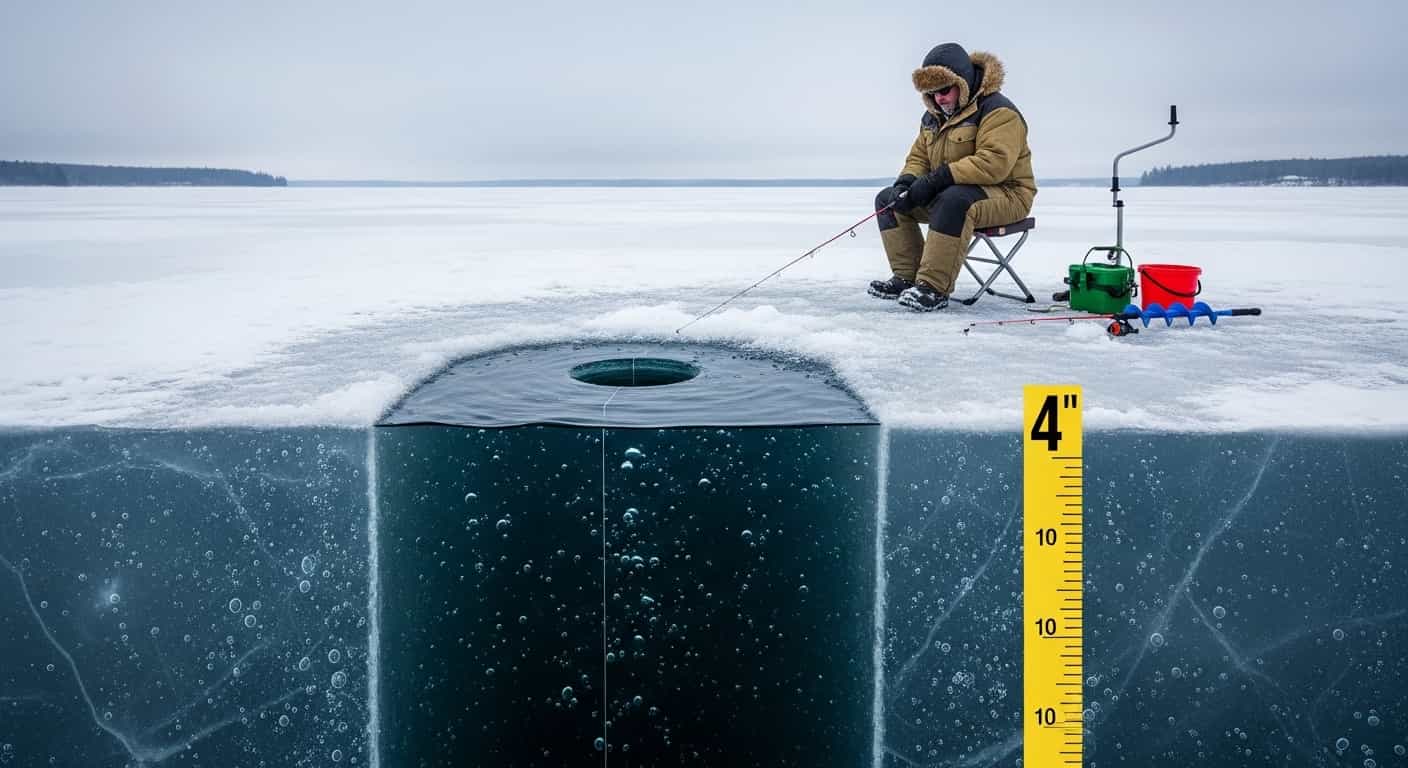
The #1 question every new ice angler asks is simple: How thick does ice need to be for ice fishing? If you’re excited to get out on a frozen lake, safety is the first thing you need to learn. Every year, accidents happen because people misjudge the ice. Knowing the right ice thickness for walking, fishing, or driving makes all the difference between a fun day and a dangerous one.
If you’re new to ice fishing, you probably wonder if the ice under your boots can hold you. Or, maybe you want to bring a friend, a snowmobile, or even a small vehicle. The truth is, ice doesn’t freeze evenly.
Weather, snow, and even moving water can change things fast. This guide will explain exactly how thick the ice must be for each activity, how to check it, and how to avoid the most common mistakes. With clear advice, practical examples, and real numbers, you’ll be ready for a safe ice fishing adventure.
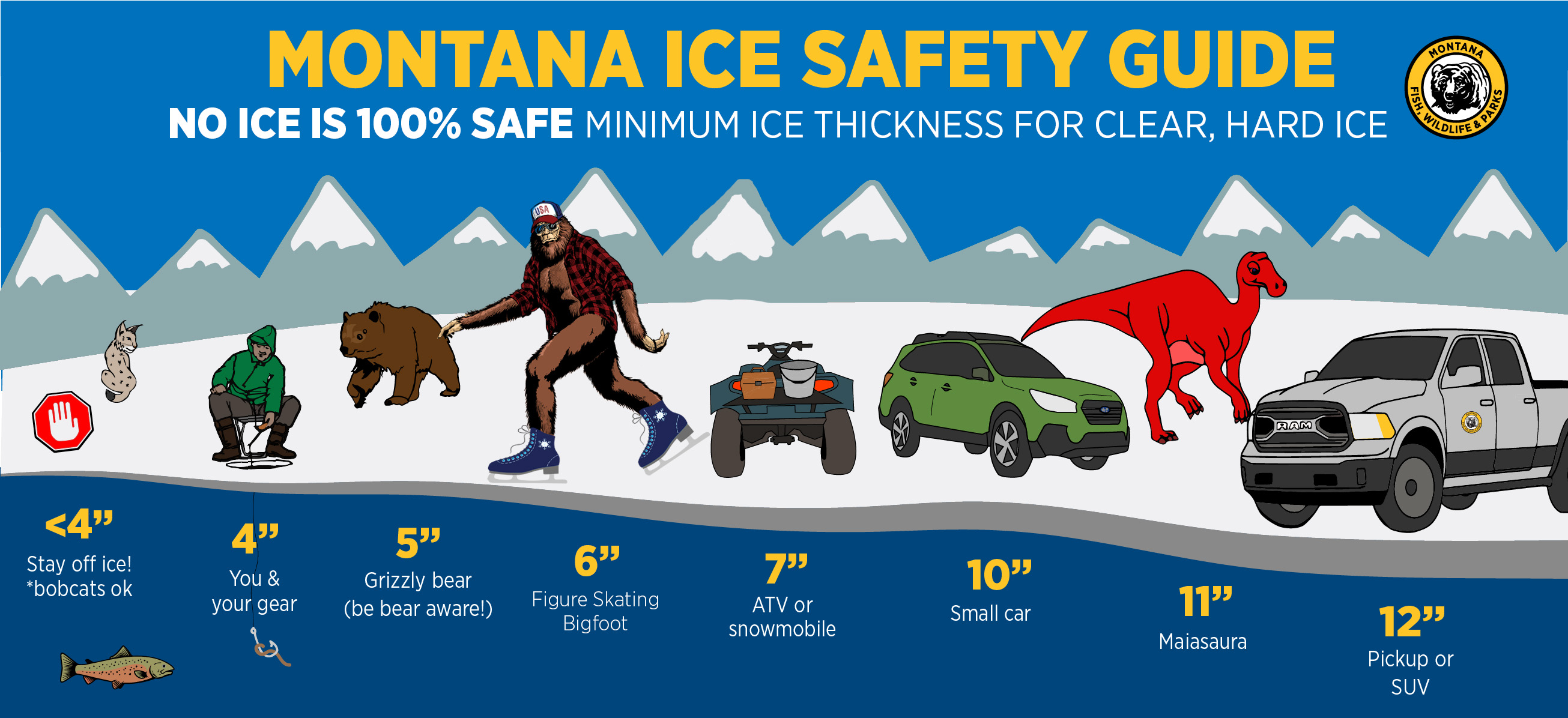
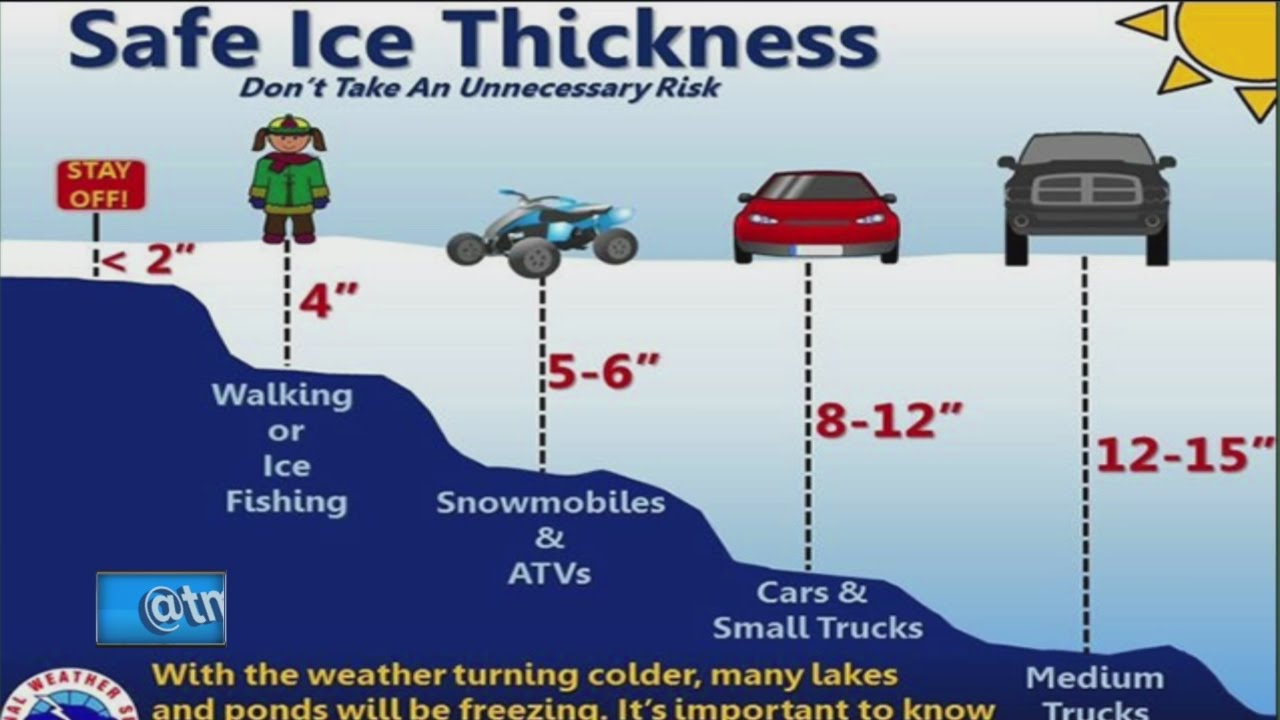
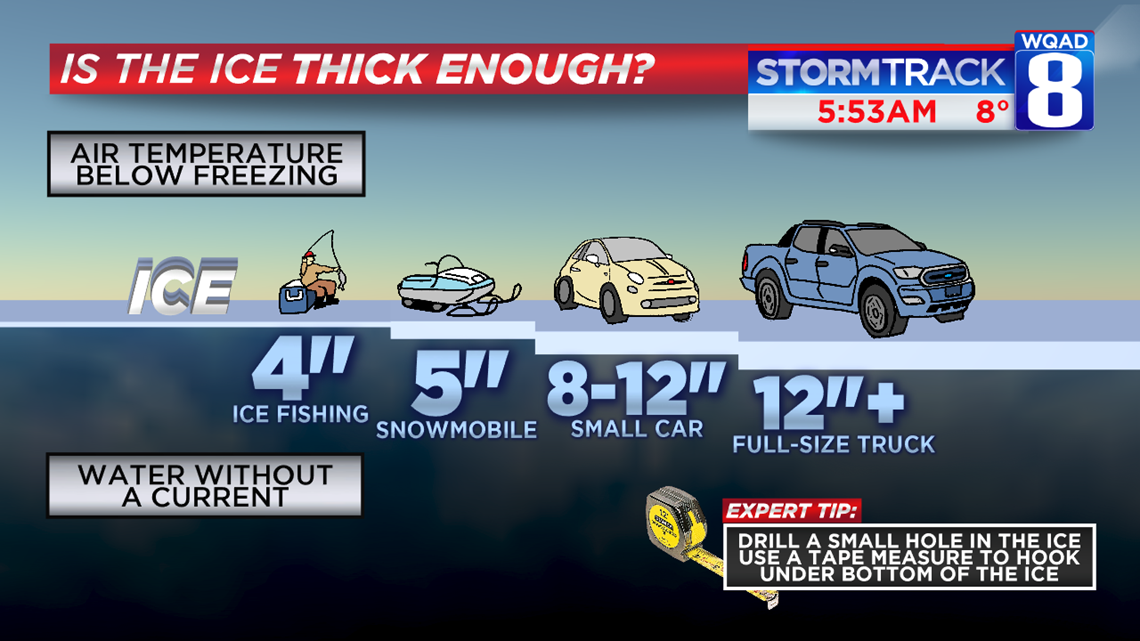
Ice Thickness Chart By Activity
The most important rule in ice fishing is: never guess ice thickness. Here’s a quick reference to help you remember what’s safe and what’s not.
| Ice Thickness | Safe For |
|---|---|
| 4 inches (10 cm) | One person walking (on foot), ice fishing |
| 5–7 inches (13–18 cm) | Snowmobile or ATV |
| 8–12 inches (20–30 cm) | Small car or light pickup truck |
| 12+ inches (30+ cm) | Medium truck, group activities |
Important notes:
- These numbers are for clear, solid ice only. Weak, white, or slushy ice is never as strong.
- Never group up or park vehicles together on the ice. Spread out weight.
- If you’re unsure, always stay on shore.
For example, if you want to bring your snowmobile, you’ll need at least 5 inches of strong ice. Planning to drive a light pickup? Wait until you measure a solid 12 inches.
Remember, ice thickness can change suddenly between the shore and deeper water. Areas near docks, reeds, or rocks often freeze unevenly. Wind can also push ice sheets, creating pressure ridges that are unpredictable. Even a few feet away from a safe spot, the ice could be thinner due to currents or springs underneath.
Always be alert for changes.
How To Measure Ice Thickness
Never trust your eyes alone. Measuring ice thickness is simple, but you must do it right every time you go out.
- Start at the shore. Drill your first hole near land, then check every 30–50 feet as you move onto the ice.
- Use an ice auger or chisel. These tools cut a clean hole quickly.
- Measure with a tape or ice ruler. Insert it into the hole to the bottom of the ice. Read the number at the surface.
Here’s a comparison of popular measuring tools:
| Tool | Pros | Cons |
|---|---|---|
| Ice auger | Fast, easy to use, accurate | Bulky, expensive |
| Ice chisel (spud bar) | Cheap, portable | Harder for thick ice, less precise |
| Cordless drill with long bit | Quick, lightweight | Needs battery, not for very thick ice |
Tip: Measure in several spots, not just one. Ice thickness can change fast, even on small lakes.
Non-obvious insight: After heavy snow, the ice under drifts is often thinner. Snow acts as insulation and slows freezing, so check under snow and clear spots.
Many experienced anglers also listen to the sound as they walk—solid ice gives a crisp, clear tone, while weak or hollow ice sounds dull or echoes. If you hear cracking or feel the ice flex underfoot, that’s a sign to retreat.
In early winter, check ice more often, as conditions change quickly in just a day or two. Always bring your measuring tools each trip, even if you’ve visited the same lake before.
Credit: fwp.mt.gov
What Type Of Ice Is Safest? (clear Blue Vs White Vs Grey)
Not all ice is created equal. Even if the thickness is right, the type of ice matters a lot for safety.
- Clear blue ice: This is the strongest and safest. It forms in cold, calm weather and can hold the most weight.
- White ice (opaque or snow ice): Usually forms when snow partially melts and refreezes. It’s about half as strong as clear ice.
- Grey or dark ice: This is dangerous. It usually means melting, waterlogged, or rotten ice. Never trust grey or slushy ice, no matter the thickness.
Here’s a quick guide:
| Ice Type | Strength | Safe? |
|---|---|---|
| Clear blue ice | Very strong | Best choice |
| White or snow ice | About 50% as strong as clear | Be extra cautious |
| Grey, slushy, or honeycombed ice | Very weak | Never safe |
Non-obvious insight: Even thick white ice can break under a snowmobile or ATV. If you see layers, check each one—sometimes there’s a weak layer under the surface.
A simple way to check ice type is to look at the chips after drilling: clear blue ice chips look like glass, while white or grey chips are cloudy or milky. On warm spring days, ice can appear solid but become “honeycombed” inside, losing strength quickly. Always combine visual checks with physical measurements.
Red Flags — When Not To Go On The Ice
Knowing when to stay off the ice is as important as knowing when it’s safe. Trust your instincts and experience.
Here are warning signs you should never ignore:
- Cracks and open water: Any visible cracks, especially long or spiderweb ones, are danger zones.
- Flowing water nearby: Rivers, streams, or springs can create thin spots, even if the rest of the lake looks solid.
- Changing ice color: Grey, dark, or slushy patches mean melting or weak ice.
- Warm weather streaks: Several warm days in a row can rot ice from underneath.
- Rain or heavy snow: Both can weaken ice quickly. Snow insulates and rain melts.
- Air bubbles or “candled” ice: If you see vertical crystals or air pockets, the ice is losing strength.
- No one else is out: If you’re alone, consider why. Locals often know the danger signs.
- Unusual sounds: Cracking, groaning, or water moving under the ice means it’s not stable.
Common mistake: People often assume that cold air means safe ice. But wind, snow, and sun can all change thickness and safety even when the temperature is below freezing.
Also, never trust ice near inlets, outlets, or where a stream enters the lake. These places have moving water below, which prevents solid freezing. Bridges, culverts, and areas with visible current should always be avoided, no matter how cold it’s been.
If you see ducks or geese swimming, that usually means open water or weak ice nearby—another natural warning sign.
Credit: www.youtube.com
Emergency Gear To Always Carry
Even careful anglers can run into trouble on the ice. Carrying the right gear can save your life or help others.
- Ice picks or claws: Wear them around your neck. If you fall in, you can pull yourself out.
- Floatation suit or life jacket: Modern ice fishing suits are warm and help you stay afloat.
- Rope (50 feet): For throwing to someone in trouble.
- Ice cleats: These help prevent slipping and falling on slick ice.
- Whistle: Use it to call for help if you’re in trouble or need to alert others.
- Throw bag: A bag with rope, easy to toss to a person who’s fallen in.
- Waterproof phone or two-way radio: Keep it in a sealed bag.
- Spare dry clothes and towel: If you get wet, hypothermia can set in fast.
- Buddy system: Always fish with a friend. If you must go alone, tell someone your exact plans.
Pro tip: Practice using your ice picks at home, so you know how they work. In an emergency, panic makes simple tasks harder.
A small first aid kit is also smart. Simple supplies like bandages and hand warmers can help with minor injuries or cold fingers. Always carry your emergency gear in a waterproof bag, and keep it accessible—not buried at the bottom of your sled.
If you have kids or beginners with you, review emergency procedures together before heading out.
Frequently Asked Questions
How Thick Should Ice Be For Ice Fishing With A Group?
For a group of people, at least 4–5 inches of solid, clear ice is the minimum. Spread out to avoid putting too much weight in one spot. If there’s equipment or shelters, wait for 6–7 inches.
Can Ice Ever Be Too Thick For Fishing?
Not really, but very thick ice (over 24 inches) can make drilling holes difficult. Also, late-season thick ice can sometimes be rotten or honeycombed—always check quality, not just thickness.
What If I See Water On Top Of The Ice?
Standing water is a warning sign. It can mean melting from below or heavy snow pushing the ice down. Test the ice nearby and avoid slushy areas.
How Quickly Does Ice Form And Grow?
On average, ice grows about 1 inch per 15 freezing degree days (air temp below 32°F/0°C for 24 hours). However, snow, wind, and water movement can slow or speed up growth.
Is New Ice Stronger Than Old Ice?
Yes. New, clear ice is much stronger than old, white, or refrozen ice. Always trust new ice over layers of old, snow-covered ice.
If you want to learn even more about ice fishing, including bait, shelters, and advanced safety, check out the complete beginner’s guide to ice fishing.
Ice fishing is an amazing winter sport, but safety must always come first. Trust the numbers, trust your eyes, and never be afraid to turn back if something doesn’t feel right. With the right knowledge, gear, and habits, every trip can be both fun and safe.
Credit: www.wqad.com

Tony L. Smith is a dedicated fishing expert with over 15 years of hands-on experience in freshwater and saltwater environments. As the founder of FishingStaff, Tony is committed to demystifying fishing gear for beginners and budget-conscious anglers who refuse to compromise on quality. Learn more about Tony & find him on Twitter. Happy reading!