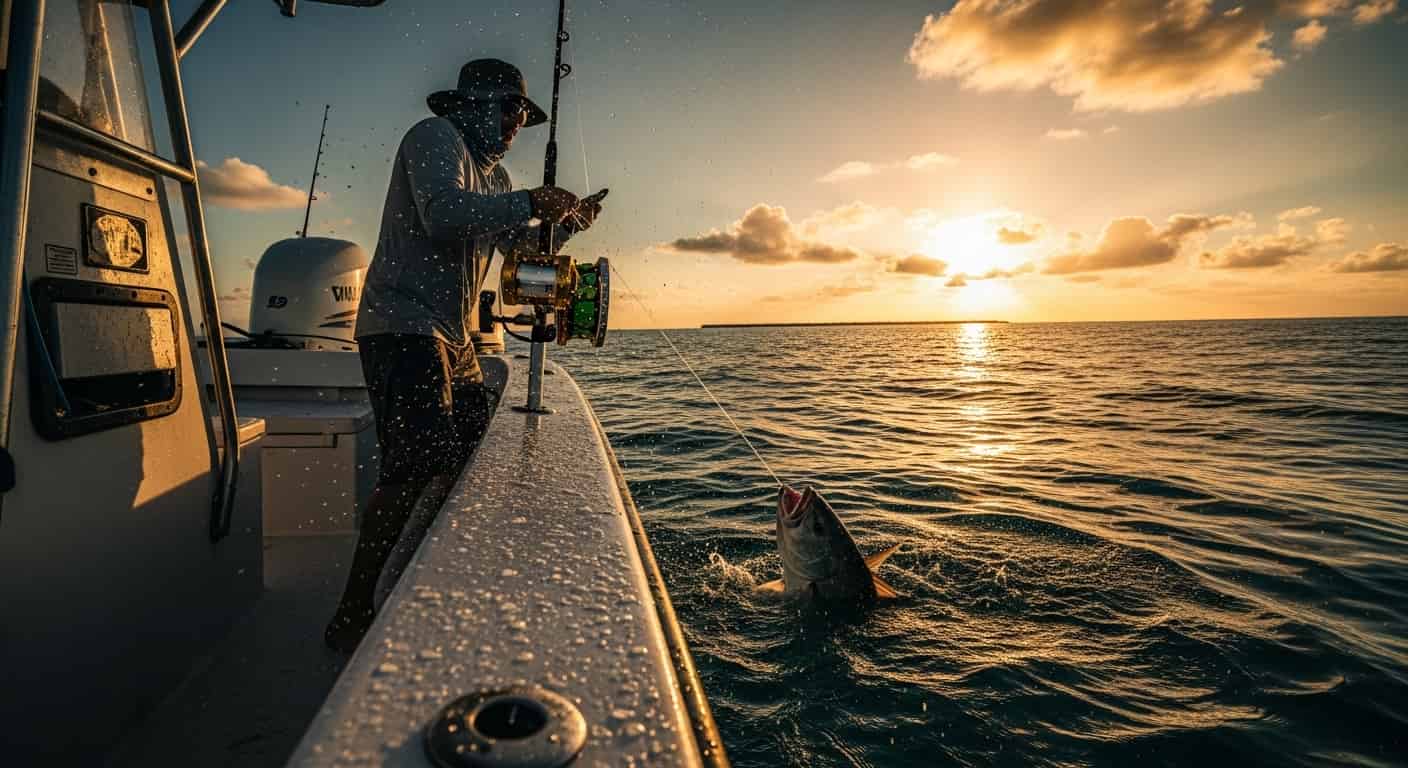
The Florida Keys are a true paradise for anglers who dream big. Stretching over 120 miles from Key Largo to Key West, these islands offer some of the most diverse and exciting offshore fishing on the planet. Imagine crystal-clear waters, warm weather year-round, and a lineup of trophy fish that most anglers only see in magazines. It’s no wonder the Florida Keys have become a bucket-list destination for anyone who loves the thrill of deep-sea fishing.
What makes the Keys stand out? First, the Gulf Stream flows close to the islands, bringing nutrient-rich waters that attract large game fish. Second, the underwater landscape is unique, with coral reefs, deep drop-offs, and open blue water—each zone creating a different fishing experience.
From battling a sailfish in Islamorada to chasing mahi mahi off Key West, every trip feels like a new adventure. Even seasoned anglers find something special here, while newcomers are amazed by how easy it is to hook into something big.
Whether you’re after a trophy marlin or want to fill your cooler with fresh tuna, the Keys deliver. You’ll also find top-rated charters, expert guides, and easy access from the mainland. In this guide, you’ll discover everything you need to know to plan your dream offshore fishing trip in the Florida Keys.
Florida Keys Offshore Fishing Zones
The Florida Keys are not just one fishing spot—they’re a collection of unique zones, each with its own character and top targets. Choosing the right zone can make a big difference in your experience.
Key West — Blue Water And Offshore Giants
At the southernmost tip, Key West is famous for its blue water fishing and easy access to deep ocean. Just a short ride from shore, you’ll find the Gulf Stream’s strong currents, which bring in some of the biggest and most challenging species.
Here, anglers often target marlin, sailfish, mahi mahi, and tuna. Key West is also known for large schools of wahoo and even swordfish on night trips. What sets Key West apart is the quick transition from shallow water to deep blue, letting you switch from reef fishing to offshore giants in one day.
The surrounding shipwrecks and reefs are also hotspots for amberjack and snapper, adding extra variety. Key West’s marinas are packed with experienced captains who know where the fish are, making it a favorite for both beginners and pros.
Islamorada — Sailfish Capital Of The World
Islamorada sits in the middle of the Keys and has earned the title of “Sailfish Capital of the World.” The area’s deep channels and nearby reefs create perfect conditions for sailfish, especially during the winter months.
But sailfish are not the only stars. Islamorada is also a hotspot for mahi mahi, blackfin tuna, kingfish, and snapper. The Gulf Stream comes closest to the islands here, which means shorter runs to deep water and more time with lines in the water.
Local captains use advanced live bait techniques and kite fishing to attract big predators. Because of its variety and reliable action, Islamorada is often the first choice for serious offshore anglers and those looking to catch their first billfish.
Marathon — Reef To Blue Water Transition
Located in the middle of the Keys, Marathon offers a smooth transition from shallow reefs to deep blue water. This area is ideal for anglers who want a mix of bottom fishing and offshore adventure.
Close to shore, you’ll find healthy coral reefs full of snapper, grouper, and mackerel. Head a bit farther out, and you’ll reach the “Humps”—underwater mountains that attract tuna, mahi mahi, and the occasional marlin. These sea mounds create upwellings that bring baitfish and, in turn, big predators.
Marathon’s central location makes it easy to access both the Atlantic and Gulf sides, giving you more options depending on weather and target species. It’s a top spot for families, mixed groups, and anyone who wants action all day long.
Best Offshore Species In The Florida Keys
Fishing in the Florida Keys is about more than just catching fish—it’s about chasing world-class species in their prime habitat. Here are the top offshore targets and what makes each one special.
Sailfish
The sailfish is the superstar of the Keys, especially in Islamorada. Known for its spectacular jumps and high-speed runs, this fish can reach speeds up to 68 mph (110 km/h). Most sailfish in the Keys weigh between 30 and 60 pounds, but larger ones are not uncommon.
Sailfish prefer cooler months (December to April) and are usually found near the edge of the reef, where deep water meets the shallows. Anglers use live bait, trolling, or kite fishing to hook these powerful fish. Catch and release is common, as the sailfish is a prized sport fish with strict protections.
Non-obvious insight: Sailfish often travel in small packs, so if you hook one, keep lines ready—another may strike soon after.
Mahi Mahi
Also called dolphin or dorado, mahi mahi are famous for their bright colors and fast growth. These fish are found in warm waters from spring through early fall, often around floating debris or weed lines.
Mahi mahi are aggressive feeders and will hit a wide variety of lures and live bait. Most range from 10 to 30 pounds, but bull mahi can exceed 40 pounds. Their acrobatic fights and tasty fillets make them a favorite for offshore anglers.
Non-obvious insight: When you catch one mahi, leave it in the water for a moment—this often keeps the school nearby and increases your chances for multiple hookups.
Yellowfin Tuna
While yellowfin tuna are less common than blackfin tuna in the Keys, they do appear, especially near the Humps off Marathon and deeper offshore waters. These fish are known for their speed, strength, and delicious meat.
Yellowfin can reach over 100 pounds, but most catches are in the 20-60 pound range. Tuna are usually caught by trolling, chunking, or using live bait. When a school is found, the action can be fast and intense.
Non-obvious insight: Tuna have excellent eyesight. Using fluorocarbon leaders can make a real difference, especially on clear, sunny days.
Marlin
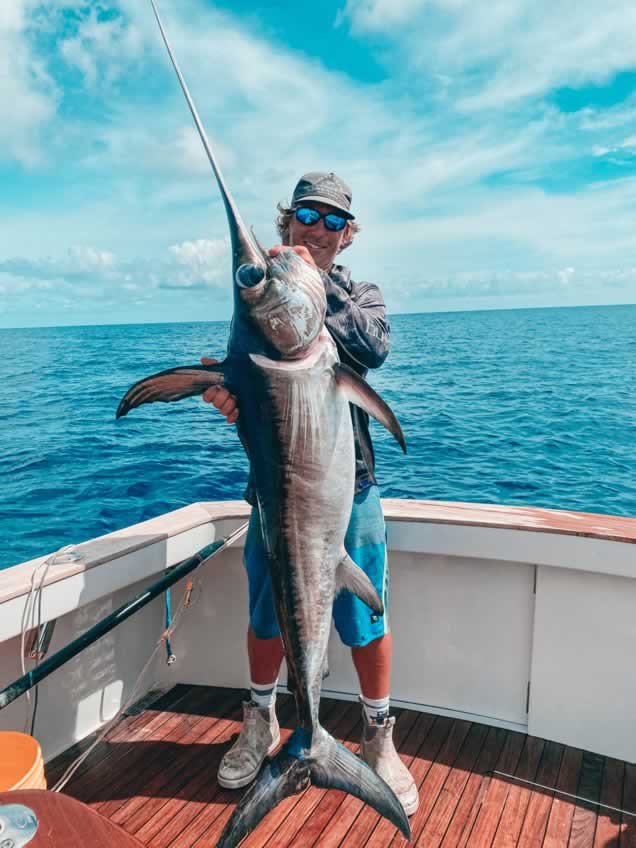
Both blue marlin and white marlin swim in the waters off the Keys, but they are a rarer prize. These fish are the ultimate test of skill, with some blue marlin topping 500 pounds.
Marlin are usually found in the deep blue water beyond the reef, especially during summer. Trolling large lures or rigged baits is the main method. Many anglers dream for years of landing their first marlin in the Keys.
Non-obvious insight: Time of day matters—marlin are often more active in early morning or late afternoon, so plan your trips for the best odds.
Wahoo
The wahoo is a speedster, sometimes called the “tiger of the sea” for its aggressive strikes and sharp teeth. Wahoo are usually caught by high-speed trolling with lures or rigged ballyhoo.
These fish are found year-round, but the best action is in winter and early spring. Wahoo can reach 50 pounds or more and are famous for their first, unstoppable run after the hookset.
Non-obvious insight: Fish near strong current edges or temperature breaks—wahoo often wait here to ambush prey.

Credit: www.youtube.com
Florida Keys Offshore Fishing By Season
The Keys offer year-round fishing, but certain months are better for specific species. Planning your trip around these peaks can make all the difference.
| Species | Best Months | Notes |
|---|---|---|
| Sailfish | December – April | Best action in Islamorada |
| Mahi mahi | April – September | Peak in summer, near weed lines |
| Yellowfin tuna | March – June | Focus near the Marathon Humps |
| Marlin | May – September | Better offshore, early morning |
| Wahoo | November – March | Strong runs during winter |
Winter (December to March) is famous for sailfish, kingfish, and wahoo. Spring brings the start of mahi mahi and tuna runs. Summer is the high season for mahi mahi, marlin, and plenty of action offshore. Fall can be quieter but still offers good fishing for wahoo and late-season mahi.
Weather also plays a big role. Summer months can bring afternoon storms, while winter sees more wind. Always check the forecast and plan for flexibility.
Best Offshore Fishing Charters In The Keys
A great charter can turn a good day into an unforgettable experience. The Florida Keys have hundreds of charter operations, but some stand above the rest for service, expertise, and results.
What To Look For In A Charter
- Experienced captains who know local waters
- Modern, safe boats with quality equipment
- Customizable trips (half-day, full-day, specialty trips)
- Good reviews and reputation
- Clear pricing with no hidden fees
Top-rated Charter Examples
Here are a few well-known offshore charters:
- Yankee Capts (Key West): Offers overnight and multi-day trips to remote offshore spots, perfect for serious anglers wanting a variety of big fish.
- Bud N’ Mary’s Marina (Islamorada): One of the most famous marinas in the Keys, with dozens of top guides and a history dating back to 1944.
- Two Conchs (Marathon): Known for family-friendly trips, fast boats, and a focus on both reef and offshore action.
- Gulfstream IV (Key West): Great for beginners and groups on a budget, with shared charters and experienced crew.
- Florida Keys Offshore Charters (Islamorada): Offers custom trips targeting sailfish, marlin, and tuna with state-of-the-art gear.
Most charters include tackle, bait, and licenses. Always ask what’s included and check if you need to bring food, drinks, or sun protection.
Local Tip
Book your charter early, especially during peak season (spring and summer), as the best captains fill up fast. If possible, choose a weekday for less crowded waters.

Credit: anycreek.com
Florida Keys Fishing Regulations
Fishing in the Keys is strictly regulated to protect the unique marine ecosystem. Knowing the rules keeps you safe and helps preserve the resource for future generations.
Essential Rules For Offshore Anglers
- Fishing license: Most charters provide a license. If fishing from your own boat, you need a Florida saltwater fishing license.
- Bag and size limits: Species like snapper, grouper, mahi mahi, and billfish have strict rules. For example, mahi mahi must be at least 20 inches fork length, and the daily bag limit is 10 per person.
- Protected species: It’s illegal to keep goliath grouper, Nassau grouper, and sawfish. Most billfish (marlin, sailfish) are catch and release only.
- Gear restrictions: Some areas ban certain hooks or require circle hooks to reduce injury to fish.
- Closed seasons: Some fish have closed seasons (e.g., grouper from January to April).
For the latest regulations, check with the Florida Fish and Wildlife Conservation Commission (FWC) or ask your charter captain.
Non-obvious Insights
- Some areas around the Keys are part of the Florida Keys National Marine Sanctuary, with extra rules—know the boundaries before fishing.
- Lobstering is popular, but strict limits apply, and some areas are closed to all harvest.
Following the rules is not just about the law—it helps ensure the fishery stays world-class for years to come.
Getting To The Keys — Tips For Anglers
Reaching the Florida Keys is easy, but a little planning can help you avoid common headaches and make the most of your trip.
Travel Options
| Method | Details | Best For |
|---|---|---|
| Car | Drive from Miami via US 1 (Overseas Highway) | Flexibility, sightseeing |
| Air | Fly into Key West, Marathon, or Miami | Speed, convenience |
| Bus/Shuttle | Regular service from Miami to major Keys towns | Budget travelers |
Driving is the most popular choice. The Overseas Highway is one of America’s most scenic drives, with 42 bridges connecting the islands. If you fly into Miami, it’s about 2 hours to Key Largo and 3.5 hours to Key West by car.
Packing Tips For Anglers
- Sun protection: Bring hats, UV shirts, and high-SPF sunscreen (the sun is intense year-round).
- Rain gear: Afternoon showers are common, especially in summer.
- Polarized sunglasses: Essential for spotting fish and reducing glare.
- Motion sickness meds: Even seasoned anglers can get queasy on rough days.
- Cooler or fish bags: If you plan to keep your catch, check with your charter or hotel about storage.
Local Insight
Don’t overpack—most charters provide all fishing gear, and you can buy anything else you need in local tackle shops. Renting a car gives you freedom to explore, but parking can be tight in Key West and Islamorada during peak times.
For more travel advice, the official Florida Keys & Key West tourism site is a helpful resource.
Credit: www.seadogcharters.net
Frequently Asked Questions
How Much Does An Offshore Fishing Trip Cost In The Florida Keys?
Prices vary based on the type of trip, boat size, and season. A half-day shared charter can start around $100–$150 per person. Private full-day trips on larger boats can range from $800 to $2,000 or more. Tipping the crew (15–20%) is customary for good service.
Do I Need A Fishing License For Offshore Fishing?
If you fish with a licensed charter, your license is usually included. If you’re fishing from your own boat or the shore, you must buy a Florida saltwater fishing license, available online or at local shops.
What’s The Best Time Of Year For Offshore Fishing In The Keys?
The best months depend on your target species. Sailfish peak in winter, mahi mahi in late spring and summer, wahoo in winter, and marlin in summer. There’s excellent fishing year-round, but spring and early summer offer the widest variety.
Can I Bring My Own Gear On A Charter?
Yes, most charters welcome anglers with their own rods, reels, and tackle. However, captains usually provide high-quality equipment suited to local conditions. If you’re unsure, ask when booking.
Are There Any Rules About Keeping Fish?
Yes, there are strict limits on size, number, and species. Many charters encourage catch and release, especially for billfish. Always check the latest regulations or ask your captain to avoid fines and protect the fishery.
The Florida Keys are more than just a beautiful destination—they’re a world-class playground for offshore anglers. Whether you’re chasing your first sailfish or coming back for another shot at a giant tuna, the Keys offer something for everyone. With the right planning, respect for the rules, and a sense of adventure, your fishing trip here will be one to remember for a lifetime.
Tony L. Smith is a dedicated fishing expert with over 15 years of hands-on experience in freshwater and saltwater environments. As the founder of FishingStaff, Tony is committed to demystifying fishing gear for beginners and budget-conscious anglers who refuse to compromise on quality. Learn more about Tony & find him on Twitter. Happy reading!