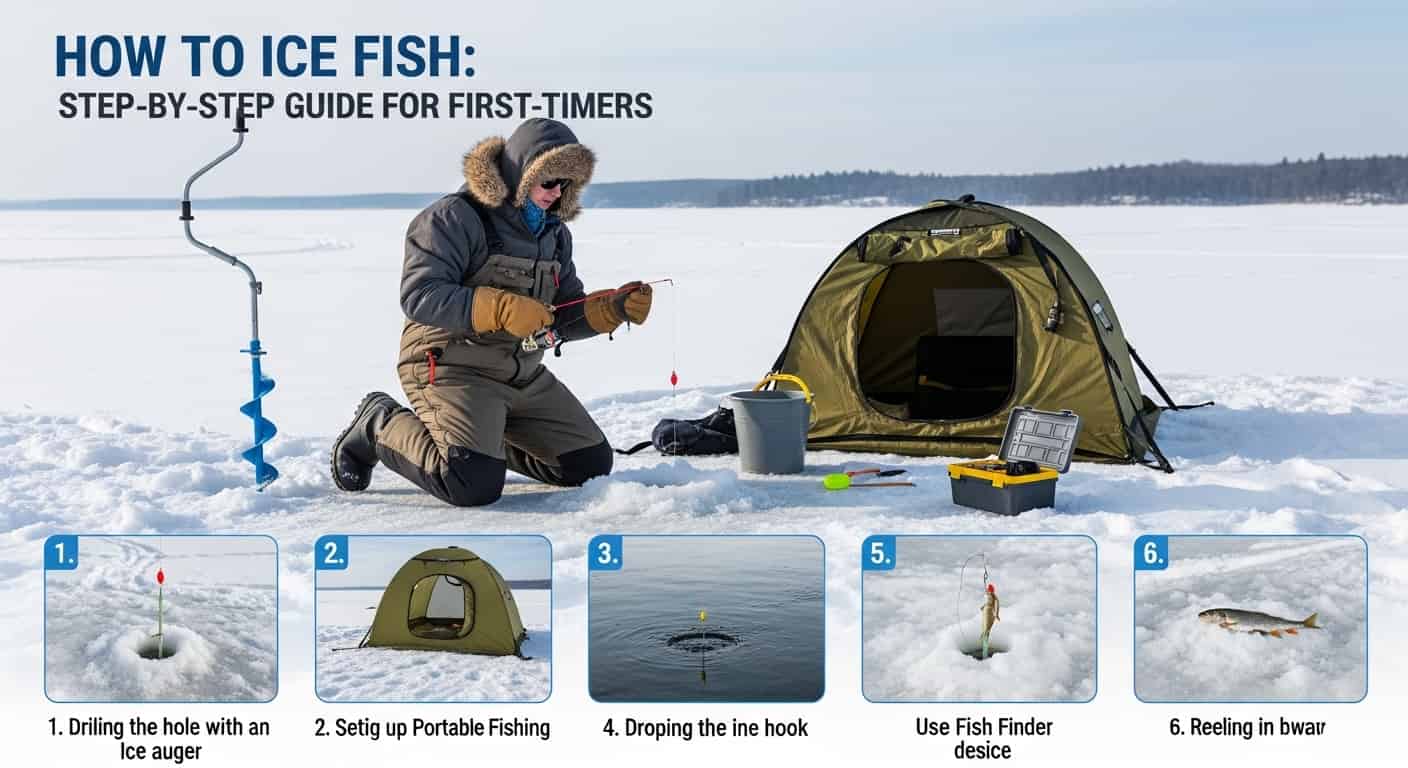
Ice fishing can seem mysterious to beginners. You step onto a frozen lake, drill a hole, and wait for fish to bite in the cold. But if you prepare well and know what to expect, your first ice fishing trip can be exciting and safe.
You’ll experience quiet winter landscapes, learn new skills, and maybe even catch a few fish. This guide will walk you through each step, from checking the ice to landing your catch, so you feel confident and ready for your adventure.
Step 1 — Check Ice Thickness And Safety
Safety is the most important part of ice fishing. Before you step onto any frozen lake, make sure the ice is thick enough to support you. Ice thickness should be checked often because it changes with weather and location.
- Minimum safe thickness: 4 inches (10 cm) for walking, 5–6 inches (13–15 cm) for snowmobiles, 8–12 inches (20–30 cm) for small cars.
- Use an ice auger or spud bar to measure thickness near the shoreline first.
- Clear, blue ice is stronger than white or cloudy ice.
Never trust ice near moving water, inlets, or areas with cracks. Wear a life jacket and carry ice picks for emergencies.
| Activity | Minimum Ice Thickness |
|---|---|
| Walking | 4 inches (10 cm) |
| Snowmobile | 5–6 inches (13–15 cm) |
| Small Car | 8–12 inches (20–30 cm) |
Always fish with a partner. If you’re unsure about the ice, do not risk it. Local fishing guides or park staff can provide safety updates.
Step 2 — Gather Your Gear
Having the right gear makes ice fishing easier and safer. For your first trip, keep it simple.
Essentials:
- Ice auger (manual or powered) to drill holes.
- Fishing rod designed for ice fishing (short, 24–36 inches).
- Tip-up (optional) for automatic bite detection.
- Bucket or sled to carry gear.
- Warm clothing—layers, waterproof boots, gloves, and a hat.
- Bait (live or artificial).
- Safety gear: Ice picks, rope, and a life jacket.
For comfort, bring a portable shelter and a small heater. Beginners often forget to pack extra gloves or snacks, but these help you stay longer and enjoy the experience.
| Gear | Purpose |
|---|---|
| Ice auger | Drilling holes |
| Tip-up | Hands-free bite detection |
| Bucket | Carrying gear & sitting |
| Warm boots | Preventing cold feet |
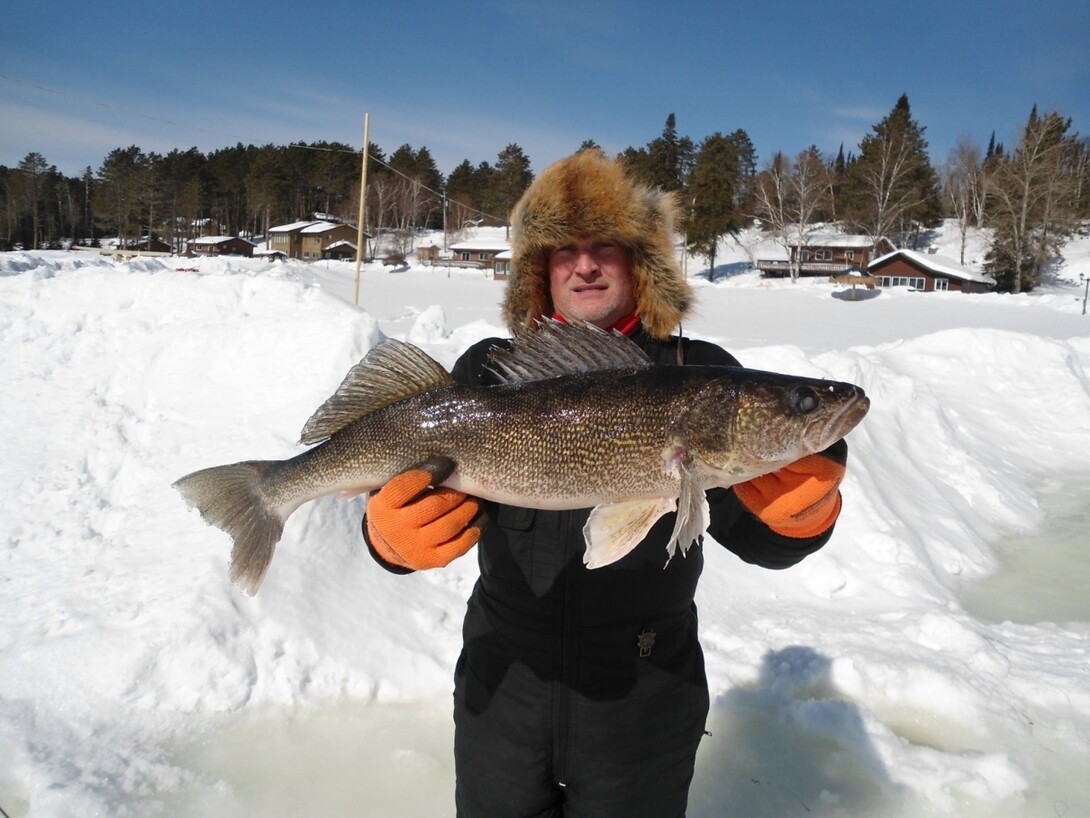
Credit: northernontario.travel
Step 3 — Find A Productive Spot
Choosing where to fish is key. Fish don’t spread evenly under the ice; they gather in spots with food and cover.
- Ask local anglers or check fishing reports for hotspots.
- Fish often stay near drop-offs, underwater structures, or weed beds.
- Use a depth finder or lake map to locate these areas.
Some lakes have marked areas for ice fishing. If you’re unsure, start where others are fishing, but keep a respectful distance.
Step 4 — Drill Your Hole
Drilling a hole is simple, but there are tricks to make it easier.
- Use your ice auger to make a hole about 6–8 inches wide.
- Clear the slush with a skimmer.
- Keep holes spaced apart to avoid crowding.
If you plan to use multiple rods or tip-ups, drill more holes. Avoid drilling too close to others—give at least 10 feet of space.
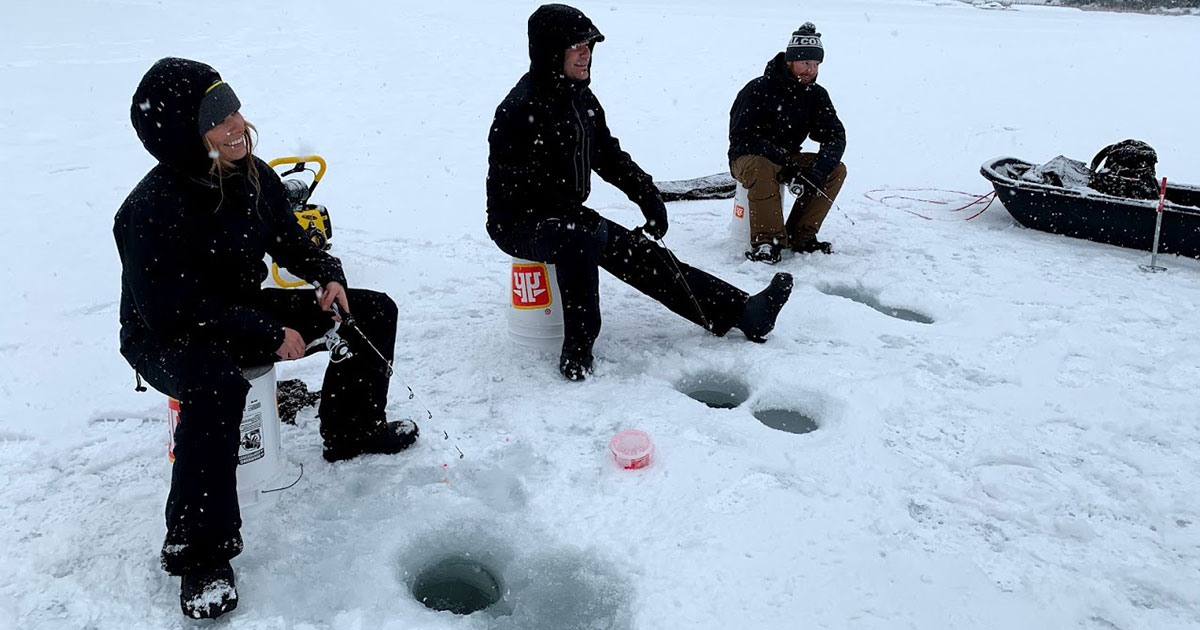
Credit: www.whistler.com
Step 5 — Set Up Your Rod Or Tip-up
Ice fishing rods are short and sturdy. Tip-ups let you fish hands-free and signal when you get a bite.
- Attach your bait to the hook.
- Lower your line slowly to the right depth (often near the bottom).
- If using a tip-up, set the flag so it pops up when a fish bites.
Some beginners set their lines too shallow. Ask local anglers about the best depth for your target fish.
Step 6 — Choose Your Bait
The right bait can make a big difference. Common choices:
- Live bait: Minnows, waxworms, or mealworms.
- Artificial lures: Jigs, spoons, or soft plastics.
Different fish prefer different baits. For example, perch and crappie love small minnows or worms. Walleye often bite on larger minnows or brightly colored jigs.
| Fish Species | Preferred Bait |
|---|---|
| Perch | Waxworms, minnows |
| Crappie | Small minnows, jigs |
| Walleye | Large minnows, spoons |
Experiment with bait if you’re not getting bites. Sometimes changing color or size helps.
Step 7 — Jig Or Wait For A Strike
Now it’s time to fish. You can jig (move your rod up and down) or wait for a fish to bite.
- Jigging attracts fish by making your bait move.
- If using a tip-up, watch for the flag to pop up.
Pay attention to your rod or line. Fish often bite lightly in cold water. Beginners may miss strikes if they don’t watch closely.
Step 8 — Land And Handle Your Fish
When you feel a bite, pull up gently but firmly. Don’t yank too hard or you might break the line.
- Use your hands or a small net to lift the fish.
- Handle fish gently—cold weather can stress them.
- If you plan to release, wet your hands and return the fish quickly.
Keep your catch in a bucket or on ice. Many lakes have size or catch limits; check local rules before keeping fish.
Common Mistakes To Avoid
Ice fishing is simple, but beginners often make mistakes:
- Ignoring ice safety: Never assume ice is safe. Always check thickness.
- Poor clothing choices: Dress in layers and avoid cotton. Wet cotton gets cold fast.
- Choosing random spots: Fish where others have success, not just anywhere.
- Wrong bait or depth: Ask locals what works best for your lake.
- Leaving holes open: Cover unused holes so others don’t step in them.
One non-obvious mistake is not checking weather changes. Warm spells can weaken ice quickly. Also, don’t rush—patience is key.
Conclusion + Links To Next Steps
Your first ice fishing trip may feel challenging, but with the right steps, it can be safe and rewarding. Prepare your gear, check the ice, and learn from local anglers. Every outing teaches you more about fish behavior and winter safety. If you want to learn about advanced techniques or ice fishing tournaments, visit the New York State Department of Environmental Conservation.
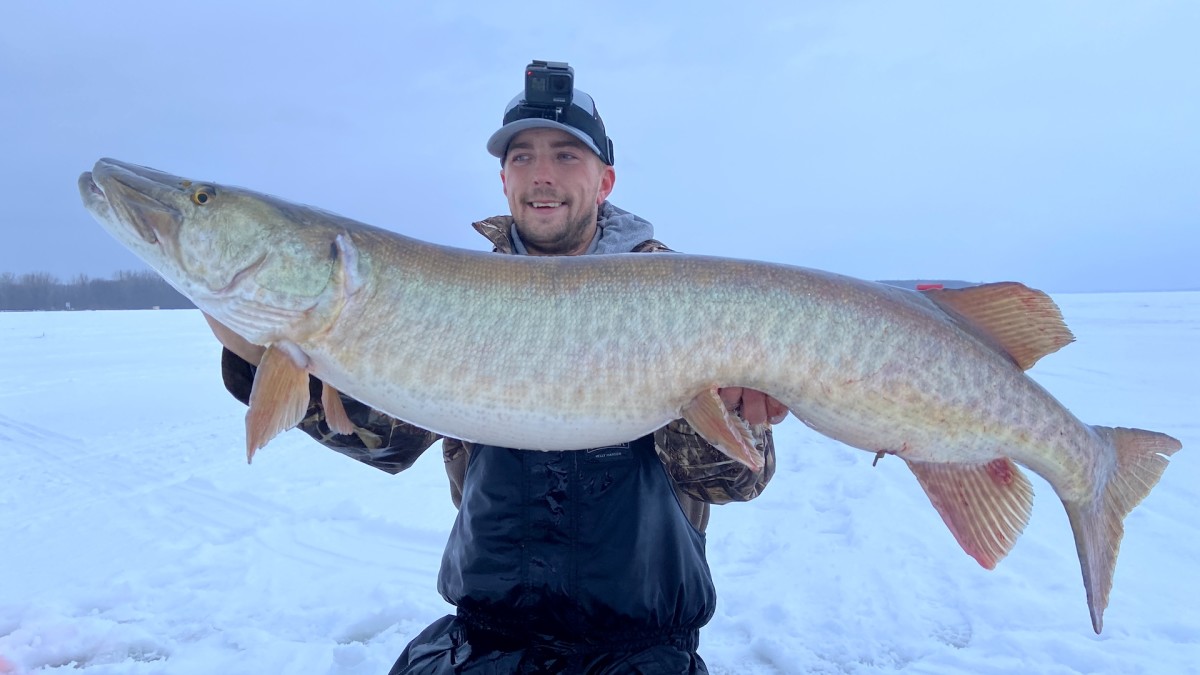
Credit: www.themeateater.com
Frequently Asked Questions
How Thick Should Ice Be For Safe Fishing?
For walking, ice should be at least 4 inches thick. Snowmobiles need 5–6 inches. Always check thickness often and avoid areas near moving water.
What Is The Best Bait For Ice Fishing?
Live bait like minnows and waxworms works well for most species. Artificial jigs and spoons are also popular. Try different types if you don’t get bites.
How Do I Stay Warm While Ice Fishing?
Wear layers of warm clothing, waterproof boots, and gloves. A portable shelter and heater can help. Avoid cotton, which gets cold when wet.
Can I Use Regular Fishing Rods For Ice Fishing?
Ice fishing rods are shorter and stronger than regular rods. While you can use a regular rod, an ice rod is easier to handle in small spaces.
What Should I Do If I Fall Through The Ice?
Stay calm, use ice picks to pull yourself out, and roll away from the hole. Get warm and seek help quickly. Always fish with a partner and carry safety gear.
Ice fishing is a unique winter adventure. With these steps, you’ll be ready to enjoy the cold and catch fish safely.

Tony L. Smith is a dedicated fishing expert with over 15 years of hands-on experience in freshwater and saltwater environments. As the founder of FishingStaff, Tony is committed to demystifying fishing gear for beginners and budget-conscious anglers who refuse to compromise on quality. Learn more about Tony & find him on Twitter. Happy reading!