The argument between monofilament and fluorocarbon fishing lines has been going on for years. Anglers, both beginners and experts, want the best line for their target fish and water conditions. Some say monofilament is best because it’s cheap and easy to use. Others swear by fluorocarbon for its invisibility and strength. So, which should you choose? This guide will compare both fishing lines in detail. You’ll discover their advantages, their weaknesses, and exactly when to use each type. By the end, you’ll know which line is best for your fishing style and the waters you fish.
What Is Monofilament Line?
Monofilament, often called “mono,” is a single strand of nylon plastic. It’s been the most common fishing line for decades. The material is flexible, soft, and slightly stretchy. These qualities make it easy to tie knots and cast smoothly. Most monofilament lines are clear, but you can also find them in blue, green, or even high-visibility colors.
Mono floats naturally, which is helpful when fishing with topwater baits. Because it stretches, mono can absorb sudden shocks, like a fish making a quick run. This stretch helps prevent hooks from tearing out of a fish’s mouth. Mono is also affordable, making it a popular choice for new anglers and those who fish often and need to change line regularly.
What Is Fluorocarbon Line?
Fluorocarbon is made from a compound called polyvinylidene fluoride (PVDF). This material is denser and harder than nylon. Fluorocarbon is almost invisible underwater because its light refraction is similar to water. That’s why many anglers use it in clear lakes and rivers.
Fluorocarbon sinks faster than mono, making it good for deep-water fishing. It’s more resistant to abrasion, so it holds up well around rocks, logs, or sharp objects. The line is stiffer than mono and has less stretch, so you feel bites and the bottom better.
However, fluorocarbon is also more expensive and can be harder to tie knots with, especially for beginners.
Comparison Table (visibility, Stretch, Strength, Cost, Sinking Rate)
To quickly see the main differences, here’s a comparison:
| Feature | Monofilament | Fluorocarbon |
|---|---|---|
| Visibility Underwater | Moderate | Very Low (almost invisible) |
| Stretch | High | Low |
| Strength (Pound-for-pound) | Good | Excellent |
| Cost | Low | High |
| Sinking Rate | Floats or slow sink | Sinks fast |
Each feature can be important depending on your target species and fishing location.
Underwater Visibility — Fluorocarbon Wins
When fish are easily scared, your line’s visibility matters. Fluorocarbon is nearly invisible in water. Its refractive index (how light bends through it) is almost the same as water. This means fish see less of it, especially in clear lakes or rivers.
Monofilament is more visible. Fish may spot it more easily, especially in clear or shallow water. Colored mono can help you see bites better, but it stands out to fish. If you fish for species like trout or bass in clear water, fluorocarbon gives you an advantage.
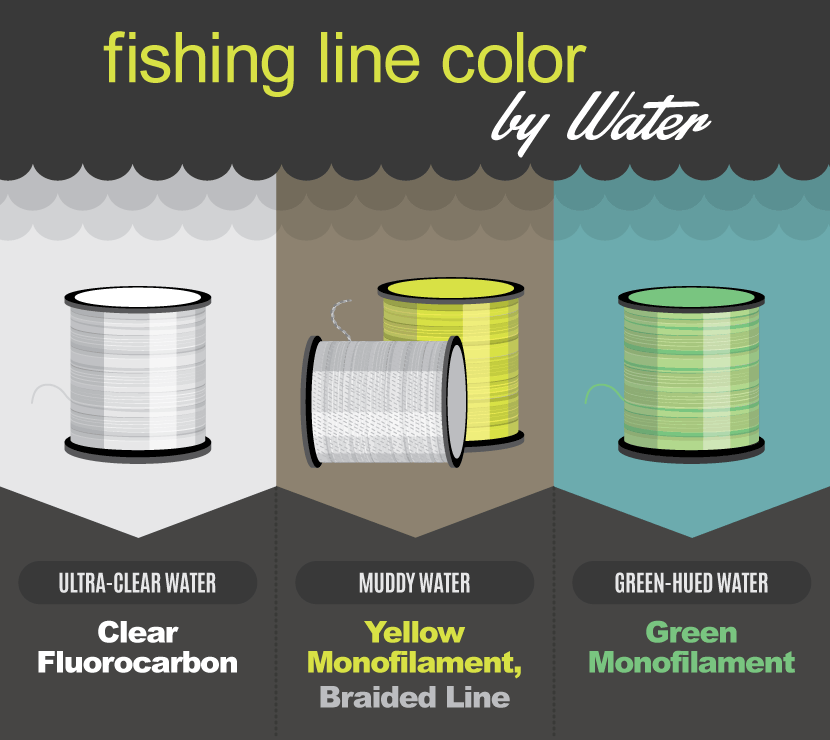
Non-obvious insight: Even in slightly stained water, some fish can still notice mono if they are pressured or in bright sunlight. Anglers sometimes use a fluorocarbon leader with mono to get the best of both worlds.
Credit: www.saltstrong.com
Stretch And Sensitivity — Mono Is More Forgiving
Monofilament stretches up to 25%, depending on the brand. This stretch acts as a shock absorber. It’s helpful when a big fish strikes or jumps. The stretch reduces the chance of hooks pulling free. For beginners, this means fewer lost fish.
However, the stretch in mono also means you might not feel subtle bites as well. This is important when fish are cautious or in cold water.
Fluorocarbon stretches less, often around 10%. This makes it more sensitive. You feel bites, bumps, and the texture of the bottom better. But less stretch means you need a softer touch when fighting fish or setting the hook.
Non-obvious insight: In cold weather, mono becomes stiffer and stretches less, narrowing the gap with fluorocarbon. But in warm water, mono’s shock absorption is at its best.
Abrasion Resistance — Fluorocarbon Wins
Fishing around rocks, docks, or heavy cover can damage your line. Fluorocarbon is harder and more resistant to abrasion than mono. It stands up better to rough surfaces. This is important for bass anglers fishing in heavy cover or saltwater anglers around reefs.
Monofilament can fray and weaken faster when dragged over sharp objects. You need to check your line more often and cut off damaged sections. For most open-water fishing, mono is strong enough. But for heavy cover, fluorocarbon’s toughness gives you peace of mind.
Price — Mono Is Cheaper
Monofilament is much less expensive than fluorocarbon. You can spool several reels with mono for the price of one spool of fluorocarbon. This makes it ideal for beginners, children, or anyone on a budget.
Fluorocarbon costs two to three times more per yard. High-end brands can be even more expensive. For anglers who fish often or need to replace line regularly, this adds up.
Here’s a rough price comparison:
| Line Type | Average Cost (per 300 yards) |
|---|---|
| Monofilament | $8 – $12 |
| Fluorocarbon | $22 – $35 |
Non-obvious insight: Some anglers use fluorocarbon only as a leader, not as the main line, to save money but still get its invisibility benefits.
When To Use Mono
Monofilament shines in several situations:
- Topwater fishing — Mono floats, keeping lures on the surface. This is perfect for poppers and walking baits.
- For beginners — Easy to tie knots and handle.
- Fishing with live bait — The stretch helps keep bait from tearing off.
- Budget fishing — If you change lines often or fish rough areas where line gets damaged, mono is cost-effective.
- Kids or casual anglers — Less worry about tangles, easy to see and untangle.
Mono also works well in cold weather, as it remains flexible. If you’re after catfish, crappie, or panfish in murky water, mono is a solid choice.
When To Use Fluorocarbon
Fluorocarbon is best in these situations:
- Clear water fishing — When fish can see well, fluorocarbon’s invisibility is a huge advantage.
- Fishing around rocks or structure — Its abrasion resistance keeps you connected to the fish.
- Deep water fishing — Fluorocarbon sinks, getting your lure down faster.
- Finesse techniques — When using light lures or targeting wary fish, sensitivity matters.
- Saltwater fishing — Stands up to sharp teeth and rough surfaces.
Bass anglers often use fluorocarbon for techniques like drop shot, wacky rigs, or when dragging lures along the bottom. Trout anglers also prefer it for nymphing or clear streams.
Can You Use Fluorocarbon As A Main Line?
You can use fluorocarbon as your main line, but there are things to consider. Fluorocarbon works well on baitcasting reels. It gives you sensitivity and abrasion resistance for all your casts. However, on spinning reels, especially with lighter lines, fluorocarbon can be stiff and cause “memory.” This means the line keeps the shape of the spool and leads to tangles or loops.
Another issue is knot strength. Some knots slip or weaken in fluorocarbon, so you must tie them carefully and wet the line before tightening. Also, the price can be high if you fill your whole reel with fluorocarbon.
Practical tip: Many anglers use a hybrid approach. They spool their reel with mono or braided line and tie a fluorocarbon leader (the last 2-8 feet before the hook). This saves money, reduces tangles, and still gives you the benefits of fluorocarbon where it matters most.

Credit: www.hfdepot.com
Verdict
Which line should you choose? It depends on your needs:
- For beginners and general fishing, monofilament is affordable, easy to use, and perfect for learning.
- For clear water, finesse fishing, or heavy cover, fluorocarbon is the winner. It’s less visible, more sensitive, and tougher.
If you fish in both types of water or want the best of both lines, use monofilament as your main line with a fluorocarbon leader. This gives you shock absorption, easy handling, and invisibility where it counts.
Here’s a final side-by-side summary:
| Situation | Best Choice |
|---|---|
| Topwater baits | Monofilament |
| Clear water | Fluorocarbon |
| Fishing around rocks/cover | Fluorocarbon |
| Fishing for kids/beginners | Monofilament |
| Deep water | Fluorocarbon |
| Budget fishing | Monofilament |
Frequently Asked Questions
What Is The Main Difference Between Monofilament And Fluorocarbon?
The biggest difference is underwater visibility. Fluorocarbon is nearly invisible to fish, while monofilament is more visible. Fluorocarbon also sinks and has more abrasion resistance, but mono is cheaper and stretches more.
Can I Tie Fluorocarbon Directly To My Lure?
Yes, you can tie fluorocarbon directly to your lure or hook. Just be sure to wet the knot before tightening and use strong, reliable knots like the improved clinch or Palomar knot. This reduces the risk of slippage.
Is Fluorocarbon Worth The Extra Money?
If you fish in clear water or for fish that are easily spooked, fluorocarbon can make a big difference. For general fishing or in murky water, you may not notice a huge improvement, so monofilament is often enough.
How Often Should I Change My Fishing Line?
For monofilament, change your line every few trips or if you notice nicks or stretch. For fluorocarbon, it lasts longer, but you should still check for abrasion and replace leaders often. Sunlight and frequent casting also weaken both over time.
Where Can I Learn More About Different Fishing Line Types?
For more information about fishing line types, check out this Wikipedia guide that explains mono, fluorocarbon, and braided lines in detail.
Choosing the right fishing line is key to success on the water. Now, you have the facts to pick the best line for your next fishing trip. Happy fishing!
Credit: www.northlandtackle.com

Tony L. Smith is a dedicated fishing expert with over 15 years of hands-on experience in freshwater and saltwater environments. As the founder of FishingStaff, Tony is committed to demystifying fishing gear for beginners and budget-conscious anglers who refuse to compromise on quality. Learn more about Tony & find him on Twitter. Happy reading!