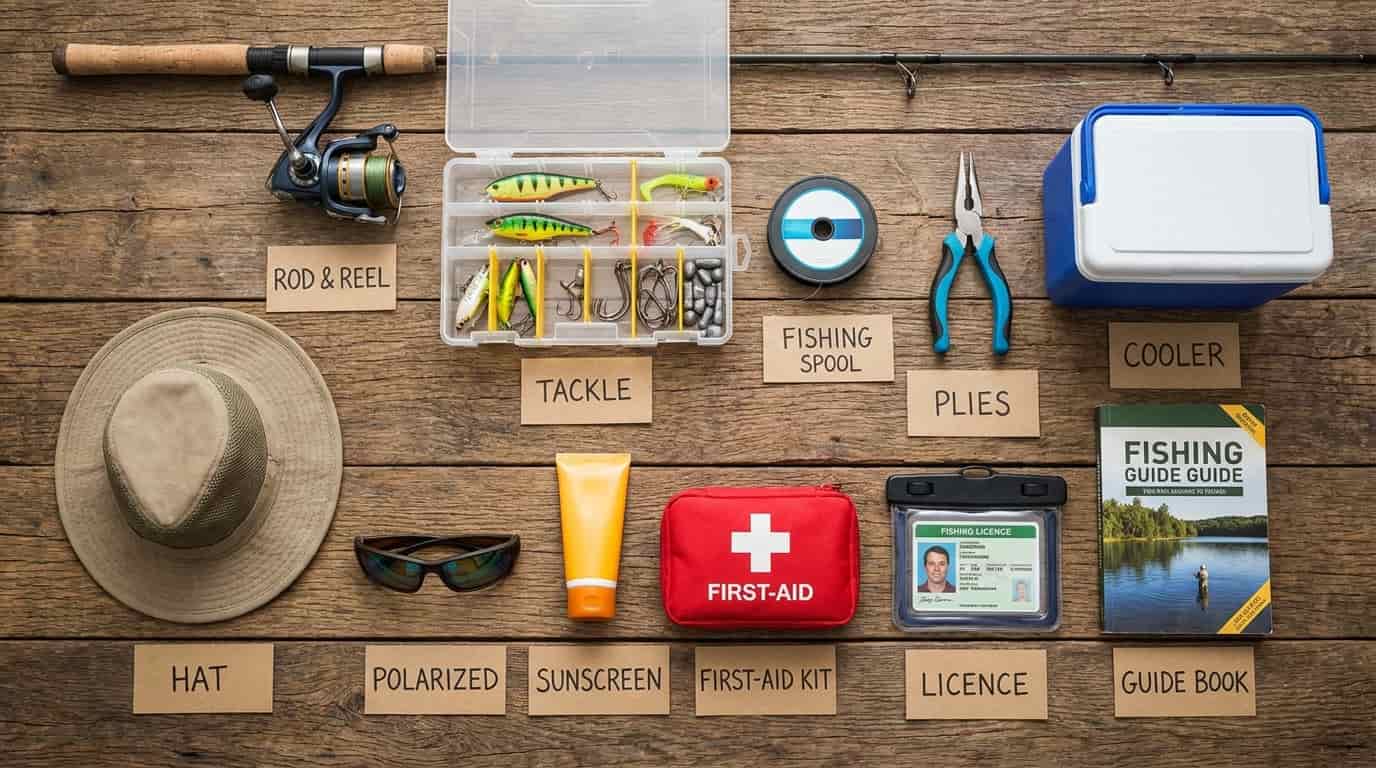
The good news: you need less to go fishing than most people imagine. Many beginners worry they need a trunk full of gear or expensive equipment. But here’s the truth—if you focus on the essentials, you can start catching fish with a few simple items. In fact, keeping it simple helps you learn faster and have more fun. This guide will walk you through exactly what to bring fishing for your first trip, what you can skip, and how to build a beginner fishing kit list that works almost anywhere.
The Absolute Must-haves (you Cannot Fish Without These)
If you’re new to fishing, you only need a handful of things to start. These basics are your ticket to catching your first fish. Skip them, and you won’t get far. Let’s break down each one.
Fishing Rod And Reel
The fishing rod and reel are your main tools. Most beginners use a *spinning rod and reel combo*—these are easy to handle, work in almost any water, and are affordable. Look for rods between 5 to 7 feet long. Shorter rods are easier to control, while longer ones cast farther. Many brands offer “ready to fish” combos that come pre-spooled with line.
Tip: Avoid very cheap rods (under $10). They break easily and make learning harder. Plan to spend around $20–$30 for a decent combo that will last.
Fishing Line
Fishing line is what connects you to the fish. For your first time, get monofilament line between 6–10 lb test (strength rating). Monofilament is stretchy, forgiving, and easy to tie. Most beginner combos already have line attached. If not, a small spool costs $3–$6.
Pro insight: Thicker line (over 12 lb) is harder to cast and scares small fish. Thinner line breaks easily if you hook a big fish or snag. For most freshwater lakes and ponds, 6–8 lb is perfect.
Hooks
You can’t catch a fish without a hook. Choose a small pack of size #6 to #10 hooks. These work for most common fish—bluegill, perch, crappie, or even small bass. Avoid giant hooks; they miss bites from smaller fish.
Practical tip: Get “baitholder” hooks. They have small barbs to keep worms or bait in place.
Bait Or Lures
Fish eat real food—so you need bait. For your first trips, buy a small container of live worms from a bait shop or even a gas station. Worms catch almost anything. If you prefer not to handle live bait, you can try artificial lures like soft plastic grubs or small spinners. Lures take practice, but they work well in clean water.
A beginner mistake: Bringing too many types of bait. Stick to one or two that are proven for your area.
Fishing License
Almost every state in the US requires a fishing license for anyone over 16 (sometimes younger). Fines for fishing without a license can be high. Licenses are affordable—usually $10–$30 for a day or year, depending on your state. You can get one online, at outdoor stores, or at bait shops. Check local rules before you go.
The Nice-to-haves (cheap And Worth Adding)
While you don’t need these items, they make fishing easier and more enjoyable. Most cost just a few dollars, but save you a lot of frustration.
Bobbers / Floats
A bobber (also called a float) keeps your bait at the right depth and helps you see when a fish bites. Classic red-and-white clip-on bobbers cost about $1 for a pack. Push the button, attach it above your hook, and you’re set.
Why it matters: Without a bobber, your bait can sink into weeds or mud, and you might miss bites.
Split-shot Sinkers
Sinkers are small weights that help your bait sink and stay near the fish. “Split-shot” sinkers are best for beginners. You pinch them onto your line with your fingers. Use just enough weight to keep your bobber standing up or your bait near the bottom.
Extra insight: Too much weight makes casting hard. Too little weight, and your bait floats on the surface.
Needle-nose Pliers
Needle-nose pliers help you remove hooks from a fish’s mouth, cut line, or bend hooks. They’re a big help if a fish swallows a hook deep. Most hardware or dollar stores sell them for under $5.
Quick tip: Keep pliers in your pocket or tackle box. You’ll need them more than you think.
Small Tackle Box Or Bag
A tackle box keeps your gear organized and dry. For your first trip, a small plastic box with dividers (about the size of a lunchbox) is enough. You can find these for $3–$10. Some people use zippered pouches or small bags.
Pro tip: Use old pill bottles or mint tins for hooks and sinkers if you want to pack light.
Here’s a simple comparison to help you understand the difference between essential and “nice-to-have” gear:
| Gear | Essential | Nice-to-Have | Optional |
|---|---|---|---|
| Fishing rod & reel | ✔️ | ||
| Fishing line | ✔️ | ||
| Hooks | ✔️ | ||
| Bait | ✔️ | ||
| Fishing license | ✔️ | ||
| Bobbers | ✔️ | ||
| Sinkers | ✔️ | ||
| Pliers | ✔️ | ||
| Tackle box | ✔️ | ||
| Fish finder | ✔️ |
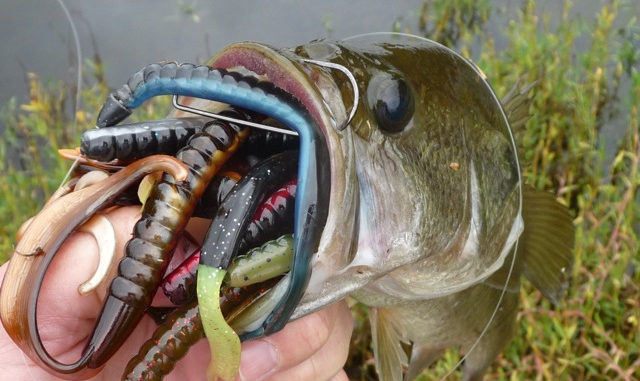
Credit: www.carolinasportsman.com
What You Absolutely Do Not Need As A Beginner
Many fishing stores are full of gadgets and gear aimed at advanced anglers. As a beginner, you don’t need most of them. In fact, bringing too much gear can make your first trip stressful.
Here are things you can skip:
- Expensive rods or reels ($50+): Basic combos work great for learning.
- High-tech gadgets: Fish finders, GPS devices, and underwater cameras are fun but not necessary.
- Fancy lures: You don’t need 20 different lure types. One or two is enough.
- Special clothing: Old sneakers, a hat, and sunscreen are all you need. Waders and vests are for advanced fishing.
- Large tackle boxes: A small box or even a baggie works for your first few trips.
A common mistake: Trying to copy pros on YouTube. Start small and upgrade only if you stick with fishing.
Budget Breakdown — You Can Start For Under $50
You might be surprised how affordable a beginner fishing kit list can be. Here’s a typical budget for a first-time angler:
| Item | Estimated Cost (USD) |
|---|---|
| Rod & reel combo | $20–$30 |
| Monofilament line (if not included) | $4 |
| Hooks (pack of 10) | $2 |
| Bobbers (pack of 3) | $2 |
| Split-shot sinkers | $2 |
| Live bait (worms) | $3 |
| Needle-nose pliers | $5 |
| Small tackle box | $5 |
| Fishing license (1-day) | $8–$15 |
Total: $45–$65 (including a one-day license). If you buy a year-long license, it may cost a bit more upfront, but you’ll save money if you fish often.
Non-obvious insight: Many outdoor stores sell “starter kits” that include a rod, reel, line, hooks, bobbers, and weights in one package for $30–$40. They’re a good deal, but always check the quality before you buy.
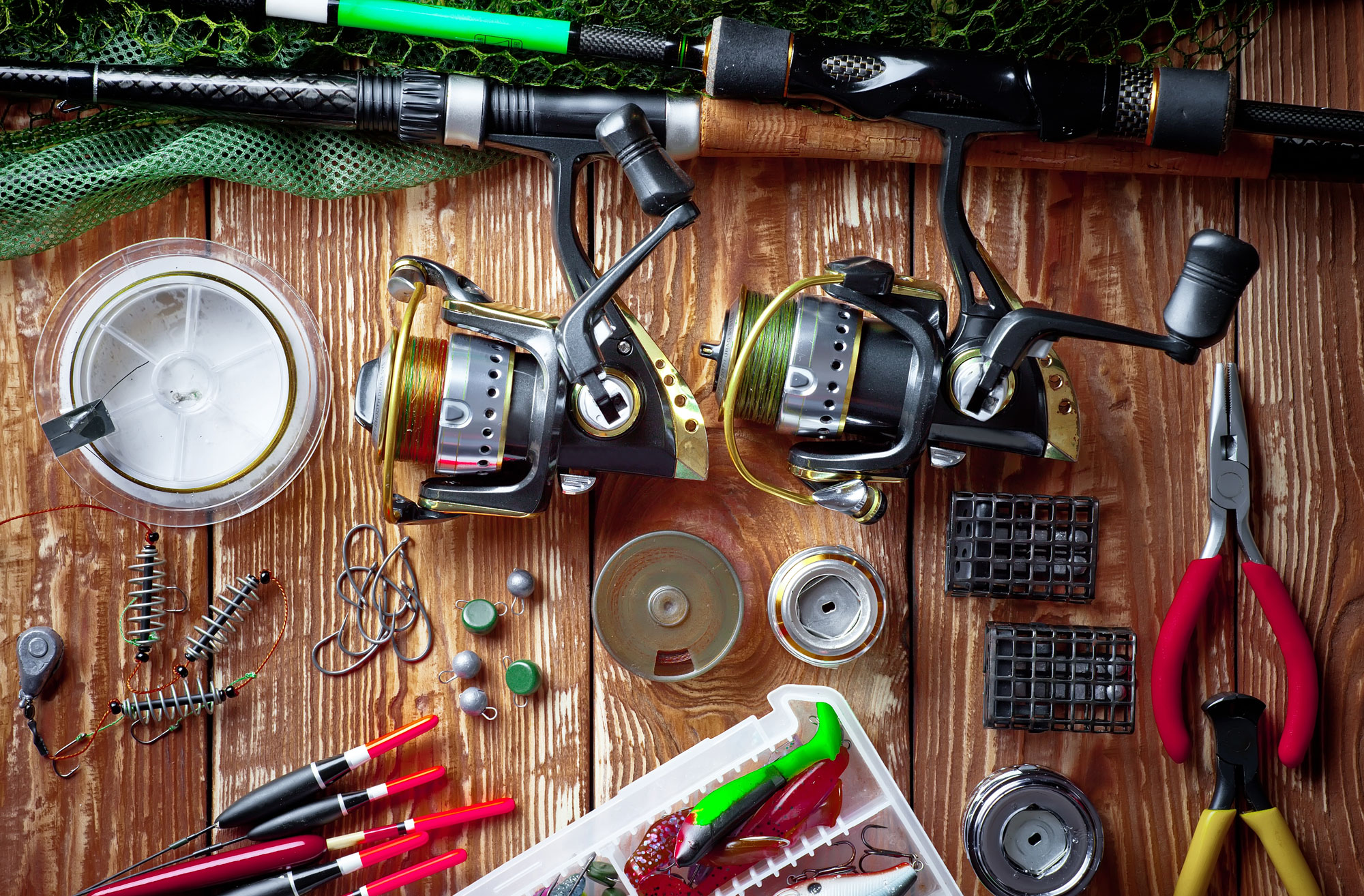
Credit: www.myboatlife.com
Where To Buy Beginner Fishing Gear
You have plenty of options for buying your fishing gear for beginners list:
- Big box stores: Walmart, Dick’s Sporting Goods, and Academy Sports have good selections of affordable gear.
- Local bait and tackle shops: Staff can recommend exactly what works in your area and often sell live bait.
- Online retailers: Amazon, Bass Pro Shops, and Cabela’s offer a huge range, including bundles and starter kits.
- Secondhand: Check Craigslist, Facebook Marketplace, or local thrift stores. Many people sell barely-used gear for half price.
A quick comparison:
| Store Type | Selection | Price | Expert Advice |
|---|---|---|---|
| Big box | Wide | Low | Basic |
| Bait shop | Moderate | Moderate | Excellent |
| Online | Very wide | Varies | None |
| Secondhand | Limited | Very low | Varies |
Practical tip: If you’re not sure, start at a local bait shop. They’ll help you avoid buying things you don’t need.
Frequently Asked Questions
What Is The Best First Time Fishing Gear For Beginners?
Start with a spinning rod and reel combo, monofilament line (6–8 lb), size #6–#10 hooks, a few bobbers, split-shot sinkers, live worms, and a fishing license. This simple kit works for most freshwater fish and is easy to use.
Can I Go Fishing Without A License?
In most US states, you need a license if you’re over 16. Some states have “free fishing days” when you don’t need a license. Always check your state’s rules before you fish to avoid fines. For more details, visit the U.S. Fish & Wildlife Service.
How Do I Know Which Fishing Rod To Buy?
For beginners, a 6-foot spinning rod and reel combo is a safe choice. Look for “medium” power and “fast” action. This handles most fish and is easy to cast. Avoid very short or very long rods for your first trips.
What Should I Bring Fishing Besides Gear?
You’ll want water, snacks, sunscreen, a hat, sunglasses, and maybe a small bucket for carrying fish or bait. Bring a phone in a waterproof bag for emergencies. Dress for the weather and wear comfortable shoes.
How Can I Avoid Common Mistakes As A New Angler?
Don’t bring too much gear. Stick to the basics. Always check your line for tangles or damage before casting. Watch videos on how to tie simple knots like the improved clinch knot. Most of all, be patient—fishing takes practice.
Getting started in fishing is easier than you think. With a basic beginner fishing kit list, a little knowledge, and a sense of adventure, you’ll be ready to catch your first fish in no time. If you want to dive deeper, check out our full guide on fishing for beginners. Remember, the best way to learn is by doing—so get out there, keep it simple, and enjoy your time on the water.
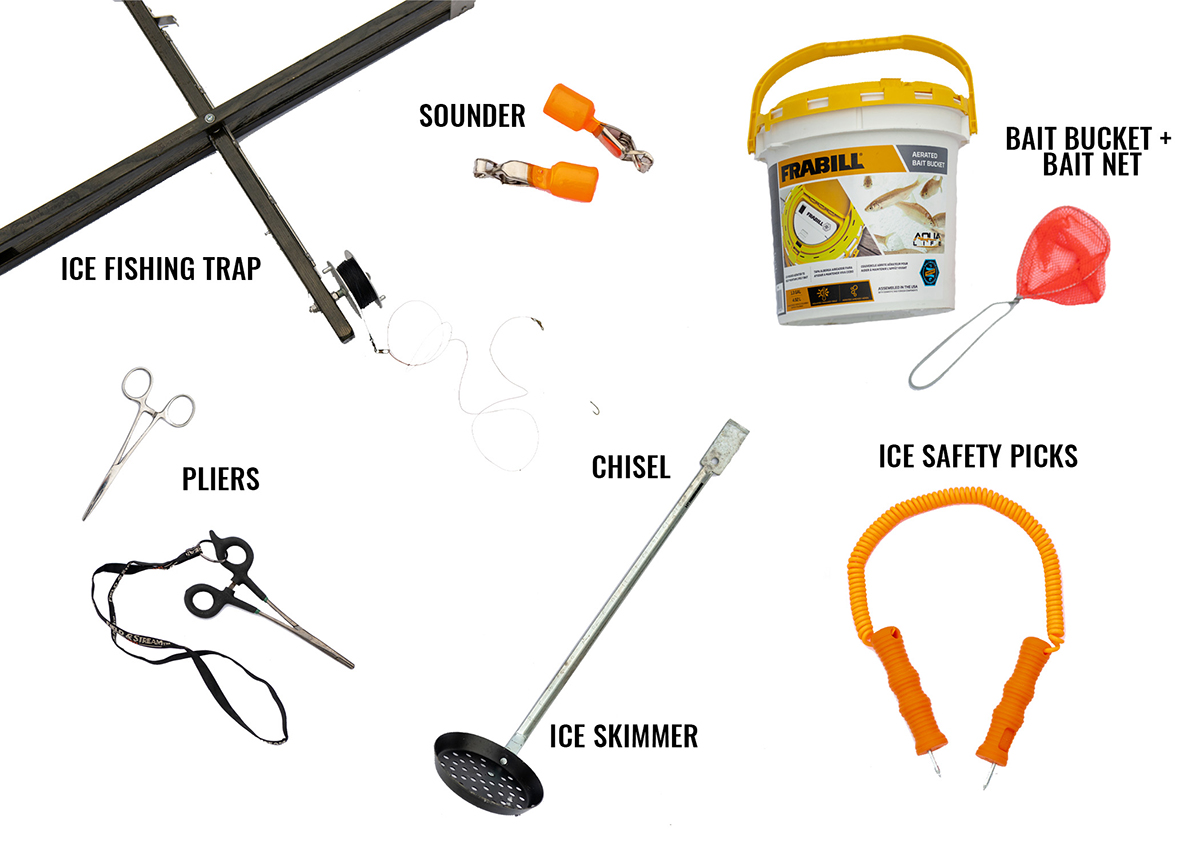
Credit: www.maine.gov
Tony L. Smith is a dedicated fishing expert with over 15 years of hands-on experience in freshwater and saltwater environments. As the founder of FishingStaff, Tony is committed to demystifying fishing gear for beginners and budget-conscious anglers who refuse to compromise on quality. Learn more about Tony & find him on Twitter. Happy reading!