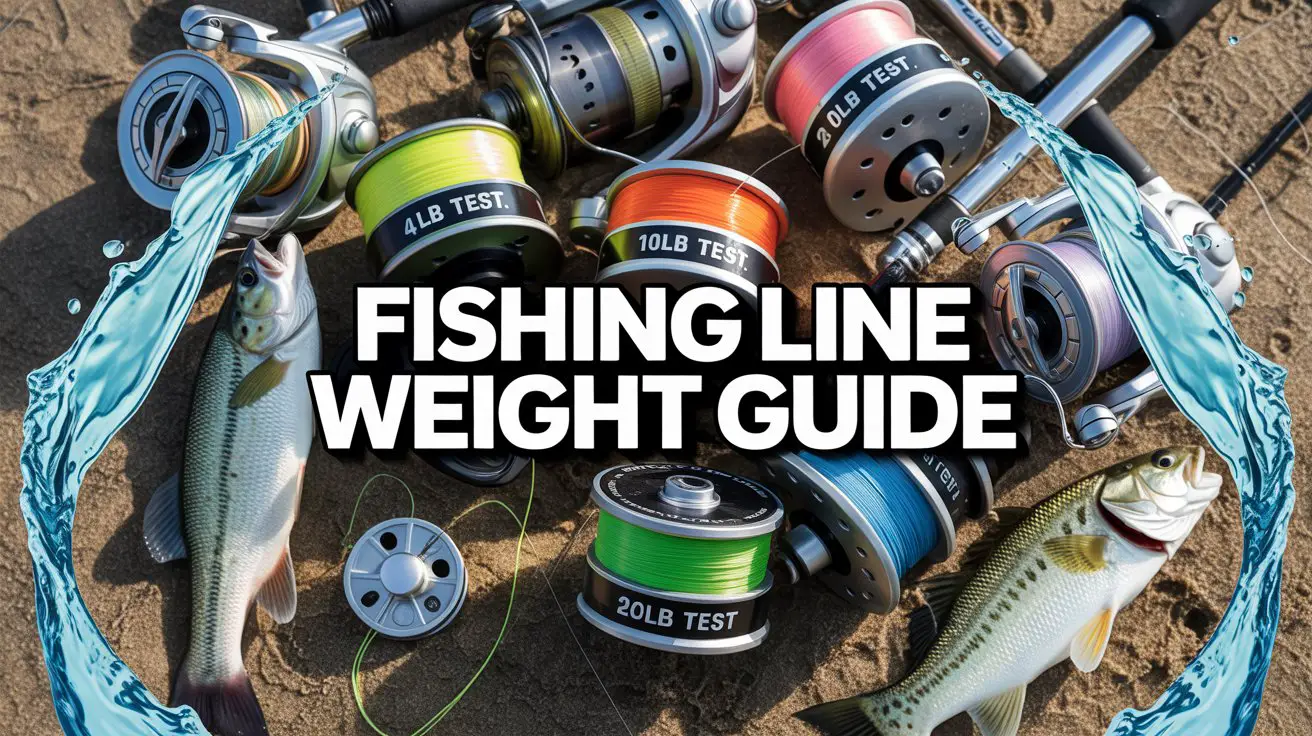
Fishing Line Weight Guide
Choosing the right fishing line weight can make or break your day on the water. Beginners often hear about “pound test” but may not understand what it really means. The pound test is the measure of how much weight a fishing line can handle before it breaks. If you pick the wrong line weight, you might lose fish or even damage your rod. In this guide, you’ll learn what pound test is, how it works, and how to match it to your fish species, fishing techniques, and gear. You’ll also get practical tips and data to help you select the best line for your needs.
How Pound Test Works
The pound test (sometimes called lb test or breaking strength) tells you how strong a fishing line is. For example, a 10 lb test line can hold up to 10 pounds before snapping. This number is printed on the line packaging. If you try to catch a fish heavier than your line’s pound test, the line may break during the fight.
But pound test isn’t just about lifting weight. It also relates to how you set your drag setting—the tension at which your reel releases line. If your drag is set higher than your line’s breaking strength, the line will snap under pressure. For most fishing situations, you set the drag at about one third of the pound test. So, for a 12 lb test, your drag should be around 4 lbs.
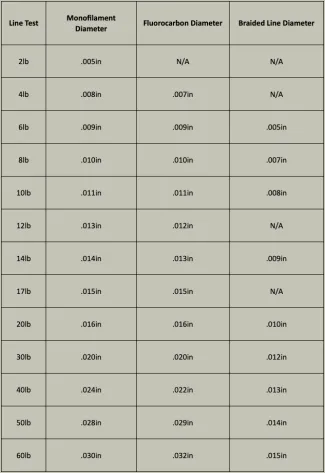
Another factor is line diameter. Thicker lines are usually stronger, but they also create more resistance in water. Sometimes, you need a thinner line for stealth or casting distance, even if it’s not as strong.
Line Weight By Species
Different fish species require different line weights. If you use too light a line for a strong fish, you risk losing it. If you use a heavy line for a small fish, you might scare them away. Here’s a quick reference for common species:
| Species | Recommended Pound Test | Line Type |
|---|---|---|
| Bluegill / Sunfish | 2–6 lb | Monofilament |
| Trout | 4–8 lb | Fluorocarbon / Monofilament |
| Bass | 8–20 lb | Braided / Fluorocarbon |
| Catfish | 12–30 lb | Braided / Monofilament |
| Walleye | 8–12 lb | Monofilament / Fluorocarbon |
| Pike / Muskie | 20–40 lb | Braided |
| Saltwater (Redfish, Snook) | 20–30 lb | Braided / Fluorocarbon |
| Tuna | 40–100 lb | Braided / Monofilament |
| Marlin | 80–130 lb | Braided / Monofilament |
Notice how the species-specific line weight changes based on the size and strength of the fish. For example, bluegill need only 2–6 lb line, while marlin require up to 130 lb.
Credit: www.blockbusterink.id
Line Weight By Fishing Technique
The fishing technique you use can also affect your choice of line weight. Here are some examples:
- Fly Fishing: Usually uses 2–8 lb test. The line needs to be light for delicate presentations.
- Trolling: Often uses heavier lines (15–30 lb test) because fish strike hard and you need to pull them in from deep water.
- Casting: For bass and other freshwater fish, 8–20 lb test is common. The line must handle sudden strikes.
- Surf Fishing: Uses 20–50 lb test to deal with big saltwater fish and rough conditions.
- Ice Fishing: Lighter lines (2–10 lb test) are used because fish are less aggressive in cold water and the holes are small.
Some beginners miss that the same fish can require different line weights based on technique. For example, trout in a small stream might need 4 lb test, but trolling for lake trout could require 12 lb test.
Line Weight For Spinning Reels
Spinning reels are popular for their versatility and ease of use. But not every line works well with them. Spinning reels are best with lighter lines (4–12 lb test). Thicker lines can create tangles and reduce casting distance.
Here’s a quick comparison:
| Line Weight | Best Use | Potential Issues |
|---|---|---|
| 2–6 lb | Small fish (trout, panfish) | May break with larger fish |
| 8–12 lb | Bass, walleye | Good balance for most freshwater |
| 14–20 lb | Catfish, light saltwater | Possible line twist, reduced casting |
For spinning reels, line diameter matters as much as strength. A thinner line casts farther and is less visible to fish. If you use braided line, you can go higher in pound test with less diameter.

Credit: agenciaflama.com.br
Line Weight For Baitcasting Reels
Baitcasting reels handle heavier lines and bigger fish. They are favored for bass fishing, trolling, and saltwater use. Baitcasting reels work best with lines from 10–50 lb test, depending on the target species and conditions.
Here’s a breakdown:
| Line Weight | Best Use | Potential Issues |
|---|---|---|
| 10–20 lb | Bass, walleye | Good for accurate casting |
| 20–40 lb | Pike, muskie, saltwater | Handles big fish, may cause backlash |
| 50+ lb | Tuna, marlin | Heavy tackle, requires skill |
Baitcasting reels can handle heavy line without tangling as easily as spinning reels. But they require practice to avoid backlash (line snags inside the reel). Braided lines are popular for their strength and low diameter.
Does A Heavier Line Always Mean Stronger?
It’s easy to think that a higher pound test always means a stronger line. But there’s more to it. The breaking strength depends on the material and construction, not just the number.
- Monofilament lines are thicker and stretch more, so a 20 lb mono is easier to handle but less sensitive.
- Braided lines are thinner and have less stretch, so a 20 lb braid is much stronger and casts farther than mono of the same pound test.
- Fluorocarbon is nearly invisible underwater, but can be stiff and harder to tie knots with.
Here’s a practical example: A 20 lb braided line may be as thin as a 6 lb monofilament line, so you get more strength without increasing diameter. But a heavier line can reduce lure action and scare fish in clear water.
Non-obvious insight: Some anglers use leader lines—short sections of heavier line tied to the end of a lighter main line. This lets you fish stealthily with a thin line but still handle strong fish or rough conditions.
How To Match Line Weight To Rod Power
Your fishing rod is designed for a certain line weight range. If you use a line that’s too heavy or too light, you risk damaging the rod or losing fish. The rod blank usually has a label near the handle with recommended line weight (e.g., “6–12 lb”).
- Use a line within the rod’s recommended range for best casting and fish fighting.
- If you use a heavier line, the rod may not bend properly, making it hard to cast.
- If you use a lighter line, you may break the line before the rod reaches its full power.
Here’s a typical rod power to line weight guide:
| Rod Power | Recommended Line Weight |
|---|---|
| Ultralight | 2–6 lb |
| Light | 4–8 lb |
| Medium | 8–17 lb |
| Medium-Heavy | 12–25 lb |
| Heavy | 20–50 lb |
Matching rod power to fishing line lb test improves accuracy, casting, and fish landing. Many beginners ignore this and end up with broken rods or missed fish.
Frequently Asked Questions
What Is Pound Test In Fishing Line?
Pound test is the maximum weight a fishing line can hold before breaking. For example, an 8 lb test line can handle up to 8 pounds of force.
What Pound Test Fishing Line Should I Use For Bass?
For bass fishing, 8–20 lb test is common. Use lighter lines for finesse and heavier lines for heavy cover or larger bass.
Does A Thicker Line Mean Higher Strength?
Usually, yes. Thicker lines often have higher breaking strength, but braided lines can be thin and still strong. Always check the label and material.
Can I Use A Heavier Line On A Light Rod?
It’s not recommended. Using a line heavier than your rod’s rated power can damage the rod and affect casting. Match the line weight to the rod’s suggested range.
What’s The Difference Between Monofilament, Braided, And Fluorocarbon Lines?
Monofilament is stretchy and easy to handle. Braided is strong, thin, and sensitive. Fluorocarbon is nearly invisible underwater but stiff. Choose based on your fishing conditions and target species.
Fishing line weight is more than just a number on the package. It affects your drag setting, casting, lure presentation, and chances of landing fish. Smart anglers match their line weight to the species, technique, reel, and rod. They also consider material, diameter, and fishing environment. If you’re unsure, start with the mid-range for your target species and adjust as you gain experience. For more advanced tips, check out TackleTour.
With the right fishing line strength guide, you’ll be ready for any fishing challenge—whether it’s light trout in a mountain stream or giant marlin in the ocean. Remember, the best line is the one that fits your fishing style, gear, and target fish. Happy fishing!

Credit: samarthyaclasses.com

Tony L. Smith is a dedicated fishing expert with over 15 years of hands-on experience in freshwater and saltwater environments. As the founder of FishingStaff, Tony is committed to demystifying fishing gear for beginners and budget-conscious anglers who refuse to compromise on quality. Learn more about Tony & find him on Twitter. Happy reading!