The hardest part is just starting — here’s exactly what to do
Fishing looks simple from the outside, but for most people, the hardest part is just getting started. Maybe you don’t know what gear to buy, or you’re unsure where to fish. You might worry about making mistakes. The truth is, fishing is easy to learn if you take it step by step.
You don’t need fancy gear or special skills—just a little guidance and the right attitude. This guide will walk you through everything you need to start fishing from scratch, using clear advice and real-world examples. Whether you’re dreaming about catching your first fish or want a relaxing day outdoors, these steps will help you get started with confidence.
Step 1 — Get Your Fishing License
Before you even touch a rod, you’ll need a fishing license. Almost every state in the US requires one for freshwater and saltwater fishing. Licenses are easy to get online or at local sporting goods stores. The price usually ranges from $10 to $50 for residents, depending on your state and the license type.
Why do you need a license? It helps protect fish populations and keeps fishing sustainable. Without a license, you risk fines—sometimes over $100. If you’re under 16 (in most states), you might not need a license, but always check local rules.
How to get your fishing license:
- Visit your state wildlife agency website.
- Choose the right license type—most beginners need a daily or annual freshwater license.
- Fill in your details and pay online, or buy at a local tackle shop.
If you’re unsure, search “fishing license near me” or ask at any store that sells fishing gear. Keep your license handy when fishing—some officers check at popular spots.
Step 2 — Choose Your First Rod And Reel
Picking your first rod can feel confusing with so many options. For freshwater beginners, a simple spinning rod and reel combo works best. Spinning setups are easy to use and handle most fish you’ll find in ponds, lakes, or rivers.
What to look for in a beginner fishing setup:
- Rod length: 6 to 7 feet is ideal. Shorter rods are easier to control.
- Rod power: “Medium” power is good for most situations.
- Reel type: Spinning reels are beginner-friendly. Avoid baitcasting reels—they’re harder to use.
- Price: Quality combos cost $30–$60. Avoid very cheap rods—they break easily.
Here’s a comparison of popular beginner options:
| Rod & Reel Combo | Rod Length | Power | Average Price | Best For |
|---|---|---|---|---|
| Ugly Stik GX2 | 6’0″ | Medium | $45 | Durability |
| Shakespeare Combo | 6’6″ | Medium | $35 | Affordability |
| Abu Garcia Black Max | 7’0″ | Medium | $60 | Versatility |
A spinning rod and reel combo will let you cast easily and handle most freshwater fish. If you’re not sure, ask staff at your local tackle shop for a beginner-friendly setup.

Credit: www.youtube.com
Step 3 — Buy Basic Tackle And Bait
Once you have your rod and reel, you need some basic tackle and live bait. Tackle means the small gear that helps you catch fish—hooks, weights, bobbers, and bait.
Essential beginner fishing setup:
- Hooks: Size 6–8 for freshwater beginners.
- Weights (sinkers): Small split shot weights work for most ponds and lakes.
- Bobbers: Red-and-white plastic bobbers make it easy to see bites.
- Live bait: Worms are classic and work everywhere. You can also use minnows or crickets.
- Line: 6–8 lb test monofilament is perfect for beginners.
Here’s a simple tackle kit for your first trip:
| Item | Quantity | Purpose |
|---|---|---|
| Hooks (size 6) | 10 | Catch most freshwater fish |
| Split shot weights | 10 | Keep bait underwater |
| Plastic bobbers | 5 | Signal bites |
| Worms (live bait) | 1 box | Attract fish |
| Monofilament line (6 lb test) | 1 spool | Fishing line |
Buy your tackle at any fishing store or big-box retailer. Don’t buy too much—start simple and add more later. Live bait like worms usually costs under $5 and is easy to keep in a small container.
Step 4 — Find A Beginner-friendly Fishing Spot
Finding the right fishing spots near me is key for your first trip. Not all waters are equal—some are hard to access, others are crowded or have few fish. For beginners, choose a pond, small lake, or slow-moving river. These places are less challenging and have lots of panfish like bluegill or perch.
How to find a good fishing spot:
- Ask at local tackle shops—they know where beginners catch fish easily.
- Use Google Maps and search for “public fishing ponds” or “fishing spots near me.”
- Check your state wildlife website for lists of beginner-friendly locations.
- Look for public parks with fishing piers—these are safe and accessible.
Some areas have special “kids’ fishing lakes” stocked with fish. If you’re not sure, go on a weekday morning to avoid crowds and have a peaceful experience.
Here’s a simple comparison of spot types:
| Spot Type | Accessibility | Fish Variety | Best For Beginners |
|---|---|---|---|
| Public Pond | Easy | Panfish, bass | Yes |
| Small Lake | Moderate | Panfish, trout | Yes |
| Large River | Hard | Catfish, carp | No |
Choose a spot where you can walk up to the water and fish from the shore. Don’t worry about boats or special gear yet.

Credit: www.youtube.com
Step 5 — Learn One Knot And One Technique
You don’t need to learn every fishing skill right away. Start with one knot and one technique. The improved clinch knot is simple and strong—use it to tie your hook to your line.
How to tie the improved clinch knot:
- Thread the line through the hook eye.
- Twist the line 5–6 times around itself.
- Pass the end of the line back through the first loop.
- Pull tight.
For fishing technique, bobber fishing is the easiest. Attach a bobber 1–2 feet above your hook and bait. Cast it out, watch the bobber, and wait for it to move or dip—this means a fish is biting.
Why bobber fishing is good for beginners:
- Easy to set up and see bites
- Works for most freshwater fish
- Lets you focus on basics
Practice tying your knot at home with a piece of string until you feel confident.
Step 6 — Go Fishing And Adjust From There
Now it’s time to actually fish. The first trip is about learning and having fun, not catching trophies. Arrive early, bring your gear, and set up close to the water. Attach your hook, bait, and bobber, then cast gently.
What to bring besides gear:
- Sunscreen and hat
- Water and snacks
- Small towel or wipes
- Simple tackle box or bag
Stay patient. Some days fish bite fast, other times you wait. Try casting in different spots and adjusting your bobber depth. If you don’t get bites after 30 minutes, move a few yards along the shore.
Two non-obvious insights for beginners:
- Fish are more active early morning or late afternoon, not midday.
- If you see birds or other anglers catching fish, that’s a good sign for your spot.
Take photos, enjoy the view, and remember: every angler started somewhere.
What To Expect On Your First Trip
Fishing for the first time brings surprises. You might catch a fish quickly, or you might wait. Most beginners catch bluegill or sunfish—they bite often and are easy to handle. Don’t worry if you miss a fish or lose bait; it’s part of the process.
Here’s what your first trip might look like:
- Arriving at the spot and setting up
- Casting your line with a bobber and live bait
- Watching for bites—bobber moves or dips
- Feeling excitement and maybe some nerves
- Catching your first fish (likely small)
- Handling the fish gently, then releasing or keeping it
You may also get tangled lines or snagged hooks. Stay calm and take your time. It’s normal to feel unsure at first. The main goal is learning, not catching a big fish. Over time, you’ll improve and learn new techniques.
Common Beginner Mistakes To Avoid
Many people make the same errors when getting started fishing. Avoid these to make your experience easier:
- Skipping the fishing license: Always get your license before fishing.
- Buying too much gear: Start simple—don’t spend hundreds on fancy rods or tackle.
- Choosing tough fishing spots: Pick easy-access ponds or lakes, not fast rivers or deep lakes.
- Not learning a basic knot: Without a strong knot, you’ll lose fish and tackle.
- Using the wrong bait: For freshwater beginners, live bait like worms works best.
- Ignoring weather: Fish bite more when weather is mild—not too hot or cold.
- Fishing at the wrong time: Early morning and evening are best for activity.
- Getting frustrated: Fishing takes patience. Every trip teaches you something new.
One extra insight: Don’t be afraid to ask other anglers for help. Most are happy to give tips to beginners.

Credit: www.amazon.com
Frequently Asked Questions
How Do I Start Fishing From Scratch?
To start fishing from scratch, buy a fishing license, get a simple rod and reel combo, pick basic tackle (hooks, bobbers, weights), choose live bait like worms, and find an easy-access pond or lake. Learn one knot and use bobber fishing. Go out and enjoy the process.
What Is The Best Fishing Setup For Freshwater Beginners?
A spinning rod and reel combo (6–7 feet, medium power) with 6–8 lb test line is ideal for freshwater beginners. Add size 6 hooks, small split shot weights, plastic bobbers, and live bait. This setup covers most beginner needs and is easy to use.
Where Can I Find Fishing Spots Near Me?
Search “fishing spots near me” online or use Google Maps. Ask at local tackle shops or check your state wildlife website for lists of public fishing ponds and lakes. Public parks often have easy-access fishing piers perfect for beginners.
What Is Bobber Fishing And Why Is It Good For Beginners?
Bobber fishing uses a floating bobber attached to your line above the hook and bait. When a fish bites, the bobber moves or dips. It’s simple to set up, easy to see bites, and works well for most freshwater fish—making it perfect for beginners.
Do I Need A Fishing License For My First Trip?
Yes, you need a fishing license in almost every state, even for your first trip. Licenses help protect fish populations and keep fishing legal. Buy online or at local shops and keep it with you while fishing.
Fishing is a rewarding hobby for all ages, and the learning never stops. By following these steps, you’ll avoid common mistakes and build your skills quickly. For more in-depth tips and advanced guides, visit TakeMeFishing.org. Enjoy your time on the water—your first fish is just the beginning.
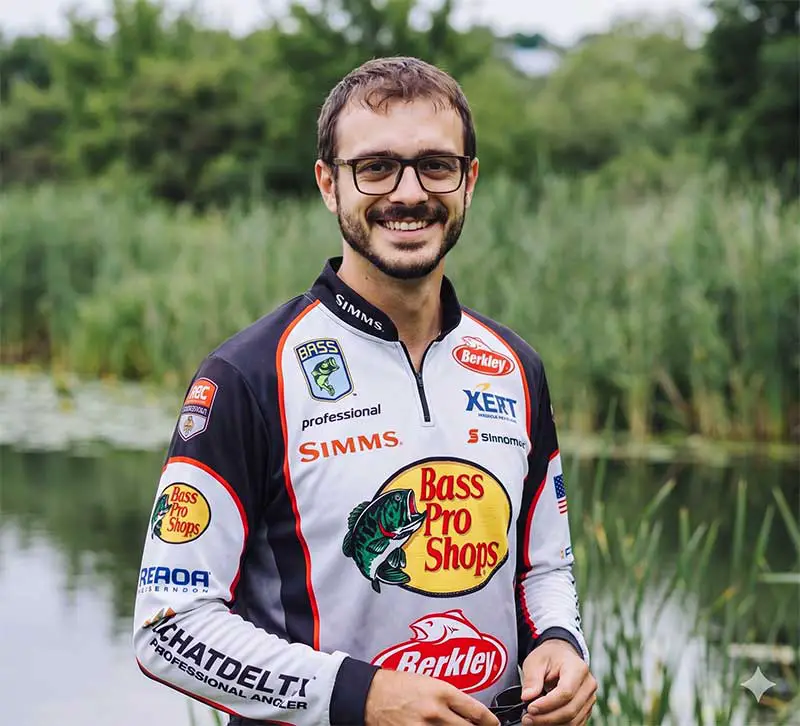
Tony L. Smith is a dedicated fishing expert with over 15 years of hands-on experience in freshwater and saltwater environments. As the founder of FishingStaff, Tony is committed to demystifying fishing gear for beginners and budget-conscious anglers who refuse to compromise on quality. Learn more about Tony & find him on Twitter. Happy reading!