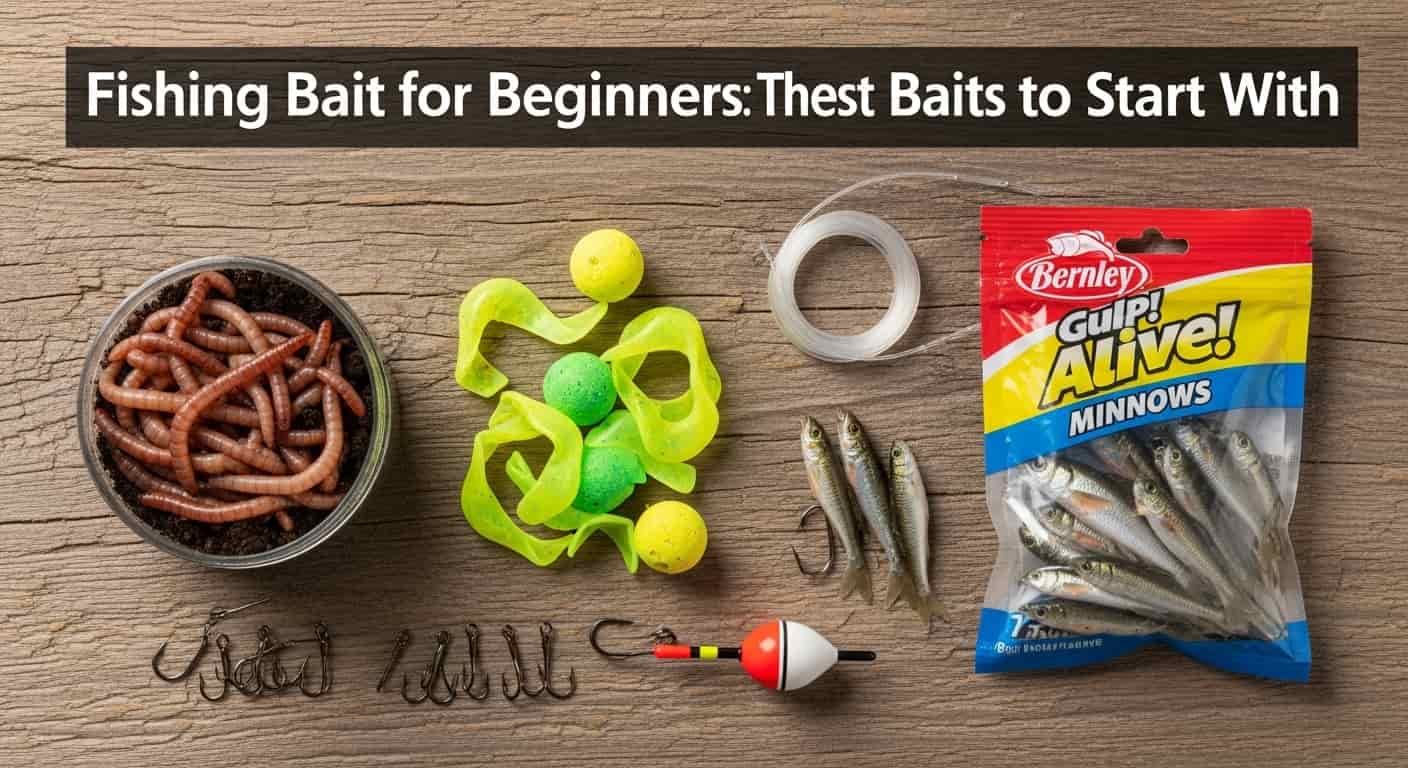
The Simplest Bait Choice For A First Fishing Trip
Choosing the right fishing bait can feel confusing, especially for beginners. You walk into a tackle shop and see dozens of options—worms, bright lures, jars of dough, even bags of corn. But don’t worry. You don’t need fancy gear or expensive bait to catch fish on your first trip. The best bait for beginner fishing is often the simplest: a nightcrawler (earthworm) on a hook, paired with a bobber. It catches many types of fish and is easy to use. In this beginner fishing bait guide, we’ll explore the easiest fishing bait, show you what bait to use fishing for different species, and explain how to keep your bait alive, where to buy it, and how to make your first fishing trip a success.
Live Bait For Beginners
Live bait is a favorite among beginners because fish recognize it as real food. It’s simple, reliable, and often cheap. Most local fish—like bluegill, perch, trout, and bass—will bite if you use the right live bait.
Nightcrawlers (earthworms) — The Universal Beginner Bait
Nightcrawlers are the classic fishing bait. They are large earthworms found in gardens and lawns. Many anglers call them the universal bait because almost any freshwater fish will eat them.
- Why they work: Nightcrawlers move on the hook, attracting fish by sight and smell.
- How to use: Thread half a worm onto a hook, attach a bobber, and cast near weeds or rocks. Wait for the bobber to dip—then set the hook.
- Fish you can catch: Bluegill, perch, bass, catfish, trout, carp.
A surprising tip: Nightcrawlers are so effective that even experienced anglers use them when nothing else works. If you’re unsure what bait to use fishing, start with nightcrawlers.
Live Minnows
Live minnows are small fish that attract larger predator fish. Minnows are sold at bait shops in buckets. They’re popular for catching bass, walleye, pike, and crappie.
- How to use: Hook the minnow through its lips or back. Cast near submerged logs or rocks.
- Why beginners like them: Minnows move naturally, drawing attention from bigger fish.
- Species: Bass, walleye, crappie, pike.
Minnows can be tricky for very young kids, but for teens and adults, they’re easy to handle. Remember, always keep minnows cool and oxygenated (more tips below).
Crickets And Grasshoppers
Crickets and grasshoppers are natural insects found near water. Many fish, especially panfish like bluegill and sunfish, love them.
- How to use: Hook the insect through its back or collar. Cast near the shore or lily pads.
- Why use them: They float and kick, making fish strike quickly.
- Fish: Bluegill, sunfish, trout.
Non-obvious insight: In late summer, when worms are less active, crickets often work better. Many beginners overlook insect bait, but it can be the easiest fishing bait for catching panfish.
Prepared And Dough Baits
Prepared baits are ready-made substances sold in jars or tubs. They’re easy to use and often mess-free. Dough baits can be homemade or bought at stores.
Powerbait — Great For Stocked Trout
PowerBait is a soft dough sold in bright colors. It’s designed for stocked trout (trout raised in fish farms and released into lakes).
- How to use: Mold a small ball onto a hook. Use a light sinker and cast from shore.
- Why it works: PowerBait smells and tastes like food to trout.
- Fish: Rainbow trout, brown trout (especially stocked fish).
Many beginners think trout only bite worms. But in lakes stocked with trout, PowerBait can outfish worms and is often the easiest fishing bait for trout.
Corn — Simple And Effective For Carp
Corn is a cheap, easy bait that catches carp and even panfish. Just use canned sweet corn.
- How to use: Thread 2–3 kernels onto a small hook. Cast near the bottom.
- Why carp like it: Corn is bright and sweet-smelling.
- Fish: Carp, bluegill, sometimes trout.
Non-obvious tip: In some lakes, corn is banned, so check local rules before using it. Corn is also perfect for teaching kids to fish, as it’s not messy and stays on the hook.

Credit: www.youtube.com
Artificial Lures For Beginners
Artificial lures are made of plastic, metal, or rubber. They imitate small fish, insects, or worms. Lures are reusable and don’t spoil. Some beginners find them harder to use, but a few types are very simple.
Spinners — Easiest Lure To Use
Spinners are metal lures with a spinning blade. They flash and vibrate, attracting fish.
- How to use: Cast and reel in slowly. The spinner does the work.
- Why they’re easy: No special technique needed—just retrieve.
- Fish: Trout, bass, perch, pike, crappie.
A spinner is the easiest fishing bait in the lure category. If you want to try artificial bait, start with a spinner.
Soft Plastic Worms
Soft plastics are rubbery worms or grubs. They’re popular for bass fishing.
- How to use: Thread onto a hook. Cast, let sink, and gently twitch.
- Why use them: Mimic real worms but don’t spoil.
- Fish: Bass, perch, panfish.
Soft plastics last longer than live bait and are useful if you plan to fish all day.
Small Jigs
Jigs are small weighted hooks with feathers or soft bodies. They’re effective for crappie, perch, and bass.
- How to use: Cast and slowly lift and drop the rod tip.
- Why they work: Jigs bounce along the bottom, looking like injured prey.
- Fish: Crappie, perch, bass, walleye.
Beginners often overlook jigs, but they’re easy to use and catch many species.
Bait By Target Species Table
It’s helpful to match bait to the fish you want to catch. Here’s a quick guide:
| Fish Species | Best Beginner Bait | Notes |
|---|---|---|
| Bluegill/Sunfish | Nightcrawlers, crickets, corn | Easy to catch near shore |
| Bass | Live minnows, soft plastics, spinners | Lures work well for active bass |
| Trout | PowerBait, nightcrawlers, spinners | Stocked trout love PowerBait |
| Carp | Corn, nightcrawlers | Use corn in areas where allowed |
| Crappie | Live minnows, jigs | Small bait, light tackle |
| Catfish | Nightcrawlers, cut bait | Fish on the bottom |
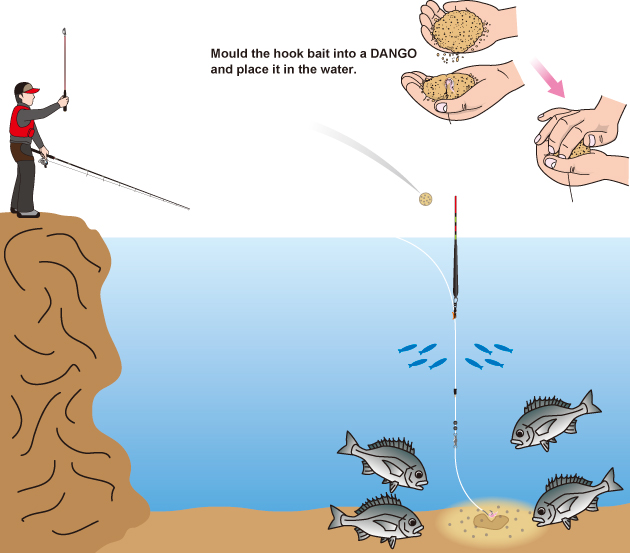
Credit: www.marukyu-global.com
How To Keep Live Bait Alive
Keeping your bait healthy is important, especially on warm days. Dead bait doesn’t attract fish.
- Nightcrawlers: Store in a cool, damp container. Use soil or peat moss. Avoid direct sunlight.
- Minnows: Keep in a bucket with fresh water. Add ice packs to keep cool. Use an aerator to supply oxygen.
- Crickets/grasshoppers: Use a ventilated box. Add a slice of potato or carrot for moisture.
Here’s a quick comparison for keeping bait alive:
| Bait Type | Storage Method | Key Tip |
|---|---|---|
| Nightcrawlers | Cool, moist soil box | Keep out of sun |
| Minnows | Water bucket + aerator | Add ice if hot |
| Crickets | Ventilated box | Moisten with veggies |
A common beginner mistake: letting bait overheat in the car or sun. Always check your bait every hour to make sure it’s lively.
Where To Buy Fishing Bait
Finding bait is easy once you know where to look.
- Local tackle shops: Sell live bait (worms, minnows, crickets), prepared baits (PowerBait), and lures.
- Big-box stores: Chains like Walmart or Bass Pro have bait sections.
- Gas stations near lakes: Many rural stations keep worms and minnows.
- Online: You can buy artificial lures and PowerBait online. Live bait shipping is tricky, so use local shops.
Non-obvious insight: Some bait shops also give advice on what bait to use fishing in local waters. Ask the staff—they often know what’s working best that week.
To learn more about bait laws and conservation, visit the Fishing Bait Wikipedia page.
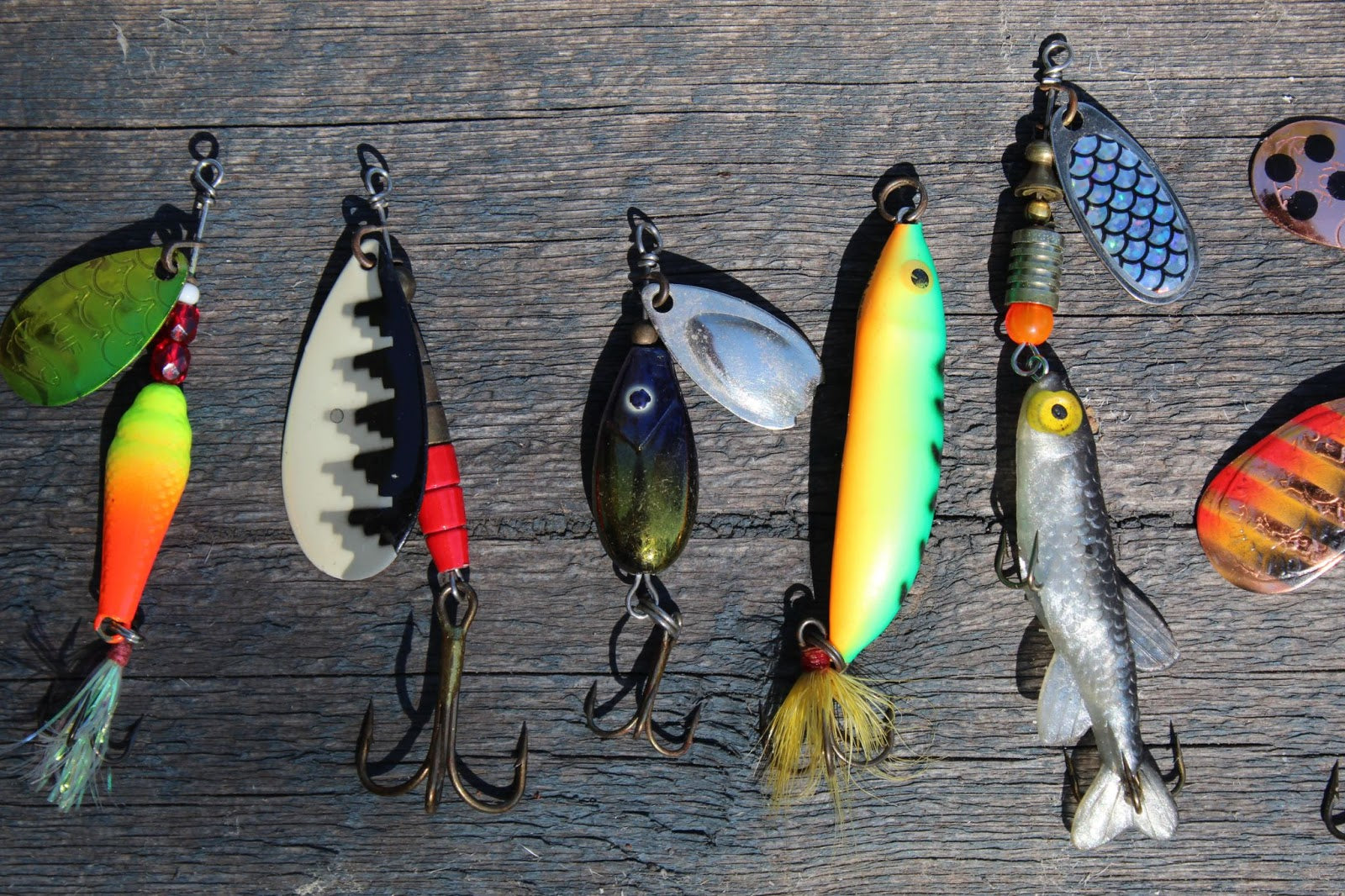
Credit: www.daggerfishgear.com
Frequently Asked Questions
What Is The Easiest Fishing Bait For Beginners?
The easiest fishing bait is a nightcrawler (earthworm). It’s simple to hook, cheap, and catches many types of fish. Just use a bobber and half a worm for your first trip.
Can I Use Bread Or Cheese As Fishing Bait?
Yes, but only for certain fish like carp and bluegill. Bread and cheese break apart easily and don’t stay on the hook long. Corn or PowerBait is better for beginners.
How Do I Know Which Bait To Use For Different Fish?
Ask at the local tackle shop, check fishing reports, or use the table above. For panfish, use worms or insects. For bass, try minnows or soft plastics. For trout, PowerBait or spinners work well.
What Is The Best Bait For Beginner Fishing In Rivers?
In rivers, nightcrawlers and minnows are top choices. They attract fish like trout, bass, and catfish. Cast upstream and let the bait drift naturally.
Are Artificial Lures Good For Beginners?
Yes, if you choose simple types like spinners or small jigs. They’re easy to use and reusable. Lures are best for active fish and work well when live bait is not available.
Fishing is a fun, relaxing way to spend time outdoors, and choosing the right bait makes it even better. Start with nightcrawlers or PowerBait for your first trip. Don’t stress about getting everything perfect—the most important thing is to enjoy the experience. As you get more comfortable, try new bait types and experiment with lures. Soon, you’ll know exactly what bait to use fishing for any fish in your local waters. Good luck, and happy fishing!

Tony L. Smith is a dedicated fishing expert with over 15 years of hands-on experience in freshwater and saltwater environments. As the founder of FishingStaff, Tony is committed to demystifying fishing gear for beginners and budget-conscious anglers who refuse to compromise on quality. Learn more about Tony & find him on Twitter. Happy reading!