Freshwater Fishing For Beginners
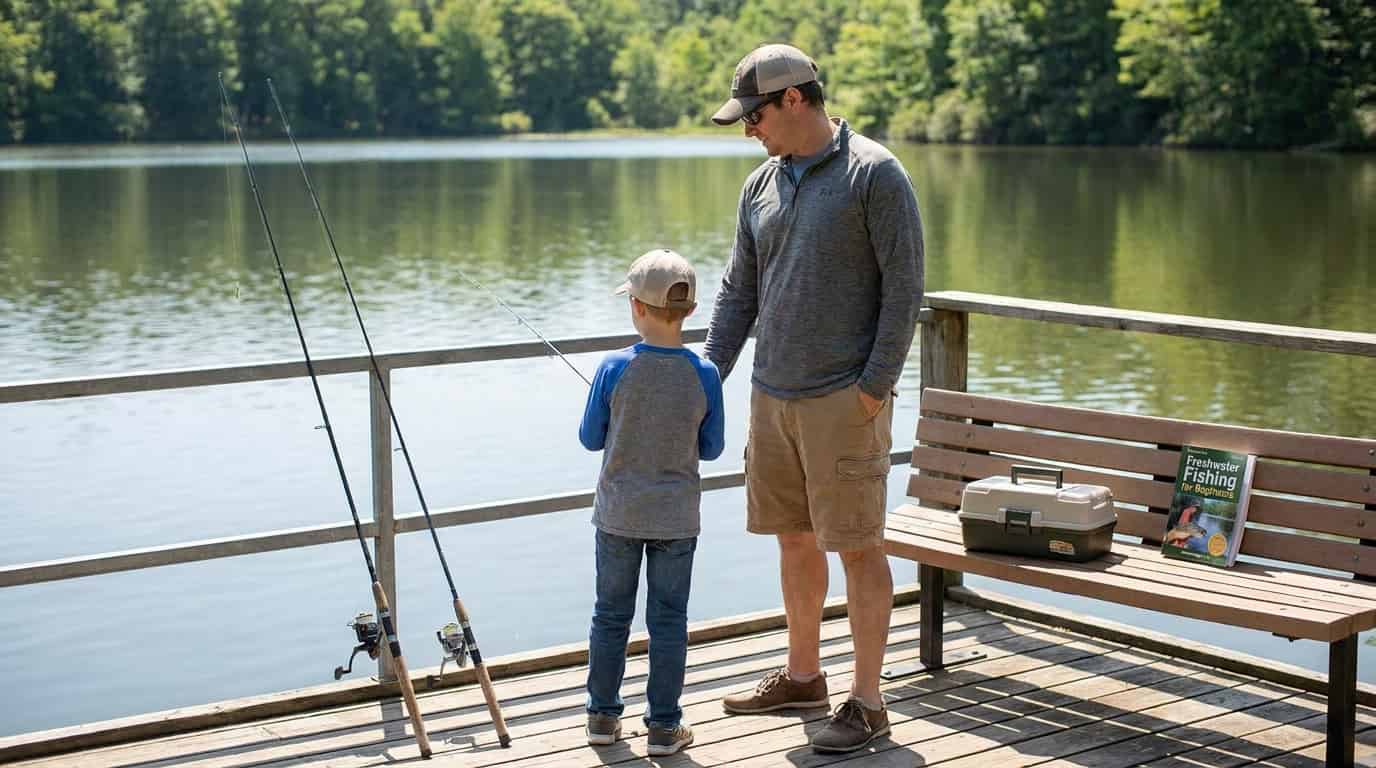
Starting your fishing journey in freshwater is a smart choice for many reasons. Lakes, ponds, and rivers are found almost everywhere, so you don’t need to travel far. The water is usually calm, making it safe and relaxing. Most important, freshwater fishing is beginner-friendly — you don’t need expensive gear or advanced skills to catch your first fish. Whether you dream of catching a lively bass or a tasty catfish, you’ll find plenty of fish that are easy to target and fun to catch.
Fishing also gives you a break from busy life. It’s a chance to connect with nature, spend time with family or friends, and enjoy the outdoors. For beginners, freshwater fishing offers quick wins, simple rules, and many places to try. This guide will walk you through everything you need to know: choosing the right fish, understanding gear, where to fish, and the basics of how to fish freshwater lakes, ponds, and rivers. By the end, you’ll feel ready to grab a rod and start catching your own memories.
Freshwater Vs Saltwater Fishing — Key Differences
If you are new to fishing, you might wonder about the differences between freshwater and saltwater fishing. Knowing the basics will help you pick the best start for your adventure.
Freshwater fishing happens in lakes, rivers, streams, and ponds. The water has low salt content. Saltwater fishing is done in oceans, seas, and coastal areas, where the water is salty.
Here’s a simple comparison to help you see the main differences:
| Feature | Freshwater | Saltwater |
|---|---|---|
| Water Type | Lakes, rivers, ponds | Oceans, seas, bays |
| Fish Species | Bass, bluegill, catfish, trout, crappie, perch | Snapper, grouper, mackerel, tarpon |
| Gear Needed | Light to medium rods and reels | Heavier rods, corrosion-resistant reels |
| Access | Public lakes, rivers, city ponds | Beaches, piers, boats |
| Cost | Lower — simple gear is enough | Higher — specialized gear often needed |
For most beginners, freshwater is best. It’s more affordable, less challenging, and offers lots of species to catch. You can fish from the bank (shore) without needing a boat. There are also fewer rules and less risk of damaging gear from salt.
Best Freshwater Fish For Beginners To Target
Choosing the right fish makes your first trips more fun and successful. Some species are easy to catch, common in many waters, and don’t require fancy skills. Let’s look at five top choices for those new to freshwater fishing.
Bluegill — The Perfect Beginner Fish
Bluegill are small, colorful sunfish found in almost every pond and lake in North America. They’re perfect for newcomers because they bite often, especially on simple baits like a worm under a bobber. You can catch them with light gear and even from city park ponds. They rarely grow over a pound, but catching a bunch is great fun.
Beginner tip: Bluegill love shallow water near weeds and docks, especially in warm weather. Use a small hook and a piece of worm for best results.
Bass — Exciting And Widely Available
Bass (especially largemouth bass) are popular for their strong fight and wide range. They live in lakes, ponds, and rivers across the US. Bass can grow large, and even small ones are exciting to catch. They will bite live bait or artificial lures.
Non-obvious insight: Early morning and late afternoon are prime times for bass. Look for them near submerged logs, rocks, or weeds. Beginners often use too-big lures — start small for better bites.
Catfish — Easy To Catch, Great To Eat
Catfish are bottom-dwelling fish that feed on almost anything. They’re common in lakes, rivers, and ponds, especially in the South and Midwest. Catfish can be caught with simple baits like chicken liver, worms, or even hot dogs.
Practical tip: Fish for catfish near the bottom, close to dusk or after dark. Use a heavier line, as catfish can grow large. Don’t worry about fancy lures — a basic hook and sinker work well.
Crappie — Fun In Numbers
Crappie are schooling fish, which means you can catch many once you find them. They’re common in lakes and large ponds. Crappie like small jigs or minnows and are most active in spring and fall.
Beginner mistake: Many people fish too deep for crappie. Try fishing just below the surface near brush or submerged trees.
Trout — Rewarding Challenge
Trout are found in cooler streams and lakes. They’re a bit more challenging but are rewarding to catch. Trout prefer clean, moving water and natural baits like worms, small spinners, or artificial flies.
Insider advice: Trout are sensitive to water temperature and light. Fish early in the morning or on cloudy days. Use light line and small hooks for more bites.
))/691039.json)
Credit: www.basspro.com
How To Fish A Lake As A Beginner
Lakes are great for learning because they offer calm water and different fish. Here’s how to get started if you want to know how to fish freshwater lakes as a beginner:
- Scout the Shoreline: Start by walking the banks and looking for areas with cover, like weeds, rocks, or fallen trees. Fish use these spots for protection.
- Simple Rig Setup: Use a spinning rod (6-7 feet is ideal) with a spinning reel. Tie on a basic bobber rig: thread the line through a bobber, add a split shot weight 1 foot above a size 8-10 hook, and bait with a worm.
- Casting Basics: Stand clear of trees and brush. Cast your line near cover and let the bobber settle. Wait for the bobber to move — that’s your signal to set the hook.
- Timing Your Trip: Early morning or late afternoon are best, especially in summer. Fish are more active and less shy.
- Observe and Adjust: If you don’t get bites after 15-20 minutes, move to a new spot or try a different depth.
Non-obvious insight: Wind can push food and fish toward one side of the lake. Try fishing on the “windward” bank for more action.
How To Fish A Pond As A Beginner
Pond fishing for beginners is about simplicity and quick results. Ponds are smaller, so it’s easier to find fish and practice your skills.
- Gear up light: A small spinning rod (5-6 feet) is enough. Use 4-8 lb test line.
- Best baits: Live worms are top choice. Small artificial lures work too, but live bait often gets more bites.
- Where to cast: Look for shady spots, lily pads, or overhanging branches. Fish stay near cover, especially in warm weather.
- Bank fishing: You don’t need a boat. Cast from the shore and try different spots every 15 minutes if you’re not catching anything.
- Fish species: Expect to catch bluegill, bass, and sometimes catfish or crappie.
- Quick tip: Don’t overlook small ponds. Some neighborhood ponds are stocked and can be full of fish, especially in spring.
Hidden advantage: Ponds warm up faster than lakes, so fish are active earlier in the season.

Credit: www.aftco.com
How To Fish A River Or Stream As A Beginner
River fishing beginners face moving water, which adds new challenges but also new rewards. Here’s how to get started:
- Safety first: Always check the current and depth. Wear a life jacket if you can’t swim.
- Look for slow water: Fish gather in pools, behind rocks, or near bends where the current slows down.
- Simple rig: Use a small sinker to keep your bait near the bottom. Worms, small minnows, or artificial lures work well.
- Casting: Cast slightly upstream and let your bait drift naturally. Keep your line tight to feel bites.
- Species to catch: Trout, bass, catfish, and perch are common.
- Pro tip: Fish after a rain when water is slightly cloudy. Fish are less cautious and more likely to bite.
Beginner mistake: Many beginners fish in fast, shallow water. Focus on deeper pools and edges for better success.
Best Freshwater Fishing Techniques For Beginners
Learning a few basic fishing techniques will quickly improve your success. Here are the top methods for those just starting out:
- Bobber Fishing: Attach a bobber above your baited hook. Cast out and watch the bobber — when it goes under, you have a bite. Best for bluegill, crappie, and perch.
- Bottom Fishing: Use a sinker to keep your bait on the bottom. Great for catfish and carp. Cast out, let it sink, and wait for a steady pull.
- Casting Lures: Artificial lures like spinners, small crankbaits, or plastic worms mimic prey. Cast and slowly reel in, pausing now and then. Good for bass and trout.
- Jigging: Drop a small jig near cover and bounce it gently. Crappie and perch often strike.
- Fly Fishing (Advanced): Uses a special rod and artificial flies. Mostly for trout and is more challenging, but very rewarding once you learn.
Non-obvious insight: Changing your retrieve speed can make a big difference. If you’re not getting bites, try reeling in slower or faster.
Quick comparison of techniques:
| Technique | Best For | Gear Needed |
|---|---|---|
| Bobber Fishing | Bluegill, perch, crappie | Spinning rod, bobber, hook, worm |
| Bottom Fishing | Catfish, carp | Spinning rod, sinker, hook, bait |
| Casting Lures | Bass, trout | Spinning rod, artificial lures |
| Jigging | Crappie, perch | Spinning rod, small jigs |
| Fly Fishing | Trout | Fly rod, fly line, artificial flies |
Freshwater Fishing License Requirements
Before you fish, check if you need a freshwater license. In the US, most states require a fishing license for anyone over a certain age (often 16). Licenses help protect fish populations and support waterway management.
- Where to get it: Buy licenses online, at sporting goods stores, or from the state’s wildlife agency.
- Types: There are daily, annual, and sometimes multi-year licenses. Some states offer special rates for youth, seniors, or veterans.
- Cost: Usually $10–$40 per year for residents. Out-of-state licenses cost more.
- Rules: Each state has rules about what fish you can keep, size limits, and which areas are open for fishing.
Beginner mistake: Skipping the license. Fines for fishing without one can be $100 or more. Always carry your license with you.
For more details on state rules, see the U.S. Fish & Wildlife Service.
Reading Freshwater — Where The Fish Are
Knowing where to fish is a big part of success. Fish are not everywhere — they gather in certain spots for food, cover, or spawning.
- Cover: Fish like places with weeds, rocks, logs, or docks. These offer protection from predators and hot sun.
- Depth: Early in the day, fish are often near the shore in shallow water. As the sun rises, many move deeper.
- Structure: Underwater features like drop-offs, ledges, or the edge between sand and mud attract fish.
- Current breaks: In rivers, look for calm spots behind rocks or bends. Fish rest here out of the main current.
- Seasons: In spring and fall, fish are shallow. In hot summer or cold winter, they move deeper.
Non-obvious insight: Birds and jumping baitfish often signal fish are nearby. Watch nature for clues.
Example: If you see lots of small fish or insects near the surface, larger fish may be feeding below.
Here’s a quick reference:
| Location | Best Fish to Target | Why Fish Are There |
|---|---|---|
| Weedy edges | Bluegill, bass | Cover and food |
| Drop-offs | Bass, crappie | Ambush prey, temperature comfort |
| Under docks | Bluegill, bass | Shade and protection |
| Pools in rivers | Trout, catfish | Slower current, food collects |

Credit: www.youtube.com
Frequently Asked Questions
What Is The Best Bait For Freshwater Fishing Beginners?
Live worms are the top choice for most beginners. They catch bluegill, bass, catfish, and more. Small artificial lures like soft plastics or spinners also work well for bass and crappie.
Do I Need A Fishing License For Pond Fishing?
In most states, yes, unless the pond is on private property and the owner allows fishing without a license. Always check local rules to avoid fines.
What Is The Easiest Fish To Catch In Freshwater?
Bluegill are the easiest and most common fish for beginners. They bite often and live in nearly every pond and lake.
What Gear Do I Need To Start Freshwater Fishing?
A spinning rod and reel, 6-8 lb test line, small hooks (size 8-10), split shot weights, bobbers, and live worms are enough to catch most beginner-friendly fish.
How Do I Know Where To Fish In A New Lake Or River?
Look for cover (weeds, rocks, docks), changes in water depth (drop-offs), and areas where current slows down (pools in rivers). Watch for birds or jumping baitfish as clues.
Freshwater fishing offers endless rewards for beginners — quiet moments, exciting catches, and time outdoors. With simple gear and the right tips, anyone can learn how to fish freshwater lakes, ponds, or rivers. Start small, stay curious, and remember: every trip is a chance to learn something new. Your first bite is just the beginning of a lifelong adventure.
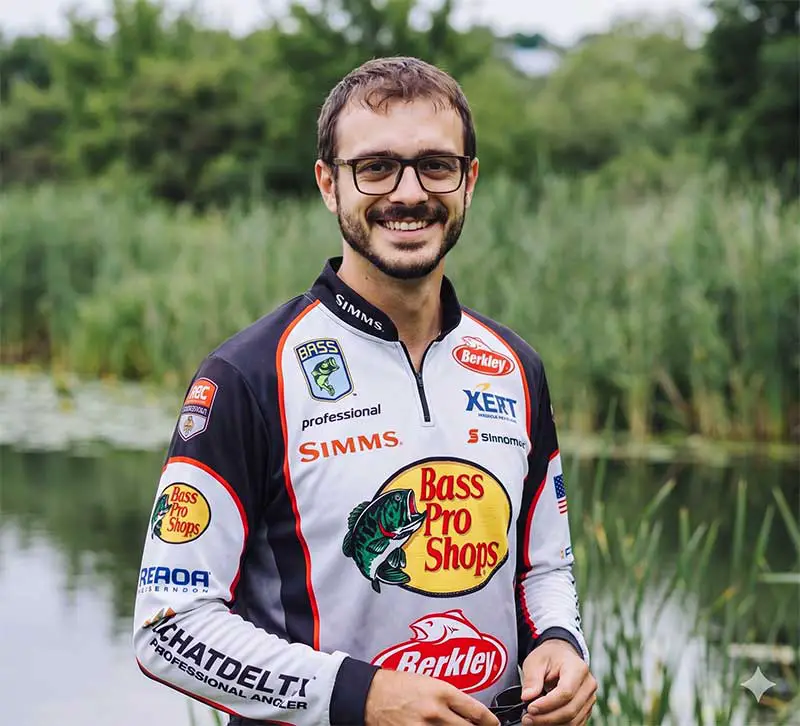
Tony L. Smith is a dedicated fishing expert with over 15 years of hands-on experience in freshwater and saltwater environments. As the founder of FishingStaff, Tony is committed to demystifying fishing gear for beginners and budget-conscious anglers who refuse to compromise on quality. Learn more about Tony & find him on Twitter. Happy reading!