
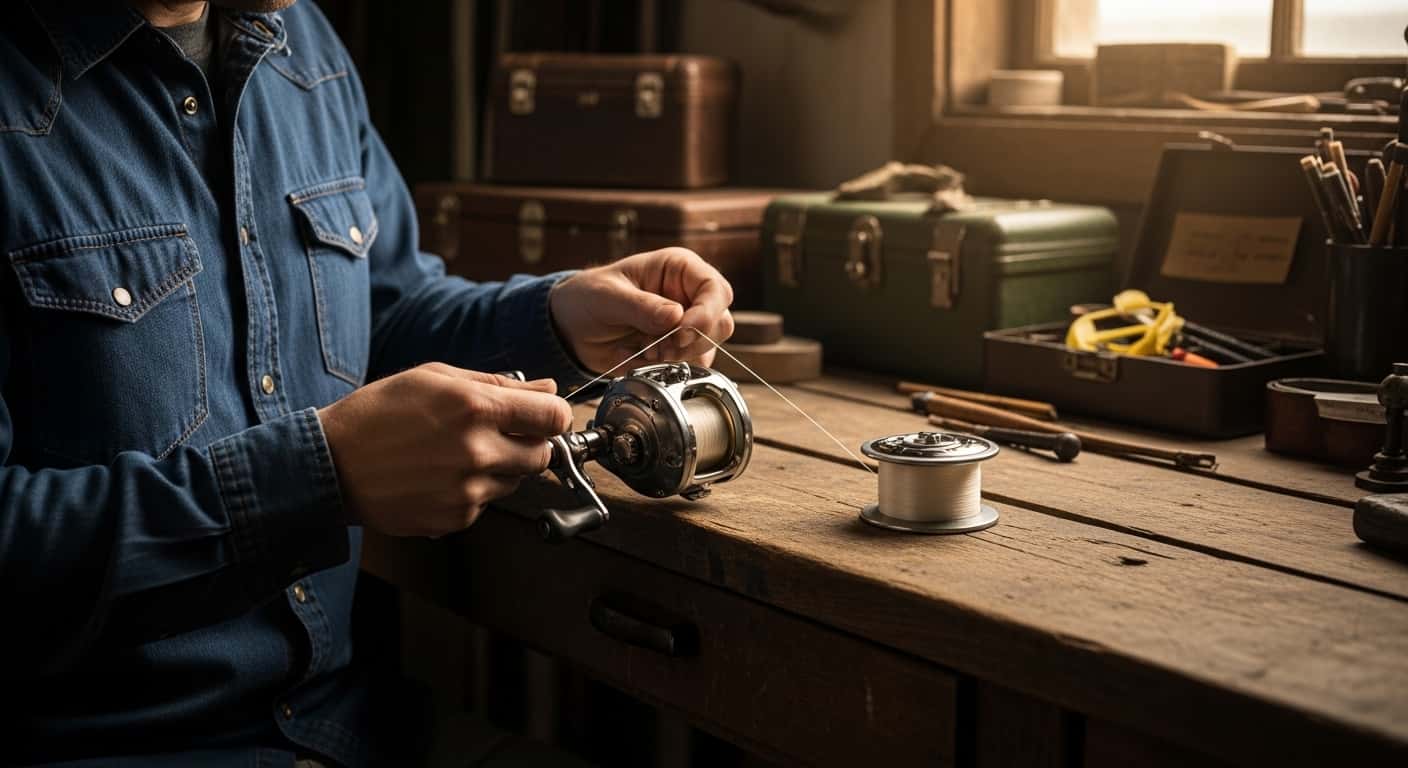
Line twist is one of the most common problems anglers face when spooling a fishing reel. It can make your line tangle, weaken fishing knots, and ruin your casting accuracy. Many beginners notice their line spinning and tangling, but don’t realize the root cause is often line twist during spooling. This small issue can waste your fishing time and even lead to lost fish. Understanding how line twist happens—and how to prevent it—can help you fish smarter, save money, and enjoy your time on the water.
Line twist usually occurs when the fishing line is wound onto the reel incorrectly. The twist builds up, then shows as knots, loops, or tangles when you cast or retrieve. It affects all types of fishing line, but some (like fluorocarbon) are more prone due to memory. Whether you’re spooling a spinning reel or baitcasting reel, correct technique is essential. Let’s explore how to spool a reel without line twist and keep your fishing hassle-free.
How To Spool A Spinning Reel Without Twist
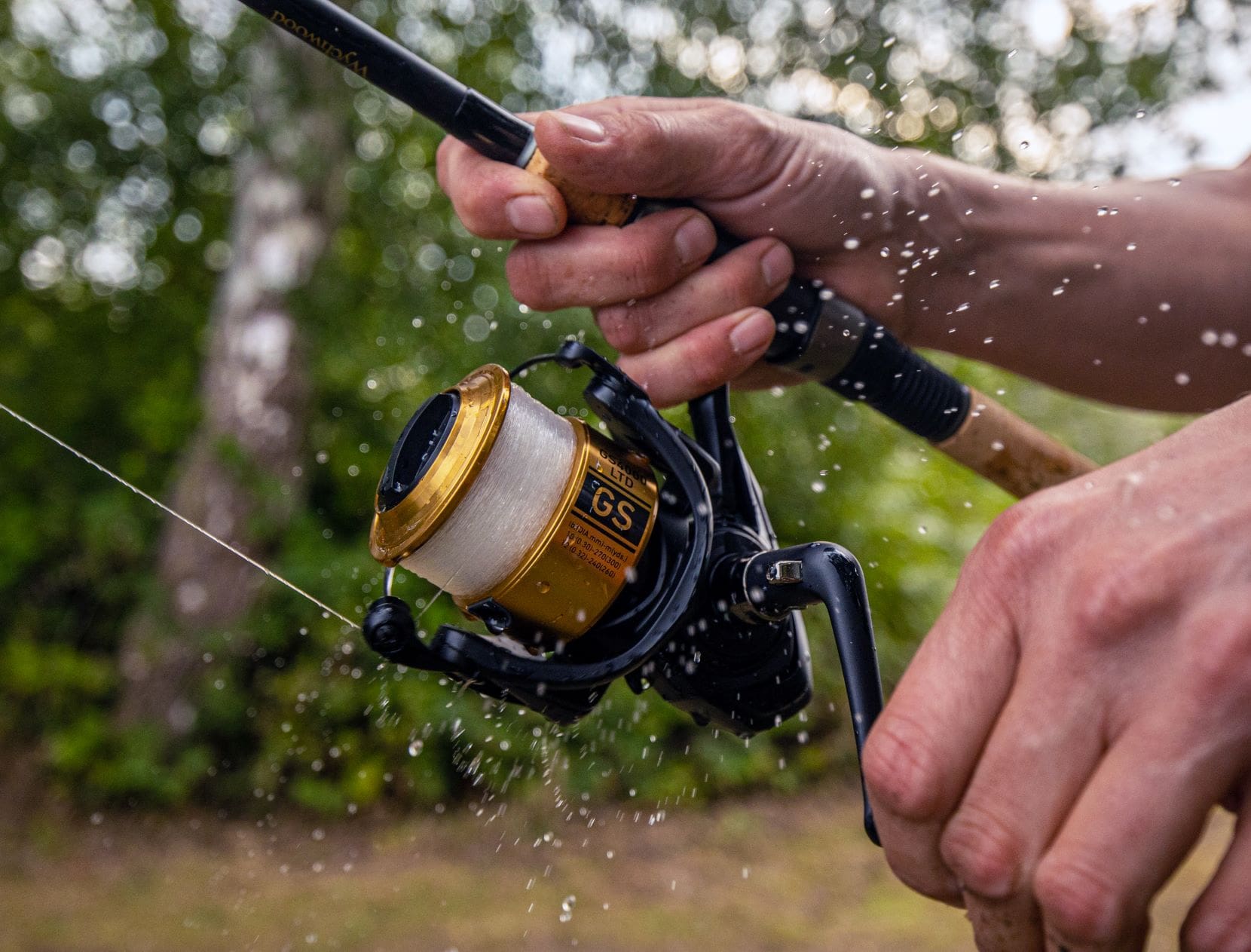
Spooling a spinning reel is simple, but small mistakes can create big problems. The most important factors are spool orientation, bail direction, and keeping tension on the line. Here’s how to spool a spinning reel correctly to prevent line twist.
Step-by-step Instructions
- Lay out the new line: Place the spool of fishing line flat on the floor with the label facing up. For most brands, the line should come off the spool in the same direction it will go onto your reel.
- Open the bail: Flip open the bail arm of your spinning reel.
- Tie the line: Attach the line to the spool using an arbor knot or a simple overhand knot.
- Check spool orientation: Hold the reel above the spool. Turn the reel handle and watch how the line comes off the supply spool. The line should come off in the same direction the bail rotates (usually counterclockwise for spinning reels). If the line loops or twists, flip the supply spool over and check again.
- Apply tension: Hold the line between your fingers (or use a damp cloth) to keep it taut as you wind. This reduces slack and prevents loops.
- Wind slowly: Turn the reel handle slowly and watch for any twist or loops forming. Stop after about 20 turns and check the line for twist.
- Fill spool: Continue winding until the reel spool is nearly full. Leave about 1/8 inch from the rim to avoid overfilling.
Non-obvious tip: Always check the direction of the line coming off the spool. Even with the same brand, some spools are wound differently. Never assume.
The Pencil Method Explained
The pencil method is a classic way to spool a spinning reel and minimize twist. Here’s how it works:
- Place a pencil or dowel through the hole in the supply spool.
- Have someone hold the pencil so the spool can spin freely.
- As you wind, the supply spool rotates, letting the line come off naturally.
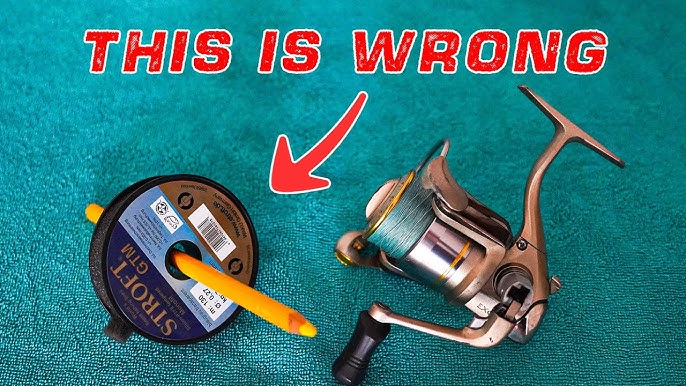
This method works best for baitcasting reels, but for spinning reels, it can actually cause more twist if the supply spool spins the wrong way. For spinning reels, laying the spool flat is safer.
Non-obvious tip: Use the pencil method only when you’re sure the supply spool rotates in sync with the reel’s bail direction.
Checking Spool Orientation
Correct spool orientation is crucial. If the line comes off the supply spool in the opposite direction to your reel’s bail, twist happens. Here’s a quick way to check:
- Place the supply spool flat.
- Look at your reel and see which way the bail turns as you crank.
- Ensure the line comes off the supply spool in the same direction.
- If it doesn’t, flip the supply spool over.
If you’re unsure, wind 10–20 feet of line onto the reel, then let it hang loose. If it coils or spins, there’s twist—flip the supply spool and try again.
| Reel Type | Spool Position | Bail Direction | Line Comes Off |
|---|---|---|---|
| Spinning Reel | Flat on Floor | Counterclockwise | Counterclockwise |
| Baitcasting Reel | Pencil Through Spool | Clockwise | Clockwise |
How To Spool A Baitcasting Reel Without Twist
Baitcasting reels are less prone to twist, but incorrect spooling can still cause problems—especially with fluorocarbon lines that have more memory. The goal is to keep the line straight and under tension as you wind.
Step-by-step Instructions
- Insert pencil/dowel: Place a pencil through the supply spool hole so the spool can spin freely.
- Mount reel: Secure your baitcasting reel on a rod for better control.
- Tie line: Attach the line to the reel spool using an arbor knot.
- Apply tension: Hold the line between your fingers or use a damp cloth to keep it tight.
- Wind slowly: Start turning the handle, letting the supply spool rotate. The line should come off smoothly, following the spool’s natural direction.
- Fill spool: Leave about 1/8 inch space from the rim to prevent overfilling.
Practical tip: Watch for any loops or kinks as you wind. If you see them, stop and rewind that section.
| Line Type | Recommended Spooling Method | Twist Risk |
|---|---|---|
| Monofilament | Pencil Method | Low |
| Fluorocarbon | Pencil Method + Tension | Medium |
| Braided | Pencil Method | Low |
Credit: www.anglingdirect.co.uk
How To Fix Line Twist That’s Already Happened
If you notice line twist after spooling, you don’t have to start over. There are easy ways to remove it and restore smooth line flow.
- Remove the twisted line: Pull out 50–100 feet of line from your reel.
- Let it hang: Tie the end to a stationary object and let the line hang loose. The twist will unwind itself.
- Walk it out: Walk your line across a grassy area or dock, letting it stretch out. Reel it back in slowly, keeping tension.
- Use water: Drop the line in water (lake, pond, or bathtub) and reel it in slowly. Water helps release twist.
- Counter-twist: If needed, manually twist the line in the opposite direction as you wind it back.
Data point: Studies show letting line soak in water for 5–10 minutes before reeling in reduces twist by over 60%.
Common Line Twist Mistakes
Many anglers make errors that lead to twist, even after careful spooling. Avoid these common mistakes:
- Wrong spool orientation: Not matching the supply spool direction with the reel’s bail.
- Overfilling the reel: Too much line creates loops and tangles.
- No tension: Loose line during spooling leads to slack and twist.
- Using the pencil method for spinning reels: This can cause extra twist if the spool spins against the bail direction.
- Skipping checks: Not testing for twist after 20–30 turns.
- Mixing old and new line: Different line types can twist against each other.
- High memory lines: Fluorocarbon has more memory and needs careful handling.
- Ignoring line type: Each line (mono, fluoro, braid) spools differently.
| Mistake | Twist Risk | How to Prevent |
|---|---|---|
| Wrong Direction | High | Match bail and spool |
| No Tension | Medium | Hold line tight |
| Overfilling | High | Leave 1/8 inch |
| Pencil Method (spinning) | High | Use flat spool |
Credit: www.saltstrong.com
Does Fluorocarbon Twist More Than Mono?
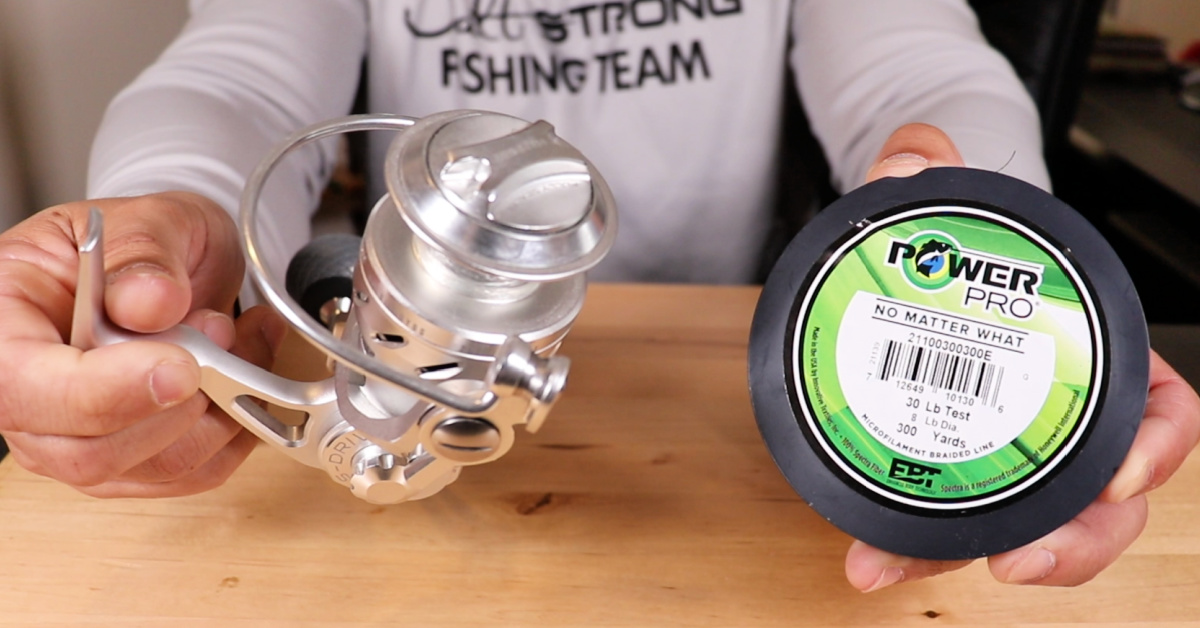
Fluorocarbon memory is higher than monofilament, making it more likely to twist. When you spool fluorocarbon, it wants to return to its coiled shape. This “memory” creates loops and tangles if not handled correctly.
- Monofilament: Softer, less memory, easier to spool without twist.
- Fluorocarbon: Stiffer, more memory, needs careful tension and orientation.
- Braided line: Almost no memory, rarely twists.
Practical tip: Always pre-soak fluorocarbon in warm water for a few minutes before spooling. This relaxes the memory and reduces twist risk.
A study from the American Sportfishing Association found that fluorocarbon lines show up to 40% more twist than monofilament after improper spooling. For more details on fishing line properties, visit Wikipedia.
Frequently Asked Questions
How Do I Know If My Line Is Twisted?
If your line forms loops, knots, or spins as soon as it hits the water, it’s twisted. Hanging the line loose will show coils—this is a clear sign of twist.
Is The Pencil Method Good For Spinning Reels?
The pencil method works best for baitcasting reels. For spinning reels, laying the supply spool flat and matching the bail direction is safer and prevents line twist.
What Is Spool Orientation And Why Is It Important?
Spool orientation means matching the direction the line comes off the supply spool to the bail’s rotation. If they don’t match, twist happens—always check before you start winding.
How Much Line Should I Put On My Reel?
Fill the reel spool until there’s about 1/8 inch left at the rim. Overfilling causes loops and tangles, while underfilling limits casting distance.
Can Line Twist Affect Casting Distance?
Yes, twisted line increases friction and can cause knots during casting, reducing both distance and accuracy. Smooth, untwisted line casts farther and retrieves better.
Spooling your fishing reel the right way is one of the simplest ways to improve your fishing experience. By understanding how to spool spinning reel correctly, checking spool orientation, and applying the right tension, you can spool fishing reel without twist. Avoiding common mistakes and knowing how to fix twist if it happens will keep your line smooth and your fishing fun. Whether you use mono, braid, or fluorocarbon, these steps help you prevent line twist fishing and enjoy every cast.
Credit: www.youtube.com

Tony L. Smith is a dedicated fishing expert with over 15 years of hands-on experience in freshwater and saltwater environments. As the founder of FishingStaff, Tony is committed to demystifying fishing gear for beginners and budget-conscious anglers who refuse to compromise on quality. Learn more about Tony & find him on Twitter. Happy reading!