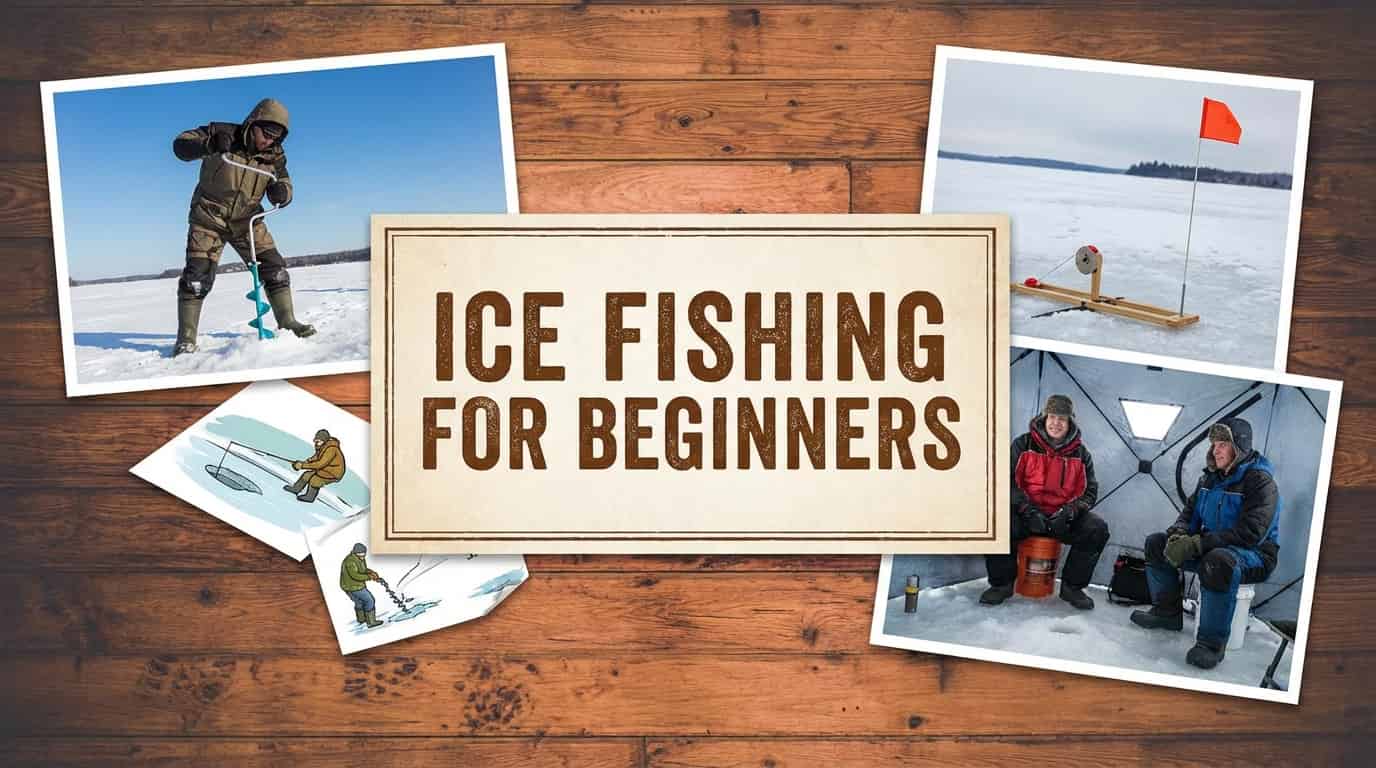
Ice fishing might look extreme at first glance—standing on a frozen lake, surrounded by snow, facing the cold wind. But this winter sport offers more than just fishing. It’s a peaceful escape, a chance to connect with nature when most people stay indoors.
The excitement of pulling a fish through the ice is hard to match. Many people find ice fishing surprisingly relaxing, and it’s a great way to spend time with family or friends. If you’re looking for a new winter adventure, ice fishing is worth a try, even if you’ve never fished before.
Is Ice Fishing Safe? (ice Thickness Rules)
Safety is the top concern for anyone new to ice fishing. The most important factor is the thickness of the ice. Ice might look solid, but appearances can be misleading. Knowing the minimum safe thickness helps prevent accidents. Here are simple guidelines:
| Ice Thickness | Safe For |
|---|---|
| 2 inches or less | Stay off (not safe for any activity) |
| 4 inches | Walking, ice fishing on foot |
| 5-7 inches | Snowmobiles, ATVs |
| 8-12 inches | Small cars, light trucks |
| 12-15+ inches | Medium trucks |
Always check local ice reports and never go on ice alone, especially as a beginner. Early in the season and near moving water, ice may be much thinner. Clear blue ice is usually strongest, while white or slushy ice is weaker. Carry an ice spud to check the ice as you walk.
Two insights beginners often miss:
- Ice thickness can change quickly, even on the same lake.
- Snow can hide cracks or thin spots, so always test before stepping forward.
Essential Ice Fishing Gear For Beginners
Having the right gear makes your first trip fun and safe. You don’t need to buy everything at once, but some equipment is essential.
Rods And Reels
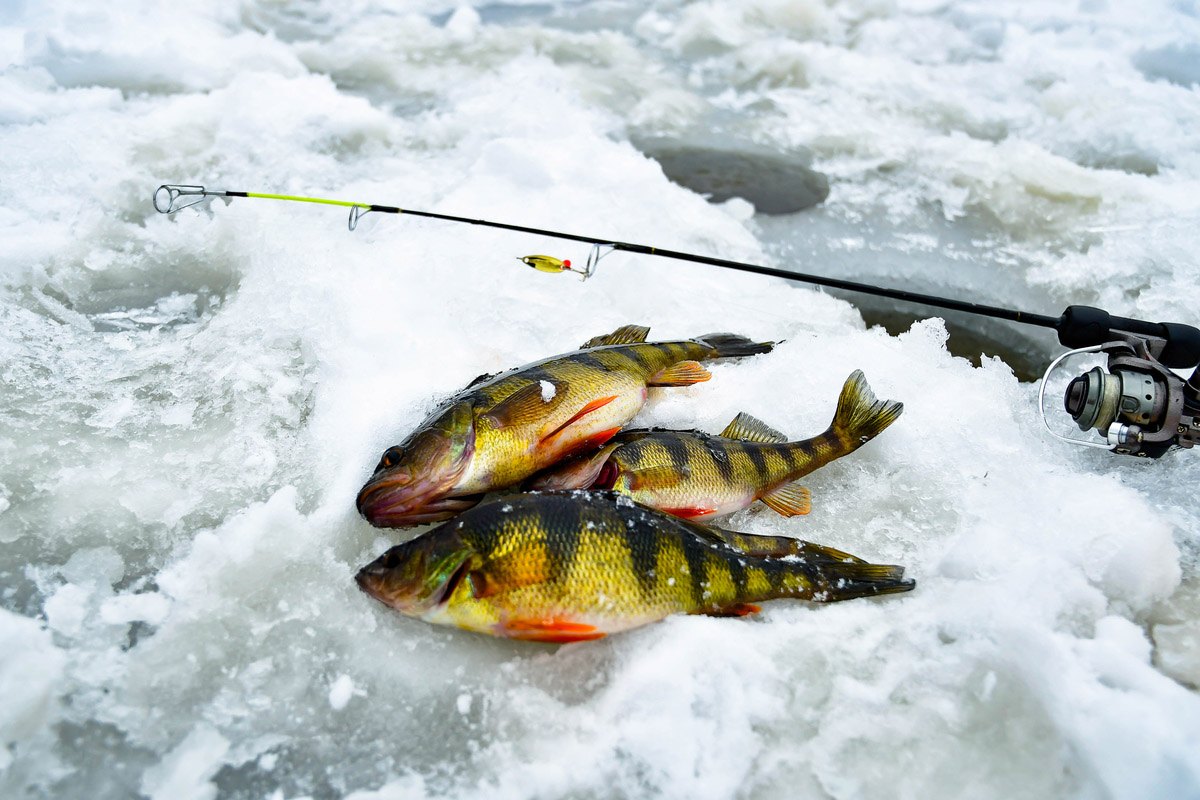
Ice fishing rods are shorter than regular fishing rods—usually 24-36 inches. This makes them easier to use in small shelters and close to the hole. Pair your rod with a spinning reel for most fish species. Look for a rod rated for light to medium action. Beginners should avoid stiff rods, as they make it harder to feel bites.
Ice Augers
An ice auger drills holes in the ice. Manual augers are simple and affordable, but require arm strength—good for up to 8 inches of ice. Gas or battery-powered augers are faster and easier but cost more. Choose a 6-8 inch blade for most panfish and trout. Larger holes are only needed for big fish like pike.
Shelters And Clothing
Staying warm is key. A portable ice shelter (sometimes called a shanty or hut) blocks wind and traps heat. Many beginners start with a simple tent-style shelter. For clothing, wear many layers: moisture-wicking base, warm middle layers, and a waterproof outer layer. Don’t forget insulated boots, gloves, and a hat. Sitting on the ice for hours can get cold fast.
Here’s a quick comparison of ice fishing shelters:
| Type | Pros | Cons |
|---|---|---|
| Pop-up | Easy to set up, lightweight | Less durable, limited space |
| Flip-over | Warm, fast to move | Heavier, more expensive |
| Cabin | Roomy, good for groups | Harder to transport |
Credit: norrik.com
How To Find Fish Under The Ice
Finding fish is the biggest challenge in ice fishing. Unlike summer, you can’t see where fish are feeding. Most fish move slower in cold water and gather in specific spots.
Start by researching your lake—ask local anglers or check online reports. Look for underwater structures like drop-offs, weed beds, or sunken trees. These areas attract fish because they offer food and shelter.
Drill several holes in a line, spacing them 10-20 feet apart. Drop your bait in each hole for 10-15 minutes. If you don’t get bites, move to the next hole. Fish often bite best early in the morning or just before sunset.
A fish finder or portable sonar can help, but is not required for beginners. Even a simple weighted line can show you the depth. Try different depths until you find where fish are biting.
Many beginners don’t realize:
- Fish often stay near the bottom in winter, but not always. Sometimes they suspend mid-water.
- Small changes in location—just a few feet—can make a big difference.
Basic Ice Fishing Techniques (jigging Vs Tip-ups)
There are two main ways to catch fish under the ice: jigging and tip-ups. Each method has its own strengths.
Jigging means moving your bait up and down with a short rod. Drop your bait to the bottom, then lift and lower the rod gently. This motion attracts fish. Jigging keeps you active and lets you feel every bite. It’s best for perch, crappie, trout, and other panfish. Try different jigs and small spoons—bright colors often work well.
Tip-ups are devices that hold your bait in the water and signal when a fish bites. When the fish pulls the line, a flag “tips up.” You can set several tip-ups at once (check local rules), each with live bait like minnows or worms. Tip-ups are excellent for pike, walleye, and lake trout. They let you relax, chat, or cook while waiting for a flag.
Most beginners start with jigging because it’s hands-on and easy to learn. As you get more comfortable, add tip-ups to cover more water and try for bigger fish.
Credit: northernontario.travel
Best Fish To Target As A Beginner
Some fish are much easier to catch through the ice than others. Here are the top choices for new ice anglers:
- Panfish (bluegill, crappie, perch): These small fish are common in most lakes and bite eagerly. They are active all winter, so you’re likely to catch something.
- Trout: Stocked lakes often have rainbow or brook trout. They bite well in cold water and fight hard.
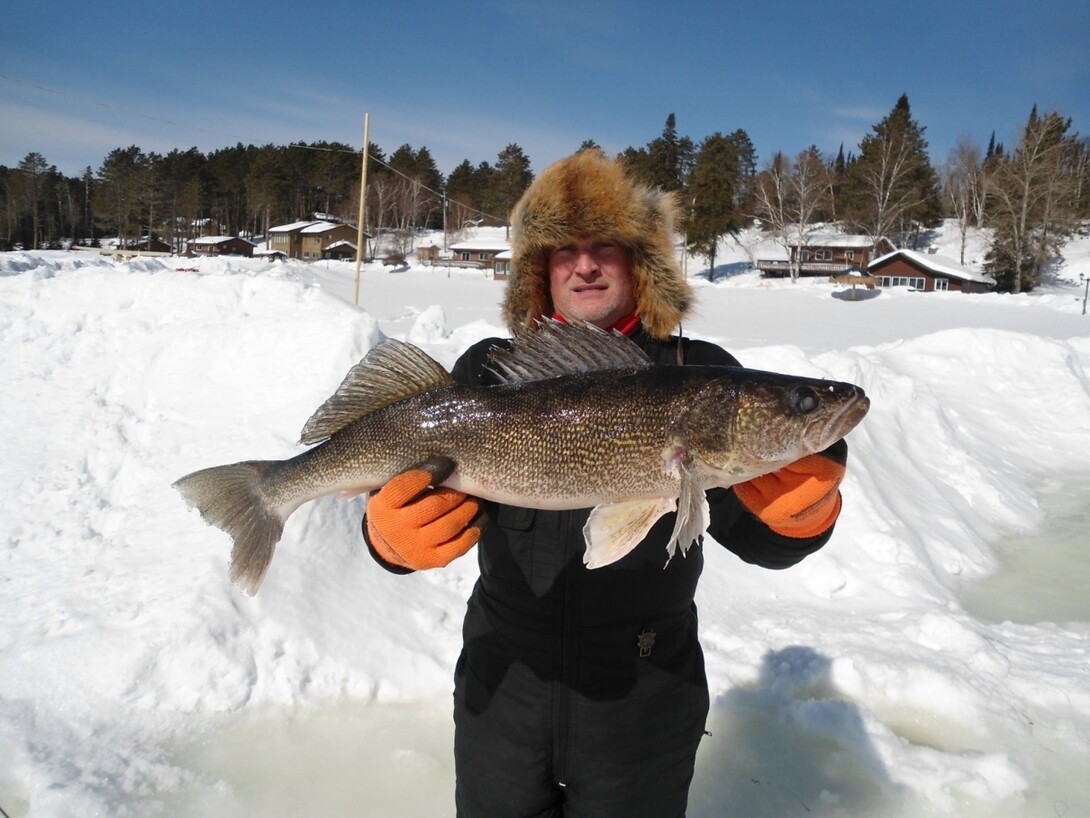
- Walleye: Popular in the northern US, walleye are good eating and often found near drop-offs.
- Northern Pike: These aggressive fish go after large baits, making for exciting action, especially on tip-ups.
For your first trips, focus on panfish. They are forgiving of mistakes and require only simple gear. As you gain experience, try for bigger species.
Top Beginner Ice Fishing Spots In The Us
The United States has many lakes perfect for ice fishing. Here are some of the best locations for beginners, known for safe access, good fish populations, and helpful local communities:
- Lake of the Woods, Minnesota: Famous for walleye and sauger. Many guides and rental shelters are available.
- Devils Lake, North Dakota: Great for perch, walleye, and pike. Very popular with beginners.
- Lake Winnipesaukee, New Hampshire: A classic ice fishing lake with lots of perch and trout.
- Houghton Lake, Michigan: Michigan’s largest inland lake, full of bluegill and crappie.
- Cascade Lake, Idaho: Known for jumbo perch and easy access.
- Lake Champlain, Vermont/New York: Offers perch, walleye, and northern pike. Many public areas for beginners.
- Glacial Lakes, South Dakota: Many small lakes packed with perch and walleye, great for new anglers.
- Lake Gogebic, Michigan: Excellent for perch and walleye. Local outfitters can help beginners.
Always check local ice conditions before visiting. Many of these lakes have bait shops, guides, and rental equipment to make your first trip easier.
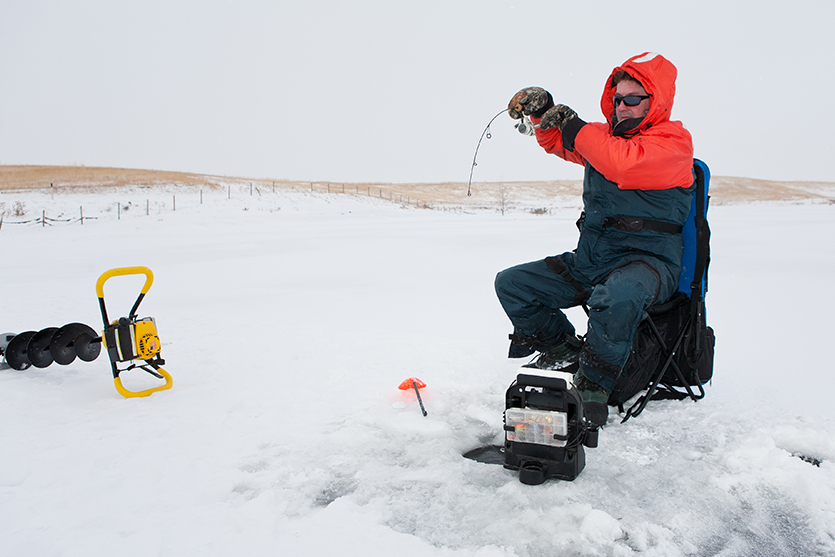
Credit: www.dickssportinggoods.com
Ice Fishing Safety Tips
Staying safe on the ice is more than just checking ice thickness. Here are essential tips to remember every time you go out:
- Go with a buddy: Never fish alone, especially as a beginner.
- Carry ice picks: Wear these around your neck; they help you pull yourself out if you fall in.
- Bring a rope: Useful for rescuing someone safely from the edge.
- Wear a life vest: Many ice anglers skip this, but it adds extra safety, especially on early or late ice.
- Check the ice often: Use a spud bar to test as you walk, especially near unknown spots.
- Stay away from cracks and moving water: Rivers, inlets, and outlets often have weaker ice.
- Bring a charged phone: Keep it in a waterproof bag.
- Let someone know where you’re going: Tell a friend or family member your plans and expected return time.
- Watch for changing weather: Warm days and rain can weaken ice quickly.
One overlooked tip: Always have a change of dry clothes and a blanket in your vehicle. If you get wet, hypothermia can set in fast.
Ice Fishing Faqs
What Is The Best Time Of Day To Ice Fish?
Early morning and late afternoon are usually the best. Fish are more active during these times. Some species bite well just before sunrise or sunset.
Do I Need A Fishing License For Ice Fishing?
Yes. In most states, you need a fishing license, just like in summer. Check your state’s regulations before you go.
How Do I Keep My Hole From Freezing Over?
Use a hole cover or scoop out slush regularly. Some anglers add a little cooking oil to the water, but check local rules first.
Can I Eat The Fish I Catch Through The Ice?
Absolutely. Ice-caught fish are usually safe to eat and often taste better because the cold water keeps them fresh. Always check for local consumption advisories.
What Should I Do If I Fall Through The Ice?
Don’t panic. Turn toward the direction you came from. Use your ice picks to pull yourself onto the ice, then roll away from the hole to spread your weight. Get to a warm place and change clothes as soon as possible.
Ice fishing opens up a whole new world of winter fun. It’s peaceful, rewarding, and a great way to enjoy the outdoors—even in freezing weather. With the right gear, some safety know-how, and a little patience, anyone can get started. If you want to learn more about the best rods, shelters, or augers for beginners, check out detailed guides on trusted sources or visit the Ice Shanty community. Stay safe, stay curious, and enjoy your time on the ice!
Tony L. Smith is a dedicated fishing expert with over 15 years of hands-on experience in freshwater and saltwater environments. As the founder of FishingStaff, Tony is committed to demystifying fishing gear for beginners and budget-conscious anglers who refuse to compromise on quality. Learn more about Tony & find him on Twitter. Happy reading!