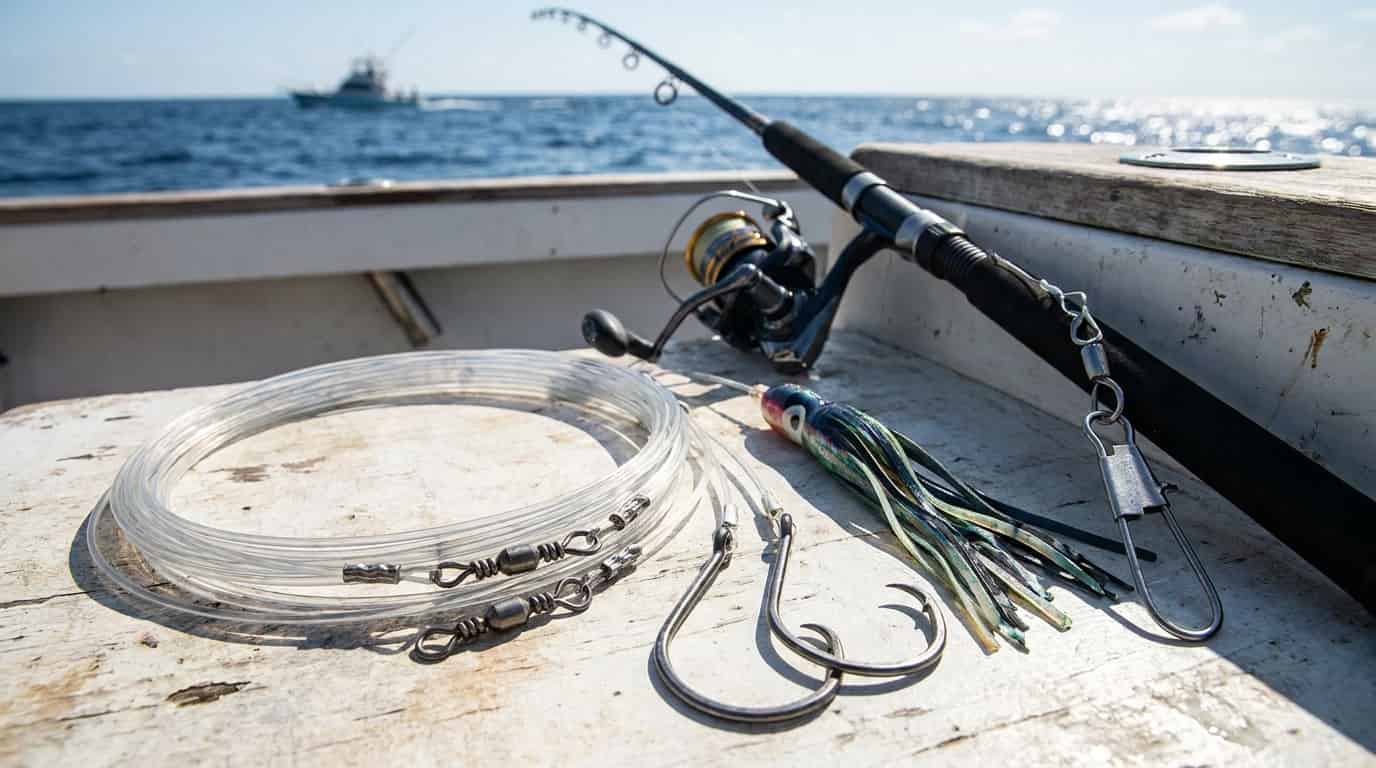
Rigging for offshore fishing is more than just tying a hook to a line. If you want to catch big fish in deep water, your offshore fishing rigs must be strong, reliable, and matched to your target species. Good rigging helps your bait move naturally, prevents break-offs, and saves time when the action heats up. Poor setups lead to lost fish, tangled lines, and wasted effort. Many beginners focus only on the boat or the rods, but the real difference is often in the details of your offshore fishing leader setup. With the right rigs, you can target tuna, mahi, snapper, and more, even in tough conditions. Let’s dive into how to set up offshore fishing gear for maximum success.
Essential Rigging Components
Choosing the right parts is the foundation of rigging for deep sea fishing. Each piece must work together to create a strong, functional rig.
Leaders (fluorocarbon Vs Wire)
The leader connects your main line to the hook. It’s the first thing fish see, and it must resist bites and abrasion.
- Fluorocarbon leader: Nearly invisible underwater, stiff, and highly resistant to abrasion. Best for wary fish like tuna or mahi-mahi.
- Wire leader: Used for toothy fish such as king mackerel or wahoo. It’s strong and bite-proof but more visible.
Here’s a comparison:
| Leader Type | Best Use | Pros | Cons |
|---|---|---|---|
| Fluorocarbon | Wary fish, clear water | Invisible, abrasion-resistant | Costly, can kink |
| Wire | Toothy fish | Bite-proof, strong | Visible, less flexible |
Many anglers miss that leader diameter matters. Too thick scares fish; too thin snaps under pressure. Match your leader to the fish and the conditions.
Hooks (size And Style)
Hooks come in many shapes. The right one depends on your bait and target species.
- Circle hooks: Good for live bait, reduce deep hooking.
- J-hooks: Classic shape, ideal for dead bait or trolling.
- Double hook rig: Used for big baits or targeting large predators.
Hook size should fit your bait, not just your fish. For example, a #7/0 circle hook is perfect for big live baits, while a #3/0 J-hook works for small cut bait.
Swivels And Crimps
Swivels prevent line twist, especially when trolling or fishing with spinning baits. Barrel swivels are common; ball-bearing swivels are best for heavy rigs.
Crimps are small metal sleeves used to secure wire or heavy mono leaders. They are stronger than knots for big fish. Always use a crimping tool for a proper seal.
Choosing quality swivels and crimps is key. Cheap ones break easily. Many beginners underestimate the importance of these parts, but a failed crimp can cost you a trophy catch.
Rig 1 — Basic Trolling Rig
Trolling is a popular offshore technique for tuna, mahi, and wahoo. The basic trolling rig is simple but effective.
Parts:
- 6-foot 80 lb fluorocarbon leader
- Ball-bearing swivel
- 7/0 J-hook or circle hook
- Crimp or knot to connect leader
Steps:
- Tie or crimp the hook to the leader.
- Attach the swivel to the leader’s other end.
- Connect the swivel to your main line.
- Add bait (ballyhoo, squid, or artificial lure).
This rig lets the bait swim naturally and resists abrasion. For more action, add a small weight or skirt ahead of the bait. A common mistake is using a leader that’s too short, which exposes your main line to damage.
Credit: galvestonseaventures.com
Rig 2 — Rigged Ballyhoo For Trolling
Ballyhoo is the top bait for offshore trolling, especially for mahi-mahi and sailfish. Rigging it right takes practice.
Parts:
- 6-foot 60–80 lb fluorocarbon leader
- 7/0 J-hook or double hook rig
- Small barrel swivel
- Crimp or knot
Steps:
- Insert the hook into the ballyhoo’s mouth, exiting just below the gills.
- Secure the hook with a short piece of copper wire or a rubber band, keeping the bait straight.
- Attach the leader to the swivel.
- Add a small skirt over the bait for color and protection.
Many beginners use dead ballyhoo without rigging, which spins and scares fish. A properly rigged ballyhoo swims straight and attracts more strikes.
Rig 3 — Live Bait Rig (bridle Rig)
Live bait works best for big predators like tuna, kingfish, and amberjack. The bridle rig keeps the bait alive and swimming.
Parts:
- 5-foot 60–100 lb fluorocarbon leader
- 7/0 circle hook
- Small barrel swivel
- Rubber band or tiny wire for the bridle
Steps:
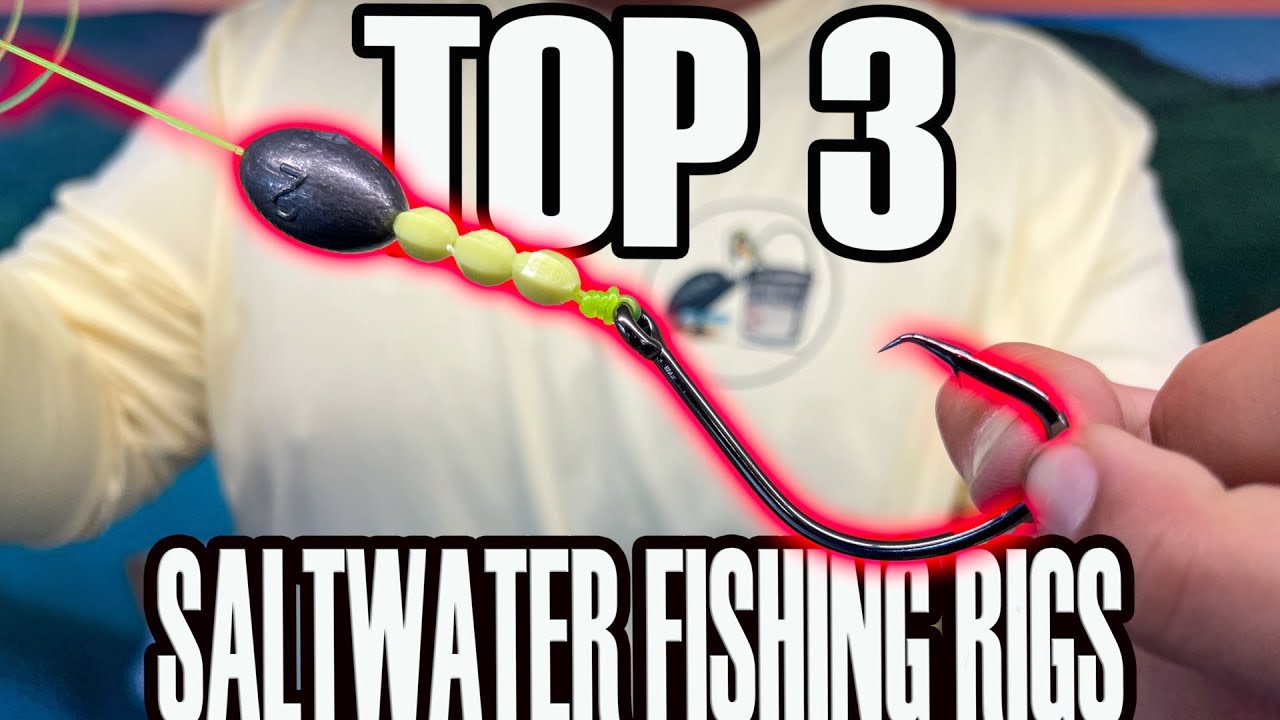
- Tie the leader to the hook (use a knot for mono, crimp for wire).
- Make a small hole in the bait’s nose.
- Pass the rubber band or wire through, then attach the hook.
- Connect the leader to the swivel.
The hook sits outside the bait, letting it swim freely. Avoid hooking through the eyes or back—this kills the bait quickly. Many anglers miss that bridled bait stays alive longer, improving your chances.
Credit: www.youtube.com
Rig 4 — Knocker Rig For Bottom Fishing
The knocker rig is a favorite for snapper, grouper, and other bottom fish. It’s simple and effective.
Parts:
- 4-foot 60–80 lb fluorocarbon leader
- 6/0 circle hook
- Egg sinker (1–8 oz)
- Barrel swivel
Steps:
- Slide the egg sinker onto the leader.
- Tie the hook to the leader’s end.
- Attach the leader to the swivel and main line.
The sinker sits right above the hook, letting the bait drop straight to the bottom. This rig is great for reefs and structure. One insight: use a lighter leader for snapper, but a heavier one for grouper.
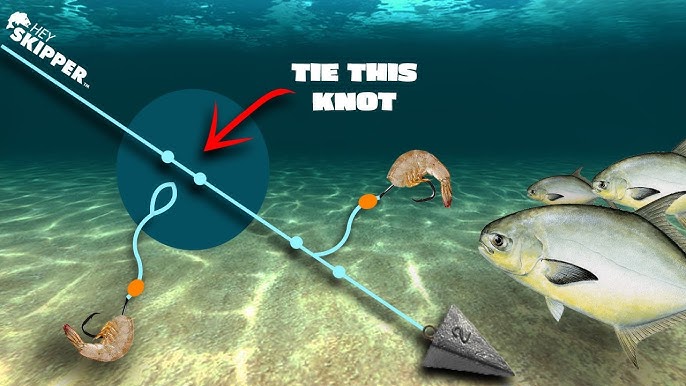
Rig 5 — Wind-on Leader Setup
A wind-on leader is ideal for fighting big fish and makes leader changes easy. It’s popular for tuna and marlin.
Parts:
- 20–30 feet 100–300 lb wind-on leader (usually fluorocarbon)
- Ball-bearing swivel
- Loop-to-loop connection to main line
- 7/0–10/0 circle hook or J-hook
Steps:
- Attach the wind-on leader to your main line with a loop-to-loop connection.
- Tie or crimp the hook to the leader’s end.
- Add a swivel between main line and leader if needed.
Wind-on leaders let you reel the leader through the guides, which helps land big fish. Beginners often skip this setup, but it saves time and prevents lost fish.
Credit: www.youtube.com
Crimping Vs Knotting Leaders
Choosing between crimping and knotting matters, especially for big fish. Each method has pros and cons.
| Method | Strength | Best Use | Tools Needed |
|---|---|---|---|
| Crimping | Very high | Heavy mono, wire | Crimping tool, sleeves |
| Knotting | Good | Light mono, fluorocarbon | None |
Crimps are best for leaders over 80 lb or wire. Knots work well for lighter lines. Always test your connection—weak knots or bad crimps lead to failure. Many anglers don’t check crimps with a pull test, which is a common mistake.
Leader Length Guide By Species
Leader length affects bait action and fish detection. Here’s a quick guide for popular offshore species:
| Species | Recommended Leader Length | Leader Type |
|---|---|---|
| Tuna | 6–12 feet | Fluorocarbon |
| Mahi-mahi | 4–8 feet | Fluorocarbon |
| Kingfish | 3–4 feet | Wire |
| Snapper | 3–6 feet | Fluorocarbon |
| Marlin | 20–30 feet (wind-on) | Fluorocarbon |
Longer leaders are needed in clear water or for shy fish. For toothy predators, use wire and keep it short. Avoid using one leader length for all species—a common beginner mistake.
Frequently Asked Questions
What Is The Best Rig For Offshore Trolling?
The basic trolling rig with a fluorocarbon leader and a J-hook is perfect for tuna, mahi-mahi, and wahoo. It keeps your bait swimming naturally and resists abrasion. For sailfish or marlin, use a rigged ballyhoo or wind-on leader for extra strength.
How Do I Choose Leader Material For Deep Sea Fishing?
Use fluorocarbon leader for clear water and wary fish. It is nearly invisible and abrasion-resistant. For fish with sharp teeth, like wahoo or kingfish, use wire leader. Always match the leader strength to your main line and target species.
What Is The Advantage Of A Wind-on Leader Setup?
A wind-on leader lets you reel the leader through the rod guides, making it easier to land big fish. It also allows for quick leader changes and reduces tangles. This setup is popular for tuna, marlin, and other large game fish.
How Do I Rig Live Bait For Offshore Fishing?
A bridle rig keeps live bait healthy and swimming naturally. Pass a rubber band or wire through the bait’s nose and attach the hook. Avoid hooking through the eyes or back, as this kills the bait. Bridled bait increases your chances of catching big predators.
Should I Use Crimps Or Knots For Leader Connections?
Use crimps for heavy mono or wire leaders (over 80 lb) and knots for lighter lines. Crimps offer higher strength but require special tools. Always test your connection before fishing. Poor crimps or knots can result in lost fish.
Rigging for offshore fishing is all about careful setup and matching your gear to your target fish. Each detail, from leader material to hook style, can impact your results. Many anglers overlook the importance of proper rigging, focusing only on bait or boat. But strong, well-designed rigs are the foundation for landing trophy fish. Take the time to learn each rig, test your connections, and adjust your leader length for the species you want to catch. With these tips, you’ll be ready to set up offshore fishing gear like a pro. For more advanced rigging guides and offshore fishing tips, visit Salt Water Sportsman.
Tony L. Smith is a dedicated fishing expert with over 15 years of hands-on experience in freshwater and saltwater environments. As the founder of FishingStaff, Tony is committed to demystifying fishing gear for beginners and budget-conscious anglers who refuse to compromise on quality. Learn more about Tony & find him on Twitter. Happy reading!