
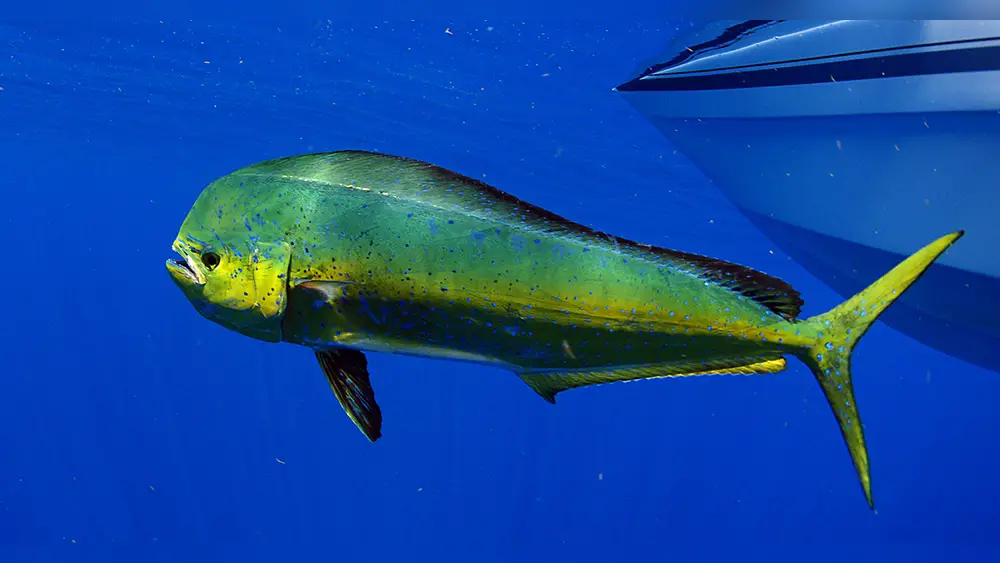
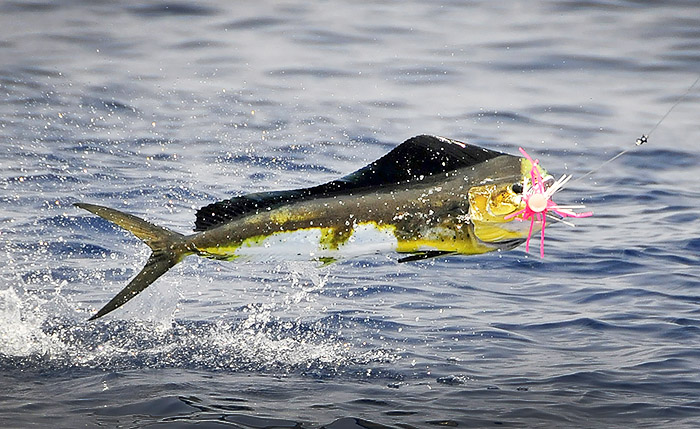
Mahi mahi—also known as dolphinfish or dorado—are among the most exciting fish for offshore anglers. Their brilliant colors, acrobatic jumps, and aggressive strikes make them a favorite target. But it’s not just their beauty or fight that attracts fishermen. Mahi mahi grow fast, taste great, and often travel in large schools, giving you a chance for multiple catches in one trip. Whether you’re a new angler or experienced, chasing mahi mahi offshore is a thrilling adventure that rewards skill, patience, and a sharp eye for ocean signs.
Where To Find Mahi Mahi Offshore
Locating mahi mahi is the first step to a successful trip. These fish prefer warm, clear waters and often stay near the surface. They’re known for gathering around floating objects and ocean features that concentrate bait.
Weed Lines And Floating Debris
Mahi mahi love weed lines—long stretches of sargassum seaweed floating on the surface. These lines attract small fish, shrimp, and crabs, which mahi mahi feed on. Floating debris, such as logs or buoys, also acts as a magnet. Spotting these features from a distance is crucial, as they often hold both bait and predators.
It’s common to see mahi mahi darting in and out of the weeds or circling debris. Experienced captains know to approach quietly and keep a sharp lookout for flashes of blue, green, or yellow beneath the surface. Anglers often report that the largest fish hang just under the biggest mats or objects.
Temperature Breaks
Mahi mahi are sensitive to temperature breaks—areas where warm and cool water meet. These spots concentrate baitfish and create a feeding zone. A sudden change in water temperature can be detected with a good fishfinder or by feeling the water.
Look for temperature differences of about one to two degrees Fahrenheit. Mahi mahi often patrol the warm side, especially if bait is present. These breaks are most common along the Gulf Stream or other offshore currents, and are excellent places to troll or drift.
Colour Changes
Another key sign is a color change in the water, where blue meets green or brown. This visual line indicates differences in depth, clarity, or temperature. Mahi mahi tend to gather on the clearer, bluer side, which offers better visibility for hunting.
If you spot a sharp color boundary near weed lines or debris, focus your efforts there. The transition zone offers both cover and food, and mahi mahi use it as an ambush point.
Best Time Of Year For Mahi Mahi
Mahi mahi are most active in warm months, typically from late spring to early fall. In the U.S., peak seasons are:
- Florida: April to September
- Gulf of Mexico: May to August
- Caribbean: Year-round, with peaks in summer
- East Coast (Carolinas to New Jersey): June to September
During these months, water temperatures reach 75–85°F, perfect for mahi mahi. Migratory patterns follow warm currents, so timing your trip to coincide with the movement of bait and optimal temperatures increases your chances.
It’s possible to catch mahi mahi outside these times, but numbers drop and fish may be smaller. Weather also matters—calm, sunny days make it easier to spot fish and floating debris.
Credit: www.mgfishing.com
Best Tackle For Mahi Mahi
Choosing the right gear is essential for catching mahi mahi offshore. Their speed and power demand strong yet flexible equipment.
Rod, Reel And Line
For most offshore mahi mahi fishing, a 7-foot medium-heavy spinning or conventional rod matched with a high-speed reel works well. Reels should hold at least 300 yards of 20–30 lb monofilament or braided line.
Braided line offers more sensitivity and less stretch, but some anglers prefer mono for its shock absorption during jumps.
Here’s a comparison of typical tackle options:
| Rod Type | Reel Type | Line | Best For |
|---|---|---|---|
| Spinning | High-speed | 20-30 lb braid | Sight casting, small lures |
| Conventional | Level-wind | 30 lb mono | Trolling, heavy lures |
| Boat rod | Lever drag | 40 lb mono | Large mahi, big schools |
A quality rod and reel reduce fatigue and improve your chances of landing big fish.
Best Lures For Mahi Mahi
Mahi mahi respond to a range of lures, but some work better than others. The most effective options include:
- Skirted lures: Brands like Ilander and Sea Witch are popular. These mimic squid and flying fish, mahi favorites.
- Feather jigs: Bright colors like blue, pink, and chartreuse attract attention.
- Plugs and poppers: Used for sight casting near weed lines.
Lure size depends on the average fish in your area—4–8 inch lures are standard. Add a strip of ballyhoo or squid for extra scent and appeal.
Here’s a quick comparison of top lures:
| Lure Type | Best Color | Action | Target Size |
|---|---|---|---|
| Skirted (Ilander) | Blue/White | Fast, erratic | All mahi mahi |
| Feather Jig | Pink/Chartreuse | Fluttering | Schoolies |
| Plug | Silver | Surface popping | Large bulls |
Many anglers switch lures until they find what the mahi mahi want on a given day.
Live Bait Options
Live bait is highly effective for mahi mahi. The top choices are:
- Pilchards
- Threadfin herring
- Small blue runners
- Finger mullet
- Squid
Hook live bait through the nose or back and let it swim naturally. Mahi mahi often strike quickly, so be ready. For bigger fish, use larger baits.
Some boats keep a livewell full of bait to toss into the water and stir up feeding activity.
Trolling Techniques For Mahi Mahi
Mahi mahi trolling is one of the most productive methods offshore. It covers water and triggers fish to chase moving targets.
- Set lines with a mix of skirted lures, feather jigs, and ballyhoo rigs.
- Troll along weed lines, debris, and color changes.
- Adjust speed: 7–9 knots is ideal. Too slow and lures lose action; too fast and you miss strikes.
- Run lures at different distances behind the boat—some close, some farther back.
Most strikes come when lures pass close to weed lines or debris. If you see fish, slow down and let them chase. When one mahi mahi bites, keep trolling for more; the action can attract others in the school.
Here’s a quick tip: On calm days, use lighter lures and faster speeds. In rough water, heavier lures and slightly slower speeds give better control.
Many anglers use teasers—large, hookless lures—to draw mahi mahi closer to the boat before presenting baited hooks.

Credit: captainspreferredproducts.com
Sight Casting Mahi Mahi At Weed Lines
Sight casting is a thrilling way to catch mahi mahi. It requires sharp eyes and quick action.
- Approach weed lines slowly and scan for flashes of color or movement.
- Have a spinning rod ready with a small jig or live bait.
- Cast directly in front of visible fish, not on top. Let the lure sink briefly, then twitch it to mimic a fleeing baitfish.
Mahi mahi are curious and often chase lures or bait before striking. If you miss a hook-up, try again—schools may stay near the boat.
Sight casting is effective when fish are feeding near the surface or hunting along weed lines. It allows you to target specific fish and adjust presentation based on their size and behavior.
A practical tip: Wear polarized sunglasses. They cut glare and help you spot mahi mahi under the weeds or debris.
How To Keep A School Of Mahi Mahi At The Boat
When you catch one mahi mahi, there are often more nearby. Keeping the school at the boat can lead to multiple catches.
- Leave the first fish in the water: After hooking a mahi mahi, don’t bring it aboard immediately. Keeping it on the line and in the water excites other fish and holds the school close.
- Toss live bait or chunks: Throw pieces of bait or chum into the water. This triggers feeding and keeps mahi mahi circling.
- Use multiple rods: Have extra rods ready with bait or lures. As soon as the school arrives, cast quickly to hook more fish.
- Stay quiet and avoid sudden movements: Loud noises or sudden actions can scare the school away.
- Change lures if fish lose interest: If mahi mahi seem cautious, switch to a brighter lure or add fresh bait.
A non-obvious insight: Sometimes, mahi mahi will follow hooked fish right to the boat. Use this opportunity to sight cast or drop live bait directly beside the hooked fish.
Many crews also use buckets of water to splash the surface, imitating feeding activity and keeping the school engaged.

Credit: fishingbooker.com
Cleaning And Eating Mahi Mahi
Mahi mahi are not only fun to catch—they’re excellent to eat. Their flesh is firm, mild, and cooks well in many ways.
- Bleed the fish immediately: After landing, cut the gills and let blood drain. This improves flavor and shelf life.
- Keep fish cool: Store in ice or a cooler. Warm temperatures spoil mahi mahi quickly.
- Fillet carefully: Use a sharp, flexible fillet knife. Start behind the head and work along the backbone. Remove skin and dark meat for the best taste.
Here’s a comparison of common cooking methods:
| Cooking Method | Prep Time | Flavor | Best For |
|---|---|---|---|
| Grilling | 10 min | Smoky, rich | Steaks, fillets |
| Pan-searing | 8 min | Light, crisp | Small fillets |
| Broiling | 12 min | Bold, caramelized | Thick fillets |
| Raw (ceviche) | 2 hr (marinate) | Fresh, tangy | Fresh catch |
Mahi mahi can be used for tacos, sandwiches, and sushi. For best results, cook within 24 hours of catching.
A practical tip: Avoid freezing unless necessary. Fresh mahi mahi tastes much better than frozen.
Frequently Asked Questions
What Is The Ideal Trolling Speed For Mahi Mahi?
The best trolling speed for mahi mahi is 7–9 knots. This keeps skirted lures and ballyhoo rigs moving at a natural pace. Adjust speed slightly based on sea conditions and lure type.
What Are The Best Lures For Mahi Mahi?
Skirted lures like Ilander, feather jigs in bright colors, and plugs are top choices. Add natural bait (ballyhoo or squid) for extra appeal. Switch colors and sizes if fish are not biting.
How Do I Spot Mahi Mahi Offshore?
Look for weed lines, floating debris, and color changes. Polarized sunglasses help you see flashes of blue or yellow under the surface. Pay attention to birds and baitfish activity—mahi mahi often follow them.
Can I Use Live Bait For Mahi Mahi?
Yes, live bait mahi is very effective. Use pilchards, herring, mullet, or squid. Hook bait through the nose or back and let it swim naturally. Live bait works well for sight casting and keeping schools at the boat.
What Should I Do After Catching Mahi Mahi?
Bleed the fish, keep it cool, and fillet as soon as possible. Eat fresh for best flavor. Mahi mahi is safe to eat raw (as ceviche) if handled properly.
Final Thoughts
Catching mahi mahi offshore combines skill, observation, and fast action. These fish respond to both trolling and sight casting, and knowing where to find them—weed lines, debris, color changes—makes all the difference. Choose the right tackle, use the best lures, and learn to keep schools at the boat for maximum success.
Clean and cook your catch soon after landing, and enjoy one of the ocean’s most prized table fish.
Remember, mahi mahi fishing is not just about luck. It’s about reading the ocean, understanding fish behavior, and reacting quickly. Try new techniques, stay prepared, and always respect the sea. For more detailed tips and scientific info, visit Wikipedia.
With these mahi mahi fishing tips, your next offshore trip can be both fun and rewarding—whether you’re chasing a trophy bull or filling the cooler with schoolies.

Tony L. Smith is a dedicated fishing expert with over 15 years of hands-on experience in freshwater and saltwater environments. As the founder of FishingStaff, Tony is committed to demystifying fishing gear for beginners and budget-conscious anglers who refuse to compromise on quality. Learn more about Tony & find him on Twitter. Happy reading!