What No One Tells You When You’re Starting Out
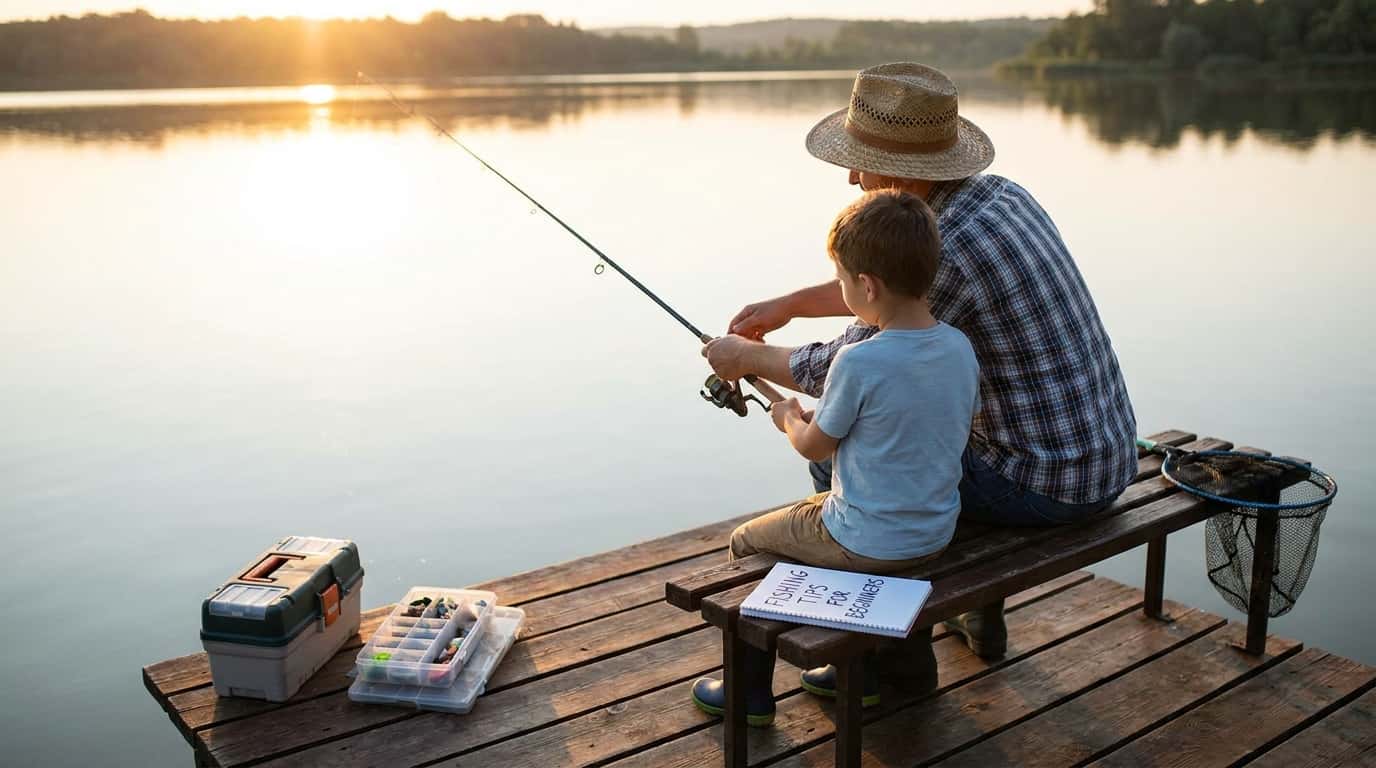
Fishing seems simple: put a hook in the water and wait. But ask any seasoned angler, and you’ll learn it’s far more than that. For beginners, fishing can feel confusing. There are hundreds of rods, reels, baits, and advice everywhere. One thing most people won’t tell you is that confidence and patience matter as much as technique. The first few trips may be slow. You might catch nothing. That’s normal. Every expert was a beginner once—making mistakes, learning slowly, and discovering what works.
This guide is packed with beginner fishing advice. It covers gear, location, bait, technique, mindset, safety, and the single best tip you can use. You’ll find practical steps, clear examples, and a few ideas most new anglers miss. If you’re ready to improve fishing beginner skills, read on.
Gear Tips
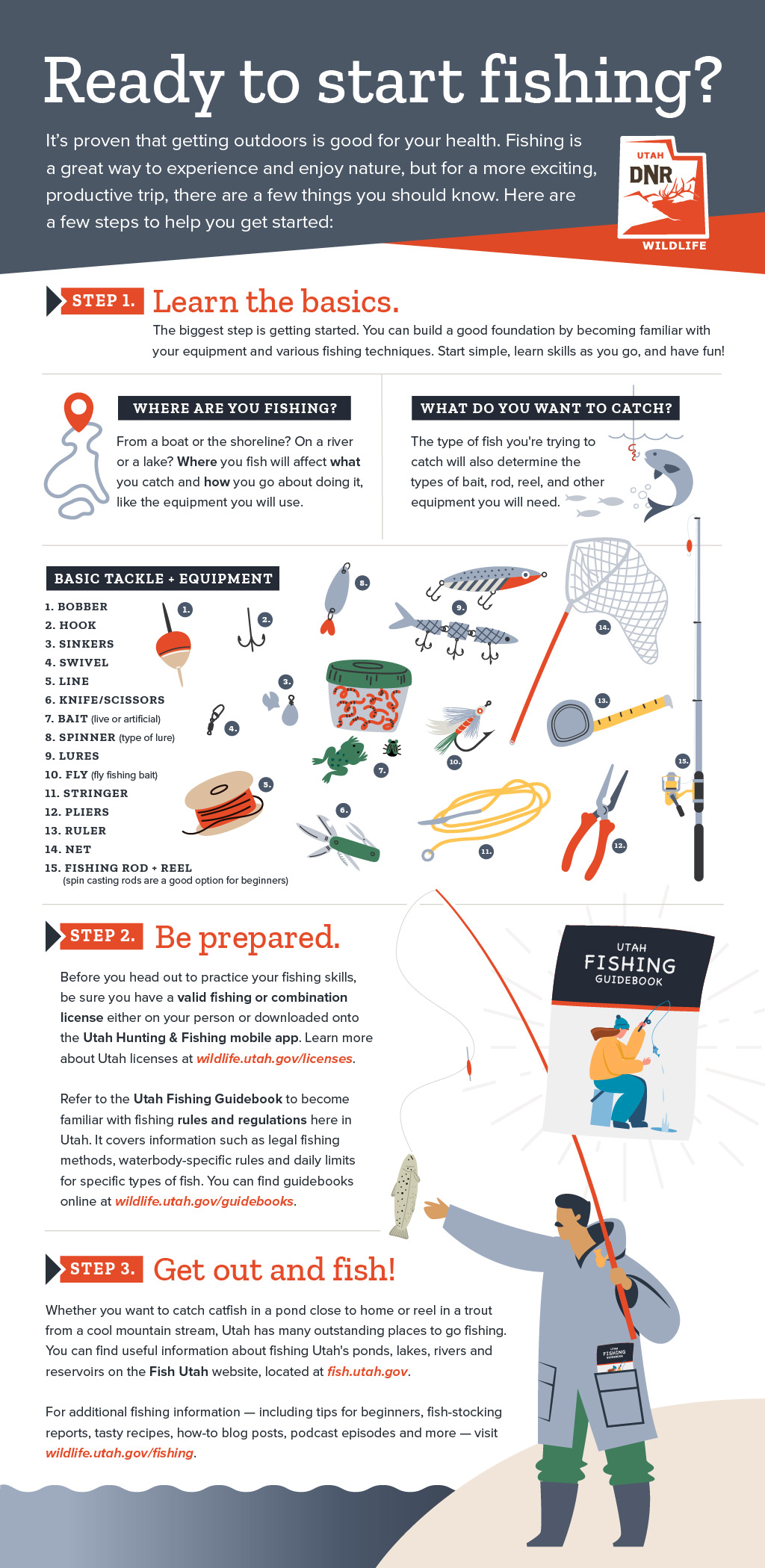
Getting the right gear can make fishing easier and more fun. You don’t need expensive equipment to start. In fact, simpler tools often help beginners learn faster.
Picking A Rod And Reel
For most new anglers, a spinning rod and reel is best. They’re easy to use and good for many types of fishing. Here’s a quick comparison of rod types:
| Rod Type | Best For | Difficulty | Price Range |
|---|---|---|---|
| Spinning | Lakes, rivers | Easy | $20–$60 |
| Baitcasting | Bass, big fish | Medium | $40–$100 |
| Fly | Trout, streams | Hard | $50–$200 |
Tip: Choose a rod about 6–7 feet long. This length is easy to control and works well for most situations.
Line Selection
Monofilament line is a good choice for beginners. It’s forgiving, stretches a bit, and is easy to tie knots with. Start with 6–10 pound test line. This covers most small to medium fish.
Non-obvious insight: Heavier line seems safer, but it can scare fish and reduce your casting distance. Always match your line weight to the fish you’re after.
Hooks, Bobbers, And Sinkers
Buy a pack of hooks in sizes 6–10. These work for bluegill, trout, and bass. Simple bobbers help you see bites, and split shot sinkers keep your bait down.
Tackle Box Basics
Keep your tackle box simple:
- Small assortment of hooks
- Bobbers
- Sinkers
- Needle-nose pliers (for removing hooks)
- Nail clippers (for cutting line)
- Extra line
Beginner mistake: Buying too many lures. Start with just a few until you learn what works in your waters.
Clothing And Accessories
Wear weather-appropriate clothes. A hat and sunglasses help you see into the water and protect your eyes. Insect repellent and sunscreen are musts.
Location Tips — Finding Fish
Where you fish matters as much as how you fish. Many new anglers go to random spots and hope for the best. Instead, look for places where fish actually live.
Reading The Water
Fish prefer certain spots in lakes and rivers. Learn to read the water:
- Fish near structure: Logs, rocks, weed beds, docks.
- Seek shade: Fish often hide under trees or docks to stay cool.
- Look for moving water: In rivers, fish stay in slower water near fast currents.
Early Morning Fishing
Fish bite best during early morning and late evening. The water is cooler, fish are active, and fewer people are around. Midday sun can make fish hide.
Local Knowledge
Ask local anglers or bait shop owners about good spots. They often know where fish are biting and what bait works.
Non-obvious insight: Fish are not evenly spread out. Spend more time exploring than fishing at first. Once you find fish, focus your efforts there.
Public Vs Private Water
Some lakes require a fishing license. Check local rules before you go. Public parks often have easy access and helpful signs.
| Water Type | Access | Fish Species | Rules |
|---|---|---|---|
| Public Lake | Open, easy | Bass, bluegill, catfish | License needed |
| Private Pond | Permission needed | Stocked trout, bass | Owner rules |
| River | Access varies | Trout, carp, catfish | License needed |
Credit: woksandkoi.ng
Bait And Lure Tips
Choosing the right bait or lure is key. Fish respond differently depending on water conditions, season, and their mood.
Live Bait
Worms are classic. Fish love them, and they’re easy to use. Minnows and crickets work well for larger fish. Keep bait alive and fresh.
Non-obvious insight: Don’t use too big a piece of bait. Smaller chunks often catch more fish because they fit in fish mouths easily.
Artificial Lures
Lures come in many shapes. For beginners, stick to simple ones:
- Spinnerbaits: Good for bass and panfish.
- Soft plastics: Worm shapes catch many species.
- Spoons: Shiny, easy to cast, attract fish by flashing.
Match The Hatch
Insects and small fish found in your fishing area are called the hatch. Using bait or lures that look like these helps. If you see lots of bugs on the water, use a lure that mimics them.
Scent And Color
Fish use smell and sight to find food. In muddy water, use bright colors (chartreuse, orange). In clear water, use natural colors (brown, green).
Beginner mistake: Buying fancy lures without checking if they match local prey. Always ask or observe before choosing.
Keeping Bait Secure
Make sure your bait is firmly attached to the hook. If it falls off, you won’t catch anything. Practice threading worms or tying lures at home before fishing.
Technique Tips
How you fish matters as much as where or what you fish with. Most beginner fishing advice skips over these simple, powerful techniques.
Casting Basics
Practice casting in your yard before you go. Aim for smooth, controlled motions. Don’t try to cast too far—accuracy matters more than distance.
Keep Line Taut
When fishing, keep your line taut. Slack line means you may miss bites. If you feel a tug, gently pull to set the hook.
Watch Your Bobber
If using a bobber, watch it closely. A sudden dip or sideways movement means a fish is nibbling. React quickly, but not too hard.
Fish Near Structure
Fish love hiding near structure. Cast your bait close to logs, rocks, or weed beds. These spots often produce more bites.
Fish In Shade
On sunny days, fish move to shaded areas to stay cool. Try casting under trees, docks, or overhanging banks.
Retrieve Slowly
Most beginners reel in too fast. A slow, steady retrieve gives fish time to bite. Vary your speed and try pausing to see what works.
Set The Hook
When you feel a bite, pull back gently but firmly. Too hard, and you’ll break the line. Too soft, and the fish escapes.
Non-obvious insight: Many beginners miss bites because they’re distracted. Focus on your line and bobber; avoid looking at your phone.
Adapting To Conditions
If fish aren’t biting, change something: move to another spot, switch bait, try a different lure, or adjust your technique.
| Condition | Adjustment | Example |
|---|---|---|
| Muddy water | Use bright lure | Chartreuse spinnerbait |
| Clear water | Use natural lure | Green soft plastic |
| No bites | Move location | Try near dock |
Mindset And Patience Tips
Fishing is as much about mindset as skill. New anglers often get frustrated when they don’t catch fish quickly.
Be Patient
Fish rarely bite right away. Sometimes you wait an hour or more. Enjoy the process—the sounds, the scenery, the quiet.
Stay Curious
Ask questions, watch others, and read about fishing techniques for beginners. Every trip teaches you something new.
Learn From Mistakes
Missing a fish, tangled lines, or lost lures are common. Don’t get upset. Each mistake improves your skills.
Keep Expectations Real
Even experts catch nothing some days. The goal isn’t always to catch fish—it’s to learn, relax, and enjoy.
Record Your Trips
Write down where you fished, what bait worked, and the weather. Over time, this helps you spot patterns.
Non-obvious insight: Celebrate small wins. Catching any fish is progress. Take photos, share stories, and mark your growth.
Safety And Etiquette Tips
Fishing is fun, but safety and respect matter. New anglers sometimes overlook these.
Safety First
- Always wear a life jacket near deep or fast water.
- Tell someone where you’re going.
- Carry a basic first aid kit.
- Watch for slippery rocks and sharp hooks.
Sun And Weather Protection
- Wear sunscreen and a hat.
- Bring water and snacks.
- Dress in layers if weather changes.
Respect Nature
- Leave no trash. Take all bait containers and line home.
- Don’t disturb wildlife or plants.
Fishing Etiquette
- Give other anglers space—at least 20–30 feet.
- Don’t cast over someone else’s line.
- Share spots if asked, but avoid crowding.
Beginner mistake: Ignoring posted signs or rules. Always check for regulations and follow them.
Handling Fish
- Wet your hands before touching fish to protect their scales.
- Use pliers to remove hooks gently.
- If keeping fish, follow local limits. If releasing, let them go quickly.
License And Rules
Most places require a fishing license. Check local regulations before fishing. Breaking rules can mean fines or losing fishing privileges.

Credit: www.reddit.com
Bonus: The One Tip That Makes The Biggest Difference
If you remember just one thing, fish where the fish are. This sounds simple, but many beginners waste time fishing empty water. Invest time in learning where fish feed, hide, and move. Ask locals, watch water conditions, and notice where others catch fish.
Example: In a lake, fish gather near submerged logs and weed beds. In rivers, look for deep pools behind rocks. If you’re not catching fish, move until you find them.
Non-obvious insight: The best anglers spend 80% of their time finding fish and only 20% fishing. Beginners often do the opposite. Switch your focus—explore, observe, and then fish.
Frequently Asked Questions
What Is The Best Fishing Rod For Beginners?
A spinning rod about 6–7 feet long is ideal. It’s easy to use, affordable, and works for most fish species. Avoid baitcasting or fly rods until you gain experience.
Do I Need A Fishing License?
In most places, yes. Check your state or country’s regulations before fishing. Licenses are affordable and support conservation efforts.
What Is “match The Hatch” In Fishing?
It means using bait or lures that look like the insects or small fish found in your area. Fish are more likely to bite if your bait matches what they naturally eat.
How Do I Know If Fish Are Biting?
Watch your bobber or feel your line. If you see sudden movements or feel a tug, a fish is likely biting. React quickly, but avoid jerking the rod too hard.
What Is The Best Time Of Day To Fish?
Early morning and late evening are best. Fish are more active, and the water is cooler. Avoid midday when sun and heat make fish less likely to bite.
—
Fishing is a lifelong skill. As you gain experience, you’ll discover your own favorite spots, techniques, and stories. Remember, every expert started as a beginner. Take your time, enjoy the journey, and keep learning. For deeper advice and resources, visit Take Me Fishing for trusted beginner fishing tips.
Ready to fish? Grab your gear, find a good spot, and let the adventure begin.
Credit: www.reddit.com
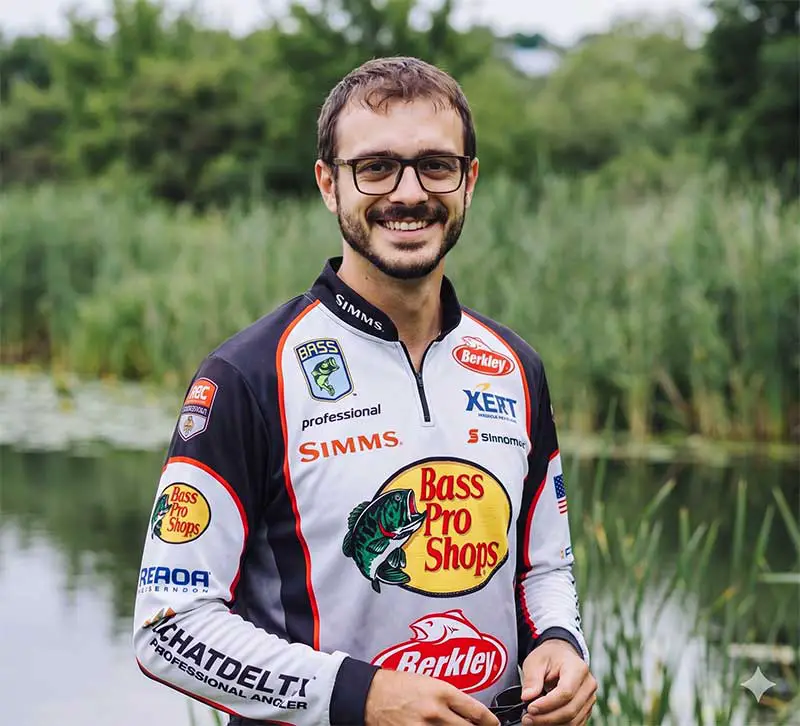
Tony L. Smith is a dedicated fishing expert with over 15 years of hands-on experience in freshwater and saltwater environments. As the founder of FishingStaff, Tony is committed to demystifying fishing gear for beginners and budget-conscious anglers who refuse to compromise on quality. Learn more about Tony & find him on Twitter. Happy reading!