
Fishing For Beginners
Many hobbies offer excitement, but few bring the peaceful reward of fishing. Imagine sitting by a calm lake, feeling the breeze, and waiting for a bite. Fishing is more than catching fish—it’s about connecting with nature, learning patience, and enjoying quiet moments. Whether you’re looking for relaxation, a new challenge, or a way to spend time with family and friends, fishing welcomes everyone. Plus, you don’t need expensive gear or special skills to start. With a little guidance, you’ll discover why fishing is one of the most rewarding hobbies you can begin. Let’s dive into everything you need to know as a beginner.
Fishing is popular for many reasons. Some people fish to escape busy life and find quiet. Others enjoy the thrill of catching a big fish. For some, fishing is a family tradition, passed down from parents or grandparents. You can fish in city parks, mountain streams, or on the ocean.
It’s a hobby that can be as simple or as challenging as you want.
Many beginners worry they need to buy lots of gear or know special tricks. The truth is, you can start fishing with basic equipment and simple methods. If you learn the basics, you’ll have enough skill to catch your first fish and enjoy the experience.
It’s easy to learn, and you can improve your skills every time you go out.
Fishing is also a great way to connect with nature. You’ll see birds, turtles, and insects. Sometimes you’ll hear the splash of a jumping fish or the rustle of leaves in the wind. Many people say fishing helps them relax and feel less stressed.
You don’t need to catch a big fish to enjoy fishing. Sometimes just sitting by water is enough.
If you want to try fishing, this guide will help. You’ll learn about licenses, gear, bait, techniques, and safety. By the end, you’ll be ready for your first fishing trip, and you’ll know how to make it fun and safe.
Do You Need A Fishing License?
Before you grab your rod and head to the water, you must check your local rules. In most parts of the United States, you need a fishing license to fish legally. These rules help protect fish populations and fund conservation efforts.
Fishing licenses are important because they help support wildlife and keep fishing fair. They make sure everyone follows the same rules, and protect fish from being over-caught. Even if you only fish for fun, it’s important to follow the law.
- State requirements: Each state has its own fishing rules. Some states allow children under 16 to fish without a license. Others offer free fishing days.
- Costs: Licenses range from $10 to $50 per year, depending on your state and whether you’re a resident.
- Where to buy: You can usually buy a license at sporting goods stores, online, or at state wildlife websites.
Some states offer special licenses for seniors, veterans, or people with disabilities. These may cost less, or be free. There are also short-term licenses for visitors or tourists. For example, you can buy a one-day or three-day license if you only want to fish on vacation.
Fishing without a license can lead to fines. So, always check the official website for your state, such as the U.S. Fish & Wildlife Service, for detailed information.
Licenses also come with rules. You may be limited on how many fish you can catch, or what size fish you can keep. Sometimes you must follow special rules for certain lakes, rivers, or seasons. Many states post signs at popular fishing spots with the main rules.
If you travel to another state, always check their rules before fishing. The rules may be different from your home state. Some states allow fishing without a license in certain parks or on special “free fishing days. ” These are good for beginners to try fishing without buying a license.
One non-obvious insight: many beginners don’t realize you may need different licenses for freshwater and saltwater fishing. For example, fishing in a lake is usually covered by a freshwater license, but fishing in the ocean may need a saltwater license. Always check what type of license you need based on where you plan to fish.
Another tip: keep your license with you whenever you fish. If a ranger or officer asks, you must show your license. Some states allow digital licenses on your phone, but others require a paper copy.
Essential Fishing Gear For Beginners
Fishing gear can seem overwhelming, but you don’t need everything at once. Start with the basics, and build your collection as you gain experience.
Choosing Your First Rod And Reel
Your rod and reel are the heart of your fishing setup. For beginners, a spinning rod and reel combo is best. It’s easy to use and works for most fish.
- Rod length: 6 to 7 feet is ideal for beginners. Shorter rods are easier to handle.
- Rod action: Medium action rods balance sensitivity and strength.
- Reel type: Spinning reels are simple and reliable.
If you’re shopping for your first rod, look for one labeled “spinning combo. ” These are sold together and are designed to work well for most types of fishing. A spinning rod is strong enough to catch medium fish, but not too heavy for small fish.
The spinning reel is easy to use. You don’t need to worry about complicated settings.
Some rods are made of fiberglass, others are graphite. Fiberglass rods are cheaper and more durable, while graphite rods are lighter and more sensitive. For beginners, either type is fine. If you plan to fish in rough places, like rocky rivers, fiberglass may last longer.
Here’s a quick comparison of beginner-friendly rod and reel types:
| Type | Ease of Use | Ideal For | Price Range |
|---|---|---|---|
| Spinning Combo | Very Easy | All beginners | $30–$60 |
| Baitcasting Combo | Moderate | Experienced anglers | $40–$100 |
| Spincast Combo | Easy | Kids and casual | $20–$40 |
Baitcasting rods are more advanced. They allow you to cast farther and with more power, but are harder to control. Spincast reels are the simplest; they have a button to release the line. These are good for kids or those who want very easy setup, but not as versatile as spinning combos.
A practical example: if you want to fish at a pond for bluegill or sunfish, a spinning combo is perfect. If you plan to fish for bigger bass in lakes, spinning combos work well, but you might upgrade later. For saltwater fishing, you’ll need a rod and reel designed for saltwater, which costs more and requires special care.
When shopping, ask the staff at sporting goods stores for advice. They can help you match the rod and reel to your fishing plans. Some stores even offer beginner kits with everything included.
Fishing Line — What To Buy First
The fishing line connects your rod to the hook. For most beginners, monofilament line is a smart choice.
- Strength: Start with 6–10 lb test strength. This means the line can hold 6–10 pounds.
- Length: Buy a spool with at least 100 yards.
- Color: Clear or light green blends well in most waters.
Monofilament is forgiving and easy to tie. Other types like braided line are stronger but harder to handle for beginners.
Many beginners think thicker line is better. But thick line can make casting difficult and scare fish. For most freshwater fishing, 6–10 lb test is enough. If you target bigger fish, like bass or catfish, you might use 12–15 lb test.
For small fish, like bluegill or trout, 4–8 lb test is perfect.
Monofilament is stretchy, which helps absorb shocks when a fish pulls. It’s cheap and easy to find. You can tie knots easily, and it doesn’t tangle as much as other lines.
Braided line is strong and thin, so you can fit more on your reel. But it’s hard to tie knots, and can cut your fingers if you’re not careful. Fluorocarbon line is invisible in water, but costs more. For most beginners, monofilament is best.
Color matters more than many beginners realize. Clear line is good in clear water, while green line is better for ponds with plants. If you fish in muddy water, brown or gray line blends in.
One non-obvious tip: check the line for nicks or fraying before each trip. Damaged line breaks easily. Replace your line every year, or sooner if it looks worn.
Hooks, Sinkers And Bobbers
You need three simple items for most fishing:
- Hooks: Size 6–10 is good for small fish. Smaller hooks catch more fish, but bigger hooks are easier to handle.
- Sinkers: These weights help your bait sink. Start with split shot sinkers—they’re cheap and simple.
- Bobbers: Also called floats, they keep your bait off the bottom and show when a fish bites. Red-and-white plastic bobbers are classic.
Hooks come in different shapes and sizes. For beginners, bait hooks are easiest. They have a sharp point and a small barb to keep bait in place. Circle hooks are good for catch-and-release because they hook fish in the mouth and are easy to remove.
Treble hooks have three points and are used for lures.
Here’s a quick guide to basic hook types:
| Hook Type | Best For | Size Range |
|---|---|---|
| Bait Hook | Live bait | 6–10 |
| Circle Hook | Catch & release | 4–8 |
| Treble Hook | Lures | 8–12 |
Sinkers come in many shapes. Split shot is easy—you pinch it onto the line. Egg sinkers slide on the line and are good for bottom fishing. Bullet sinkers are used with plastic worms. For beginners, split shot is best. It’s easy to add or remove, and you can adjust the weight.
Bobbers help you see when a fish bites. They float on the water and move or sink when a fish pulls the bait. Plastic bobbers are cheap and easy to use. Some bobbers are shaped like eggs or cylinders, but the classic red-and-white is good for most fishing.
A key insight: many beginners use hooks that are too large. Small hooks catch more fish, even big ones. Large hooks are only needed for big bait or very large fish. Another common mistake is using too many sinkers. Start with one, and add more only if your bait isn’t sinking.
Tackle Box Basics
Your tackle box keeps your gear organized. Start small, with only what you need. Here are essentials:
- Extra hooks (various sizes)
- Sinkers (split shot, egg sinkers)
- Bobbers
- Small pliers (for removing hooks)
- Nail clippers (for cutting line)
- Small first aid kit
- Plastic zip bags for wet items
As you fish more, you can add lures, line, and specialty tools.
A tackle box should be easy to carry and waterproof. Many beginners use a simple plastic box with dividers. If you fish from shore, a small box or bag is enough. If you fish from a boat, you may want a larger box.
Pliers are important for removing hooks and bending split shot sinkers. Nail clippers or scissors help cut line. A small first aid kit is helpful for minor cuts or scrapes. Plastic bags keep wet bait or trash separate from your gear.
One practical tip: keep your tackle box neat. Organize hooks, sinkers, and bobbers in separate sections. This makes it faster to find what you need.
As you learn more, you can add items like artificial lures, extra line, or a small flashlight. Don’t buy everything at once. Start simple, and add gear as you gain experience.
Types Of Fishing Bait For Beginners
Bait is what attracts fish. There are two main types: live bait and artificial lures. Each works in different ways.
Live Bait Vs Artificial Lures
Live bait is real and smells natural, making it more attractive to fish. Artificial lures are made from plastic, metal, or rubber, and mimic the look or movement of real prey.
- Live bait: Easier for beginners, catches more fish, but messy and harder to store.
- Artificial lures: Clean, reusable, and good for practicing techniques, but sometimes less effective for beginners.
Here’s a comparison table:
| Bait Type | Pros | Cons |
|---|---|---|
| Live Bait | Natural scent, easy for beginners | Messy, needs care |
| Artificial Lures | Clean, reusable | Needs practice, can be expensive |
Live bait is preferred by many beginners because fish find it easier and more appealing. The smell and movement of worms or minnows can attract fish even if your technique isn’t perfect. Artificial lures require more skill because you need to make them move like real prey.
Artificial lures come in many shapes and colors. Some look like small fish, others like insects. Some lures have shiny metal parts that reflect light. For beginners, simple lures like soft plastic worms or spinnerbaits are good choices. They are easy to use and work well for bass, trout, and panfish.
A non-obvious insight: some waters only allow artificial lures to protect fish. Always check local rules before using live bait. Some lakes or rivers ban live bait to prevent spreading disease.
Best Live Baits To Start With
Certain live baits work better for beginners. Here are the top choices:
- Worms: Nightcrawlers and red wigglers are cheap, easy to find, and catch almost anything.
- Minnows: Small fish that attract bigger fish like bass and crappie.
- Crickets: Excellent for panfish and trout.
- Mealworms: Good for smaller fish and easy to store.
- Corn kernels: Simple and effective for carp and trout.
Tip: Keep live bait cool and moist. Use a small bait bucket or container.
Worms are the most popular bait for beginners. You can buy them at bait shops, or dig them from your garden. Worms work for bluegill, sunfish, trout, bass, and catfish. Cut larger worms into smaller pieces for small hooks.
Minnows are used for bigger fish. You can buy minnows or catch them with a small net. Keep minnows in a bait bucket with water. Hook a minnow through the back or lips, and let it swim naturally.
Crickets are good for panfish and trout. You can buy them at pet stores or bait shops. Crickets are fragile, so handle them gently. Hook them through the body, and fish near the surface or with a bobber.
Mealworms are easy to store. They work for small fish and can be kept in the fridge. Hook mealworms through the head or tail.
Corn kernels are cheap and easy. Use canned corn. Corn works for carp and trout. Put 2–3 kernels on a hook and fish near the bottom.
One practical tip: some states ban certain live baits to protect local fish. Always check local rules before using bait. If you use live bait, don’t release unused bait into the water—it can harm the ecosystem.
Artificial lures can be fun to try. Start with simple soft plastic worms or spinners. Cast and retrieve slowly, and experiment with speed. As you gain confidence, try more advanced lures like crankbaits or jigs.
How To Tie A Fishing Hook
Learning to tie a hook is essential. The improved clinch knot is reliable and easy for beginners.
Follow these steps:
- Thread the line through the eye of the hook.
- Leave about 6 inches of line.
- Twist the line around itself 5–7 times.
- Pass the end of the line through the loop near the hook.
- Pull the end through the big loop.
- Wet the knot and pull tight.
Practice tying knots at home before you go fishing. A well-tied knot prevents losing fish.
If you’re unsure, watch a video online or ask someone at a bait shop to show you. Many beginners struggle with knots because they rush or don’t wet the knot. Wetting the knot with water or saliva makes it slide tight and prevents friction.
Other simple knots for beginners are the Palomar knot and the uni knot. The clinch knot is easiest, but practice both. Use old fishing line or string to practice.
One tip: after tying the knot, pull hard to test it. If the knot slips, untie and try again. A strong knot is better than a quick knot.
Another tip: trim extra line after tying the knot, leaving about 1/4 inch. Too much extra line can tangle.
How To Cast A Fishing Rod
Casting is how you get your bait into the water. For spinning rods, follow these steps:
- Hold the rod with your dominant hand.
- Open the bail (metal arm on the reel).
- Hold the line with your finger.
- Aim toward your target spot.
- Swing the rod tip backward, then forward in a smooth motion.
- Release the line with your finger as the rod moves forward.
Practice in your backyard before fishing. Don’t force the cast—smooth motion gives better distance and accuracy. Watch for trees and people nearby.
A good cast is about timing and practice. If you release the line too early, the bait goes high. If too late, it falls short. Try casting at different angles. Aim for spots near weeds, rocks, or shaded areas—fish often hide there.
One common mistake: beginners forget to close the bail after casting. If the bail stays open, the line won’t reel in. Always close the bail with your hand after casting.
Try short casts first. As you get better, try longer casts. If your bait lands in trees or bushes, don’t pull hard. Walk over and gently untangle the line.
If you use a bobber, watch it float. If you use lures, reel in slowly and try different speeds.
Where To Go Fishing As A Beginner
Finding a good fishing spot is half the fun. As a beginner, look for easy-access areas.
- Local ponds: Calm water, plenty of small fish, safe for kids.
- Community lakes: Often stocked with fish, with clear rules.
- Rivers and streams: Offer variety, but watch for currents.
- Public parks: Many have fishing piers or platforms.
- Fishing piers: Great for saltwater beginners.
Ask at local bait shops or check online maps for fishing spots. Look for areas with clear water and easy parking.
Tip: Avoid crowded spots on weekends. Early mornings or weekdays are quieter.
Local ponds are best for beginners. They are usually safe, have clear banks, and lots of small fish. Many towns have public ponds that are stocked with fish. These are great for kids or families.
Community lakes are larger and often have fishing piers or boat rentals. They may have special rules, like limits on fish size or bait types. Look for lakes with easy parking and bathrooms.
Rivers and streams are fun but can be tricky. Water moves fast, and banks can be slippery. Check for safe access. Fish often hide near rocks or fallen trees. Try fishing at bends or slower parts.
Public parks may have lakes or ponds with fishing areas. Some parks offer fishing lessons or events for beginners. Ask park staff for advice.
Fishing piers are good for saltwater fishing. You don’t need a boat, and piers often have rails and benches. Piers are popular, so try fishing at quiet times.
One tip: use online maps to find fishing spots. Many apps show fish types, access points, and rules. Ask locals at bait shops—they know the best spots.
Another insight: some lakes are stocked with fish at certain times. Check stocking schedules. Stocked lakes are good for beginners because fish bite more often.

Credit: fishingbooker.com
Best Fish To Target As A Beginner
Some fish are easier to catch and handle. Start with species that are common and not too large.
- Bluegill: Small, abundant, bite often.
- Sunfish: Colorful and lively, perfect for beginners.
- Crappie: Found in most lakes, easy to catch.
- Catfish: Hardy, bite on many baits, good for night fishing.
- Trout: Stocked in many lakes, fun for beginners.
- Bass: Larger, but aggressive and exciting.
Bluegill and sunfish are ideal because they live in shallow water and bite throughout the day.
Bluegill are the most common fish for beginners. They bite worms, corn, or small lures. They live in ponds, lakes, and rivers. Bluegill are small but fight hard.
Sunfish are similar to bluegill. They are colorful and easy to catch. Sunfish bite worms, crickets, and mealworms.
Crappie are found in lakes and ponds. They bite minnows and small lures. Crappie are fun to catch and taste good.
Catfish are hardy. They bite at night, and eat many baits. Catfish can be large, so use bigger hooks and stronger line.
Trout are stocked in many lakes. They bite worms, corn, and small lures. Trout are fast and fun. Some lakes have special trout rules—check before fishing.
Bass are larger, but aggressive. Bass bite worms, minnows, and lures. Bass fight hard and jump out of water. Start with small bass before trying for big ones.
A tip: start with fish that live near the shore. You don’t need a boat. Fish near plants, rocks, or docks.
Another insight: learn what fish live in your local waters. Ask at bait shops or check online. Some lakes have special fish like perch or carp.
Basic Fishing Techniques
After you have your gear and bait, it’s time to learn a few techniques. These methods help you catch fish in different conditions.
Bobber Fishing
Bobber fishing is the most beginner-friendly method. The bobber keeps your bait at a set depth and shows when a fish bites.
- Attach a bobber about 1–2 feet above your hook.
- Cast near weeds or shaded areas.
- Watch for the bobber to move or sink—this means a fish is biting.
Bobber fishing works well for bluegill, crappie, and trout.
To set up, slide the bobber onto the line, then tie the hook. Add a sinker if needed. Cast into calm water. Let the bobber float. Watch for small movements. If the bobber moves or sinks, lift the rod gently.
Bobber fishing is simple and relaxing. You don’t need to move the bait much. Just wait and watch.
One tip: adjust the depth of the bobber. If fish aren’t biting, raise or lower the bobber. Fish may swim higher or lower depending on weather and water.
Bottom Fishing
Bottom fishing targets fish close to the lake or river bed. Use a heavier sinker to keep your bait on the bottom.
- Attach an egg sinker above your hook.
- Cast out and let the bait sink.
- Wait for a tug—bottom fish like catfish and carp feed here.
This technique is great for night fishing or deeper water.
To set up, slide an egg sinker on the line, then tie the hook. Cast out and let the sinker pull the bait down. Wait for a bite. Fish like catfish often feed at night.
Bottom fishing is good for muddy or deep water. Try corn, worms, or stink bait for catfish.
One insight: use a rod holder or stick to keep your rod steady while waiting. If you fish at night, use a glow-in-the-dark bobber or bell.
Casting And Retrieving Lures
When using artificial lures, you need to cast and retrieve them to mimic prey.
- Cast your lure out.
- Let it sink a bit.
- Reel in slowly, pausing every few seconds.
- Experiment with speed and motion.
Practice helps you learn what attracts fish. Lure fishing is fun and active, perfect for bass and trout.
Try different speeds. Sometimes fish like slow movement, sometimes fast. If fish aren’t biting, change lures or colors.
One tip: use lures that match local bait fish. Ask at bait shops for best colors.
Another insight: keep the rod tip up when retrieving. This helps you feel bites and avoids snags.
What To Do When You Get A Bite
Getting a bite is exciting. Here’s what to do:
- Watch for the bobber to move, line to tighten, or feel a tug.
- Wait a moment—don’t jerk right away.
- Slowly lift the rod tip to “set the hook.”
- Reel in the fish, keeping the line tight.
- Use a net or wet hand to grab the fish.
Common mistakes: pulling too hard, letting the line go slack, or grabbing fish with dry hands.
Tip: If the fish fights hard, let it tire itself before reeling in.
When you feel a bite, stay calm. Don’t pull the rod quickly. Wait until you feel steady pressure, then lift the rod. If the fish pulls hard, let it run. Reel in slowly.
Use a net if the fish is big. Wet your hands before touching fish. If the hook is deep, use pliers to remove it.
One insight: if the line breaks or the fish escapes, don’t worry. This happens to everyone. Check your knot and try again.
Another tip: practice setting the hook. Too much force can rip the hook out. Gentle lifting works best.
Catch And Release — How To Do It Right
Many anglers release fish to help conserve populations. Doing this right helps fish survive.
- Wet your hands before touching fish.
- Remove the hook gently with pliers.
- If the hook is deep, cut the line and leave the hook.
- Keep the fish in water as much as possible.
- Release the fish headfirst into the water.
Never squeeze or drop fish. Small changes in handling make a big difference in survival.
Catch and release is important for keeping fish populations healthy. If you plan to release fish, handle them gently. Don’t hold fish by the gills or squeeze the body.
Wet hands prevent damaging fish skin. Use pliers to remove hooks. If the hook is stuck, cut the line and leave the hook—it will rust and fall out.
Keep fish in water as much as possible. If you want a photo, hold the fish close to water, and take the picture quickly.
Release fish headfirst. They swim away faster and recover better.
One tip: barbless hooks are easier to remove and safer for fish.
Another insight: learn which fish must be released by law. Some lakes require releasing certain sizes or species.
Credit: www.aftco.com
Fishing Safety Tips
Safety is important for every angler, especially beginners.
- Wear a life jacket: If fishing from a boat or pier, always wear one.
- Stay aware: Watch for slippery rocks, deep water, and sharp hooks.
- Protect your skin: Use sunscreen and wear hats or sunglasses.
- Bring water: Stay hydrated, especially on hot days.
- Use bug spray: Mosquitoes and ticks can be common near water.
Tip: Let someone know where you’re going, especially in remote areas.
Fishing is usually safe, but accidents can happen. Always wear a life jacket if fishing from a boat or near deep water. Rocks and banks can be slippery. Move slowly and watch your step.
Hooks are sharp. Keep them away from kids and pets. If you get hooked, remove it carefully or seek help.
Sunburn is common. Wear sunscreen, a hat, and sunglasses. Bring water and snacks. Heat can cause headaches or dehydration.
Bug spray helps prevent bites. Mosquitoes and ticks are common near lakes and rivers. Spray shoes, socks, and exposed skin.
One insight: bring a small first aid kit. Bandages, wipes, and tweezers are useful.
Another tip: check weather before fishing. Avoid storms or high winds.
Fishing Etiquette Every Beginner Should Know
Fishing is a shared hobby. Respect others and nature with these simple rules:
- Give space: Don’t crowd other anglers.
- Keep noise down: Fish and people appreciate quiet.
- Clean up: Take all trash, including fishing line and bait containers.
- Follow limits: Respect size and catch limits for each species.
- Share knowledge: Help beginners, but don’t give unwanted advice.
- Respect wildlife: Don’t disturb birds, turtles, or plants.
Good etiquette makes fishing enjoyable for everyone.
If you arrive at a spot, ask others if the area is taken. Don’t cast over someone’s line. Keep pets under control.
Noise scares fish and annoys people. Speak quietly and avoid music.
Pick up all trash. Fishing line is dangerous to birds and animals. Take bait containers, wrappers, and cans.
Follow local rules. Don’t keep more fish than allowed. Some lakes have strict limits.
Share tips if asked, but don’t interrupt others. Respect privacy.
Respect nature. Don’t feed ducks or disturb nests.
One tip: if you see trash, pick it up—even if it’s not yours.
Another insight: some places have “catch and release only” rules. Always check signs.

Credit: www.reddit.com
Frequently Asked Questions
How Much Does Basic Fishing Gear Cost?
A starter setup costs about $40–$80. This includes a rod and reel combo, line, hooks, sinkers, bobbers, and a small tackle box. Live bait can cost $2–$5 per trip. You can find beginner kits at most sporting goods stores.
If you shop carefully, you can start with $50. Used gear is cheaper. Borrowing from friends is also an option.
One tip: don’t buy expensive gear at first. Try fishing and upgrade later if you enjoy it.
Can I Fish Without A License?
In most places, you need a license. Some states allow children or seniors to fish without one. There are also free fishing days. Always check your local rules before fishing to avoid fines.
One insight: some private ponds don’t require a license, but public waters usually do.
What’s The Best Time Of Day To Fish?
Early morning and late afternoon are best. Fish feed more when the sun is low. Avoid midday on hot days, as fish tend to hide. Cloudy days and light rain can also improve fishing.
Fish are less active in bright sunlight or very hot weather. Try fishing at dawn or dusk.
One tip: fishing after rain can be good. Water is cooler and fish come out to feed.
How Do I Know What Fish Are In My Local Waters?
Ask at local bait shops, check park signs, or visit state wildlife websites. Many lakes and rivers are stocked with certain species. Apps and online maps can show common fish types in your area.
Some states post fish stocking schedules online. Check before fishing.
How Do I Handle A Fish Safely?
Wet your hands before touching fish. Avoid squeezing or dropping them. Remove hooks gently, and keep fish in water as much as possible. For catch and release, let the fish swim away headfirst.
If you plan to keep fish, follow local rules for size and limits.
Fishing is a hobby that grows with you. Each trip brings new skills and stories. As you gain confidence, you’ll discover your favorite spots, techniques, and fish. Ready to start? Visit guides for fishing gear and license information—your next adventure is waiting.
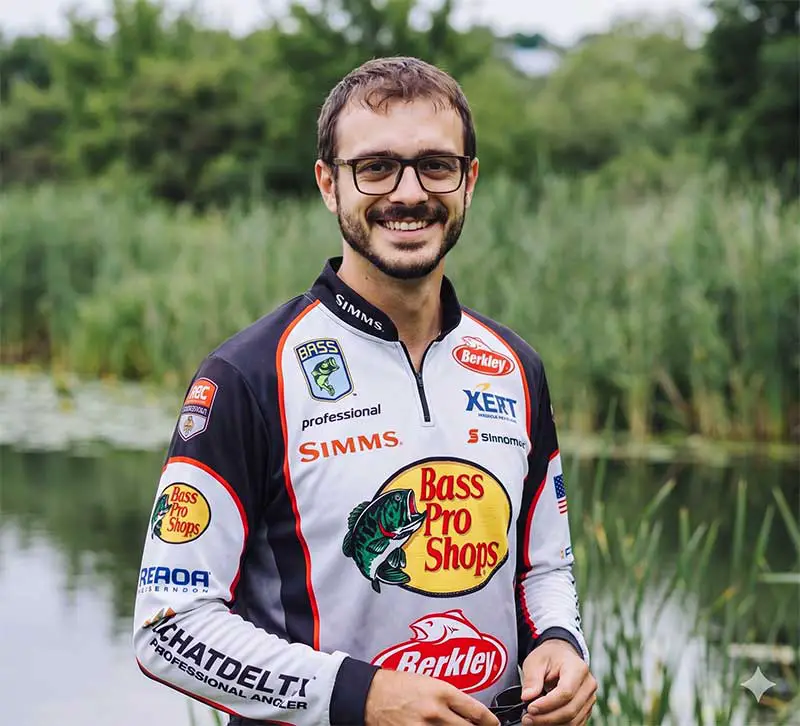
Tony L. Smith is a dedicated fishing expert with over 15 years of hands-on experience in freshwater and saltwater environments. As the founder of FishingStaff, Tony is committed to demystifying fishing gear for beginners and budget-conscious anglers who refuse to compromise on quality. Learn more about Tony & find him on Twitter. Happy reading!