Why Timing Is The Most Overlooked Factor In Offshore Fishing
Many anglers focus on gear, bait, and boats when chasing big fish offshore. But one key factor is often missed: timing. You can have the best equipment and skills, but if you pick the wrong time, you may go home empty-handed. The ocean is always changing. Fish move, feed, and migrate based on seasons, tides, moon phases, and even the time of day. Understanding when to fish can be the difference between an unforgettable catch and hours of quiet waiting. Let’s explore how to pick the best time for offshore fishing so every trip has a chance for success.
Best Seasons For Offshore Fishing
The ocean changes with the seasons. Water temperature, weather, and food sources all shift, affecting where fish go and when they feed. Each season offers unique opportunities and challenges.
Spring Offshore Fishing
Spring is when life returns to the ocean. As waters warm, many species move closer to shore. This is a great time for dorado (mahi-mahi), king mackerel, and yellowfin tuna. Fish become more active after the slow winter months. But spring weather can be unpredictable, with sudden storms or winds. Watch forecasts closely. The best action often happens after a few warm days, when baitfish gather near the surface.
Summer Offshore Fishing
Summer is the peak season for most offshore species. Warm water brings marlin, sailfish, wahoo, and big tuna. Calm seas make longer trips possible. Fish feed aggressively, especially early in the morning or late in the afternoon, to avoid the hottest part of the day. However, summer crowds can mean more boat traffic. Go early or try weekdays for a quieter experience. In tropical areas, keep an eye on hurricane forecasts.
Fall Offshore Fishing
Fall is a favorite time for experienced anglers. Many fish are fattening up before winter, so they bite more often. Wahoo, kingfish, and snapper are common targets. Cooler air but still-warm water creates perfect conditions. There’s less boat traffic as summer ends. Strong tides and currents can bring large schools of baitfish, attracting predators. Watch for cold fronts, which can trigger a feeding frenzy or shut down the bite.
Winter Offshore Fishing
Winter fishing is tougher, but rewarding for those who go. Water temperatures drop, and many species migrate to deeper or warmer waters. However, amberjack, grouper, and some tuna can still be found. Pick calm, sunny days, as winter storms are stronger and more dangerous. A bonus: fewer boats and less fishing pressure. Deep-drop techniques and slow presentations work well, as fish are less active.
Best Time Of Day For Offshore Fishing
The time of day affects how fish behave. Most offshore species are more active during low-light periods, such as dawn and dusk. Early morning is usually the best time, when fish move up to feed after a night of lower activity. Late afternoon can also produce bites, especially as temperatures cool after midday.
Midday fishing is possible, but fish often go deeper or become less active as the sun gets higher. Using electronics to find schools or trying different depths helps during these hours. Night fishing can be productive for species like swordfish or tuna, but requires special safety measures.
A simple rule: plan to be at your spot before sunrise or just before sunset for the best action.
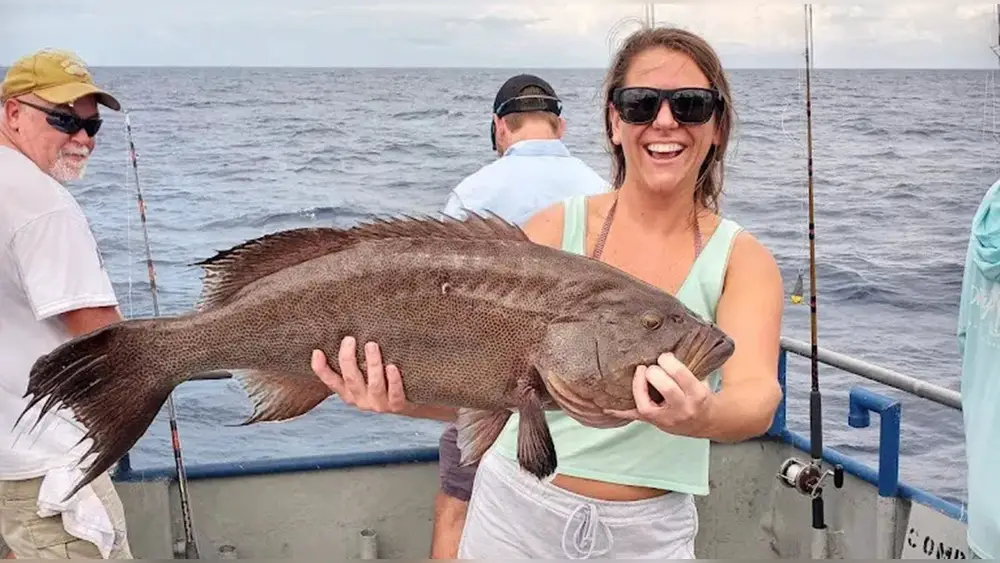
Credit: danawharf.com
How Tides Affect Offshore Fishing
Tides are one of the most important factors in offshore fishing. Changing water levels move bait and trigger feeding.
- Incoming tide (rising water): Brings food and baitfish, making predators more active.
- Outgoing tide (falling water): Fish may gather at drop-offs or channels, waiting for food to be washed out.
- Slack tide (no movement): Often the slowest time, as fish rest or move less.
For offshore fishing, the biggest bites often happen during the last hour of the incoming tide and the first hour of the outgoing tide. Some species, like snapper, feed heavily when water movement is strongest.
Here’s a comparison of fish activity during different tide phases:
| Tide Phase | Fish Activity | Best Species |
|---|---|---|
| Incoming | High | Snapper, Grouper, King Mackerel |
| Outgoing | Moderate | Tuna, Amberjack, Mahi-Mahi |
| Slack | Low | Few Species Active |
Remember: offshore tides are slower than inshore, so patience is key. Check local tide charts before every trip.
Moon Phases And Offshore Bite Windows
The moon’s cycle has a strong effect on ocean fishing. Some anglers overlook this, but moon phases change how fish feed, especially offshore.
- Full moon: Fish often feed at night when it’s bright, making daytime bites slower. However, some species, like swordfish, are easier to catch during full moon nights.
- New moon: Nights are dark, so fish feed more during the day. This is a great time for trolling or live bait.
- First and last quarter: Moderate activity. Fish may feed at dawn and dusk.
The three days before and after a new or full moon are known as prime “bite windows.” Tides are stronger, and fish are more active. Plan trips around these times for better chances.
A quick tip: moonrise and moonset times also matter. Fish often bite well just as the moon rises or sets, so check charts before leaving the dock.
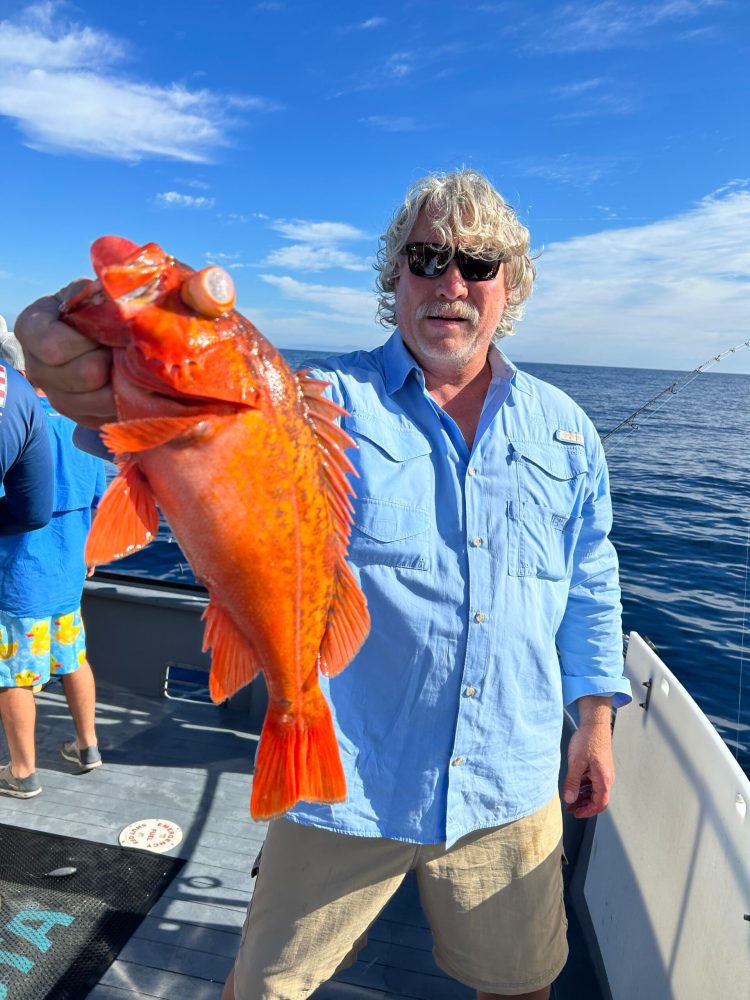
Credit: crazysistermarina.com
Best Time By Target Species
Different fish have different peak times. Knowing when your favorite species is most active can save wasted hours. Here’s a helpful overview:
| Species | Best Season | Best Time of Day |
|---|---|---|
| Mahi-Mahi (Dorado) | Spring, Summer | Early Morning, Late Afternoon |
| Yellowfin Tuna | Spring, Summer, Fall | Sunrise, Night |
| Marlin | Summer, Fall | Morning, Late Afternoon |
| Sailfish | Winter, Spring | Dawn, Dusk |
| Wahoo | Fall, Winter | Early Morning |
| King Mackerel | Spring, Fall | Morning |
| Amberjack | Winter, Spring | Midday |
| Grouper | Winter | Midday, Afternoon |
| Snapper | Spring, Summer | Morning, Night |
It’s easy to see that most species prefer low-light periods or changing conditions. Adjust your trips to match these windows for the best results.
How To Check Offshore Fishing Conditions
Checking conditions before you go offshore is critical for safety and success. Here’s how to do it like a pro:
- Weather Forecasts: Look for wind speed, wave height, and storm chances. Use trusted sources like NOAA or local marine forecasts.
- Tide Charts: Find out when high and low tides occur. Many apps and websites provide this information for your location.
- Sea Surface Temperature: Warm water attracts more fish. Use charts that show current sea temperatures.
- Chlorophyll Maps: These maps show where plankton (fish food) is thickest, helping you find baitfish and predators.
- Moon Phases: Check lunar calendars to plan for the best bite windows.
- Reports from Other Anglers: Many websites and social media groups share up-to-date reports. Local knowledge is valuable, but verify before heading out.
Here’s a simple comparison of what to check and why:
| Condition | Why It Matters | Where to Find Info |
|---|---|---|
| Weather | Safety, Fish Activity | NOAA, Weather Apps |
| Tides | Feeding Windows | Tide Charts, Fishing Apps |
| Sea Temp | Fish Location | Satellite Maps |
| Moon Phase | Bite Timing | Lunar Calendars |
Pro tip: Always have a backup plan. Offshore conditions can change fast. If winds or waves get too strong, it’s better to stay safe and try another day.
For more details on using marine forecasts, check resources like NOAA.
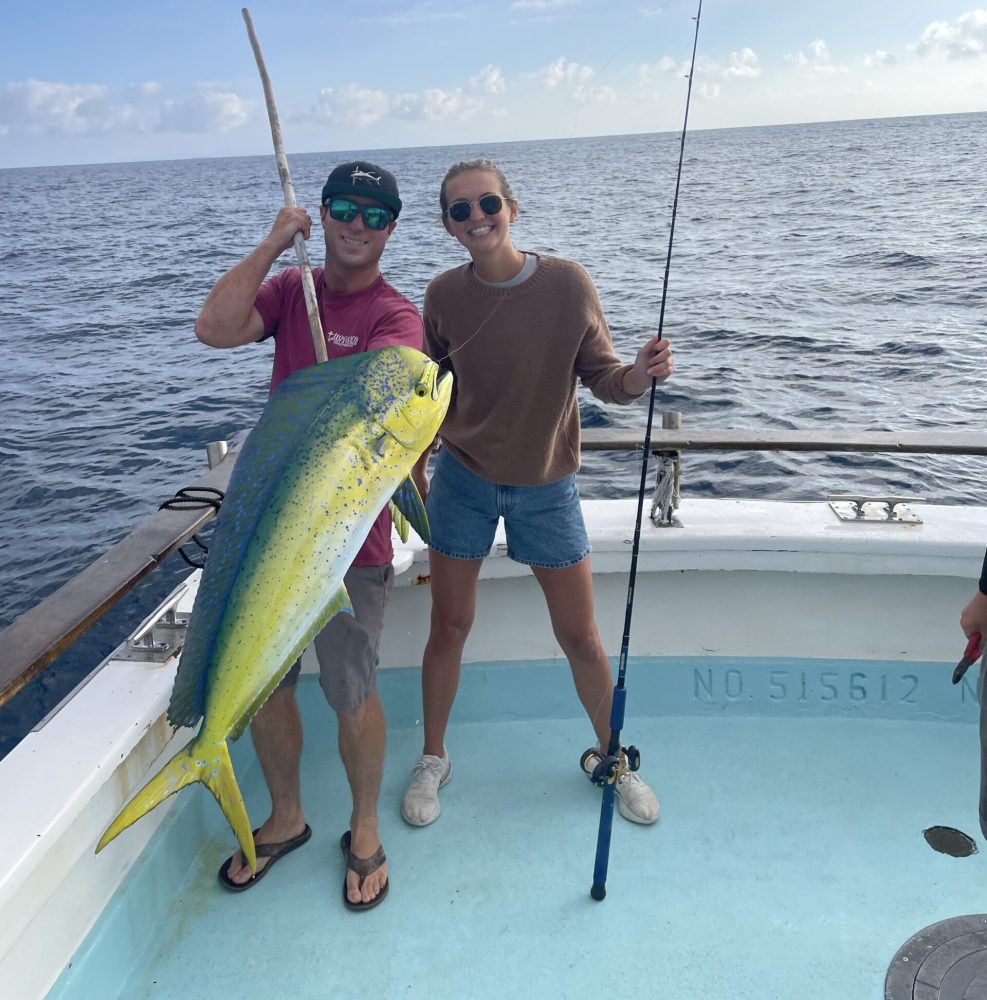
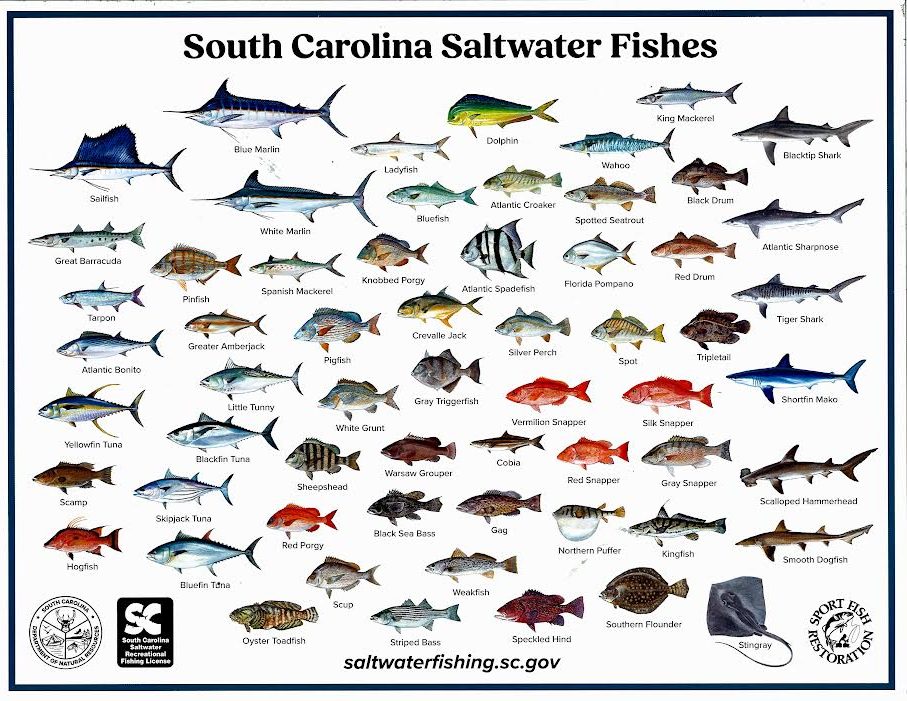
Credit: danawharf.com
Frequently Asked Questions
What Is The Worst Time For Offshore Fishing?
The slowest fishing happens during slack tide (when water does not move) and bright midday sun. Fish are less active during these periods.
Do Moon Phases Really Matter For Offshore Fishing?
Yes. Moon phases affect tides and fish feeding. Many big fish bite best around the new or full moon, but some species feed more at night during a full moon.
How Far Offshore Should I Go For The Best Fishing?
It depends on your location and target species. Some fish are found just a few miles out, while others require trips 20 miles or more offshore. Research local hotspots before heading out.
Can I Fish Offshore All Year?
Yes, but species change with the seasons. Some fish are only present in certain months. Winter can be tough due to weather and fewer fish.
How Early Should I Leave For Offshore Fishing?
Most anglers leave before sunrise to reach spots by dawn, when fish start feeding. Plan your trip so you’re in position for the best bite windows.
The best offshore fishing is not just about luck or having the newest equipment. It’s about understanding how nature works—seasons, tides, moons, and the daily rhythms of the ocean. By learning to read these signs, you’ll turn more trips into memorable adventures.
Timing is the secret weapon that separates successful anglers from the rest. Next time you plan an offshore trip, put timing first—you’ll be surprised how much it changes your results.
Tony L. Smith is a dedicated fishing expert with over 15 years of hands-on experience in freshwater and saltwater environments. As the founder of FishingStaff, Tony is committed to demystifying fishing gear for beginners and budget-conscious anglers who refuse to compromise on quality. Learn more about Tony & find him on Twitter. Happy reading!