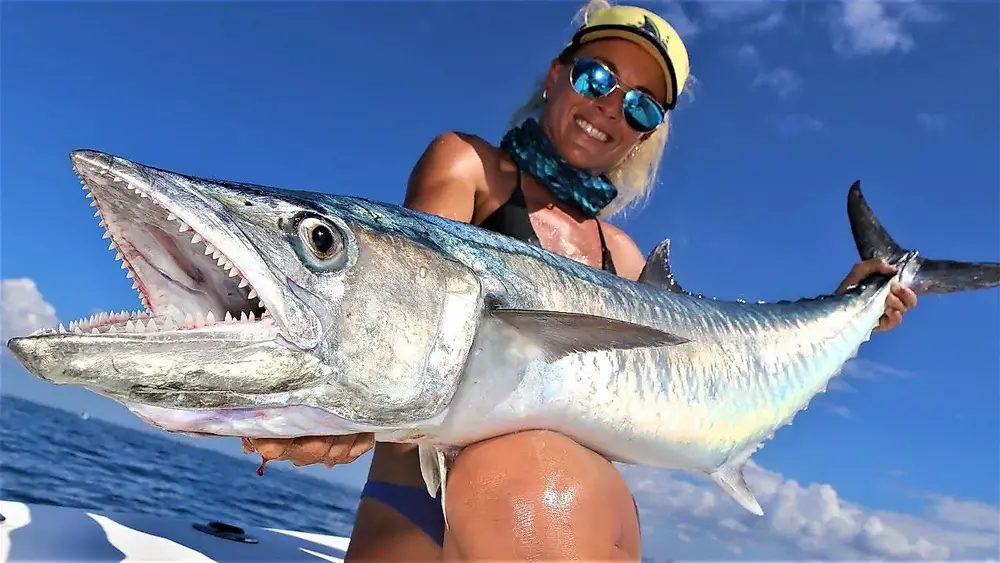
The United States is famous for its world-class offshore fishing. From the Atlantic to the Pacific, and deep into the Gulf of Mexico, anglers find some of the best deep sea fishing in the US. There are places where you can catch huge tuna, powerful marlin, and even rare swordfish. Each region offers unique experiences, scenery, and species. Whether you’re chasing the Gulf Stream off North Carolina, fishing the blue waters of Hawaii, or exploring the rich canyons of the Northeast, America’s offshore fishing locations are legendary.
If you’re planning a trip, it can be hard to know which destination to choose. Some spots are best for beginners, while others are perfect for experienced anglers. Weather, season, and species all play a role. To help you make a smart choice, here is a detailed guide to the top offshore fishing destinations USA. Each section explains what makes these places special, which fish you’ll find, and what you need to know before you go.
Quick Comparison Table
To give you a fast overview, here’s a comparison of the best offshore fishing spots in America. The table below lists key features for each location, including main target species, best seasons, and special highlights.
| Destination | Main Species | Best Season | Unique Feature |
|---|---|---|---|
| Florida Keys | Marlin, Sailfish, Tuna, Mahi | Year-round | Easy Gulf Stream access |
| Venice, LA | Yellowfin Tuna, Snapper, Cobia | Spring-Fall | Yellowfin Tuna hotspot |
| Outer Banks, NC | Bluefin Tuna, Marlin, Wahoo | Spring-Summer | Historic Gulf Stream fishing |
| Kona, Hawaii | Pacific Marlin, Tuna, Mahi | Year-round | Big game fishing |
| Destin, FL | Snapper, Grouper, Amberjack | Summer-Fall | Varied Gulf species |
| San Diego, CA | Bluefin Tuna, Yellowtail, Mahi | Spring-Fall | Pacific canyon fishing |
| Montauk, NY | Tuna, Sharks, Striped Bass | Summer-Fall | Atlantic canyon access |
| Cape Hatteras, NC | Yellowfin, Wahoo, Marlin | Spring-Summer | Migratory highway |
| Galveston, TX | Red Snapper, Kingfish, Tuna | Summer | Easy Gulf reach |
| Marathon, FL | Snapper, Sailfish, Tuna | Winter-Spring | Reef to bluewater |
1 — Florida Keys (year-round Bluewater)
The Florida Keys are the most famous offshore fishing destination in America. This long chain of islands stretches from Key Largo to Key West, offering easy access to the Gulf Stream. The warm current brings pelagic species like marlin, sailfish, mahi-mahi, and tuna close to shore.
Fishing here is possible all year. Winter brings sailfish; spring and summer are best for mahi-mahi and blackfin tuna. In the fall, you’ll find wahoo and kingfish. The Keys are also known for canyon fishing, where deep waters hold big predators.
Most charters leave from Islamorada, Marathon, or Key West. You can fish with light tackle or heavy gear, and even try night fishing for swordfish. The clear waters, tropical scenery, and easy access make the Florida Keys a top choice for both beginners and experts.
Non-obvious insight: Many beginners miss the chance to fish the deep drop-offs just a few miles offshore. These drop-offs are rich with grouper and tilefish, offering action beyond the usual pelagic targets.
2 — Venice, Louisiana (yellowfin Tuna Capital)
Venice, Louisiana is famous as the yellowfin tuna capital of the US. Located at the mouth of the Mississippi River, Venice gives access to the fertile waters of the Gulf of Mexico. The river’s nutrients attract baitfish, which in turn attract big predators.
Spring through fall is the best time to catch tuna, but you can also find red snapper, cobia, amberjack, and even billfish. Venice is unique because tuna can be caught just 20-40 miles offshore, often using chunking or trolling methods.
Charter boats often run overnight trips for tuna, and the action can be intense. The area is also known for oil rigs, which act as artificial reefs and attract many species. Venice’s remote location means fewer crowds and more chances at trophy fish.
Non-obvious insight: Don’t overlook fishing near the oil platforms. These structures not only hold snapper, but also attract cobia and grouper. Many anglers focus only on tuna, missing the wider diversity.
3 — Outer Banks, Nc (gulf Stream Access)
The Outer Banks of North Carolina are a historic offshore fishing location. This long barrier island chain gives quick access to the Gulf Stream, where anglers chase bluefin tuna, white marlin, wahoo, and mahi-mahi.
Winter is prime for giant bluefin tuna, while summer brings marlin and mahi-mahi. Many charters leave from Oregon Inlet and Hatteras, offering trips to the Gulf Stream’s edge. The area is famous for its “big game” tournaments and skilled captains.
One reason the Outer Banks are special is their rich fishing history. Locals have been catching trophy fish here for decades, and the waters are full of stories. The nearby deep canyons offer extra action for adventurous anglers.
Data table: Outer Banks Offshore Species & Seasons
| Species | Best Months | Average Size |
|---|---|---|
| Bluefin Tuna | Jan–Mar | 100–300 lbs |
| White Marlin | Jun–Aug | 50–70 lbs |
| Wahoo | Apr–Sep | 20–50 lbs |
| Mahi-mahi | May–Sep | 10–30 lbs |
Non-obvious insight: The Gulf Stream here is closer to shore than in most US locations. This means less travel time and more fishing. Many beginners waste hours running far offshore, when the best action is often just 20 miles out.
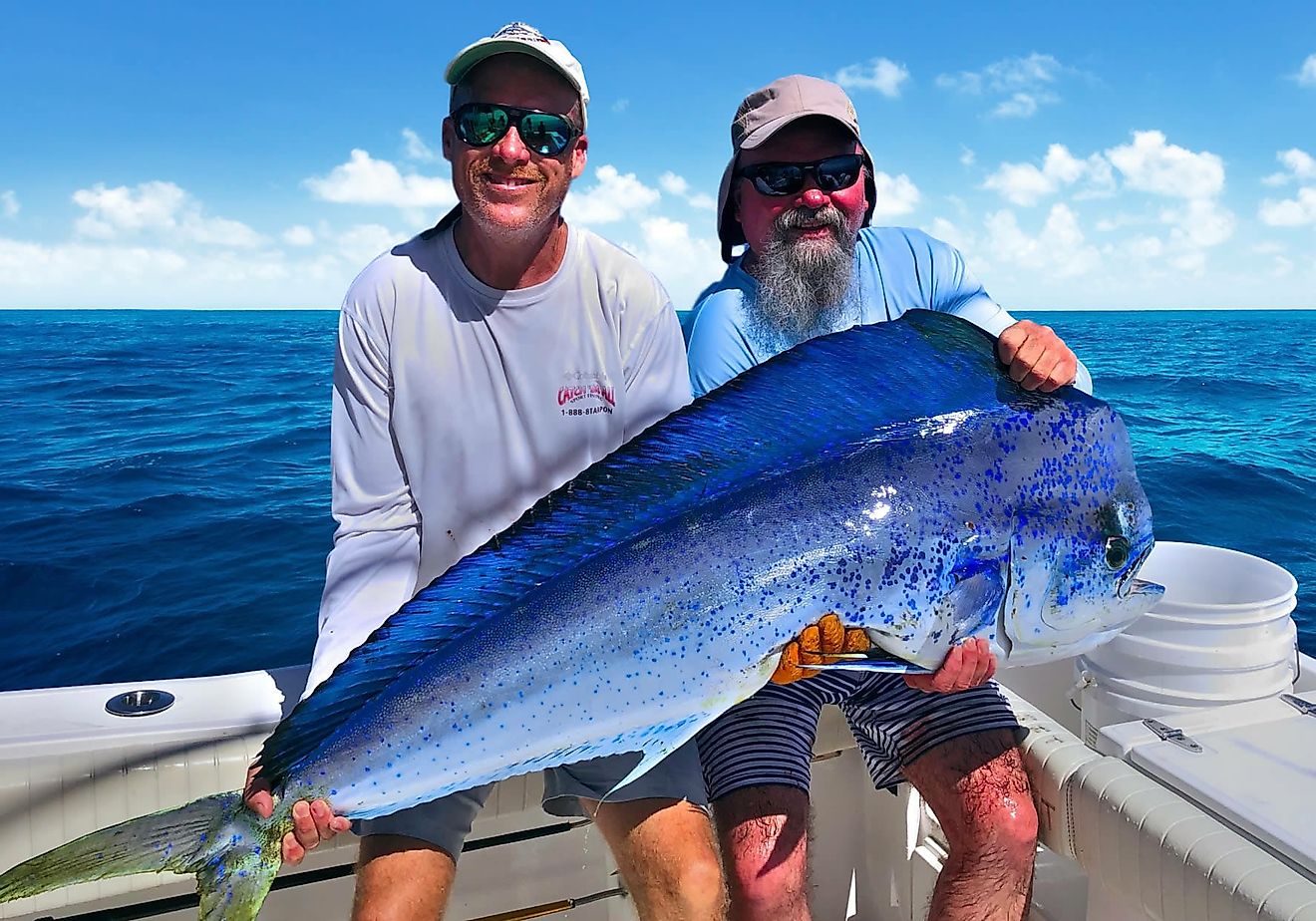
Credit: www.worldatlas.com
4 — Kona, Hawaii (pacific Big Game)
Kona, Hawaii is a legendary spot for Pacific big game fishing. The island’s steep underwater drop-offs mean deep water is just a mile from shore. Anglers can catch blue marlin, yellowfin tuna, mahi-mahi, and even shortbill spearfish.
Fishing in Kona is possible year-round. The calm waters make it easy to troll for big fish, and many tournaments happen here. Some marlin caught in Kona weigh over 1,000 pounds. If you want a chance at the biggest fish in the Pacific, this is the place.
Kona also offers unique species not found elsewhere in the US, such as ono (wahoo) and spearfish. The rich volcanic scenery adds to the experience, and the area is famous for its friendly local guides.
Non-obvious insight: Many anglers focus only on marlin. But the nearshore drop-offs also produce excellent tuna and mahi-mahi. Early morning trips often bring higher chances for multiple species.
5 — Destin, Fl (gulf Of Mexico Diversity)
Destin, Florida is known as the “World’s Luckiest Fishing Village”. Located on the Emerald Coast, Destin offers access to the rich waters of the Gulf of Mexico. Here, you can target snapper, grouper, amberjack, king mackerel, and even sailfish.
Summer and fall are best for deep sea fishing. Destin’s offshore canyons and reefs hold many species. The area is also famous for its red snapper season, when anglers flock to catch these prized fish.
Destin charters are easy to find, and the town offers a friendly atmosphere. Many beginners appreciate the short runs to productive spots. The Gulf waters are generally calm, making this a safe option for families.
Data table: Destin Gulf Species & Depths
| Species | Common Depth | Best Months |
|---|---|---|
| Red Snapper | 60–200 ft | Jun–Jul |
| Amberjack | 80–300 ft | Apr–Oct |
| Grouper | 100–400 ft | Year-round |
| Sailfish | Surface–100 ft | Sep–Nov |
Non-obvious insight: Many anglers only fish the reefs. But Destin’s offshore wrecks can produce trophy amberjack and grouper. Try drifting over these wrecks for a different kind of action.
6 — San Diego, Ca (pacific Bluefin And Yellowtail)
San Diego is famous for its offshore fishing in the Pacific. From spring to fall, anglers chase bluefin tuna, yellowtail, and mahi-mahi. The waters off San Diego are deep and rich, with many underwater canyons and banks.
Long-range charter boats leave from Point Loma and Mission Bay. Many trips are “multi-day,” targeting tuna up to 300 pounds. San Diego is also the starting point for trips to Baja California, where even bigger fish are found.
The fishing here is different from the East Coast. Anglers use live bait, jigs, and trolling to catch fish. The Pacific is unpredictable, but when the bite is on, it’s world-class. San Diego also offers easy access to coastal reefs for beginners.
Non-obvious insight: Many visitors focus only on summer trips. But late spring often brings “cow” bluefin tuna, some over 200 pounds. These early bites are less crowded and can produce bigger fish.
7 — Montauk, Ny (northeast Tuna And Sharks)
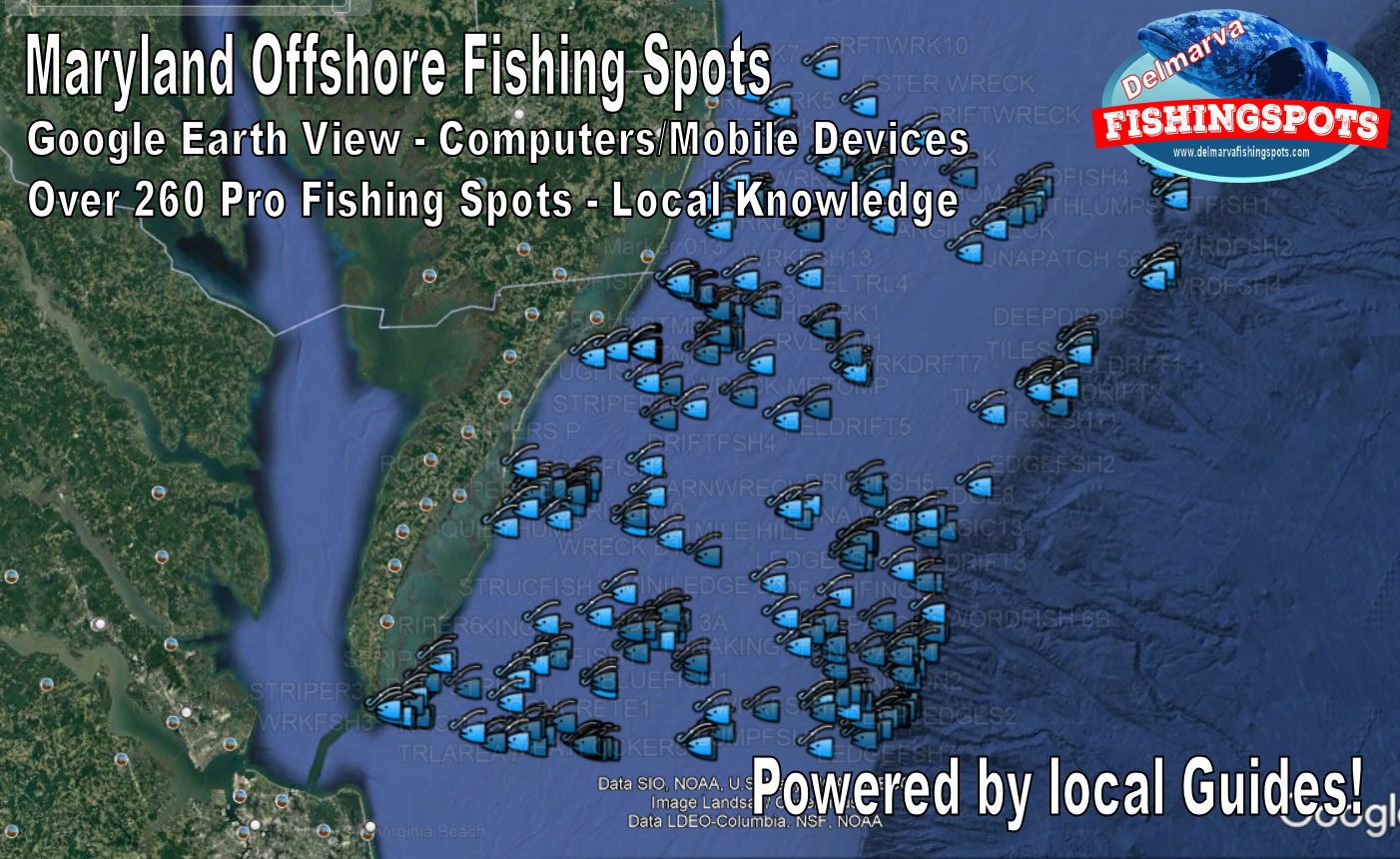
Montauk, New York is a legendary fishing town in the Northeast. The offshore waters here are famous for tuna and shark fishing. Montauk is close to deep Atlantic canyons, where bigeye tuna, bluefin tuna, and mako sharks are caught.
Summer and fall are best for offshore action. Charters often run overnight trips to the canyons, targeting tuna with chunking, trolling, and jigging. Shark fishing is also popular, with tournaments attracting skilled anglers.
Montauk has a long fishing history, and the town is full of experienced captains. The area is also famous for striped bass, which are caught closer to shore.
Non-obvious insight: Many beginners ignore the canyon fishing. These deep canyons are only 60–80 miles offshore and hold the biggest tuna. Overnight trips give the best chance at trophy fish.
Credit: delmarvafishingspots.com
8 — Cape Hatteras, Nc (migratory Species Highway)
Cape Hatteras is known as a migratory highway for many fish species. The mix of warm Gulf Stream water and cooler Atlantic water creates perfect conditions for yellowfin tuna, wahoo, king mackerel, and marlin.
Spring and summer are best for offshore fishing. Charters leave from Hatteras Village and run to the edge of the Gulf Stream. The area is famous for its hard-fighting fish and beautiful scenery.
Cape Hatteras is also known for its changing conditions. Strong currents and winds make the fishing challenging, but the rewards are big. Many tournaments happen here, and the local guides are skilled.
Non-obvious insight: Many visitors only fish the warm months. But early spring brings huge bluefin tuna, often caught on heavy tackle. These fish are some of the strongest in the Atlantic.
9 — Galveston, Tx (gulf Offshore)
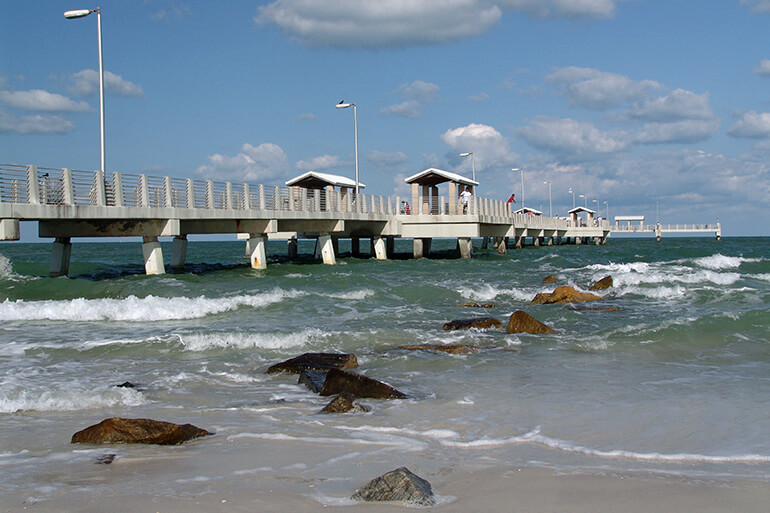
Galveston, Texas offers easy access to the Gulf’s offshore waters. From summer through fall, anglers catch red snapper, king mackerel, tuna, and cobia. Galveston’s many charters and deepwater rigs make it a popular spot.
The area is known for its oil platforms, which act as reefs and attract many species. Red snapper season is especially busy, with anglers chasing limits. Galveston’s offshore waters can be rough, but the fishing is excellent.
Galveston is also close to Houston, making it easy for travelers. Many charters offer family-friendly trips and shorter runs. The Gulf waters hold a wide range of fish, with something for every skill level.
Non-obvious insight: Many visitors fish only the surface. But Galveston’s deep rigs hold big grouper and amberjack below 200 feet. Using heavy jigs and live bait can improve your odds.
Credit: www.floridasportsman.com
10 — Marathon, Fl (reef To Bluewater Transition)
Marathon is a unique spot in the Florida Keys. It sits between Key Largo and Key West, offering a transition from reef to bluewater. Anglers can fish shallow reefs for snapper and grouper, or run to the Gulf Stream for tuna and sailfish.
Winter and spring are best for sailfish and tuna, while summer brings mahi-mahi. Marathon is famous for its “bridge fishing” near Seven Mile Bridge, where tarpon and snook are caught.
Charters here offer everything from family trips to advanced offshore runs. Marathon’s mix of habitats means you can target many species in one day.
Non-obvious insight: Many beginners ignore the edge of the reef. This area is rich with mutton snapper and black grouper, often caught using live bait. It’s a great way to warm up before heading offshore.
How To Choose Your Destination
Picking the right offshore fishing location in America depends on several important factors:
- Target Species: Decide which fish you want to catch. Each location has different strengths. For example, the Florida Keys are best for sailfish and marlin, while Venice is famous for yellowfin tuna.
- Season: Offshore fishing changes with the seasons. Research when your target species are most active. For example, bluefin tuna in the Outer Banks are best in winter, while mahi-mahi peak in summer.
- Weather and Sea Conditions: Some areas, like Kona and Destin, have calm waters most of the year. Others, like Cape Hatteras, can be rough and windy. If you’re new to offshore fishing, calmer spots are easier.
- Travel and Access: Consider how easy it is to reach the destination. Galveston and San Diego are near major cities, while Venice and the Outer Banks are more remote.
- Charter Options: Look for experienced guides. Some places, like Montauk and the Keys, have many charter boats and tournament-quality captains.
- Budget: Offshore trips can be expensive. Some locations offer shared charters or shorter runs. Research costs before booking.
- Fishing Style: Ask yourself if you prefer trolling, chunking, jigging, or live bait. Some locations specialize in certain methods.
Common mistake: Many beginners choose a destination based only on famous fish. It’s smarter to balance target species with weather, access, and skill level.
If you want more detailed data on US offshore fishing regulations and seasons, the official NOAA site is a helpful resource: NOAA Fisheries.
Frequently Asked Questions
What Is The Best Time Of Year For Offshore Fishing In The Us?
The best time depends on location and target species. In general, summer and fall are best for tuna, mahi-mahi, and wahoo. Winter is good for sailfish in the Keys and bluefin tuna in the Outer Banks. Always check local seasons before booking.
How Far Offshore Do You Need To Go To Catch Big Fish?
Most big fish are caught 20–60 miles offshore, but some places (like Kona, Hawaii) have deep water just a mile from shore. In the Gulf of Mexico, oil rigs and reefs can be productive even 10–30 miles out.
What Gear Do I Need For Offshore Fishing?
You’ll need heavy rods, strong reels (50–80 lb class), and large lures or live bait. Many charters provide gear, but serious anglers often bring their own. Don’t forget sunscreen, a hat, and motion sickness tablets.
Are Offshore Fishing Trips Safe For Beginners?
Yes, many destinations offer family-friendly trips. Choose calm-water locations like Destin or the Keys if you’re new. Listen to your captain’s safety advice and wear a life jacket.
How Do I Book A Good Offshore Fishing Charter?
Look for licensed captains with good reviews. Ask about their experience with your target species. Check what gear is included, and confirm trip length and price. Booking early helps, especially in peak seasons.
Fishing offshore in America is an adventure that combines skill, patience, and excitement. Each destination offers a unique mix of species, scenery, and local flavor. Whether you’re chasing trophy tuna in Montauk, exploring the Gulf Stream in the Outer Banks, or enjoying the warm waters of Kona, these spots guarantee memories that last a lifetime.
With careful planning and a sense of adventure, your next offshore fishing trip in the US can be truly unforgettable.
Tony L. Smith is a dedicated fishing expert with over 15 years of hands-on experience in freshwater and saltwater environments. As the founder of FishingStaff, Tony is committed to demystifying fishing gear for beginners and budget-conscious anglers who refuse to compromise on quality. Learn more about Tony & find him on Twitter. Happy reading!