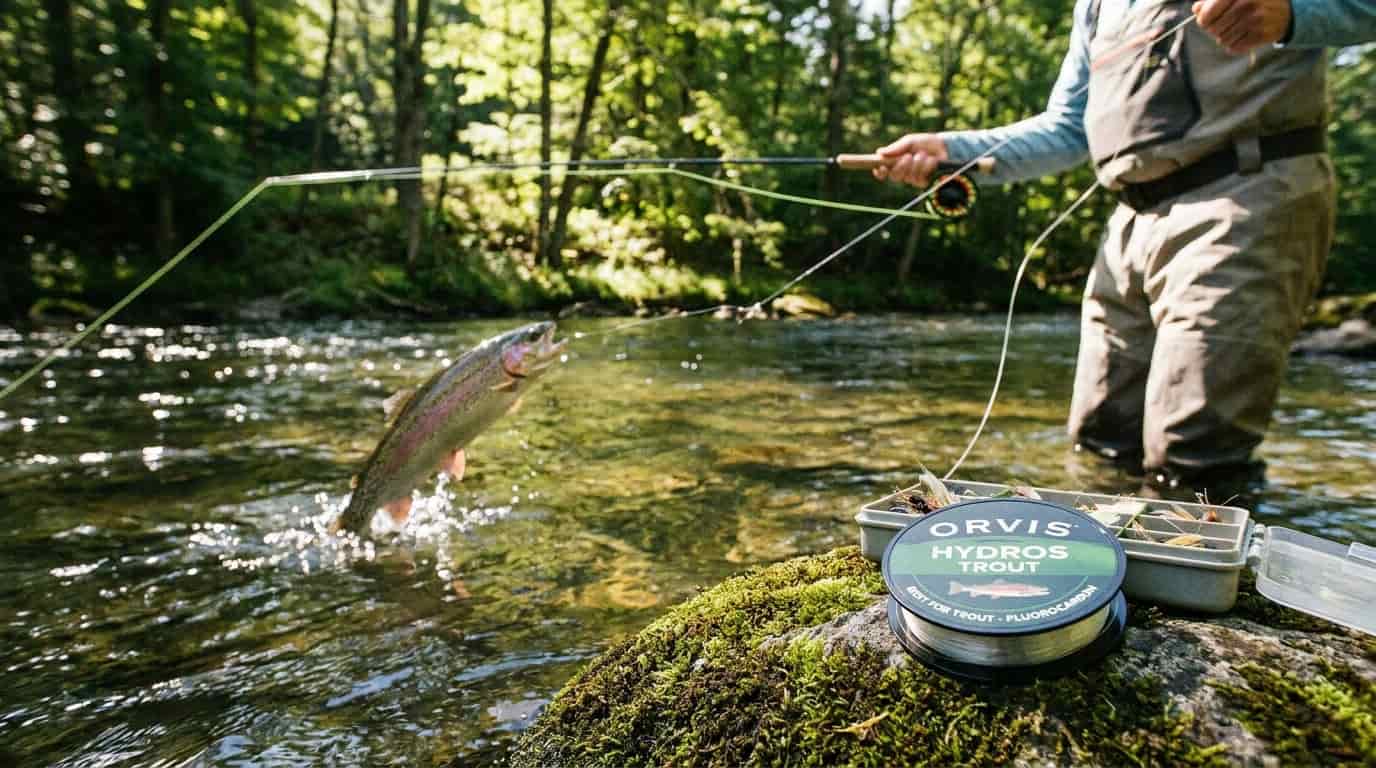
Trout fishing can be simple or frustrating. The line you use often makes the difference. You might remember days when trout seemed to spot your line and ignore every bait, or times when a sudden snap lost you the fish of the day.
Choosing the best fishing line for trout is not easy. There are many types—each with its own strengths and weaknesses. Some lines are nearly invisible under water but cost more. Others are affordable and easy to handle, but may be more visible or less durable.
Thinner lines cast farther, but thicker ones can handle bigger fish. You have to balance price, strength, visibility, and ease of use. It’s common to feel lost with so many options that all promise something different.
This article will help you sort through these choices so you can pick the line that fits your fishing style and waters.
The products below show different types of lines suited for trout, each with its own advantages. Your needs and budget will guide which is right for you.
Berkley Vanish Clear Fluorocarbon Line, 6lb
The Best Fishing Line for Trout for anglers seeking reliable invisibility and strength in both freshwater and saltwater environments.

Berkley Vanish Clear Fluorocarbon Line, 6lb, is a specialized fishing line designed to disappear underwater—making it especially effective for targeting trout that spook easily. Its 100% fluorocarbon construction refracts light like water, rendering it nearly invisible and giving you a real advantage when fish are being selective.
In real-world fishing, this line stands out for its smooth casting and strong, abrasion-resistant performance, even when submerged. You can tie fishing knots with confidence and focus on presentation rather than worrying about your line being seen, letting you enjoy your time on the water without second guessing your setup.
- Pros:
- Practically invisible underwater for shy trout
- Strong 6lb break strength for most trout fishing needs
- Maintains durability and abrasion resistance when wet
- Easy to handle and cast
- Cons:
- Not suitable for very large fish above 6lb
- Requires careful knot tying for best results
| Feature | Details |
|---|---|
| Material | 100% Fluorocarbon |
| Strength | 6lb (2.7kg) |
| Length | 110yd (100m) |
| Color | Clear – Vanish |
| Suitable Waters | Freshwater & Saltwater |
Is Berkley Vanish Right For Your Trout Fishing?
If you’re after wary trout that seem to vanish at the first sign of a line, this fluorocarbon is an excellent fit. It’s perfect for anglers who fish clear waters and need every advantage to convince cautious trout. Beginners and seasoned fishers alike will appreciate the easy handling and peace of mind from its reliability.
However, if you target large or aggressive species, you may want a higher break strength. For trout-focused outings, this line removes the stress of spooking fish and lets you focus on your technique. Give your knots a little extra attention, and you’ll find this line offers the invisibility and strength you need for productive, confident fishing trips.
Seaguar Sts Fluorocarbon Trout Line
Best Fishing Line for Trout anglers who need dependable, nearly invisible leader material for challenging waters.

The Seaguar STS Fluorocarbon Trout Line is a specialized fishing line designed for anglers targeting trout in tough, clear waters. Its 100% fluorocarbon construction makes it nearly invisible underwater, which is crucial when dealing with finicky fish. Thanks to its abrasion resistance, it’s a smart choice for fishing in rocky streams or around underwater obstacles where standard monofilament lines might fail.
In real-world use, this line is reliable and easy to handle, giving you confidence when casting into brushy areas or fast currents. Its fast-sinking nature helps get your bait into the strike zone quickly, and the strong knot integrity means you can spend less time worrying about break-offs and more time focusing on your catch.
- Strengths:
- Nearly invisible underwater for stealthy presentations
- Excellent abrasion resistance for fishing around rocks and debris
- Fast sinking to get bait into the feeding zone quickly
- Strong knots and impact resistance
- Considerations:
- Fluorocarbon lines can be stiffer than monofilament, affecting handling for beginners
- Best used as a leader rather than a main line on spinning reels
Who Will Benefit Most
If you frequently fish for trout in clear streams or pressured waters where fish are line-shy, this leader material can give you an edge. It’s especially well-suited to anglers who fish around rocks, laydowns, or brush and want a line that won’t easily fray or snap.
However, if you’re just starting out or fishing in less demanding conditions, a basic monofilament might be simpler and more forgiving to work with.
For best results, tie this fluorocarbon as a leader to your main line, and check your knots carefully. You can fish with confidence knowing your setup is proven in tough conditions, so you can focus on enjoying the water and landing your next trout.
Trout Magnet S.o.s. Monofilament Line
Best Fishing Line for Trout anglers who want a smooth, strong monofilament for light line presentations.

The Trout Magnet S. O. S. Monofilament Line is a clear, 2 lb test copolymer line designed specifically for finesse trout fishing where subtlety and strength matter most. Its standout feature is a slick, abrasion-resistant finish that holds knots well, helping you avoid break-offs when fishing around rocks or brush.
In everyday use, this line offers smooth, long casts and handles easily on ultralight setups, giving you confidence when targeting wary trout in clear water. The clear color blends into most environments, so fish are less likely to spot your line, making each cast count.
- Strengths:
- Extremely abrasion resistant for its diameter
- Excellent knot strength reduces lost fish
- Low-visibility clear color for stealth
- Great manageability and casting distance
- Limitations:
- Best suited for ultralight/light tackle (2 lb test may not handle larger species)
Is This The Right Line For You?
If you’re a trout angler who prioritizes stealth, sensitivity, and reliability, this line is a great fit—especially for streams, creeks, and clear lakes where line visibility and finesse matter. Beginners will appreciate the easy handling and knot strength, while experienced anglers will value its durability in tough cover.
However, if you regularly target larger fish or need a heavier test line, you’ll want to look for a thicker option. For trout and other small freshwater species, this line removes a lot of the guesswork and frustration from light line fishing.
Try pre-wetting knots before cinching for the best results, and rest assured that you’re well equipped for subtle presentations.
How To Weigh Your Options When Selecting Trout Fishing Line
Think about the type of water you fish most often and the species you target. Lighter lines offer subtle presentations but may sacrifice some strength. Heavier or more abrasion-resistant lines handle rougher conditions but can be more visible. Your choice comes down to balancing stealth, strength, and casting feel.
Consider where you fish, how you fish, and what matters most to you.
Missteps And Who Might Want To Pass On These Trout Lines
- If you expect a single line to handle all fishing situations, you may be disappointed.
- Those looking for ultra-heavy setups for large species should look elsewhere.
- Anglers wanting completely tangle-proof options may find any light line can twist.
- If visibility in crystal-clear water isn’t a concern for you, specialized fluorocarbon may be unnecessary.
- Beginners who want zero learning curve might find light lines more finicky to tie and manage.
Frequently Asked Questions About The Best Fishing Line For Trout
Is Fluorocarbon Always Better For Trout Than Monofilament?
Fluorocarbon is less visible underwater, which can help in clear water. However, monofilament can be easier to manage and knot for some anglers.
How Important Is Line Strength When Fishing For Trout?
Line strength should match the typical size of trout and the conditions. Going too heavy may reduce bites, while too light can risk break-offs in snags or strong currents.
Do I Need A Special Line For Spinning Reels?
No special line is required, but some lines are softer and cast better on spinning reels. Check if the line is rated for your reel type for best results.
How Often Should I Change My Fishing Line?
Replace your line if it becomes frayed, coiled, or loses strength. Many anglers change it every season or after heavy use.
Can I Use The Same Line For Both Freshwater And Saltwater Trout Fishing?
Some lines are suitable for both environments, but saltwater can be harsher on materials. Rinse your gear after saltwater use to extend the line’s life.
Will A Thinner Line Always Help Me Catch More Trout?
Thinner line is less visible and may get more bites, but it is also more prone to breaking. Use the lightest line you are comfortable handling.
What Should I Do If My Line Keeps Twisting?
Check your knots and lure rigging for twist sources. Spooling line correctly and letting it untwist occasionally helps reduce problems.
Feeling Ready To Pick Your Trout Fishing Line
Every angler’s needs are a bit different, and there’s no single “best” line for everyone. The right choice comes down to your priorities—whether that’s invisibility, strength, or ease of use.
Take a moment to consider how and where you fish most often, and trust that whichever style you choose can help you enjoy your time on the water. Good gear supports your approach, not the other way around.
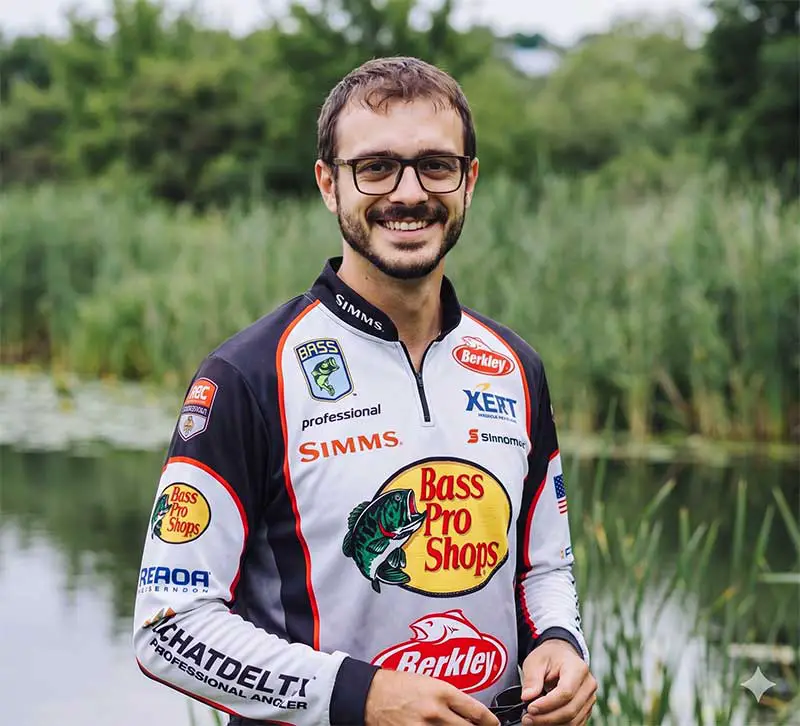
Tony L. Smith is a dedicated fishing expert with over 15 years of hands-on experience in freshwater and saltwater environments. As the founder of FishingStaff, Tony is committed to demystifying fishing gear for beginners and budget-conscious anglers who refuse to compromise on quality. Learn more about Tony & find him on Twitter. Happy reading!