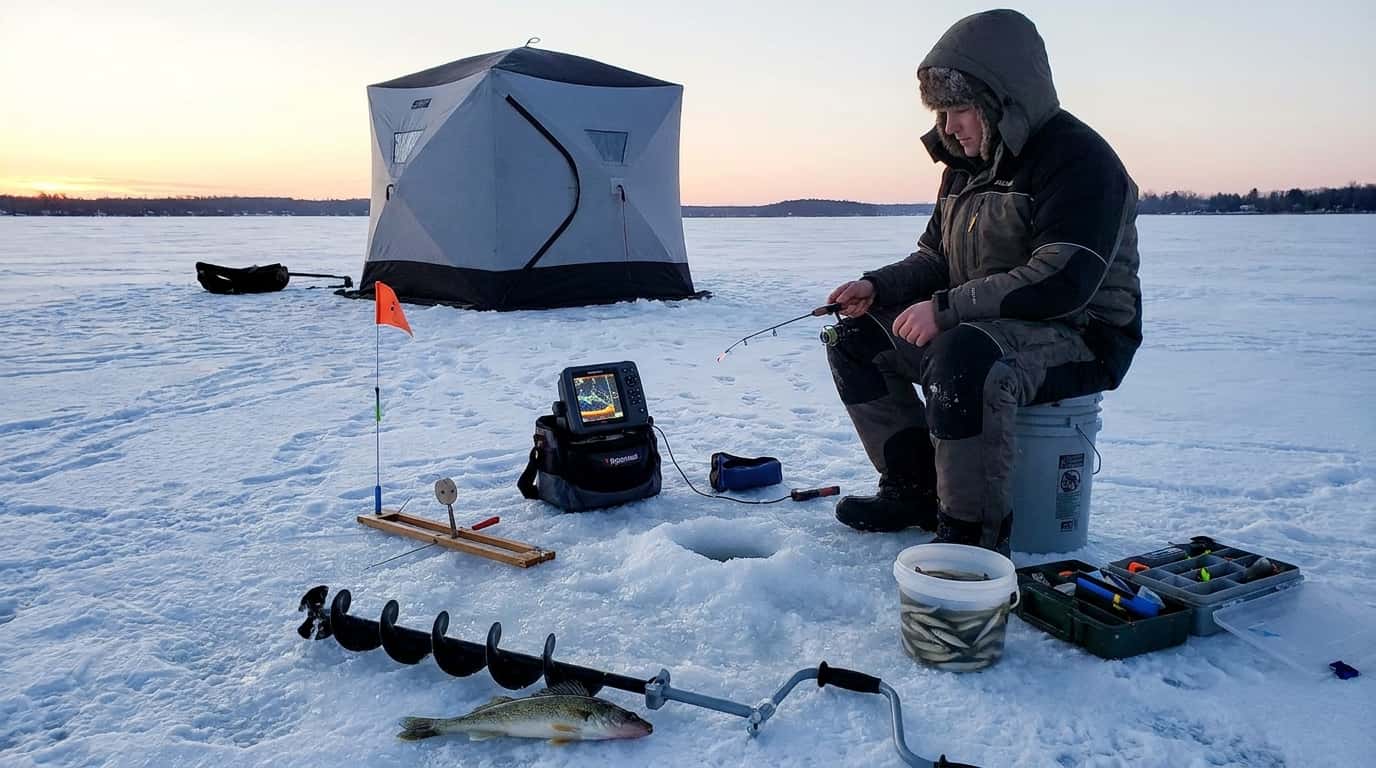
Ice fishing for walleye draws anglers from all over North America. Even in freezing temperatures, people travel long distances for the chance to catch this prized fish. Why is the walleye such a popular target? First, its meat is white, flaky, and tastes great. Second, walleye are active even in winter, making them reliable for ice fishing. Third, catching a walleye feels rewarding because they can be tricky to locate and lure. Many anglers say walleye are the “gold standard” for winter fishing—if you catch one, you know your skills and setup are working.
Best Rod & Reel Setup For Walleye Ice Fishing
Choosing the right rod and reel is the foundation of a walleye ice fishing rig. Walleye are sensitive biters, so your gear must balance sensitivity and strength.
Most anglers use a medium-light ice rod between 26 and 32 inches. Shorter rods give better control inside a shelter, while longer rods help with hooksets in the open. Look for a rod with a fast action tip—this helps you detect subtle bites but still gives backbone for bigger fish.
For reels, a spinning reel in size 1000 or 2000 is ideal. These reels handle light lines well and offer smooth drag, which is important for walleye that make sudden runs. Avoid reels with sticky drag, as it can cause you to lose fish.
Here’s a quick comparison of popular rod and reel options:
| Rod Type | Length | Action | Best Use |
|---|---|---|---|
| Medium-light graphite | 28″ | Fast | General walleye fishing |
| Medium fiberglass | 32″ | Moderate | Outside shelter, large walleye |
| Light composite | 26″ | Extra fast | Small jigs, finesse |
Pro tip: Many beginners use rods that are too stiff. This makes it hard to feel light bites, which is how walleye often feed under the ice.
Best Line For Walleye Through The Ice
Walleye have sharp teeth and can be line-shy. Your line needs to be strong yet invisible. Most experts recommend 6–8 lb test fluorocarbon for jigging. Fluorocarbon is nearly invisible underwater and resists abrasion, making it perfect for icy conditions.
For tip-up rigs, you can use braided line as the main line, but always tie a fluorocarbon leader (18–24 inches). This leader improves stealth and helps you land fish.
Here is a comparison of popular ice fishing lines:
| Line Type | Strength | Visibility | Best Use |
|---|---|---|---|
| Fluorocarbon | 6–8 lb | Low | Jigging rigs |
| Braided | 10–20 lb | High | Tip-up main line |
| Monofilament | 4–8 lb | Medium | Beginner setups |
Non-obvious insight: Fluorocarbon becomes stiff in cold, so warm it up before tying knots. Also, never use heavy line—walleye are less likely to bite thick, visible lines.
Top Walleye Ice Fishing Rigs
Your rig is the link between you and the fish. The right setup can make the difference between a slow day and a busy one. Below are the three most effective rigs for walleye ice fishing.
Jigging Spoon Rig
The jigging spoon rig is a classic for active walleye. Use a slender spoon like the Rapala Jigging Rap or Swedish Pimple. Tie it directly to your fluorocarbon leader. Add a small minnow head to the treble hook for scent.
How to use: Drop the spoon to the bottom, then jig up sharply and let it flutter down. The flash and vibration attract walleye from a distance.
Common mistake: Over-jigging. Walleye often respond to gentle movements, especially in clear water.
Live Minnow Tip-up Rig
When walleye are less active, a live minnow rig on a tip-up can be deadly. Use a #6–#8 treble hook, hook the minnow through the back, and suspend it 6–18 inches above the bottom. Attach a split shot 12 inches above the hook for weight.
Tip-ups allow you to cover more area and fish multiple holes. Many big walleye are caught on live bait, especially during sunrise and sunset.
Pro tip: Use smaller minnows in cold weather; walleye often prefer easy prey.
Blade Bait Rig
Blade baits like the Johnson Thinfisher produce vibration and flash. Tie a blade bait to a 12–18 inch fluorocarbon leader. Fish it by lifting the rod sharply, then letting the bait fall and flutter.
Blade baits work best in deeper water (20–40 feet), where walleye can see and feel the vibration.
Non-obvious insight: Blade baits are ideal when walleye are suspended mid-water. Most people fish the bottom, but suspended fish often feed more aggressively.
Best Baits And Lures For Walleye Ice Fishing
Walleye are opportunistic feeders. The best bait depends on the season and location, but certain choices consistently produce results.
Natural baits:
- Live minnows (shiners, fatheads, or perch)
- Minnow heads for scent
- Nightcrawlers (rare, but can work)
Artificial lures:
- Jigging spoons (Swedish Pimple, Northland Buckshot)
- Rapala Jigging Rap
- Blade baits (Johnson Thinfisher)
- Soft plastic minnow imitations
Color matters—use glow colors or bright hues in murky water, and natural colors in clear water.
Practical tip: Change bait every hour. Walleye can be picky, and fresh bait often triggers more bites.
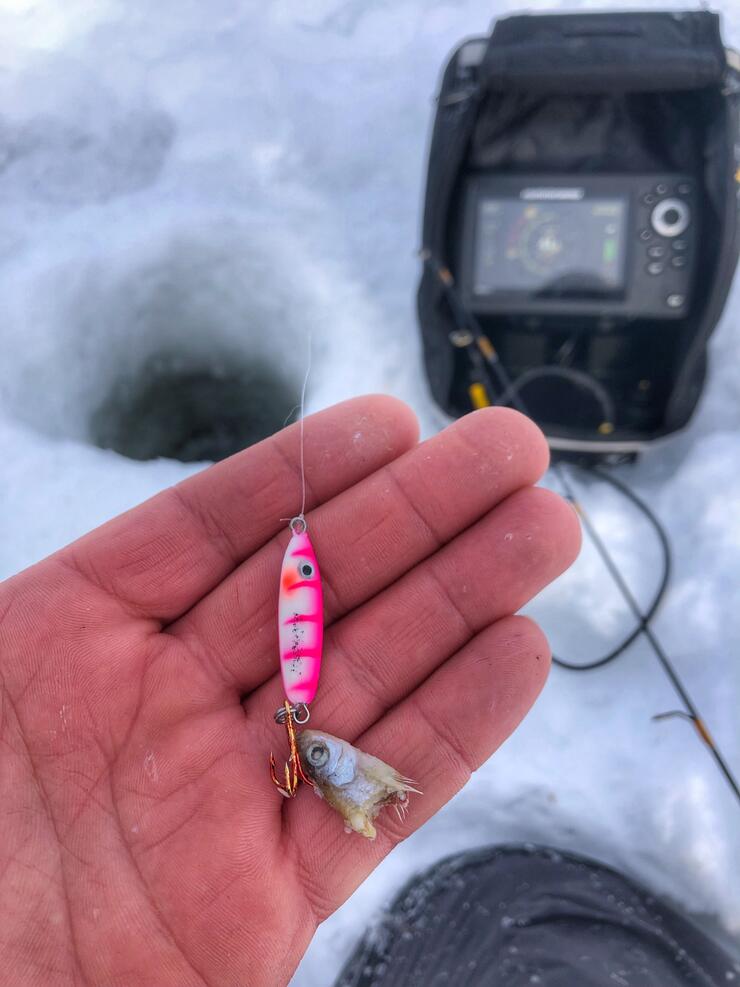
Credit: northernontario.travel
Where To Find Walleye Under The Ice
Location is everything. Walleye move based on food, oxygen, and light. Most are found near drop-offs, points, or deep holes between 15–40 feet.
Early ice: Walleye are often shallow (8–15 feet) near weed lines and rocky points.
Mid-winter: They move deeper, favoring structures like humps and ledges.
Late ice: Return to shallow water, preparing for spawning.
Here’s a simple comparison of productive locations by season:
| Season | Depth | Structure | Best Time |
|---|---|---|---|
| Early ice | 8–15 ft | Weed lines, rocky points | Sunrise, sunset |
| Mid-winter | 20–40 ft | Drop-offs, humps | Afternoon, dusk |
| Late ice | 5–12 ft | Near spawning areas | Sunrise, afternoon |
Non-obvious insight: Walleye often suspend off the bottom, especially in lakes with lots of forage fish. Use electronics to check different levels.
Best Jigging Technique For Walleye
Jigging is more than just moving your rod up and down. The best setup for walleye ice fishing includes the right technique.
- Start slow: Drop your lure to the bottom, then lift it 6–12 inches and pause for 2–4 seconds.
- Vary your cadence: Mix sharp lifts with gentle twitches. Walleye respond to changes, not repetitive movements.
- Use the pause: Most bites happen when the lure is still. Keep your rod steady after each jig.
- Check for followers: If using a flasher, watch for fish approaching but not biting. Change color or size if they don’t commit.
Common mistake: Jigging too aggressively. Walleye are cautious and often need subtle presentations.
Pro tip: If you get a bite and miss, drop the lure back quickly. Walleye often come back for a second try.
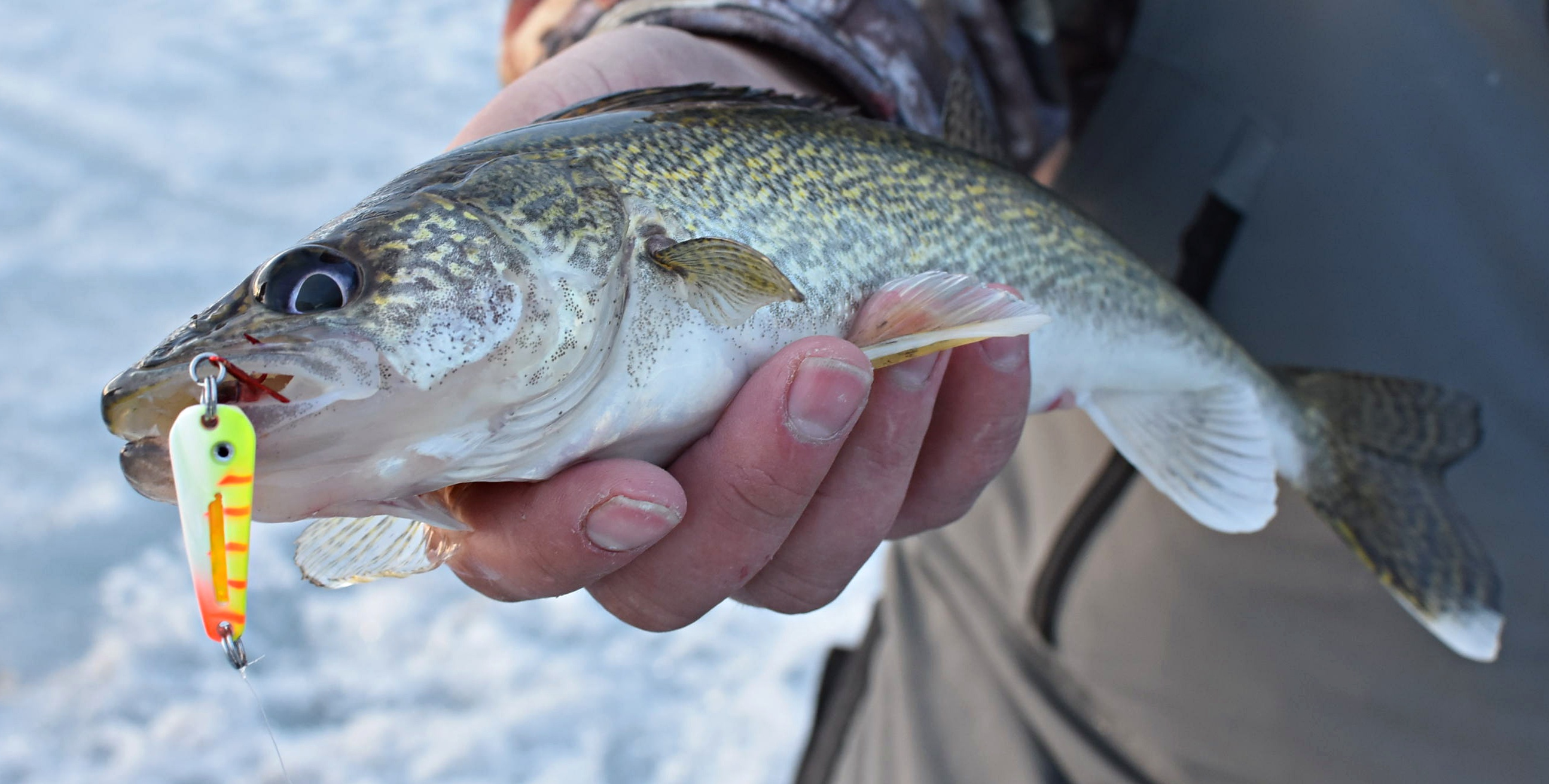
Credit: www.northlandtackle.com
Recommended Electronics (flasher/sonar)
Modern electronics have changed ice fishing. A flasher or sonar lets you see depth, structure, and fish activity in real-time. Most walleye anglers use a flasher like the Vexilar FLX-28 or Humminbird Ice Helix 7.
Benefits:
- Find drop-offs and humps quickly
- Detect fish at different depths
- See your lure and watch fish react
A sonar can help you adjust your walleye depth instantly. If you see fish suspended, move your bait up. If fish are glued to the bottom, keep your lure close.
Non-obvious insight: Many beginners ignore interference signals. Adjust the gain and sensitivity so you only see fish and your lure.
If you want more info on electronics for ice fishing, check this Ice Fishing Sonar Guide.
Conclusion + Product Links
Ice fishing for walleye is a mix of skill, planning, and patience. The best setup for walleye ice fishing includes a sensitive rod, a smooth reel, invisible line, and proven rigs. Choose your bait based on the season and water clarity. Use electronics to find fish and adjust your depth. Remember, walleye often bite softly, so pay attention to every twitch and movement.
For gear, consider these trusted products:
- St. Croix Mojo Ice Rod (medium-light, fast action)
- Shimano Sienna 1000 Reel (smooth drag, reliable)
- Seaguar Ice Fluorocarbon Line (6–8 lb test)
- Rapala Jigging Rap (top lure for walleye)
- Vexilar FLX-28 Flasher (highly rated sonar)
The right setup can turn a cold day into a memorable one. Stay safe, keep your gear simple, and enjoy the challenge of walleye under the ice.
Frequently Asked Questions
What Is The Best Depth To Catch Walleye During Ice Fishing?
Most walleye are caught between 15–40 feet in winter. Early ice may see walleye in shallow areas (8–15 feet), while mid-winter pushes them deeper. Use electronics to find the depth walleye are holding.
Should I Use Live Bait Or Artificial Lures For Walleye?
Both work, but live minnows are most effective when walleye are inactive. Artificial lures like jigging spoons and blade baits work best when fish are aggressive. Try both and switch if bites slow down.
How Can I Tell If A Walleye Is Biting My Lure?
Walleye bites are often subtle. Watch for small twitches on your rod tip or line movement. Using a sensitive rod and light line helps you detect bites more easily.
What Color Lures Work Best For Walleye Under The Ice?
Use glow colors or bright hues in murky water. In clear water, natural colors like silver or perch patterns are more effective. If one color isn’t working, change it every hour.
Is A Fluorocarbon Leader Necessary For Walleye Ice Fishing?
Yes, a fluorocarbon leader is important because it is less visible underwater and resists abrasion. It helps prevent walleye from seeing the line and breaking off during the fight.

Tony L. Smith is a dedicated fishing expert with over 15 years of hands-on experience in freshwater and saltwater environments. As the founder of FishingStaff, Tony is committed to demystifying fishing gear for beginners and budget-conscious anglers who refuse to compromise on quality. Learn more about Tony & find him on Twitter. Happy reading!